

How to Relieve Muscle Soreness Fast: Complete Recovery Guide for 2026
Muscle soreness after a workout, long run, or even an unusually active day can feel discouraging—but it’s actually a normal part of the body’s adaptation process. That deep, tight discomfort you feel 24–72 hours later is commonly known as Delayed Onset Muscle Soreness (DOMS). While it can be uncomfortable, it is also a sign that your muscles are rebuilding stronger.
The challenge is not just understanding soreness, but knowing how to relieve it quickly and safely without slowing down recovery. The good news is that science-backed strategies—like heat therapy, active recovery, mobility work, and targeted muscle stimulation—can significantly reduce discomfort and speed up healing.
This guide breaks down everything you need to know about muscle soreness recovery, including when to use heat or cold therapy, how to structure your recovery timeline, and which at-home methods actually work based on physiological evidence.
What Causes Muscle Soreness After Exercise?

Muscle soreness is primarily caused by microscopic damage to muscle fibers during physical activity. This is especially common after eccentric movements like downhill running, squats, or heavy lifting. The body responds with inflammation, increased blood flow, and repair activity that leads to soreness.
What Is Delayed Onset Muscle Soreness (DOMS)?
DOMS typically appears 12 to 24 hours after exercise and peaks between 24 and 72 hours. It is linked to microtears in muscle fibers and the inflammatory response that follows. Contrary to common belief, DOMS is not caused by lactic acid buildup.
Normal Muscle Soreness vs Muscle Strain
- DOMS: Dull, generalized soreness affecting multiple muscles
- Muscle strain: Sharp, localized pain often with swelling or bruising
If pain limits movement significantly or worsens over time, it may indicate an injury rather than normal soreness.
Why Inflammation and Blood Circulation Matter in Recovery
Inflammation is part of the healing process, but excessive inflammation can delay recovery. Improved blood circulation helps deliver oxygen and nutrients to damaged muscle tissue, accelerating repair and reducing stiffness.
How to Relieve Muscle Soreness Fast: Quick Recovery Framework

Fast recovery depends on timing and the right combination of recovery techniques. Instead of relying on a single method, a structured approach works best.
The First 24 Hours After a Workout
- Light movement such as walking or cycling
- Hydration to support muscle repair
- Gentle stretching (avoid aggressive stretching)
- Short rest periods between activity
The 24–48 Hour Recovery Window
This is the peak soreness phase. The focus should shift toward circulation support and stiffness reduction.
- Heat therapy to relax tight muscles
- Foam rolling for myofascial release
- Active recovery workouts at low intensity
- Sleep optimization for muscle regeneration
When Soreness Lasts More Than 72 Hours
Persistent soreness beyond three days may indicate overtraining or strain. Reduce intensity and consider recovery support tools. If pain is sharp or worsening, medical evaluation is recommended.
Mild vs Moderate vs Severe Muscle Soreness: Which Recovery Method Works Best?

Not all soreness should be treated the same way. Matching recovery strategies to soreness intensity improves results and prevents overuse of recovery tools.
Best Recovery Methods for Mild Muscle Soreness
- Light stretching and mobility work
- Walking or cycling
- Hydration and electrolyte balance
For mild soreness affecting the lower body, compression-based recovery can be especially helpful.

Wireless Air Compression Calf Massager with Heat Relief supports circulation and reduces stiffness through targeted air compression and optional heat, making it useful for everyday recovery and mild post-workout soreness.
How to Recover From Moderate Muscle Soreness
- Heat therapy for 15–20 minutes
- Foam rolling and massage
- Active recovery sessions
- Gentle resistance movement
What to Do for Severe Muscle Pain or Reduced Mobility
- Rest combined with gentle movement
- Reduced training intensity
- Muscle stimulation therapy (if appropriate)
- Monitor for signs of injury
Heat Therapy vs Cold Therapy for Sore Muscles

Heat and cold therapy are two of the most commonly used recovery methods, but they serve very different purposes depending on timing and symptoms.
When to Use Heat Therapy
Heat therapy improves blood circulation, reduces stiffness, and relaxes tight muscles. It is most effective during the 24–72 hour post-exercise window when soreness is due to muscle tightness rather than acute injury.
When Cold Therapy Works Better
Cold therapy is best immediately after intense exercise or injury. It reduces inflammation and numbs acute pain by constricting blood vessels.
Can You Combine Heat and Cold Therapy?
Yes. Contrast therapy (alternating heat and cold) may help improve circulation and reduce stiffness, especially for athletes or individuals with recurring soreness.
Heat vs Cold Therapy Comparison Matrix
| Factor | Heat Therapy | Cold Therapy |
|---|---|---|
| Best Timing | 24–72 hours after exercise | Immediately after injury or workout |
| Main Benefit | Improves blood flow and flexibility | Reduces inflammation and swelling |
| Best For | Stiffness and chronic soreness | Acute pain or swelling |
| Sensation | Warm, relaxing | Numbing, cooling |
Best At-Home Recovery Methods for Muscle Soreness

At-home recovery strategies are essential for long-term muscle health. Combining movement, hydration, and recovery tools produces the best outcomes.
Foam Rolling and Mobility Exercises
Foam rolling helps release tight fascia and improve range of motion. It is especially effective for legs, back, and shoulders.
Stretching Strategies That Actually Help
Gentle stretching can improve flexibility, but overstretching sore muscles may worsen discomfort. Focus on slow, controlled movements.
Hydration, Sleep, and Nutrition Recovery Factors
Muscle repair depends heavily on sleep quality, protein intake, and hydration. Without these, recovery slows significantly regardless of therapy used.
Portable Heat Therapy Devices for Recovery at Home or Work
Modern recovery routines often include heat-based devices for convenience and consistency, especially for people with busy schedules.
How to Use Heat Therapy Safely for Muscle Recovery
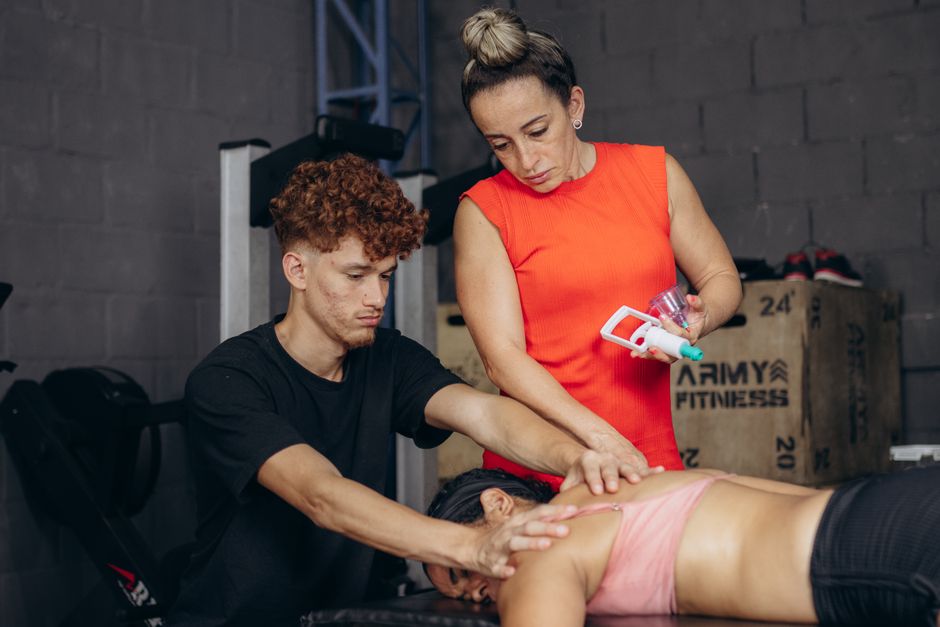
Heat therapy is highly effective, but proper usage is important for safety and results. Overuse or incorrect timing can reduce its benefits.
How Long Should You Use a Heating Pad?
Most experts recommend 15–30 minutes per session. Longer sessions may cause skin irritation or dehydration of tissue.
When You Should Avoid Heat Therapy
- Immediately after acute injury
- When swelling is present
- On open wounds or skin irritation
Common Heat Therapy Mistakes That Slow Recovery
- Using heat too early after injury
- Applying excessive temperature
- Skipping hydration during use
Post-Workout Recovery Routines for Different Lifestyles
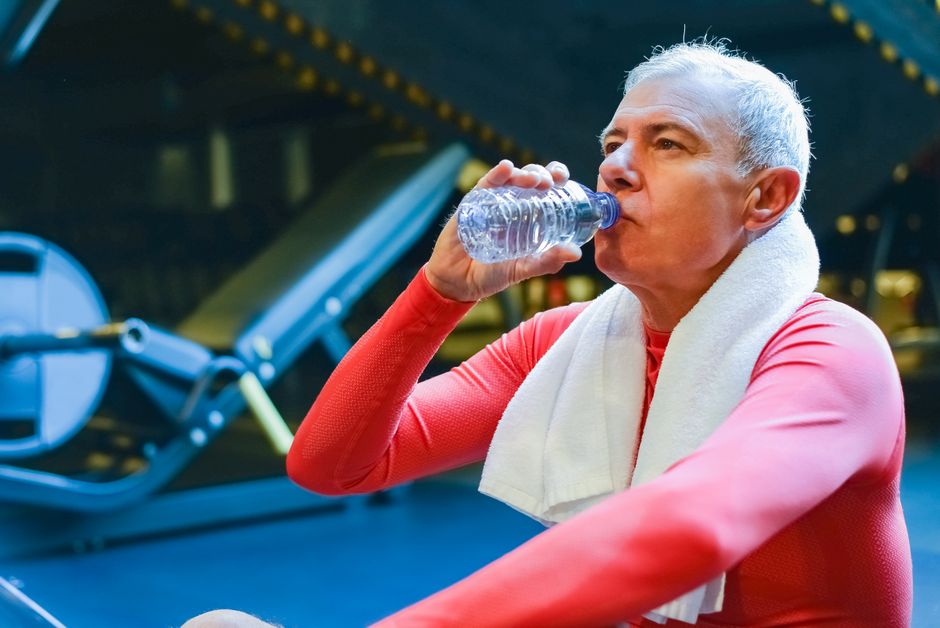
Recovery should match lifestyle demands. Athletes, office workers, and casual exercisers all require slightly different strategies.
Fast Recovery for Busy Professionals
Short, efficient recovery routines are ideal for those with limited time. Portable devices and quick muscle activation techniques work best here.

Electric Muscle Stimulator for Pain Relief & Muscle Recovery uses TENS and EMS technology to help reduce soreness, stimulate circulation, and support muscle recovery without requiring active effort—ideal for desk workers or post-workout fatigue.
Recovery Strategies for Athletes and Frequent Gym Users
- Structured active recovery days
- Heat therapy sessions post-training
- Mobility and foam rolling routines
Low-Impact Recovery for Older Adults
- Gentle stretching and walking
- Heat-based muscle relaxation
- Light resistance movements
Signs Your Muscle Soreness May Need Medical Attention

While soreness is normal, certain symptoms require caution.
Symptoms That Suggest a Muscle Strain Instead of DOMS
- Sharp localized pain
- Swelling or bruising
- Loss of strength in one area
When Recovery Pain Is Not Normal
If pain persists beyond a week or worsens instead of improving, it may indicate a more serious issue requiring medical evaluation.
Expert Insight on Muscle Recovery
“Recovery is not just rest—it’s an active biological process. Techniques that improve circulation, reduce stiffness, and support muscle repair significantly shorten recovery time when applied correctly.”
Frequently Asked Questions (FAQ)
How to relieve muscle soreness fast after a workout?
Combine light movement, hydration, heat therapy, and adequate sleep for fastest recovery.
Is heat or cold therapy better for sore muscles?
Cold is best immediately after exercise, while heat is better after 24–48 hours for stiffness and tightness.
How long should muscle soreness last after exercise?
Typically 1–3 days, depending on intensity and conditioning level.
Does foam rolling help muscle recovery?
Yes, it improves blood flow and reduces muscle tightness when used consistently.
Are portable heat therapy devices effective?
Yes, they provide consistent heat application that supports circulation and muscle relaxation.
Conclusion
Relieving muscle soreness quickly is not about a single solution but about combining methods strategically. Heat therapy, active recovery, mobility work, and modern recovery devices all play a role depending on soreness intensity and timing.
By understanding how your body responds to exercise stress, you can build a smarter recovery routine that reduces downtime, improves performance, and supports long-term muscle health.
Explore more in our Warmth & Heat Therapy collection for targeted recovery solutions, or discover additional wellness tools in our Wellness & Relaxation collection to support your recovery lifestyle.
Pillar Article: Heat Therapy for Pain Relief: Neck, Back & Joint Recovery Guide













