

How to Remove Bad Breath Naturally: A 7-Day Fresh Breath Reset
Bad breath is one of those problems that can quietly affect confidence in conversations, meetings, and even everyday interactions. What makes it more frustrating is that it often returns even after brushing and using mouthwash. The reason is simple: bad breath is usually not just a surface-level issue—it is linked to bacterial imbalance, tongue coating, saliva flow, and hidden oral hygiene gaps that most daily routines miss.
This guide breaks down a structured, science-informed approach to removing bad breath naturally. Instead of quick fixes, you will learn how to reset your oral environment in 7 days by targeting the root causes: oral bacteria, plaque buildup, dry mouth, and tongue biofilm. The goal is not just temporary freshness but long-term breath stability through better daily habits.
Why Bad Breath Happens Even After Brushing

Many people assume that brushing twice a day is enough to eliminate odor. However, chronic bad breath—also known as halitosis—often persists because the real sources of odor are not fully addressed by brushing alone. Understanding the underlying causes is the first step to solving the problem permanently.
What Is Halitosis?
Halitosis refers to persistent bad breath caused primarily by volatile sulfur compounds (VSCs). These compounds are produced when anaerobic bacteria break down food particles and proteins inside the mouth. The odor is often strongest in areas where oxygen is limited, such as between teeth, along the gum line, and on the tongue surface.
The Role of Oral Bacteria and the Oral Microbiome
Your mouth contains a complex ecosystem of bacteria known as the oral microbiome. When balanced, it supports healthy gums and neutral breath. When disrupted, odor-producing bacteria dominate and release sulfur-based gases that lead to persistent bad breath.
Plaque buildup acts as a protective layer for these bacteria, making them harder to remove with simple brushing. This is why deeper cleaning strategies are necessary for long-term freshness.
Why Brushing Alone Often Fails
Standard brushing primarily cleans tooth surfaces, but it often misses key odor sources:
- The back of the tongue, where bacteria accumulate heavily
- Interdental spaces where food particles remain trapped
- The gum line where plaque forms biofilms
- Dry mouth conditions that reduce natural cleansing saliva
This is why even people with good brushing habits can still experience chronic bad breath.
The 4 Main Types of Bad Breath and Their Root Causes

Not all bad breath is the same. Identifying the type helps you choose the right natural solution instead of relying on generic fixes.
Morning Breath: Overnight Dry Mouth and Bacterial Growth
During sleep, saliva production decreases significantly. Since saliva naturally washes away bacteria, reduced flow allows odor-causing microbes to multiply. This is why morning breath is common even in people with strong oral hygiene habits.
Dietary Breath: Garlic, Coffee, Sugar, and Acidic Foods
Strong-smelling foods and sugar-rich diets directly feed bacteria or release volatile compounds into the bloodstream. Coffee and garlic, for example, can linger in breath for hours after consumption.
Gum-Related Halitosis and Dental Plaque
When plaque accumulates along the gums, it can lead to inflammation and bacterial overgrowth. This type of bad breath often persists until proper plaque control is introduced into daily care.
Dry Mouth Halitosis and Saliva Imbalance
Dry mouth reduces the natural cleansing function of saliva. This condition may be caused by dehydration, mouth breathing, or certain medications. Without enough saliva, bacteria thrive and odor increases.
How to Remove Bad Breath Naturally: The Core Daily Routine

The most effective natural approach to bad breath is a consistent daily system that targets bacteria, plaque, and saliva balance. Below is a structured routine designed to reset your oral environment.
Step 1: Clean the Tongue Correctly
The tongue is one of the most overlooked sources of bad breath. Its textured surface traps bacteria, food debris, and dead cells, forming a coating that produces sulfur compounds. Cleaning it daily is essential for odor control.
A structured tool like the KentDO™ Stainless Steel Tongue Scraper – Fresh Breath Cleaner helps remove this coating effectively and improves overall oral freshness.

Regular tongue cleaning reduces bacterial load and immediately improves breath quality. This step is especially important in the morning and before bedtime.
Step 2: Improve Interdental Cleaning Habits
Food particles trapped between teeth are a major source of hidden odor. Brushing alone cannot fully reach these tight spaces, which is why interdental cleaning plays a critical role in natural bad breath removal.
Using a targeted oral irrigation device like the KentDO™ Portable Water Flosser – 3 Modes, 200ML Tank helps flush out debris and bacteria from hard-to-reach areas.

This step significantly reduces plaque buildup, improves gum health, and minimizes odor-producing bacterial colonies in interdental spaces.
Step 3: Support Healthy Saliva Production
Saliva is the mouth’s natural defense system against bad breath. Staying hydrated, chewing sugar-free gum, and breathing through the nose instead of the mouth can help maintain optimal saliva flow throughout the day.
Step 4: Use Alcohol-Free Mouthwash Strategically
Alcohol-based mouthwashes can temporarily kill bacteria but may also cause dry mouth over time. Instead, choose gentler formulations that support microbial balance without disrupting saliva production.
Step 5: Reduce Odor-Feeding Foods and Sugar
Reducing sugar intake limits the fuel available for odor-producing bacteria. Additionally, balancing acidic foods with alkaline options like vegetables helps maintain a healthier oral environment.
For more structured hygiene strategies, explore our oral care devices collection and discover tools designed to support daily oral balance.
The 7-Day Fresh Breath Reset Plan

This reset plan is designed to quickly reduce odor while building long-term oral hygiene habits. Each phase targets a specific cause of bad breath.
Day 1–2: Remove Tongue Buildup and Plaque
Focus on eliminating surface bacteria from the tongue and teeth. Consistent tongue cleaning and deep interdental flushing help reduce immediate odor intensity. Pairing these steps with proper hydration creates noticeable improvement within the first 48 hours.
Day 3–4: Restore Moisture and Saliva Balance
Increase water intake and reduce caffeine or alcohol consumption. These changes help restore saliva flow, which is essential for natural bacterial control and breath freshness.
Day 5–6: Upgrade Daily Oral Hygiene Habits
Refine brushing technique, extend cleaning time, and ensure consistent interdental cleaning. At this stage, the goal is not just cleaning but maintaining a stable oral environment.
Day 7: Evaluate Breath Triggers and Long-Term Maintenance
Identify personal triggers such as specific foods, stress, or dehydration. Building awareness helps prevent recurrence of bad breath after the reset phase.
For ongoing oral care improvement, explore insights in our oral care blog for deeper routines and expert guidance.
Common Mistakes That Make Bad Breath Worse
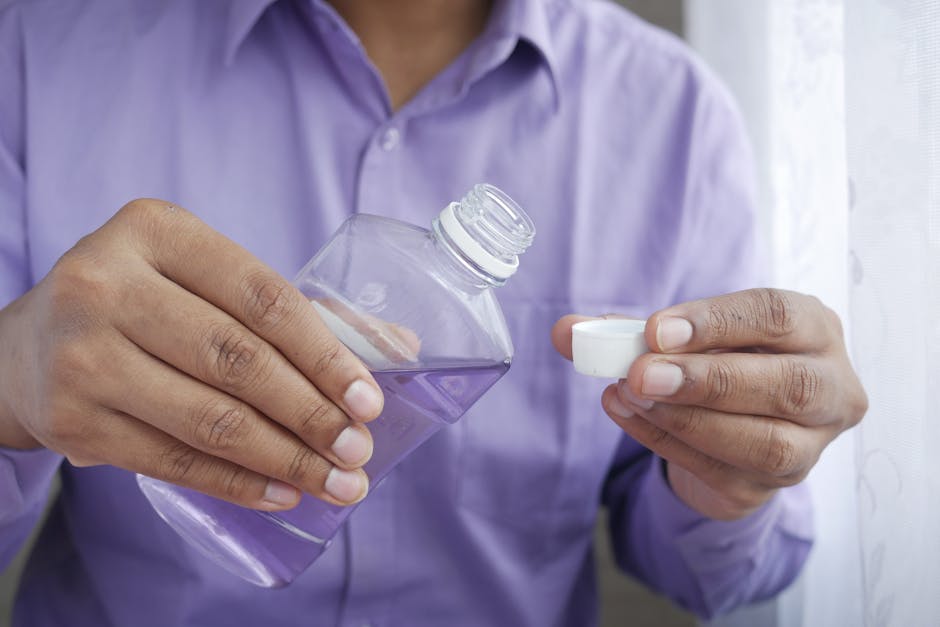
Even with good intentions, some habits can worsen bad breath instead of improving it. Understanding these mistakes helps refine your routine.
- Overusing strong mouthwash: Can lead to dry mouth and bacterial imbalance
- Ignoring the tongue: Leaves major odor sources untreated
- Brushing too quickly: Reduces plaque removal effectiveness
- Skipping nighttime hygiene: Allows overnight bacterial growth
Improving consistency and technique is often more effective than adding more products to your routine.
Natural Remedies That Actually Help Freshen Breath

Natural breath improvement focuses on supporting the body’s own cleansing systems rather than masking odor.
Herbs and Foods That Support Fresh Breath
Parsley, mint, crunchy vegetables, and probiotic-rich foods help reduce odor by balancing bacteria and increasing saliva production. These foods also support digestive health, which indirectly affects breath quality.
Hydration and Saliva-Friendly Habits
Consistent hydration is one of the simplest yet most powerful ways to prevent bad breath naturally. Drinking water throughout the day and avoiding long periods of dryness significantly reduces odor buildup.
For a broader wellness approach, explore our wellness and relaxation collection to support hydration and daily balance habits.
When Bad Breath Could Signal a Bigger Problem

While most cases of bad breath are related to hygiene and diet, persistent odor can sometimes indicate underlying health issues.
Signs of Gum Disease
Bleeding gums, swelling, and chronic odor may suggest gum disease. This condition requires professional dental care for proper treatment.
Dry Mouth Caused by Medications or Health Conditions
Long-term dry mouth can significantly increase bacterial growth and worsen breath. Addressing the root cause is essential for improvement.
When to See a Dentist
If bad breath persists despite consistent oral hygiene improvements, a dental evaluation is recommended to rule out infections, cavities, or periodontal issues.
Daily Fresh Breath Checklist
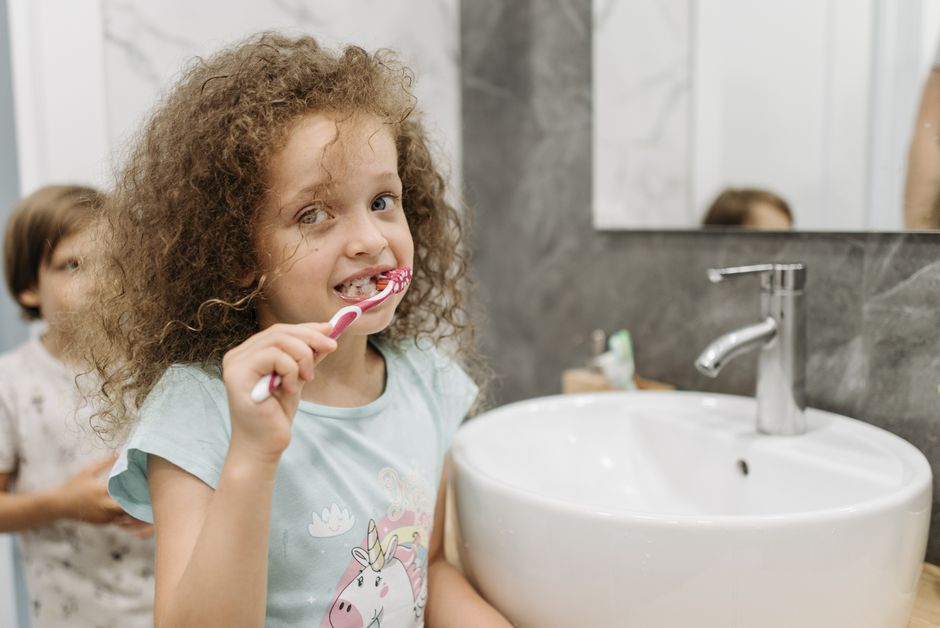
Consistency is the foundation of long-term oral freshness. This checklist simplifies daily habits into actionable steps.
Morning Routine
- Clean tongue thoroughly
- Brush teeth for at least 2 minutes
- Drink a glass of water immediately after waking
Midday Breath Maintenance
- Stay hydrated throughout the day
- Use sugar-free gum if needed
- Rinse mouth after meals when possible
Nighttime Oral Hygiene Routine
- Brush thoroughly before bed
- Clean between teeth to remove plaque buildup
- Clean tongue again to remove daily accumulation
For more daily care inspiration, visit our lifestyle collection to explore supportive wellness tools for consistent routines.
Final Thoughts: Building Long-Term Fresh Breath Naturally
Eliminating bad breath naturally is not about quick fixes—it is about building a stable oral environment where bacteria, saliva, and hygiene habits remain balanced. By combining tongue cleaning, interdental care, hydration, and mindful eating, you can significantly reduce odor and maintain long-term freshness.
The 7-day reset provides a structured starting point, but the real transformation happens when these habits become part of your daily lifestyle. With consistency, fresh breath becomes not an effort—but a natural result of a healthy oral system.
Pillar Article: Oral Hygiene Routines: Beginner-to-Pro Daily Dental Guide













