

How to Treat Dry Scalp Naturally With Cleansing, Hydration & Scalp Massage
Dry scalp can feel uncomfortable, itchy, tight, and frustrating—especially when flakes start appearing on clothing or hairlines. Many people mistake dry scalp for dandruff, but the two conditions are not always the same. Dry scalp is commonly linked to dehydration, irritation, harsh hair products, overwashing, environmental stress, and scalp barrier damage.
The good news is that many cases of dry scalp improve naturally with consistent scalp care habits, gentle cleansing, hydration-focused ingredients, and stress-reducing wellness routines. Instead of relying on overly aggressive treatments that strip away natural oils, a scalp recovery approach focuses on restoring moisture balance and supporting healthy hair follicles.
Throughout this guide, you will learn how to identify common dry scalp triggers, build a beginner-friendly scalp routine, remove buildup safely, improve scalp circulation with massage, and prevent recurring irritation naturally at home.
Readers looking to expand their self-care setup can also explore the Hair Care and Styling Devices collection alongside the Skincare & Hydration collection for supportive wellness tools and hydration-focused routines.
What Causes Dry Scalp?

Dry scalp develops when the scalp loses too much moisture or when the skin barrier becomes irritated and inflamed. Several lifestyle, environmental, and product-related factors can contribute to scalp dryness. Understanding the root cause is important because scalp recovery depends on addressing both irritation and hydration.
Signs Your Scalp Barrier May Be Damaged
The scalp barrier acts as a protective shield that helps retain moisture while defending against environmental stressors. When this barrier becomes compromised, the scalp may become more reactive, dehydrated, and sensitive.
- Persistent itching or tightness
- Small dry white flakes
- Scalp sensitivity after shampooing
- Redness or irritation around the hairline
- Dry patches or rough texture
- Hair feeling dull or brittle
Over-cleansing, harsh shampoos, alcohol-heavy styling products, excessive exfoliation, and very hot water are common contributors to barrier damage.
Common Triggers That Dry Out the Scalp
Dry scalp rarely comes from one single cause. Instead, it usually develops from multiple daily habits that gradually reduce the scalp’s ability to stay hydrated.
| Trigger | How It Affects the Scalp |
| Overwashing | Removes natural protective oils |
| Hot water | Weakens scalp moisture barrier |
| Harsh sulfates | Can irritate sensitive skin |
| Cold weather | Reduces environmental humidity |
| Indoor heating | Creates dry air conditions |
| Stress | May increase inflammation and irritation |
| Product buildup | Disrupts scalp balance and follicles |
| Hard water | Can leave mineral residue on the scalp |
Seasonal changes are particularly important. Winter air combined with indoor heat often causes moisture loss that affects both the skin and scalp.
Why Hair Follicles and Oil Production Matter
The scalp contains sebaceous glands that produce natural oils called sebum. Sebum helps protect hair follicles and keeps the scalp flexible and moisturized. When cleansing habits become too aggressive or the scalp barrier becomes inflamed, oil production may become imbalanced.
A healthy scalp does not need to feel greasy to stay hydrated. The goal is balanced oil production—not stripping the scalp completely dry.
Many people pair scalp recovery routines with broader wellness habits found in the Wellness & Relaxation collection to reduce stress-related triggers that can worsen irritation.
Dry Scalp vs Dandruff: How to Tell the Difference

Dry scalp and dandruff are commonly confused because both conditions may cause itching and visible flakes. However, their underlying causes are different. Understanding the difference helps prevent using the wrong treatments.
Symptoms of Dry Scalp
Dry scalp is usually linked to dehydration and barrier disruption.
- Small dry flakes
- Tight or itchy scalp feeling
- Skin sensitivity
- Dry hair texture
- Symptoms worsen during winter
- Improves with moisturizing routines
Symptoms of Dandruff
Dandruff is more commonly associated with excess oil, yeast imbalance, or inflammatory scalp conditions.
- Larger oily flakes
- Yellowish buildup
- Greasy scalp appearance
- Persistent inflammation
- May worsen with oil accumulation
| Condition | Flake Type | Scalp Texture | Primary Cause |
| Dry Scalp | Small and dry | Tight or rough | Moisture loss |
| Dandruff | Larger and oily | Greasy or inflamed | Oil imbalance and yeast |
When to See a Dermatologist
Natural remedies can help mild to moderate scalp dryness, but professional care may be necessary when symptoms become persistent or severe.
- Bleeding or painful scalp patches
- Sudden hair loss
- Persistent scaling
- Intense inflammation
- No improvement after several weeks
- Signs of infection
Conditions like psoriasis, eczema, seborrheic dermatitis, and allergic reactions may require targeted medical treatment.
How to Treat Dry Scalp Naturally at Home
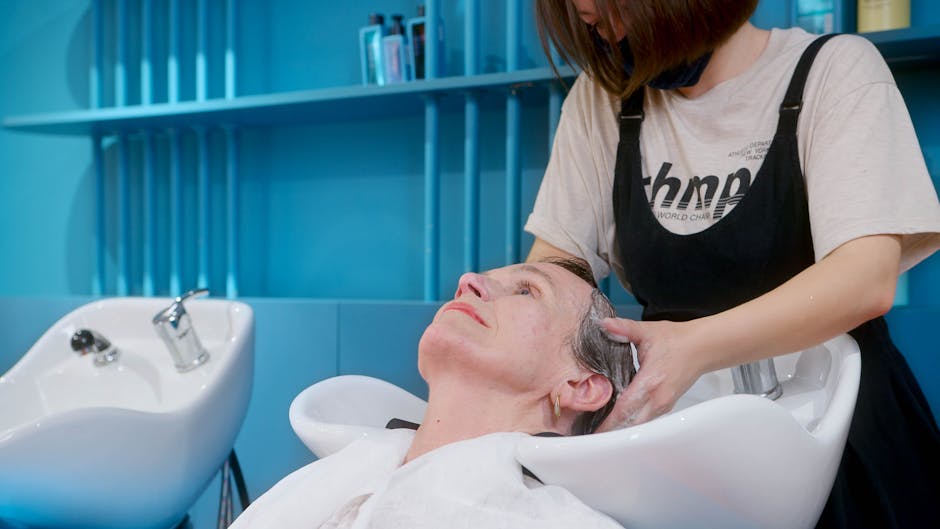
Treating dry scalp naturally focuses on restoring hydration, supporting the scalp barrier, improving circulation, and minimizing irritation triggers.
Use a Gentle Scalp Cleansing Routine
One of the biggest mistakes people make is washing their hair too aggressively. Cleansing is important, but over-cleansing removes the oils that help maintain scalp balance.
Gentle scalp cleansing tips include:
- Wash hair 2–3 times per week if possible
- Use lukewarm instead of hot water
- Choose sulfate-free shampoos
- Avoid strong fragrances when sensitive
- Massage shampoo gently instead of scrubbing aggressively
- Rinse thoroughly to prevent buildup
People with highly sensitive skin often benefit from simpler ingredient lists and hydration-focused haircare.
Restore Moisture With Hydrating Ingredients
Hydration-focused ingredients can calm irritation while helping the scalp retain moisture.
| Ingredient | Primary Benefit |
| Aloe vera | Cooling hydration and soothing |
| Coconut oil | Locks in moisture |
| Oatmeal | Calms irritation |
| Hyaluronic acid | Supports water retention |
| Jojoba oil | Mimics natural scalp oils |
Applying hydrating ingredients before shampooing can help protect the scalp during cleansing.
Improve Circulation With Scalp Massage
Scalp massage supports relaxation while increasing blood flow around the hair follicles. Better circulation may help improve scalp comfort and support healthier scalp function.
Benefits of scalp massage may include:
- Reduced scalp tension
- Improved relaxation
- Better distribution of natural oils
- Enhanced scalp comfort
- Improved product absorption
Stress can worsen scalp irritation for some people, which makes relaxation-based scalp care routines especially valuable.
How to Use a Scalp Massage Comb Safely
A scalp massage tool should feel soothing—not abrasive. Excessive pressure can worsen irritation and damage the scalp barrier.
One gentle example is the KentDO™ Scalp Massager Brush – Relax & Boost Hair Growth.

This type of brush can help loosen buildup gently during shampooing while supporting circulation without scratching the scalp.
- Apply shampoo or scalp cleanser
- Use very light circular motions
- Avoid pressing too hard
- Massage for 1–3 minutes
- Rinse thoroughly
Readers interested in expanding their home spa routine can also browse the Body Care and Health Devices collection for complementary relaxation tools.
Protect the Scalp Barrier Overnight
Nighttime is an ideal opportunity for scalp recovery because the skin naturally enters repair mode during sleep.
Helpful overnight habits include:
- Using a silk or satin pillowcase
- Applying a lightweight overnight scalp oil
- Keeping indoor humidity balanced
- Avoiding sleeping with wet hair
- Drinking adequate water throughout the day
Hydration habits that support overall skin wellness often improve scalp comfort as well.
Best Natural Ingredients for Dry Scalp Relief
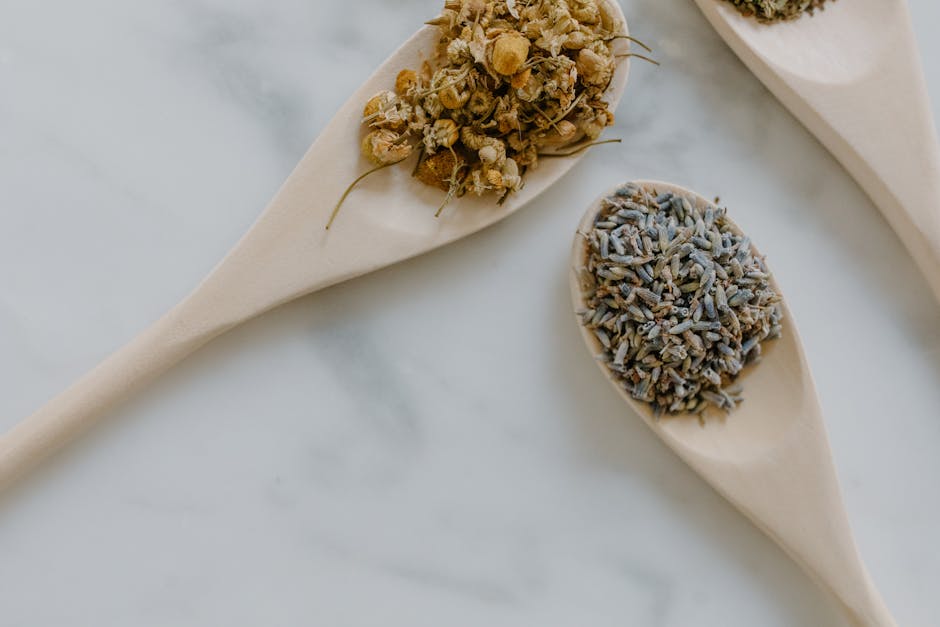
Natural ingredients can support scalp hydration and reduce irritation when used carefully and consistently.
Tea Tree Oil for Flakes and Irritation
Tea tree oil is commonly used for scalp care because of its antimicrobial and soothing properties. It may help reduce irritation and mild flaking when diluted properly.
However, concentrated tea tree oil can be irritating if overused.
- Always dilute before applying
- Use only a few drops
- Patch test sensitive skin
- Avoid daily heavy application
Coconut Oil for Moisture Retention
Coconut oil is one of the most popular natural scalp remedies because it helps soften dry skin and reduce moisture loss.
A simple routine includes:
- Warm a small amount between your hands
- Massage gently into dry scalp areas
- Leave on for 20–30 minutes
- Wash with gentle shampoo
People with very oily scalps may prefer lighter oils such as jojoba.
Aloe Vera for Scalp Cooling and Hydration
Aloe vera contains water-rich compounds that may help cool irritated skin while supporting hydration.
Benefits may include:
- Temporary itch relief
- Cooling sensation
- Reduced tightness
- Improved comfort after cleansing
Oatmeal Treatment for Sensitive Scalp
Oatmeal is widely used in calming skincare products because it supports irritated skin barriers. Finely ground colloidal oatmeal can be mixed into scalp masks or soothing rinses.
It is especially useful for people experiencing dryness from winter weather or over-cleansing.
Salicylic Acid for Scalp Buildup Removal
Salicylic acid helps dissolve excess oil and buildup on the scalp. While it can support exfoliation, too much can worsen dryness.
Safe usage tips include:
- Use only once weekly at first
- Follow with hydration-focused care
- Avoid aggressive exfoliation combinations
- Discontinue if burning occurs
People building broader wellness-focused routines often combine scalp care with hydration support from the Skin and Beauty Care Devices collection.
For relaxation-focused massage therapy, some users also enjoy the KentDO™ Sandalwood Scalp & Body Massage Comb – Stress Relief as part of evening scalp massage rituals.

Explore more if you want a gentle manual massage tool that supports relaxation-based scalp routines.
How to Remove Scalp Buildup Safely at Home
Product buildup can trap oils, dry shampoo residue, styling products, sweat, and minerals on the scalp. Over time, buildup may worsen itching, dullness, irritation, and dryness.
Signs of Product Buildup on the Scalp
- Hair feels coated or heavy
- Scalp becomes itchy quickly
- Hair loses shine
- Products stop working effectively
- Visible residue near roots
Physical vs Chemical Scalp Exfoliation
Scalp exfoliation can help remove buildup, but balance is important.
| Method | Examples | Best For |
| Physical exfoliation | Scalp brushes and scrubs | Removing surface buildup |
| Chemical exfoliation | Salicylic acid | Dissolving oil and residue |
People with sensitive or very dry scalps should avoid harsh scrubs with sharp particles that may create micro-irritation.
How Often You Should Deep Cleanse
Most beginners only need deep scalp cleansing every 1–2 weeks.
Too much exfoliation may:
- Increase irritation
- Disrupt scalp oils
- Cause sensitivity
- Worsen dryness
A healthy scalp routine prioritizes consistency over intensity.
Weekly Dry Scalp Routine for Beginners
A beginner-friendly routine helps create consistency while avoiding common mistakes that worsen irritation.
Daily Scalp Hydration Habits
- Drink enough water
- Avoid overly hot showers
- Reduce stress where possible
- Use gentle hair accessories
- Limit excessive heat styling
- Protect the scalp during cold weather
Many readers also explore the Warmth & Heat Therapy collection to support relaxation and circulation during colder seasons.
2-3 Times Per Week Cleansing Schedule
| Day | Routine |
| Monday | Gentle cleansing and hydration |
| Wednesday | Light scalp massage and moisturizing care |
| Friday | Deep cleanse or exfoliation if needed |
| Weekend | Relaxation-based scalp therapy session |
Weekly Home Spa Scalp Therapy Session
Creating a simple home spa routine can help transform scalp care into a calming self-care ritual.
- Start with a warm towel wrap
- Apply a lightweight scalp oil
- Massage gently for several minutes
- Use steam carefully if desired
- Cleanse with lukewarm water
- Finish with hydrating scalp care
For broader self-care inspiration, readers can visit the Beauty & Self-Care Blog and the Hair, Skin & Nai Blog.
See how it works if you want a gentle scalp massage tool that fits easily into a weekly home spa routine.
Common Mistakes That Make Dry Scalp Worse
Many dry scalp routines fail because of small habits that continuously irritate the scalp barrier.
Overwashing the Hair and Scalp
Washing too frequently strips away the scalp’s natural oils. Some people attempt to remove flakes aggressively, but this often increases dryness instead of improving it.
Signs you may be overwashing include:
- Tightness immediately after shampooing
- Persistent irritation
- Flaking that worsens over time
- Hair becoming brittle
Using Too Much Tea Tree Oil or Exfoliation
Natural remedies are not always gentle when overused. Excess tea tree oil, harsh scalp scrubs, or daily exfoliation may worsen inflammation.
Less is often more when rebuilding the scalp barrier.
Ignoring Seasonal and Environmental Triggers
Environmental stress plays a major role in scalp hydration.
- Cold winter air reduces humidity
- Indoor heaters dry the skin
- Hard water can increase residue buildup
- Sun exposure may irritate sensitive scalp areas
Adapting your routine seasonally can improve long-term scalp comfort.
How to Choose the Best Products for a Dry Scalp Routine
Choosing scalp-friendly products becomes easier when you focus on hydration, barrier support, and gentle cleansing rather than aggressive stripping treatments.
Ingredients to Look For
- Aloe vera
- Oatmeal
- Hyaluronic acid
- Ceramides
- Jojoba oil
- Coconut oil
- Panthenol
Hydration-focused ingredients help support long-term scalp balance.
Ingredients to Avoid
- Harsh sulfates
- Strong synthetic fragrances
- High alcohol formulations
- Overly abrasive exfoliants
- Strong essential oil blends
Minimalist scalp care often works best during barrier recovery.
Best Home Spa Tools for Scalp Wellness
Supportive tools can make scalp routines more comfortable and consistent.
| Tool Type | Purpose |
| Scalp massage brush | Gentle cleansing and circulation |
| Warm towel wrap | Comfort and relaxation |
| Humidifier | Supports environmental moisture |
| Soft microfiber towel | Reduces friction |
People expanding their wellness-focused routines often browse the Lifestyle collection and the Foot & Body Comfort collection for additional home spa essentials.
Frequently Asked Questions
What causes dry scalp and how can you treat it naturally?
Dry scalp is commonly caused by moisture loss, harsh shampoos, cold weather, overwashing, stress, and scalp barrier irritation. Natural treatment focuses on gentle cleansing, hydration, balanced exfoliation, and scalp massage.
How do you remove buildup from scalp at home safely?
Use a gentle scalp cleanser, avoid heavy product layering, and exfoliate lightly once every 1–2 weeks. Over-exfoliation can worsen dryness.
What is the difference between dry scalp and dandruff?
Dry scalp typically causes small dry flakes and tightness, while dandruff often creates larger oily flakes linked to inflammation and excess oil.
What are the best home remedies for an itchy dry scalp?
Aloe vera, oatmeal treatments, coconut oil, gentle scalp massage, and hydration-focused cleansing routines are commonly used for soothing irritation naturally.
How often should you deep cleanse your scalp without overdrying it?
Most people benefit from deep cleansing every 1–2 weeks depending on product usage, scalp sensitivity, and buildup levels.
Can coconut oil help repair a dry scalp barrier?
Coconut oil may help reduce moisture loss and soften dry scalp areas when used carefully as a pre-shampoo treatment.
Is scalp exfoliation good for dry scalp?
Gentle exfoliation can help remove buildup, but excessive exfoliation may worsen irritation and dryness.
Can hard water make dry scalp worse?
Yes. Hard water minerals can leave residue on the scalp and contribute to dryness or irritation for some individuals.
How long does it take to improve dry scalp naturally?
Mild cases may improve within several weeks when hydration and gentle scalp care habits are used consistently.
Should you oil your scalp every day?
Daily oiling is not necessary for most people and may worsen buildup. A few times weekly is often enough depending on scalp type.
Conclusion
Healthy scalp care is less about aggressive treatments and more about consistency, hydration, and barrier support. Gentle cleansing, balanced exfoliation, moisturizing ingredients, stress management, and relaxation-based scalp massage routines can all help improve dry scalp naturally over time.
Instead of trying to eliminate every trace of natural oil, focus on helping the scalp maintain balance and comfort. Small habits—such as avoiding overwashing, using lukewarm water, and supporting circulation through massage—often create the biggest long-term improvements.
Readers building a complete home wellness routine can continue exploring the Wellness & Relaxation collection and the Body & Face Blog for additional self-care inspiration and hydration-focused routines.
View full details if you want to add a calming scalp massage ritual to your weekly dry scalp recovery routine.
Pillar Article: Spa Products for Home: Build the Ultimate Self-Care Routine













