

How to Use the Hair Straightener: Complete Beginner-to-Pro Guide (2026)
Frizz, uneven results, and heat damage are the three biggest frustrations people face when learning how to use the hair straightener. The truth? It’s not just about owning the right tool—it’s about using the right technique, temperature, and routine.
This complete guide will show you a repeatable, damage-free method to straighten, curl, and style your hair at home—whether you're a beginner or upgrading your routine. You’ll also learn how to match tools to your hair type, prevent breakage, and build a full hair care system that works long-term.
If you're building a full setup, you can explore tools in the Hair Care and Styling Devices collection to see different options designed for daily styling and protection.
What Is a Hair Straightener & How Does It Work?

A hair straightener (also called a flat iron) uses heated plates to temporarily reshape your hair by breaking hydrogen bonds inside the hair structure. Once cooled, the hair holds its new shape—whether straight, wavy, or curled.
Hair Science Explained: Cuticle, Bonds & Heat
Your hair consists of layers, with the outermost layer called the cuticle. When heat is applied, hydrogen bonds inside the hair shaft break and reform, allowing you to reshape your hair. However, excessive heat or repeated passes can damage the cuticle, leading to dryness and breakage.
Types of Straighteners: Flat Iron vs Hot Air Brush vs Curling Brush
Not all styling tools work the same way:
- Flat iron: Best for sleek, polished straight styles
- Hot air brush: Combines drying + styling for volume and smoothness
- Curling brush: Ideal for soft curls and blowout looks
Many beginners prefer tools from the Hair Care and Styling Devices collection because they offer multiple styling functions in one device.
Pre-Straightening Checklist (Avoid Damage Before You Start)
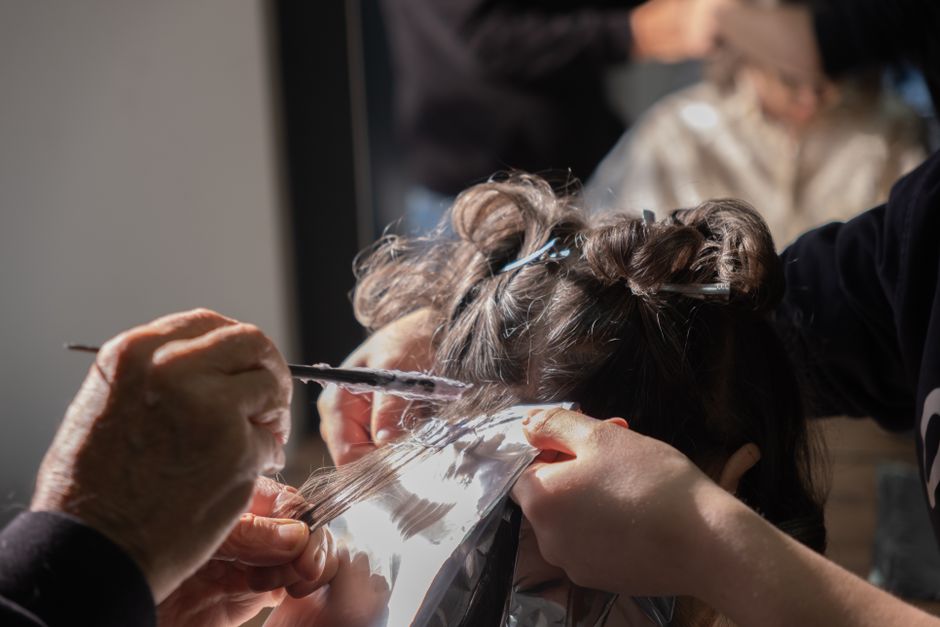
Preparation is the difference between healthy, shiny hair and long-term damage.
Clean, Dry & Detangled Hair Only
Always start with completely dry hair. Straightening wet or damp hair can cause internal damage known as “bubble hair,” which weakens strands permanently.
Apply Heat Protectant Properly
A heat protectant forms a barrier between your hair and the heat, reducing moisture loss and breakage. Distribute evenly from mid-length to ends.
Sectioning for Even Heat Distribution
Divide your hair into small sections (1–2 inches). This ensures even heat distribution and reduces the need for multiple passes.
For beginners, tools like the KentDO™ Fast-Heat Curler & Straightener are often used because they allow precise temperature control and smoother glide.

To complement your prep routine, many users also build a complete care system using items from the Skin and Beauty Care Devices collection to maintain hydration and scalp health.
Step-by-Step: How to Use a Hair Straightener Safely
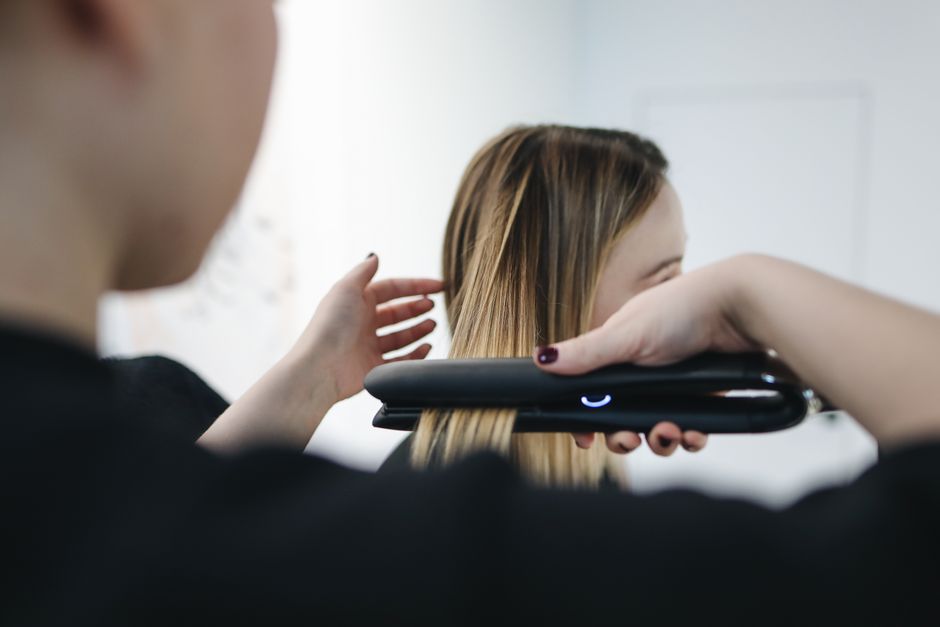
Follow this simple, repeatable method for consistent results:
Step 1: Choose the Right Temperature
Start with the lowest effective temperature based on your hair type (see table below). Fine hair needs less heat than thick or coarse hair.
Step 2: Glide, Don’t Clamp
Clamp gently and glide smoothly down the hair shaft. Avoid stopping in one spot, which can cause heat damage.
Step 3: One-Pass Rule for Damage Prevention
Try to straighten each section in one slow pass. Multiple passes increase damage risk.
Step 4: Finish with Frizz Control & Shine
Use a lightweight serum or oil to seal the cuticle and reduce frizz.
Best Temperature Settings by Hair Type (Quick Reference Table)
Fine, Medium, Thick & Damaged Hair Temperature Guide
| Hair Type | Recommended Temperature | Notes |
| Fine / Thin | 120°C – 160°C | Use minimal heat to prevent breakage |
| Medium | 160°C – 180°C | Balanced heat for styling control |
| Thick / Coarse | 180°C – 210°C | Higher heat needed for effectiveness |
| Damaged / Colored | Below 150°C | Always use heat protectant |
How Hair Porosity Affects Heat Settings
Low-porosity hair resists moisture and heat, requiring slightly higher temperatures. High-porosity hair absorbs heat quickly but is more prone to damage—so use lower settings.
How to Prevent Heat Damage (Pro Techniques)

Healthy hair is the result of consistent habits—not just good tools.
Why Heat Protectant Is Non-Negotiable
Skipping heat protectant is the fastest way to damage your hair. It reduces moisture loss and protects the cuticle from extreme temperatures.
Limit Frequency & Use Recovery Treatments
Avoid daily straightening. Instead, use treatments like deep conditioning masks weekly to restore hydration.
Choose the Right Plate Technology
Ceramic and tourmaline plates distribute heat evenly, while ionic technology helps reduce frizz and static.
To support recovery, consider adding tools from the Wellness & Relaxation collection into your routine for overall scalp and hair health.
Common Hair Straightener Mistakes (And How to Fix Them)
Using Too Much Heat
Problem: Dryness and breakage
Fix: Lower the temperature and slow your technique
Straightening Wet or Damp Hair
Problem: Severe internal damage
Fix: Always dry hair completely before styling
Going Over the Same Section Repeatedly
Problem: Heat buildup
Fix: Use proper sectioning and one-pass technique
How to Style More Than Just Straight Hair (Curls & Waves with a Flat Iron)
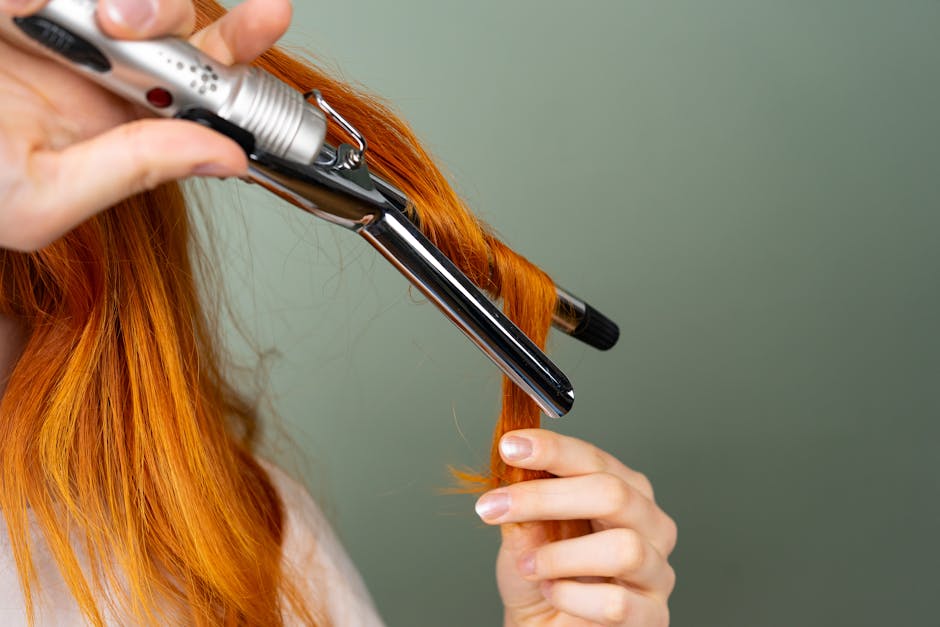
How to Curl Hair with a Straightener
Clamp a section of hair, twist the straightener 180°, and glide downward. The slower you move, the tighter the curl.
How to Create Beach Waves
Alternate the direction of each twist to create natural-looking waves.
Sleek vs Voluminous Straight Styles
For sleek styles, keep hair flat. For volume, lift sections upward while straightening.
Flat Iron vs Hot Air Brush vs Curling Brush: Which Should You Use?

When to Use a Flat Iron
Best for precision straightening and polished styles.
When to Use a Hot Air Brush
Perfect for beginners who want volume and drying in one step.
When to Use a Curling Brush Iron
Ideal for soft curls and salon-style blowouts.
If you're exploring different styling options, browse the Hair Care and Styling Devices collection to compare tools based on your needs.
Building a Complete Hair Care Routine Around Heat Styling
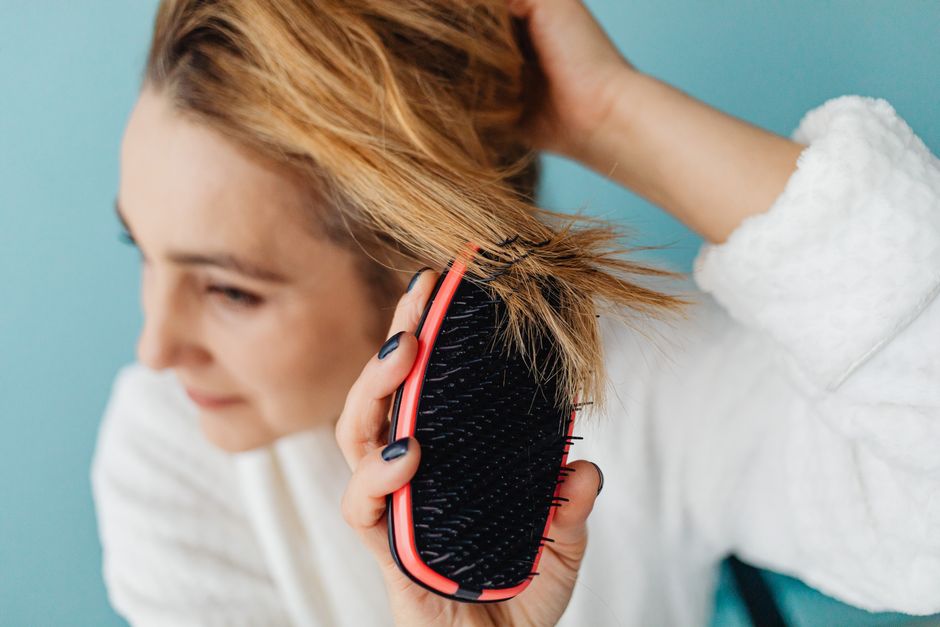
Weekly Repair & Hydration Routine
- Deep condition once a week
- Use hair oils for moisture retention
- Avoid excessive heat styling
Daily Frizz Control & Maintenance
- Use silk pillowcases
- Apply lightweight serums
- Brush gently to avoid breakage
You can also enhance your routine with complementary tools from the Body Care and Health Devices collection to support overall wellness.
Frequently Asked Questions
How to use the hair straightener without damaging hair?
Use the lowest effective temperature, apply heat protectant, and follow the one-pass rule.
What temperature should I use for my hair type?
Fine hair: 120–160°C, medium: 160–180°C, thick: 180–210°C.
Can you curl your hair with a straightener?
Yes. Twist the straightener while gliding down to create curls or waves.
Do I need a heat protectant?
Yes. It is essential for preventing damage and maintaining hair health.
What are the most common mistakes?
Using too much heat, straightening damp hair, and repeating passes on the same section.
Conclusion
Learning how to use the hair straightener properly is about mastering technique, choosing the right temperature, and building a routine that protects your hair long-term. When done correctly, you can achieve salon-quality results at home—without the damage.
For a complete styling setup, explore the Hair Care and Styling Devices collection and build a routine that fits your hair type and goals.
Pillar Article: Hair Care Routine: Build Your Perfect System for Healthy, Frizz-Free Hair













