

Hydrating Serum for Oily Skin: Why Your Routine Is Missing This Step
Oily skin is often misunderstood as “well-hydrated” skin, but dermatology research consistently shows the opposite pattern: excess oil production can actually be a compensation mechanism for dehydration and a weakened skin barrier. When the skin lacks sufficient water content, sebaceous glands often overproduce sebum to protect the surface—leading to a greasy appearance, clogged pores, and persistent breakouts.
This guide breaks down the science behind oil vs dehydration imbalance, explains why hydrating serum for oily skin is essential, and builds a complete routine framework for everyday life, travel, and outdoor environments like hiking, camping, and humid climates. You’ll also learn how to choose ingredients, layer products correctly, and adjust hydration seasonally for long-term skin balance.
Why Oily Skin Still Needs Hydration (Even When It Feels Greasy)

Many people with oily or acne-prone skin skip hydration steps because they fear making their skin “more oily.” In reality, skipping hydration can worsen oiliness by disrupting the skin barrier and increasing transepidermal water loss (TEWL). When water evaporates from the skin too quickly, the body compensates by producing more oil.
The Oil vs Water Imbalance Explained
Healthy skin depends on a balanced ratio of oil (lipids) and water. Oil alone does not equal hydration. Water maintains elasticity, supports enzyme activity, and keeps the barrier flexible. Without it, skin becomes tight underneath oil buildup—creating the paradox of oily yet dehydrated skin.
How Dehydration Triggers More Sebum Production
When hydration levels drop, the skin’s protective response is to increase sebum output. This is especially common in harsh environments such as sun exposure, air conditioning, wind, and cold weather. Over time, this cycle leads to congestion, enlarged pores, and inflammation.
Oil vs Dehydration: The Hidden Imbalance Behind Breakouts

Oily skin is a type of skin condition, while dehydration is a temporary state. You can have both at the same time—and this is the root cause of many persistent acne concerns in adults and teens alike.
What Is Transepidermal Water Loss and Why It Matters
Transepidermal water loss (TEWL) refers to the natural evaporation of water from the skin. When the barrier is compromised by harsh cleansers, over-exfoliation, or environmental stress, TEWL increases dramatically. This leads to dryness beneath surface oil, causing inflammation and breakouts.
Why Acne-Prone Skin Is Often Dehydrated Skin
Acne-prone skin is frequently treated with drying ingredients like salicylic acid or benzoyl peroxide. While effective for bacteria control, they can also strip hydration if not balanced with a hydrating serum for oily skin. This imbalance is why many acne routines fail long-term.
Core Ingredients in Hydrating Serums for Oily and Acne-Prone Skin
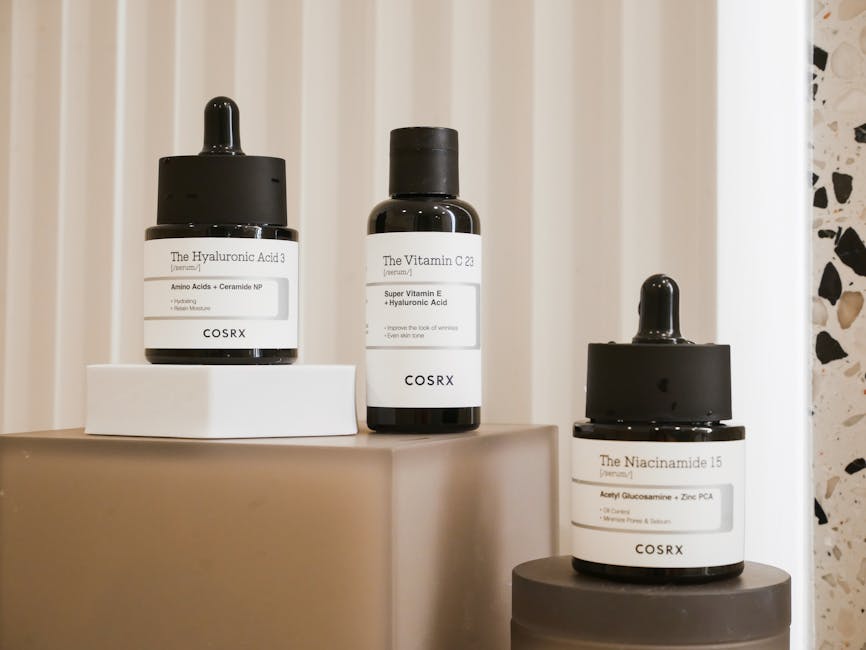
The effectiveness of a hydrating serum depends on its ability to deliver water-binding ingredients without clogging pores. The ideal formulation for oily skin focuses on humectants, lightweight barrier support agents, and non-comedogenic hydration boosters.
Hyaluronic Acid: Deep Hydration Without Oiliness
Hyaluronic acid attracts water molecules into the skin, holding up to 1,000 times its weight in moisture. It delivers plumping hydration without adding oil or heaviness, making it ideal for oily skin types.
Niacinamide: Oil Regulation and Barrier Support
Niacinamide helps regulate sebum production while strengthening the skin barrier. It reduces redness, minimizes pore appearance, and improves overall skin texture.
Glycerin: Lightweight Humectant for Daily Use
Glycerin is one of the most effective yet gentle hydration agents. It draws moisture into the skin while maintaining a breathable, non-greasy finish.
What to Avoid in Oily Skin Serums
Oily skin should avoid heavy occlusives, mineral oil-heavy formulations, and overly rich emollients that can trap sebum and worsen congestion. Fragrance-heavy formulas may also irritate compromised barriers.
How to Layer a Hydrating Serum in an Oily or Combination Skin Routine
Proper layering is essential to ensure hydration penetrates effectively without overwhelming the skin. The correct order maximizes absorption while preventing pilling or excessive shine.
Morning Routine Layering Order
- Gentle cleanser (non-stripping)
- Toner or essence (optional hydration boost)
- Hydrating serum for oily skin
- Lightweight gel moisturizer
- Sunscreen (oil-free recommended)
Night Routine for Barrier Repair
- Double cleanse if needed (especially after sunscreen or makeup)
- Hydrating serum application on damp skin
- Barrier-support moisturizer
- Optional overnight mask 1–3 times weekly
Gel Moisturizer + Lightweight Serums: The Ideal Oily Skin System

Oily skin thrives on hydration layering systems that prioritize water-based moisture and minimal occlusion. Gel moisturizers complement serums by sealing hydration without suffocating pores.
Why Gel Moisturizers Work Better for Oily Skin
Gel formulations are water-rich and lightweight, allowing the skin to breathe while maintaining hydration levels. They prevent dehydration without triggering excess oil production.
How to Prevent Pilling and Overhydration
Apply products in thin layers and allow each step to absorb fully before moving to the next. Overloading the skin with multiple hydrating layers can cause product pilling and imbalance.
Acne-Prone Skin Hydration Routine Framework

Hydration is essential even when using active acne treatments. The goal is not to reduce oil entirely but to maintain barrier integrity while controlling breakouts.
Balancing Actives with Hydration
If using exfoliating acids or retinoids, hydration becomes even more important. A hydrating serum helps reduce irritation and supports skin recovery between treatments.
Repairing the Skin Barrier Without Clogging Pores
Look for lightweight, non-comedogenic hydration products that strengthen the barrier without adding excess oil. Ingredients like panthenol and ceramides are ideal support agents.
Outdoor Skincare Protection: Preventing Water Loss in Heat, Sun, and Pollution

Outdoor environments significantly increase dehydration through sun exposure, wind, sweat, and pollution. These factors accelerate TEWL and destabilize oily skin further.
Why Outdoor Conditions Increase Dehydration
Heat and UV exposure degrade the skin barrier, while wind strips surface moisture. Even humid environments can cause dehydration if the barrier is compromised.
Best Lightweight Hydration Strategy for Travel and Heat
Travel-friendly hydration routines should prioritize quick-absorbing serums, mist rehydration, and gel-based moisturizers that don’t clog pores in hot climates.
For outdoor-focused skincare systems, explore curated solutions in our lifestyle collection and hydration-focused skincare collection, designed for climate-adaptive skin support.
Seasonal Skincare Adjustment Framework for Oily Skin

Skin hydration needs change significantly across seasons. A static routine often leads to imbalance, especially for oily skin types that react strongly to humidity shifts.
Summer: Oil Control + Lightweight Hydration
Focus on gel serums, niacinamide, and oil-free sunscreen to prevent congestion while maintaining hydration balance.
Winter: Barrier Repair Without Heavy Oils
Cold weather increases TEWL, making hydration serums essential. Layering becomes more important than product heaviness.
Humidity Shifts and Routine Adaptation
In humid climates, reduce moisturizer thickness but maintain serum use to prevent internal dehydration beneath surface oiliness.
Decision Tree: Choosing the Right Hydrating Serum for Your Skin Type

Not all hydrating serum for oily skin products are equal. Choosing the right formulation depends on your skin behavior rather than just skin type classification.
| Skin Condition | Recommended Serum Type | Key Ingredients | Avoid |
| Oily but flaky | Barrier-repair hydrating serum | Hyaluronic acid, panthenol | Alcohol-heavy formulas |
| Breakout-prone | Oil-regulating serum | Niacinamide, zinc | Heavy oils, comedogenic esters |
| Combination skin | Balanced lightweight serum | Glycerin, peptides | Overly rich creams |
If Your Skin Is Oily but Flaky
This indicates barrier damage. Focus on hydration-first serums rather than oil-control products alone.
If You Break Out Easily
Choose non-comedogenic, calming serums that reduce inflammation while maintaining hydration.
If You Have Combination Skin
Balance is key—apply hydration evenly but adjust layering in oil-prone zones like the T-zone.
Recommended Lightweight Hydrating Serums for Oily Skin (2026 Guide)
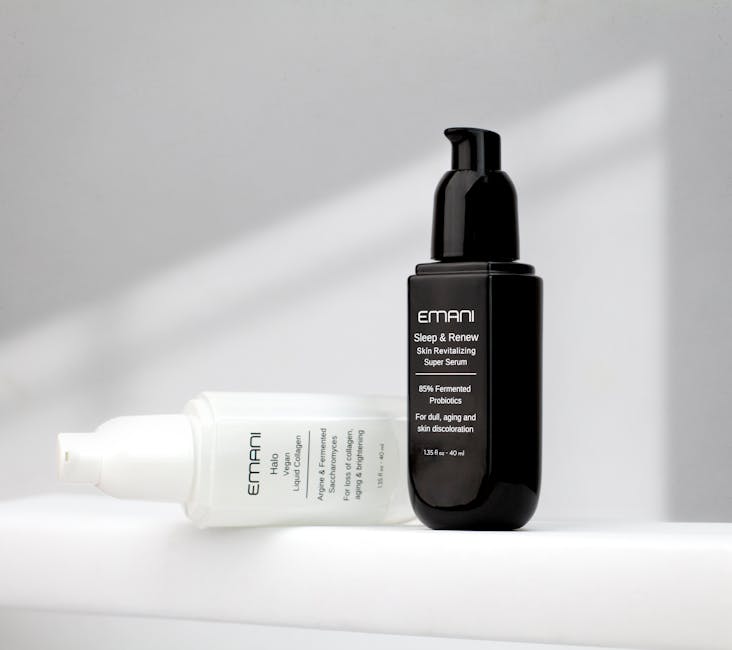
In advanced skincare routines, device-assisted hydration can significantly improve serum absorption and barrier repair. One example is the KentDO™ Hydra Facial Machine, which uses multi-technology infusion to deeply cleanse pores and enhance hydration delivery.
Hydra dermabrasion and oxygen infusion help prepare oily skin to better absorb lightweight hydrating serums for oily skin routines, especially in environments with high pollution or outdoor exposure.
Best Gel-Based Hydration Enhancement System
The KentDO Hydra Facial Machine enhances skin receptivity by removing buildup and improving microcirculation. This allows serums to penetrate more effectively, improving hydration retention.
“Hydration is not about adding more products—it’s about improving how the skin absorbs and retains water at a barrier level.” – Dermatology skincare specialist (clinical consensus summary)
Hydration Mask Support for Intensive Skin Recovery

For deeper recovery, overnight hydration masks can support barrier repair and moisture retention. The KentDO™ Collagen Face Mask delivers intensive hydration and firming support during the skin’s nighttime regeneration cycle.
This type of treatment is especially useful after long outdoor exposure, travel fatigue, or seasonal transitions when skin loses moisture more rapidly.
Comparison Matrix: Hydrating Serums vs Hydration Devices vs Masks

| Category | Primary Function | Best For | Frequency |
| Hydrating serum for oily skin | Daily moisture balance | All oily & combination skin | 1–2x daily |
| Hydration device (facial system) | Deep cleansing + infusion | Congested, dull skin | 1–2x weekly |
| Hydration mask | Intensive moisture repair | Dry, stressed, barrier-damaged skin | 2–3x weekly |
Expert Insight on Oily Skin Hydration
“Oily skin is not the absence of dehydration—it is often a response to it. When we restore water balance first, oil regulation becomes significantly easier.” – Board-certified dermatologist, skincare physiology review
Common Hydration Mistakes in Oily Skin Routines
- Skipping moisturizer entirely due to oiliness
- Using harsh cleansers that strip the barrier
- Over-exfoliating with acids or scrubs
- Relying only on oil-control products without hydration support
FAQ: Hydrating Serum for Oily Skin
Do I need a hydrating serum for oily skin if my face is already greasy?
Yes. Greasy skin often indicates oil imbalance, not hydration. A serum restores water levels without adding heaviness.
What ingredients should I look for in acne-prone skin?
Look for hyaluronic acid, niacinamide, glycerin, and panthenol. Avoid heavy occlusives and irritating alcohols.
Can dehydrated skin cause excess oil and breakouts?
Yes. Dehydration triggers increased sebum production and weakens the barrier, leading to congestion.
How do I layer hydrating serum with moisturizer?
Apply serum first on slightly damp skin, then follow with a lightweight gel moisturizer.
How should I adjust hydration for seasons or outdoor conditions?
Use lighter textures in humidity and reinforce barrier hydration in winter or high-exposure outdoor environments.
Final Hydration Strategy for Oily Skin Balance
Balancing oily skin is not about reducing oil at all costs—it’s about restoring hydration so the skin no longer overcompensates. A consistent routine built around a hydrating serum for oily skin, combined with seasonal adjustments and barrier support, leads to clearer, calmer, and more stable skin over time.
Explore more structured routines and skin solutions in our skin and beauty care devices collection, body care and health devices collection, and body & face skincare blog for deeper guidance on building a complete hydration system.
Pillar Article: Best Skincare for Hydration: The Ultimate Camping & Hiking Survival Routine













