

Lower Back Exercises for Pain Relief + Heat Therapy Recovery Guide
Lower back discomfort is one of the most common physical complaints among adults, especially for people who spend long hours sitting at a desk, driving, or working in static positions. That dull ache after standing up, the stiffness when bending forward, or the tight pull across the lumbar area can quickly interfere with daily life. The encouraging part is that many cases of mild to moderate lower back pain improve significantly with consistent movement, targeted exercises, posture correction, and supportive recovery habits like heat therapy.
This guide brings together evidence-informed lower back exercises, mobility routines, and recovery strategies designed to reduce tension, improve flexibility, and support long-term spinal health. It also explains how heat therapy can be safely integrated into your routine to enhance muscle relaxation and recovery.
Why Lower Back Pain Happens

The lower back, also known as the lumbar spine, carries much of the body’s weight and absorbs stress from movement, posture, and daily activities. When the supporting muscles become weak, tight, or imbalanced, the lumbar region becomes overloaded, resulting in discomfort or pain.
How the Lumbar Spine Supports Daily Movement
The lumbar spine consists of five vertebrae (L1–L5) that form a flexible yet strong structure. These vertebrae are supported by discs, ligaments, and muscles including the erector spinae and deep core stabilizers. Together, they allow bending, twisting, lifting, and walking. However, prolonged sitting or poor posture reduces blood flow and places continuous pressure on these structures, leading to stiffness and reduced mobility.
When spinal alignment is compromised, surrounding muscles overcompensate, creating tension that often feels like a “tight band” across the lower back.
Common Causes of Lower Back Pain at Home and Work
Lower back pain rarely comes from a single cause. Instead, it usually develops gradually from a combination of lifestyle habits:
- Prolonged sitting with poor posture
- Weak core and glute muscles
- Tight hip flexors from inactivity
- Improper lifting techniques
- Stress-related muscle tension
- Lack of regular movement breaks
Office workers are especially prone to “sitting-induced stiffness,” where spinal compression builds throughout the day. Over time, this can reduce mobility and increase chronic discomfort if not addressed early.
Explore supportive recovery tools in the Warmth & Heat Therapy collection designed to ease muscle tension and improve circulation.
When Lower Back Pain May Involve the Sciatic Nerve or Herniated Disc
Some lower back pain may extend into the hips or legs, often associated with irritation of the sciatic nerve. In more serious cases, such as a herniated disc, pain may be sharp, radiating, or accompanied by numbness or weakness.
While exercise is beneficial for most mild cases, persistent or severe symptoms should be evaluated by a healthcare professional before starting any routine.
What Are the Best Lower Back Exercises for Pain Relief at Home?
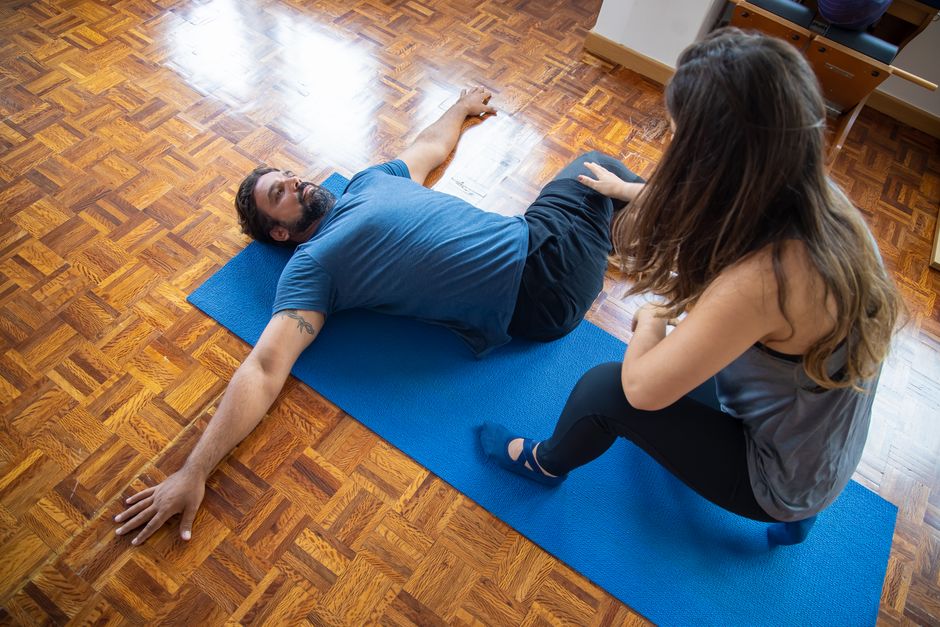
Lower back exercises focus on restoring mobility, improving spinal alignment, and strengthening supportive muscles. The goal is not intensity but consistency and controlled movement.
Quick List of Beginner-Friendly Back Pain Relief Exercises
- Knee-to-chest stretch to release lumbar tension
- Cat-cow movement for spinal mobility
- Child’s pose for gentle decompression
- Bird-dog for core stabilization
- Glute bridges for posterior chain strength
- Seated hamstring stretch for posture balance
These movements help restore flexibility while reducing stiffness caused by inactivity or poor posture.
How to Exercise Safely Without Making Pain Worse
Safety is essential when working with lower back discomfort. The key is controlled motion, not force. Movements should feel mild and relieving, not painful.
- Move slowly and avoid bouncing stretches
- Keep breathing steady throughout exercises
- Stop if sharp pain occurs
- Start with short sessions (10–15 minutes)
- Increase duration gradually over time
Consistency is more important than intensity. Even light daily movement can significantly reduce stiffness within a few weeks.
Beginner Lower Back Stretches for Daily Pain Relief

Stretching improves flexibility, reduces muscle tightness, and supports spinal decompression. These beginner-friendly movements are often recommended for daily use.
Knee-to-Chest Stretch
This stretch gently elongates the lumbar spine and reduces tension in the lower back muscles.
- Lie on your back
- Bring one knee toward your chest
- Hold for 20–30 seconds
- Switch sides
Cat-Cow Stretch for Spinal Mobility
This yoga-inspired movement improves spinal flexibility and circulation.
- Start on hands and knees
- Inhale while arching the back (cow)
- Exhale while rounding the spine (cat)
- Repeat 8–10 times
Child's Pose for Gentle Decompression
Child’s pose allows the spine to relax and decompress naturally.
- Kneel and sit back on heels
- Extend arms forward
- Rest forehead on the ground
- Hold for 30–60 seconds
Piriformis Stretch for Sciatic Nerve Irritation
This stretch targets deep glute muscles that can compress the sciatic nerve.
- Lie on your back
- Cross one ankle over opposite knee
- Pull thigh gently toward chest
Seated Hamstring Stretch for Sitting-Induced Tightness
Tight hamstrings often contribute to lower back strain. This stretch helps restore balance.
- Sit with one leg extended
- Reach toward toes with a straight back
- Hold for 20–30 seconds per side
Core Stabilization Exercises That Support the Lower Back

A strong core acts as a natural support system for the lumbar spine. Weak abdominal and glute muscles force the lower back to absorb more stress than it should.
Why Core Stabilization Matters for Back Pain Relief
Core stability reduces excessive spinal movement and distributes load more evenly across the body. This decreases pressure on the lumbar region and improves posture during daily activities such as sitting, walking, and lifting.
Pelvic Tilts
Pelvic tilts activate deep core muscles and improve spinal awareness.
- Lie on your back with knees bent
- Tilt pelvis upward slightly
- Hold for 5 seconds and release
- Repeat 10–15 times
Bird-Dog Exercise
This exercise improves balance and strengthens spinal stabilizers.
- Start on hands and knees
- Extend opposite arm and leg
- Hold for 5 seconds
- Switch sides
Glute Bridges
Glute bridges strengthen the posterior chain, reducing strain on the lower back.
- Lie on your back
- Lift hips upward
- Engage glutes at the top
- Lower slowly and repeat
Modified Planks for Lower Back Stability
Planks build endurance in core muscles while supporting spinal alignment. Beginners can start with knee-supported versions.
“Consistent low-load core training is one of the most effective long-term strategies for reducing mechanical lower back pain and improving functional stability.” — Licensed physiotherapy specialist
Best Daily Routine for Lower Back Pain Relief
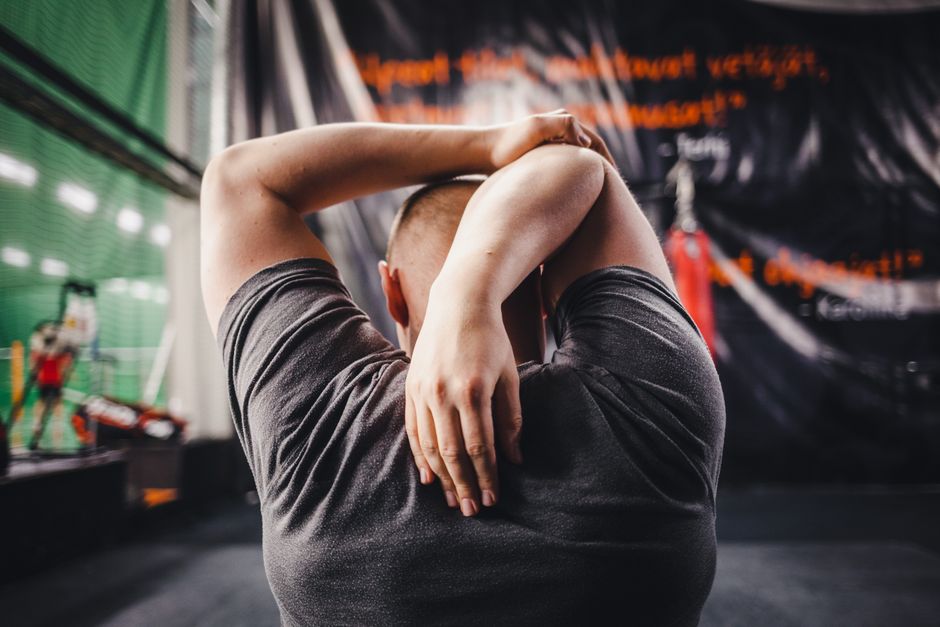
A structured daily routine helps prevent stiffness, improve circulation, and maintain spinal mobility. The goal is to integrate movement into everyday life rather than relying on occasional exercise sessions.
Morning Mobility Routine
- Gentle cat-cow stretches
- Knee-to-chest holds
- Short walking session
This helps reduce overnight stiffness and prepares the spine for the day ahead.
Midday Sitting Break Routine
- Stand and stretch every 45–60 minutes
- Perform seated hamstring stretch
- Walk for 2–5 minutes
Explore ergonomic support tools in the Lifestyle collection to improve daily posture habits.
Evening Recovery and Stretching Routine
- Child’s pose for relaxation
- Glute bridges for muscle activation
- Gentle spinal rotation stretches
How Often Should You Do Lower Back Exercises?
For most individuals, gentle mobility exercises can be performed daily, while strengthening exercises such as glute bridges or planks are best done 3–4 times per week. Consistency matters more than intensity, especially during early recovery stages.
Heat Therapy for Lower Back Pain Relief

Heat therapy is widely used to relieve muscle tension, improve blood circulation, and reduce stiffness in the lower back. When applied correctly, it can significantly enhance recovery after exercise or long periods of sitting.
How Heat Therapy Helps Tight Lower Back Muscles
Heat increases blood flow to the affected area, which helps relax tight muscles and improve oxygen delivery. This reduces stiffness and promotes faster recovery after physical activity. Heat also helps calm pain signals by reducing muscle spasms and encouraging relaxation.
When to Use Heat vs Cold Therapy for Back Pain
- Heat therapy: best for chronic stiffness, muscle tightness, and long-term discomfort
- Cold therapy: best for acute injuries or sudden inflammation
Heat therapy is generally more effective for desk-related or posture-related lower back pain.
Best Heat Therapy Options for Home Recovery
One of the most effective tools for at-home recovery is a controlled heating pad designed for consistent warmth and comfort.

Electric Heating Pad with 10 Heat Levels for Fast Relief provides customizable warmth that helps relax tight muscles in the lower back, abdomen, and legs. Its adjustable temperature settings allow users to tailor heat intensity depending on comfort level and pain severity.
View more supportive recovery tools in the Wellness & Relaxation collection and Foot & Body Comfort collection for complete home recovery setups.
Safe Heat Therapy Usage Guidelines
- Use heat for 15–20 minutes per session
- Avoid applying heat directly on skin without protection
- Do not use heat on swollen or acute injuries
- Take breaks between sessions
Used correctly, heat therapy is a safe and effective addition to lower back recovery routines.
Posture Ergonomics and Sitting Habits That Reduce Back Pain

Posture plays a major role in lower back health. Poor sitting habits place continuous strain on spinal structures and surrounding muscles, often leading to chronic discomfort over time.
What Causes Lower Back Pain From Sitting All Day?
Extended sitting reduces blood flow to spinal muscles and places pressure on lumbar discs. Over time, this leads to muscle tightness, weak core activation, and reduced spinal support.
Desk Setup Tips for Better Spinal Alignment
- Keep feet flat on the floor
- Maintain neutral spine position
- Position screen at eye level
- Use lumbar support if needed
Simple Movement Habits That Prevent Stiffness
- Stand every 30–60 minutes
- Walk short distances regularly
- Stretch hips and hamstrings during breaks
For long-term spinal support, tools like the Body Care and Health Devices collection can help integrate ergonomic support into daily routines.
Another effective recovery tool is spinal decompression equipment designed for posture correction and lumbar relief.

KentDO™ Lumbar Spine Stretcher – Back & Neck Relief helps gently decompress the spine and encourages better posture alignment. Regular use supports mobility, reduces stiffness, and helps counteract the effects of long sitting hours.
When to See a Doctor or Physiotherapy Specialist

While many cases of lower back pain improve with exercise and posture correction, certain symptoms require professional evaluation.
Symptoms That Require Professional Evaluation
- Severe or worsening pain over time
- Numbness or tingling in legs
- Loss of strength or mobility
- Pain following injury or trauma
How Physiotherapy Supports Long-Term Recovery
Physiotherapy focuses on restoring movement patterns, strengthening weak muscles, and improving posture mechanics. A structured rehabilitation plan often leads to better long-term outcomes than rest alone.
Medications and Other Pain Relief Options
In some cases, over-the-counter anti-inflammatory medications may be used temporarily under guidance. However, they should complement—not replace—movement-based recovery strategies.
Common Mistakes That Can Make Lower Back Pain Worse

Overstretching Tight Muscles
Forcing deep stretches can irritate already sensitive muscles. Gentle progression is more effective than aggressive stretching.
Ignoring Recovery and Muscle Fatigue
Muscles need recovery time after activity. Integrating rest and heat therapy helps prevent overuse strain.
Poor Form During Core Exercises
Incorrect technique during core training can shift stress to the lower back instead of strengthening it. Focus on slow, controlled movement rather than repetition speed.
Frequently Asked Questions (FAQ)
What are the best lower back exercises for pain relief at home?
Gentle stretches like knee-to-chest, cat-cow, and child’s pose combined with strengthening exercises like glute bridges and bird-dog movements are highly effective.
How often should I do lower back stretches for pain relief?
Most people benefit from daily stretching, especially if they have sedentary lifestyles or desk jobs.
Is heat therapy effective for lower back pain relief?
Yes, heat therapy helps relax tight muscles, improve circulation, and reduce stiffness, making it especially effective for chronic or posture-related pain.
What causes lower back pain from sitting all day?
Prolonged sitting reduces circulation, weakens core muscles, and increases pressure on spinal discs, leading to stiffness and discomfort.
When should I use heat or cold therapy for back pain?
Use heat for stiffness and chronic tension, and cold therapy for acute injuries or swelling.
Can walking help relieve lower back pain?
Yes, walking improves circulation, supports spinal mobility, and reduces stiffness caused by inactivity.
What exercises should I avoid with lower back pain?
Avoid high-impact movements, heavy lifting, and deep forward bends during acute pain episodes.
How long does it take for lower back exercises to work?
Many people notice improvement within 2–4 weeks of consistent practice, depending on severity and lifestyle factors.
Can heat therapy help sciatic nerve pain?
Yes, heat can reduce surrounding muscle tension that contributes to sciatic nerve irritation, although severe cases should be evaluated by a professional.
Should I stretch my lower back every day?
Yes, gentle daily stretching helps maintain flexibility and reduces stiffness caused by inactivity.
Conclusion
Lower back pain is often the result of modern lifestyle patterns such as prolonged sitting, poor posture, and lack of movement. The good news is that consistent, gentle exercises combined with smart recovery habits can significantly improve comfort and mobility over time.
By incorporating stretching, core strengthening, posture awareness, and supportive heat therapy, most individuals can build a sustainable routine that reduces pain and prevents recurrence. The key is consistency, not intensity.
Small daily actions—standing more often, stretching regularly, and supporting recovery—create long-term improvements in spinal health and overall well-being.
Pillar Article: Heat Therapy for Pain Relief: Neck, Back & Joint Recovery Guide













