

Massage Tension Relief: The Complete At-Home Routine for Stress, Tight Muscles & Better Sleep
Modern stress, long desk hours, intense workouts, and constant screen time can leave the body locked in a cycle of tension and fatigue. While professional spa treatments can help, many people now prefer structured at-home massage routines that fit into everyday life. With the right combination of self-massage techniques, recovery tools, mindfulness habits, and relaxation rituals, it’s possible to reduce muscle tightness, improve sleep quality, and create a calming home wellness system without expensive appointments.
Many people build their routines around simple recovery habits combined with tools from the Body Care and Health Devices collection or calming essentials from the Wellness & Relaxation collection to create a more consistent stress relief routine at home.
Why Tension Builds Up in the Body — And Why Home Massage Works

Muscle tension develops when the body remains in prolonged states of stress, poor posture, repetitive movement, or inactivity. Tight muscles reduce circulation, increase stiffness, and often contribute to headaches, poor sleep, and mental fatigue. Home massage routines work by stimulating blood flow, reducing muscle guarding, and activating the nervous system’s relaxation response.
The Connection Between Stress, Muscle Tightness, and Sleep
Stress activates the sympathetic nervous system, commonly called the “fight-or-flight” response. When stress remains elevated for long periods, muscles stay partially contracted. This is especially common in the neck, shoulders, jaw, hips, and lower back.
Over time, chronic tightness may contribute to:
- Tension headaches
- Reduced mobility
- Poor sleep quality
- Jaw clenching
- Fatigue and burnout
- Postural imbalance
Massage routines help interrupt this cycle by encouraging muscle relaxation and calming the nervous system before bedtime or after stressful periods.
How Deep Tissue Massage and Trigger Point Therapy Relieve Tension
Deep tissue massage focuses on releasing adhesions and tight muscle fibers through sustained pressure. Trigger point therapy targets specific knots that refer pain into surrounding areas.
For example:
- Tight upper traps may trigger neck stiffness and headaches
- Hip tension may contribute to lower back discomfort
- Jaw tension may increase facial pressure and stress symptoms
Foam rolling, massage balls, heated massage tools, and manual pressure techniques all support this recovery process at home.
Benefits of Consistent At-Home Muscle Recovery Routines
Consistency matters more than intensity. A short daily recovery session often provides more lasting relief than occasional aggressive massage.
Benefits may include:
- Improved circulation
- Reduced stress hormones
- Better flexibility and mobility
- Improved sleep patterns
- Faster post-workout recovery
- Enhanced mental relaxation
People who combine massage routines with hydration and skincare rituals often explore additional wellness support through the Skincare & Hydration collection for a more complete self-care routine.
The Home Tension Diagnosis Quiz: Identify Your Stress Pattern
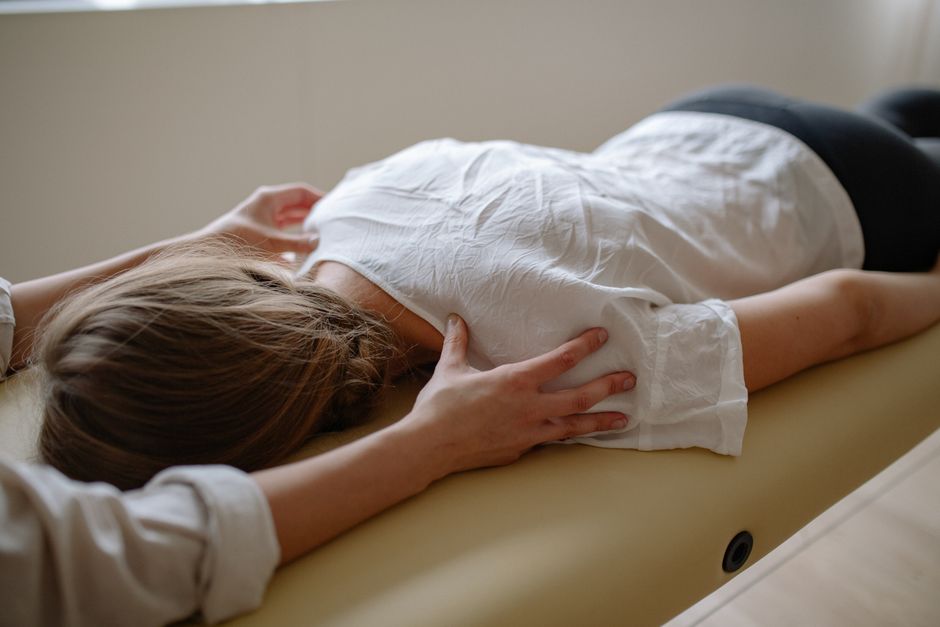
Different tension patterns require different recovery methods. Understanding where your body holds stress helps you choose better massage techniques and routines.
Neck and Shoulder Tension From Screens and Desk Work
You may experience this pattern if you:
- Work at a computer for long hours
- Feel stiffness near the shoulders
- Frequently stretch your neck
- Develop tension headaches
Best solutions often include posture correction, heat therapy, shoulder massage, and gentle mobility work.
Lower Back Tightness From Sitting or Exercise
Common symptoms include:
- Stiff hips
- Difficulty standing after sitting
- Tight hamstrings
- Lower back soreness after workouts
Foam rolling, glute release exercises, and hip mobility work usually help relieve these symptoms.
Scalp, Jaw, and Head Tension From Stress
Stress frequently accumulates in the scalp and jaw muscles. Signs include:
- Jaw clenching
- Temple pressure
- Difficulty relaxing before sleep
- Sensitive scalp areas
Gentle scalp massage and breathing exercises can help reduce nervous system overload.
Full-Body Fatigue and Nervous System Overload
This pattern often appears during burnout or prolonged stress periods.
Symptoms may include:
- Heavy limbs
- Poor sleep
- Low energy
- Generalized soreness
- Mental exhaustion
Recovery usually requires a combination of massage, mindfulness, hydration, and relaxation habits.
Many people combine their recovery sessions with calming routines from the Lifestyle collection and educational guides available through the Beauty & Self-Care Blog.
Best Massage Tools for Home Tension Relief

The right massage tool depends on your tension type, pain tolerance, and recovery goals. Some tools provide deep muscle stimulation, while others focus on calming the nervous system and improving circulation.
Massage Gun vs Foam Roller: Which Is Better for Tight Muscles?
| Tool | Best For | Pros | Cons |
| Massage Gun | Targeted muscle relief | Fast relief, deep percussion | Can feel intense for beginners |
| Foam Roller | Large muscle groups | Affordable and versatile | Requires body positioning |
| Massage Ball | Trigger points | Excellent for knots | Small coverage area |
| Heated Massager | Stress relaxation | Comforting warmth | Less targeted pressure |
Massage guns work best for athletes and deep muscle tension, while foam rollers are ideal for full-body mobility and beginner recovery routines.
How a Scalp Massage Comb Helps Reduce Stress and Improve Relaxation
Scalp massage stimulates circulation while reducing tension in the small muscles surrounding the head and jaw. Gentle stimulation may also help improve relaxation before sleep.
Some people include an electric scalp massage device as part of their nighttime wind-down ritual.
Electric Head Massager with Heat for Deep Scalp Relaxation

The combination of heat and rhythmic pressure can help create a calming sensory experience during evening self-care routines.
Manual Massage Rollers for Trigger Point Therapy
Manual massage rollers provide more control over pressure levels and are especially useful for calves, forearms, shoulders, and the lower back.
They work best when combined with slow breathing and gentle stretching rather than aggressive pressure.
When to Use Heated Massage Tools for Deep Relaxation
Heat therapy helps increase circulation and soften tight muscle tissue. Heated tools are particularly useful for:
- Desk-related neck stiffness
- Cold-weather muscle tightness
- Stress-induced shoulder tension
- Pre-sleep relaxation
People interested in warming recovery routines often explore the Warmth & Heat Therapy collection for additional relaxation tools.
Comparison Table: Best Home Massage Tools by Pain Point
| Pain Point | Best Tool | Recommended Technique | Session Length |
| Neck tension | Heated neck massager | Slow circular pressure | 10-15 minutes |
| Lower back tightness | Foam roller | Rolling and hip mobility | 10 minutes |
| Scalp stress | Scalp massager | Light rhythmic massage | 5-10 minutes |
| Post-workout soreness | Massage gun | Percussion therapy | 2 minutes per muscle |
| Foot fatigue | Massage pads | Pressure point stimulation | 15 minutes |
How to Use Massage Tools Safely at Home
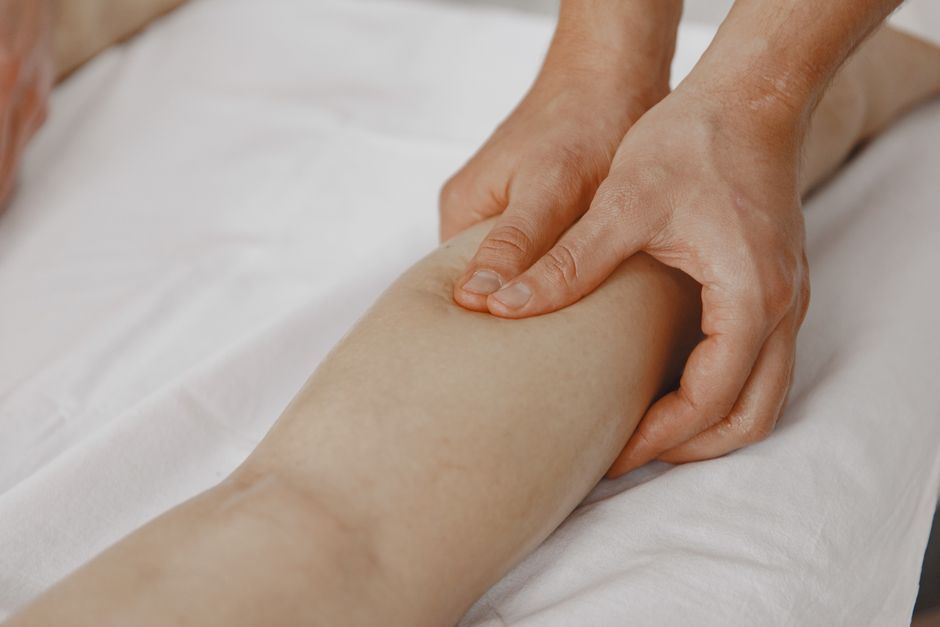
Massage tools can support recovery when used correctly, but excessive pressure or improper technique may increase soreness or irritation.
Common Self-Massage Mistakes That Can Increase Muscle Soreness
- Applying excessive pressure too quickly
- Using massage guns directly on joints
- Ignoring sharp pain signals
- Holding breath during pressure work
- Skipping hydration after massage
The goal is gentle muscle release, not aggressive pain tolerance.
How Long You Should Use a Massage Gun Per Muscle Group
Most muscle groups only require 1-2 minutes of focused percussion. Longer sessions can irritate already sensitive tissues.
Recommended approach:
- Large muscles: 90 seconds
- Smaller muscles: 30-60 seconds
- Sensitive areas: light pressure only
Pressure Levels for Sensitive Areas Like the Neck and Scalp
The neck and scalp contain delicate structures and nerves. Use lighter pressure and slower movements in these areas.
If discomfort increases after treatment, reduce pressure during future sessions.
Who Should Avoid Certain Deep Tissue Massage Techniques
People with recent injuries, severe inflammation, fractures, circulatory disorders, or medical conditions should consult a healthcare professional before beginning deep tissue routines.
Technique + Tool Pairing: The Best Combination for Every Tension Type
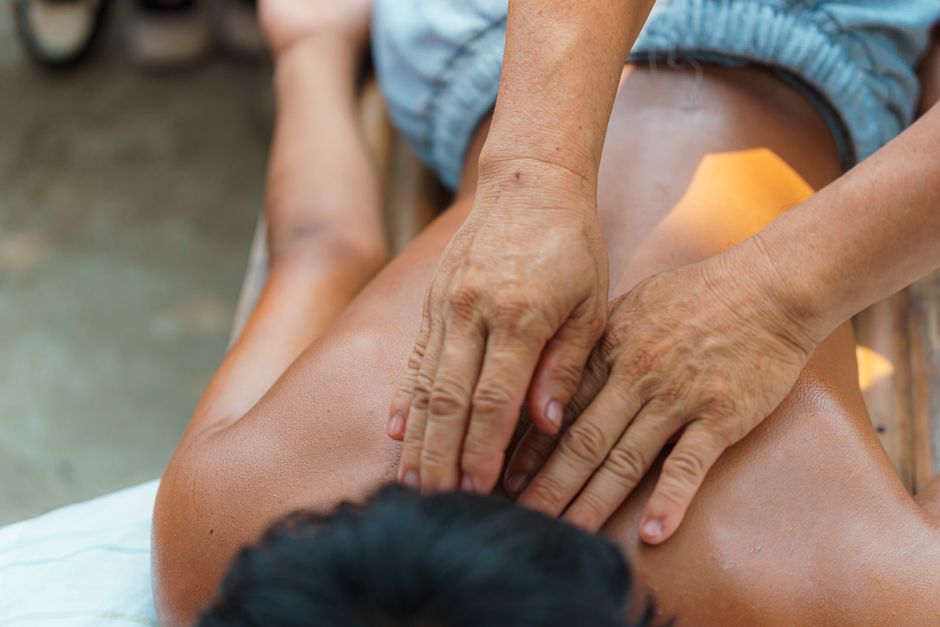
The most effective home massage systems combine targeted techniques with the right recovery tools.
Neck and Shoulder Relief Routine
Start with heat therapy for 5 minutes to relax muscle tissue. Then perform slow shoulder rolls and gentle neck stretches before using a massage tool.
KentDO™ Neck & Shoulder Massager – Hot Compress Relief

This type of heated kneading massage can help loosen tight muscles after long desk hours or stressful days.
Lower Back and Hip Recovery Routine
Use a foam roller across the glutes, hips, and hamstrings for 30-60 seconds per area. Follow with cat-cow stretches and hip openers.
Avoid rolling directly over the spine.
Scalp and Jaw Relaxation Routine
Place fingertips near the temples and gently massage in circular motions while breathing slowly. Finish with light scalp stimulation for several minutes.
This routine is especially helpful before meditation or bedtime.
Post-Workout Muscle Recovery Routine
Combine dynamic stretching, hydration, and percussion therapy after intense exercise.
Ideal recovery sequence:
- Light walking
- Hydration
- Foam rolling
- Targeted massage gun use
- Gentle stretching
Lymphatic Drainage Techniques for Relaxation and Puffiness
Lymphatic drainage uses extremely light pressure to encourage fluid movement and relaxation. The technique works best around the face, neck, and legs.
People exploring facial relaxation and recovery routines often browse the Skin and Beauty Care Devices collection for complementary wellness tools.
The Best Time-Based Massage Routines for Busy Schedules

Consistency becomes easier when routines match real schedules and energy levels.
5-Minute Desk Reset for Midday Stress
- Neck rolls
- Shoulder shrugs
- Forearm massage
- Chest opener stretch
- Deep breathing
This short reset can reduce posture-related tightness during workdays.
10-Minute Evening Wind-Down Routine
- Warm shower
- Scalp massage
- Shoulder release work
- Breathing exercises
- Low lighting and calming music
Combining relaxation massage with skincare habits can create stronger nighttime recovery rituals.
20-Minute Full Home Spa Routine for Weekend Recovery
A complete home spa routine may include:
- Dry brushing
- Warm bath with essential oils
- Foam rolling
- Scalp massage
- Hydrating skincare
- Guided meditation
Many people enhance these routines with comfort products from the Foot & Body Comfort collection.
Pre-Sleep Massage Routine for Better Sleep Quality
Focus on calming the nervous system rather than deep tissue intensity before bed.
Best practices include:
- Warm lighting
- Slow breathing
- Gentle scalp massage
- Lavender aromatherapy
- Reduced screen exposure
How to Build a Complete Home Relaxation Ritual
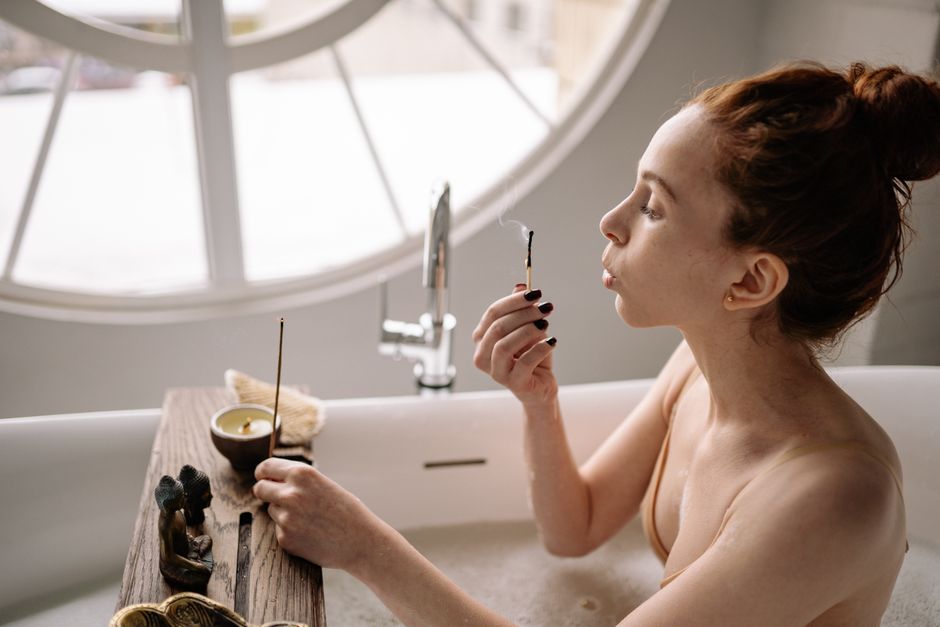
The best long-term wellness systems combine massage with other calming habits that support recovery and stress reduction.
Pairing Essential Oils With Massage for Stress Relief
Essential oils may help create stronger sensory relaxation during massage sessions.
Popular options include:
- Lavender for sleep support
- Peppermint for cooling relief
- Eucalyptus for refreshing recovery
- Chamomile for calming routines
Use diluted oils carefully and avoid applying undiluted essential oils directly to sensitive skin.
Adding Guided Meditation and Mindfulness Meditation to Recovery Sessions
Mindfulness meditation complements massage by helping calm racing thoughts and improve body awareness.
Simple breathing practices during massage sessions may:
- Reduce stress levels
- Improve relaxation response
- Support better sleep
- Increase recovery consistency
Combining Scalp Care and Facial Relaxation Techniques
Jaw tension and scalp tightness often develop together during stressful periods. Gentle facial massage, scalp stimulation, and hydration routines can help reduce this buildup.
Some people combine massage routines with products from the Hair Care and Styling Devices collection to support scalp care and relaxation habits.
Creating a Weekly Home Spa Routine That Replaces Spa Visits
A weekly recovery ritual may include:
| Step | Activity | Estimated Time |
| 1 | Warm shower or bath | 10 minutes |
| 2 | Dry brushing or exfoliation | 5 minutes |
| 3 | Massage therapy session | 15 minutes |
| 4 | Skincare and hydration | 10 minutes |
| 5 | Meditation or stretching | 10 minutes |
“The most sustainable recovery routines are the ones people can realistically repeat several times each week. Small consistent rituals often outperform occasional intensive treatments.”
How Often Should You Do Massage Tension Relief Routines at Home?
Frequency depends on activity levels, stress exposure, and individual recovery needs.
Daily vs Weekly Self-Massage Frequency
Gentle relaxation massage can usually be done daily, while deep tissue sessions should remain more moderate.
| Massage Type | Recommended Frequency |
| Scalp massage | Daily |
| Light stretching and rolling | Daily |
| Deep tissue percussion | 2-4 times weekly |
| Extended recovery routine | 1-2 times weekly |
Signs You May Need More Recovery Time
If soreness increases after massage, the body may need additional recovery.
Warning signs include:
- Persistent pain
- Bruising
- Extreme fatigue
- Joint irritation
- Inflammation
Recovery should leave muscles feeling looser and more relaxed, not heavily aggravated.
How to Track Muscle Recovery and Stress Levels
Simple wellness tracking can help identify patterns in stress and recovery.
Useful tracking categories include:
- Sleep quality
- Daily stress level
- Muscle soreness
- Hydration habits
- Exercise intensity
- Energy levels
Frequently Asked Questions
What are the best massage tools for home tension relief?
The best tools depend on your goals. Foam rollers help with mobility, massage guns target muscle soreness, and scalp massagers support relaxation and stress relief.
How do you use massage tools safely at home?
Use moderate pressure, avoid injured areas, stay hydrated, and limit deep tissue tools to short sessions per muscle group.
Can scalp massage help reduce stress and tension?
Yes. Scalp massage may improve circulation, relax facial muscles, and calm the nervous system, especially before bedtime.
What is the best nighttime self-care routine for relaxation?
A calming routine often includes warm lighting, gentle massage, hydration, aromatherapy, mindfulness meditation, and reduced screen exposure.
How often should you do massage tension relief routines at home?
Light massage and stretching can be done daily, while deeper recovery sessions are typically best several times weekly.
Is a massage gun or foam roller better for muscle recovery?
Massage guns provide targeted percussion for tight muscles, while foam rollers are better for larger muscle groups and mobility work.
What are the benefits of trigger point therapy at home?
Trigger point therapy may reduce muscle knots, improve mobility, and decrease localized tension when performed gently and consistently.
Can essential oils improve massage relaxation routines?
Many people find that essential oils enhance relaxation and help create a calming atmosphere during massage sessions.
How long should an at-home massage session last?
Most effective home massage sessions range from 10-20 minutes depending on intensity and recovery goals.
What is the best home spa routine for stress management?
A balanced home spa routine often combines massage, heat therapy, mindfulness meditation, aromatherapy, skincare, and gentle stretching.
Conclusion
At-home massage tension relief routines can become one of the most effective long-term habits for reducing stress, improving sleep quality, and supporting muscle recovery. The key is consistency, personalization, and balance. By matching specific tension patterns with appropriate techniques, relaxation tools, mobility work, and mindfulness practices, it’s possible to create a sustainable wellness ritual that supports both physical and mental recovery.
For readers looking to expand their self-care system, the Body & Face Blog and Gifts & Accessories collection offer additional inspiration for building a relaxing and restorative home spa environment.
Pillar Article: Spa Products for Home: Build the Ultimate Self-Care Routine













