

The Complete Mouth Hygiene Routine for Healthy Teeth & Gums (2026 Guide)
A consistent mouth hygiene routine is one of the most powerful daily habits for preventing plaque buildup, gum disease, bad breath, and long-term dental costs. Yet most people still rely on an incomplete or inconsistent approach—brushing quickly in the morning, skipping flossing, or ignoring gum care until discomfort appears.
This guide breaks down a complete, dentist-informed mouth hygiene routine into simple, actionable steps you can follow every day. Whether you are a beginner building habits or someone refining your oral care system, you’ll learn exactly how to structure morning and nighttime routines, how modern tools improve cleaning efficiency, and how to maintain fresh breath and healthy gums long term.
The goal is not perfection—it is consistency. With the right sequence and tools, oral hygiene becomes easier, faster, and significantly more effective.
What Is a Complete Mouth Hygiene Routine?

A complete mouth hygiene routine is a structured set of daily habits designed to remove plaque, control bacteria, protect enamel, and maintain gum health. Unlike basic brushing, a full routine targets all areas of the mouth including between teeth, along the gumline, and the tongue surface.
Modern dental care emphasizes a systems-based approach rather than a single action. This includes mechanical cleaning (brushing and flossing), bacterial disruption (water flossing and mouthwash), and maintenance habits (hydration and diet control).
Why Mouth Hygiene Is More Than Just Brushing
Brushing alone removes only surface-level plaque. However, most harmful bacteria live in interdental spaces and along the gumline. Over time, these bacteria form a sticky biofilm that contributes to gingivitis, cavities, and bad breath.
Flossing or water flossing helps remove trapped food particles, while tongue cleaning reduces odor-causing bacteria. Mouthwash can further reduce bacterial load, but it works best as a supplement—not a replacement—for mechanical cleaning.
The Core Goals of an Effective Daily Oral Care Routine
- Reduce plaque buildup before it hardens into tartar
- Prevent gum inflammation and bleeding
- Maintain strong enamel and reduce sensitivity
- Control bad breath (halitosis)
- Support long-term tooth stability and oral comfort
How Modern Oral Hygiene Has Changed in 2026
Oral care in 2026 is more efficient and technology-driven. Electric toothbrushes now offer precision cleaning modes, water flossers improve interdental cleaning without discomfort, and portable devices make hygiene more accessible during travel.
Many users also adopt simplified routines using smart timers and pressure sensors to avoid over-brushing—one of the most common causes of enamel wear.
The Ideal Daily Mouth Hygiene Routine Step by Step

This is the core routine that provides the highest impact on plaque control and gum health. Following this sequence consistently is more important than the specific products used.
Step 1: Floss or Water Floss Before Brushing
Interdental cleaning should be done first because it loosens debris and disrupts plaque buildup before brushing. This improves fluoride access during brushing and increases overall cleaning efficiency.
Water flossing is especially useful for sensitive gums or users with braces, as it reduces mechanical irritation while still removing debris effectively.
Step 2: Brush With Fluoride Toothpaste for Two Minutes
Brushing should last at least two minutes, covering all quadrants of the mouth. Use a soft-bristle brush and maintain a 45-degree angle toward the gumline. Apply gentle pressure—more force does not mean better cleaning.
Electric toothbrushes help standardize timing and pressure, making them especially useful for beginners or inconsistent brushers.
Step 3: Clean the Tongue to Reduce Bad Breath
The tongue holds a large amount of odor-causing bacteria. Cleaning it daily significantly reduces halitosis and improves overall mouth freshness.
Step 4: Use Mouthwash Correctly
Mouthwash should be used after brushing and flossing, not before. Alcohol-free formulas are generally preferred for daily use, while medicated rinses may be prescribed for gum issues.
Step 5: Hydrate and Protect Your Mouth Throughout the Day
Saliva plays a major role in neutralizing acids and cleaning the mouth naturally. Drinking water regularly, reducing sugar intake, and avoiding constant snacking help maintain a healthier oral environment.
Morning vs Night Mouth Hygiene Routine

Morning and nighttime routines serve different purposes. Morning care focuses on freshness and bacterial reduction, while nighttime care is the most critical for long-term oral health protection.
The Best Morning Mouth Hygiene Sequence
In the morning, bacteria accumulated overnight should be removed before eating. Many dental professionals recommend brushing before breakfast to reduce bacterial ingestion, especially if morning breath is a concern.
The Most Important Nighttime Oral Care Habits
Nighttime is when saliva production decreases, allowing bacteria to multiply more easily. This makes evening cleaning the most important part of your entire routine. Skipping nighttime flossing or brushing significantly increases cavity risk.
Should You Brush After Every Meal?
Brushing immediately after acidic meals is not always recommended. It is better to wait 20–30 minutes to avoid enamel abrasion while saliva naturally neutralizes acids.
| Situation | Recommended Action |
| After sugary foods | Rinse with water, wait before brushing |
| After acidic drinks | Wait 20–30 minutes before brushing |
| After normal meals | Brush or rinse depending on schedule |
Best Oral Hygiene Tools for Daily Use

Modern oral care tools significantly improve cleaning efficiency and consistency. Choosing the right tools can simplify your routine and improve long-term results. Explore more dental wellness tools in our Oral Care Devices collection.
Electric Toothbrush vs Manual Toothbrush
Electric toothbrushes provide consistent motion, timing control, and improved plaque removal compared to manual brushing. Manual brushes still work well, but require better technique and discipline.
For beginners, electric models reduce user error and improve overall brushing consistency.
Featured Electric Toothbrush for Daily Use
A modern example of improved brushing efficiency is the KentDO electric brush designed for deep cleaning and gum care.

KentDO Electric Toothbrush offers multiple cleaning modes including gentle care for sensitive gums and deep cleaning for plaque removal. Its built-in timer helps users maintain the recommended two-minute brushing duration, which is essential for consistent results.
Many users integrate electric brushing into broader routines found in the Body Care and Health Devices collection for a complete wellness approach.
When a Water Flosser Is Worth Using
Water flossers are highly effective for users with braces, gum sensitivity, or difficulty using traditional floss. They use pressurized water to remove debris and reduce bacteria along the gumline.
Portable Water Flosser for Daily Hygiene

KentDO Portable Water Flosser provides multiple cleaning modes and a compact design ideal for travel or daily use. It helps flush out food particles and reduces plaque accumulation in hard-to-reach areas.
It is often paired with devices from the Oral Care Devices collection for a more complete cleaning system.
Do Tongue Scrapers Actually Work?
Yes—tongue scrapers reduce bacterial buildup responsible for bad breath. They are more effective than brushing the tongue alone because they physically remove biofilm instead of spreading it.
Choosing the Right Mouthwash for Your Needs
Mouthwash should be chosen based on your goals: fresh breath, cavity prevention, or gum support. Alcohol-free daily formulas are best for long-term use, while medicated rinses should be used under dental guidance.
Common Mouth Hygiene Mistakes That Damage Teeth and Gums

Even with good intentions, small mistakes can reduce the effectiveness of your routine.
- Brushing too hard and wearing down enamel
- Skipping flossing for long periods
- Using mouthwash immediately after brushing toothpaste
- Not replacing brush heads regularly
- Ignoring early gum bleeding signs
Expert Insight
“Most oral health issues don’t come from lack of brushing, but from inconsistent technique and skipping interdental cleaning.” — Dental Hygiene Research Summary, 2026
Mouth Hygiene Routine for Sensitive Teeth and Gums
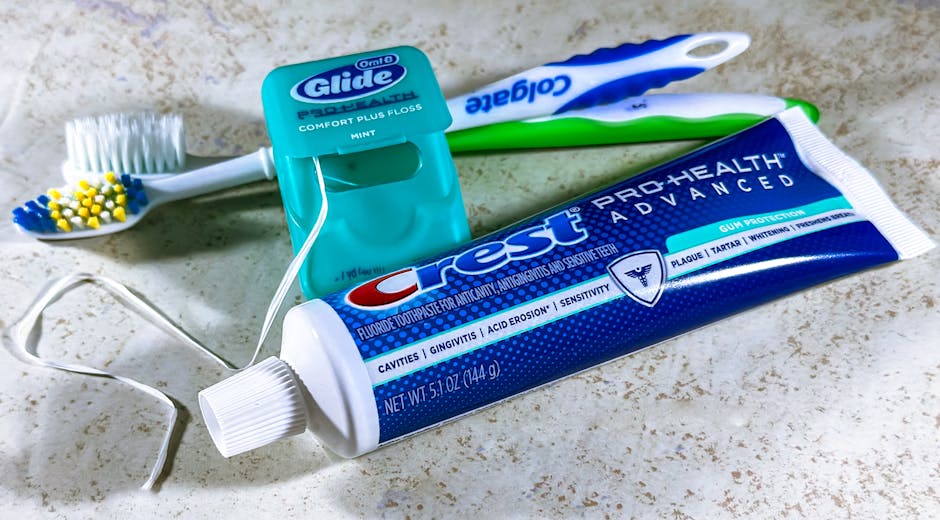
Sensitivity requires a gentler, more controlled routine. The goal is to reduce irritation while still maintaining plaque control.
Why Teeth Become Sensitive
Common causes include enamel erosion, gum recession, aggressive brushing, and whitening overuse. Sensitivity-safe routines focus on protection rather than aggressive cleaning.
Safe Brushing Techniques for Sensitive Mouths
Use soft bristles, reduced pressure, and gentle circular motions. Electric brushes with sensitive modes are especially helpful for controlling force.
Best Sensitivity-Friendly Approach
Combine gentle brushing with water flossing and fluoride toothpaste designed for sensitivity. Avoid overly abrasive whitening products during recovery periods.
How to Naturally Reduce Bad Breath Throughout the Day

Bad breath is primarily caused by bacteria, dry mouth, and trapped food particles.
- Stay hydrated throughout the day
- Clean your tongue daily
- Reduce sugar and frequent snacking
- Maintain consistent flossing habits
Persistent bad breath may indicate underlying gum disease or dental infection, requiring professional evaluation.
Travel and On-the-Go Mouth Hygiene Tips

Maintaining oral hygiene while traveling requires compact, reliable tools and simplified routines. Explore travel-ready essentials in the Lifestyle collection.
Portable Oral Care Essentials for Travel
Travel-friendly electric toothbrushes and compact flossing tools help maintain consistency away from home. Lightweight devices ensure you never skip essential care steps.
Emergency Cleanliness Strategies
When brushing is not possible, rinsing with water, chewing sugar-free gum, or using portable floss tools can temporarily reduce plaque buildup and odor.
How Long It Takes to Improve Your Oral Health

Improvements in oral health often appear within the first week of consistent care.
- Reduced bad breath within 2–3 days
- Less gum bleeding within 1–2 weeks
- Improved tooth smoothness within a week
Long-term improvements depend on consistency rather than intensity.
FAQ
What is the ideal daily mouth hygiene routine for beginners?
A simple sequence: floss or water floss, brush for two minutes, clean tongue, and rinse with mouthwash.
How often should I brush and floss?
Brush twice daily and floss at least once daily for optimal plaque control.
Is electric toothbrush better than manual?
Yes, for most users it improves consistency, pressure control, and plaque removal efficiency.
Can water flossers replace floss?
They are highly effective but work best as a supplement rather than a full replacement.
What causes bleeding gums?
Most often, plaque buildup and early gingivitis from inconsistent cleaning habits.
How long should I wait after eating to brush?
Wait 20–30 minutes after acidic foods or drinks.
Conclusion
A strong mouth hygiene routine is built on consistency, correct sequencing, and the right tools—not complexity. When you combine proper brushing, interdental cleaning, and daily maintenance habits, oral health becomes significantly easier to manage.
The goal is simple: protect your teeth and gums every day with a routine you can actually sustain long term.
Pillar Article: Oral Hygiene Routines: Beginner-to-Pro Daily Dental Guide













