

Muscle Recovery Devices: Best Massage Guns, Stimulators & Recovery Tools for 2026
Muscle recovery has become one of the most important parts of modern fitness. Athletes, runners, office workers, and everyday gym users are realizing that training harder without recovering smarter often leads to fatigue, stiffness, soreness, and stalled performance. Today’s best muscle recovery devices help improve circulation, reduce tension, support mobility, and make post-workout recovery more effective when combined with hydration, sleep, stretching, and proper nutrition.
Instead of relying on a single recovery gadget, many active adults now build complete recovery systems that combine massage therapy, foam rolling, heat therapy, mobility work, compression tools, and nervous system recovery strategies. You can also explore broader wellness solutions in the Body Care and Health Devices collection or discover relaxation-focused tools inside the Wellness & Relaxation collection for recovery support at home.
What Are Muscle Recovery Devices and How Do They Work?

Muscle recovery devices are tools designed to help the body recover after physical activity by improving circulation, reducing muscle tightness, enhancing mobility, lowering soreness perception, and supporting nervous system recovery. Different devices use different mechanisms including percussive therapy, electrical stimulation, compression, heat, cold exposure, and fascia release techniques.
The Science Behind Muscle Recovery and Sports Recovery
Exercise creates microscopic stress inside muscle tissue. This is a normal and beneficial process that eventually leads to adaptation and strength improvements. However, the body requires adequate recovery time to repair tissue, replenish energy stores, regulate inflammation, and restore nervous system balance.
Delayed onset muscle soreness, commonly called DOMS, typically appears 24 to 72 hours after intense exercise. Recovery devices help manage this process by increasing local blood flow, improving tissue mobility, and decreasing muscular tension. Many recovery strategies also help activate the parasympathetic nervous system, which supports relaxation and recovery.
Sleep quality, hydration, electrolyte balance, mobility work, and nutrition still form the foundation of recovery. Devices should support these fundamentals rather than replace them. Readers looking for holistic wellness routines often pair recovery protocols with tools from the Lifestyle collection to support daily stress management and physical comfort.
How Recovery Devices Support Post-Workout Recovery
Percussive massage guns deliver rapid pulses into muscle tissue to help reduce stiffness and improve circulation. Foam rollers use bodyweight pressure to target fascia and trigger points. Compression systems encourage circulation in fatigued limbs, while EMS devices stimulate muscles electrically to encourage contraction and recovery.
Heat therapy increases blood flow and tissue elasticity, making it useful before mobility sessions or during chronic tightness. Cold therapy helps reduce soreness perception and temporary inflammation after intense workouts. Mobility tools such as stretching straps and massage balls improve joint range of motion and tissue flexibility.
Who Benefits Most From Recovery Equipment?
Recovery equipment benefits more than professional athletes. Beginners often experience intense soreness when starting fitness routines, while endurance athletes use recovery tools to manage repetitive stress. Strength athletes rely on massage and mobility devices to maintain movement quality between heavy lifting sessions.
Office workers also benefit from recovery devices because long periods of sitting contribute to hip tightness, neck tension, and poor circulation. Older adults frequently use low-impact recovery tools to maintain mobility and reduce stiffness. Individuals recovering from physically demanding workdays may also find value in heat therapy and massage routines.
The Main Types of Muscle Recovery Devices Explained

Understanding the main categories of muscle recovery devices makes it easier to build a recovery system that matches your training style, fitness level, and recovery needs.
Massage Guns and Percussive Therapy Devices
Massage guns use rapid percussion to target muscle tissue. Important features include amplitude, speed settings, stall force, battery life, and attachment variety. Higher amplitude devices typically penetrate deeper into muscle tissue, while adjustable speeds allow gentler or more aggressive treatment.
A portable recovery device like the KentDO™ Whole Body Mini Massager can help users target post-workout tightness after training sessions or long workdays.

Massage guns are especially useful for large muscle groups like the quadriceps, glutes, calves, and upper back. They are popular among runners, CrossFit athletes, weightlifters, and individuals with sedentary lifestyles.
Electrical Muscle Stimulation Devices (EMS and TENS)
Electrical muscle stimulation devices use electrical impulses to create muscular contractions or nerve stimulation. EMS focuses on muscle activation and recovery, while TENS targets pain relief by stimulating sensory nerves.
Many advanced recovery devices now combine multiple stimulation modes for broader applications including recovery support, pain management, and circulation improvement. These systems are commonly used by athletes during rehabilitation and post-training recovery.
Foam Rollers and Fascia Release Tools
Foam rollers help release tension inside fascia and muscle tissue using sustained pressure and bodyweight. High-density rollers create deeper pressure while softer rollers are often more comfortable for beginners.
Foam rolling improves movement quality, mobility, and tissue elasticity. It is especially effective when paired with dynamic stretching routines and hydration protocols. Many athletes combine rolling sessions with products from the Foot & Body Comfort collection to support full-body relaxation after training.
Compression Boots and Circulation Recovery Systems
Compression recovery systems use sequential pressure chambers to improve circulation and reduce the sensation of leg fatigue. Endurance athletes commonly use compression boots after long-distance runs, cycling sessions, or tournaments.
Compression sleeves and socks can also help maintain circulation during travel, long workdays, or recovery periods between workouts.
Cold Therapy, Heat Therapy, and Contrast Recovery Tools
Cold therapy can temporarily reduce discomfort and soreness after intense training. Heat therapy supports tissue elasticity and circulation. Contrast therapy alternates hot and cold exposure to stimulate circulation changes.
People dealing with stiffness or chronic muscular tightness often benefit from exploring the Warmth & Heat Therapy collection to support recovery sessions at home.
Mobility and Stretching Recovery Equipment
Stretching straps, resistance bands, massage balls, and mobility sticks improve flexibility and movement quality. These tools are highly effective for beginners because they support long-term joint health and movement efficiency.
Mobility training often works best when paired with recovery-focused stretching routines and proper hydration strategies.
Best Muscle Recovery Devices by Recovery Goal
The best muscle recovery devices depend on your primary goal, training intensity, and recovery challenges.
Best Recovery Devices for Sore Muscles
Foam rollers and massage guns are among the most effective tools for reducing muscle tightness after heavy workouts. They help improve circulation and temporarily reduce soreness perception.
For users dealing with chronic soreness or recurring muscular tension, electrical stimulation devices can provide additional recovery support between training sessions.
Best Deep Tissue Massage Tools for Athletes
Competitive athletes often benefit from higher-powered percussive devices with adjustable speed ranges and multiple attachments. Deep tissue massage tools help maintain tissue quality and improve recovery between demanding training sessions.
Trigger point attachments are especially useful for dense muscle groups such as glutes, calves, and upper back regions.
Best Recovery Tools for Mobility Training
Mobility-focused recovery systems usually include foam rollers, stretching straps, resistance bands, and massage balls. These tools improve movement efficiency and help reduce compensatory movement patterns caused by stiffness.
Combining mobility work with hydration and proper sleep significantly improves recovery quality.
Best Home Recovery Equipment for Beginners
Beginners should prioritize simple recovery tools before investing in advanced systems. Foam rollers, massage balls, and lightweight massage devices offer a strong starting point.
Users who want a more advanced recovery setup may explore the Electric Muscle Stimulator for Pain Relief & Muscle Recovery as part of a balanced home recovery system.

This type of device combines multiple stimulation modes that support recovery, circulation, and muscular relaxation after exercise.
Best Recovery Devices for Runners and Endurance Athletes
Runners frequently deal with calf tightness, hip stiffness, and repetitive lower-body fatigue. Compression systems, massage guns, and foam rollers are especially useful for endurance athletes.
Cold therapy protocols and mobility sessions can also help improve recovery between high-volume training days.
Best Recovery Tools for Strength Training and Bodybuilding
Strength athletes benefit from deeper tissue recovery tools that target dense muscle groups and improve circulation after heavy lifting sessions. Percussive therapy devices and fascia release tools are particularly popular among bodybuilders.
Nutrition, hydration, and adequate sleep remain essential for muscular repair. Many lifters also incorporate stress-management routines using products from the Wellness & Relaxation collection to improve overall recovery quality.
How to Build a Complete Muscle Recovery System

The most effective recovery systems combine multiple recovery strategies rather than depending on a single device.
The 4-Step Post-Workout Recovery Flow
- Hydrate immediately after training to restore fluid balance and support circulation.
- Perform light mobility or stretching exercises within the first hour after exercise.
- Use massage tools, foam rollers, or compression devices to reduce tightness.
- Prioritize sleep quality and nutrition to support muscular repair overnight.
People building long-term wellness routines often browse educational content from the Body & Face Blog for additional recovery and self-care guidance.
Recovery Timing Chart: What to Use Immediately, Hours Later, and Next Day
| Recovery Timing | Recommended Tools | Main Goal |
| Immediately After Workout | Hydration, stretching, foam rolling | Reduce stiffness and restore movement |
| 2–6 Hours Later | Massage gun, EMS, heat therapy | Promote circulation and relaxation |
| Next Day | Mobility work, walking, compression | Encourage active recovery |
Sample Beginner Recovery Routine
A beginner-friendly recovery routine may include five minutes of stretching, ten minutes of foam rolling, proper hydration, and a consistent sleep schedule. Beginners should avoid aggressive recovery sessions that create additional soreness.
Light mobility work combined with balanced nutrition is often more effective than relying entirely on expensive recovery equipment.
Advanced Athlete Recovery Stack
Advanced athletes often combine multiple recovery tools throughout the week including massage guns, compression systems, EMS devices, mobility sessions, sauna exposure, and structured sleep routines.
Athletes under heavy training loads should monitor fatigue levels carefully and schedule recovery days strategically.
How Massage Guns Work for Muscle Recovery
Massage guns have become one of the most popular recovery devices because they provide fast, targeted muscular stimulation.
Percussive Therapy vs Traditional Deep Tissue Massage
Percussive therapy uses rapid repeated pulses to stimulate tissue mechanically. Traditional massage relies on manual pressure and movement patterns from a therapist.
Massage guns are more accessible for daily use and allow users to target specific muscle groups at home. However, they do not fully replace professional manual therapy for injury management or advanced rehabilitation.
How Often Should You Use a Massage Gun?
Most people benefit from short sessions lasting 30 seconds to two minutes per muscle group. Daily use is generally acceptable for healthy individuals when intensity levels remain moderate.
Overusing deep percussive therapy can increase irritation and sensitivity, especially when targeting inflamed areas aggressively.
Best Massage Gun Attachments for Different Muscle Groups
| Attachment Type | Best Use |
| Ball Attachment | Large muscle groups like quads and glutes |
| Flat Head | General muscle recovery |
| Bullet Head | Trigger points and deep tissue areas |
| Fork Attachment | Around spine and Achilles region |
Common Massage Gun Mistakes That Increase Soreness
- Using excessive pressure
- Targeting joints directly
- Applying percussion over acute injuries
- Using high speeds immediately on sensitive tissue
- Skipping hydration and mobility work
Massage devices should complement recovery routines rather than replace active recovery strategies.
Do Electrical Muscle Stimulators Actually Help Recovery?
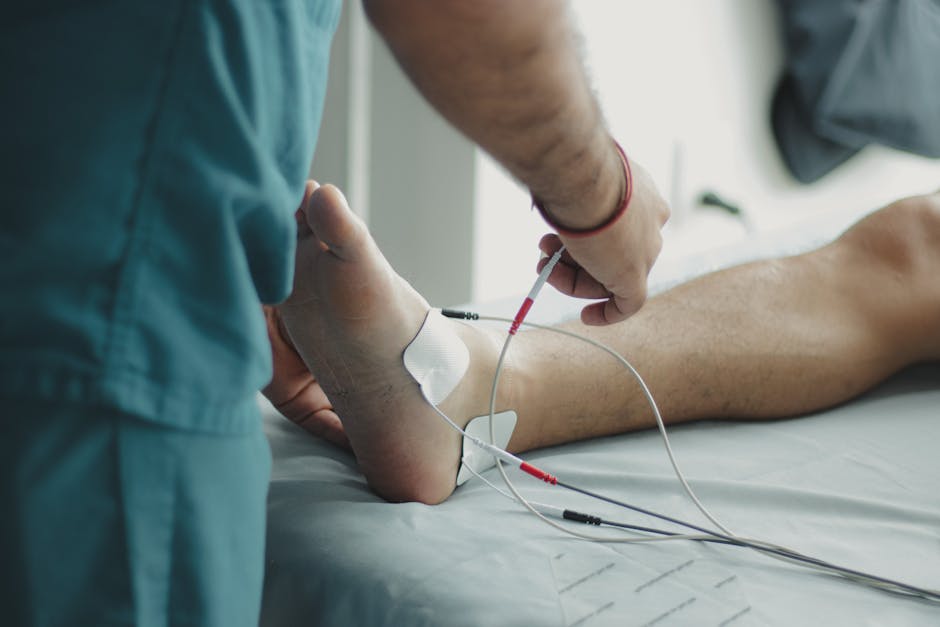
Electrical stimulation devices continue to grow in popularity among athletes and rehabilitation professionals.
EMS vs TENS: Understanding the Difference
EMS devices stimulate muscular contractions to support recovery, circulation, and muscle activation. TENS devices primarily target sensory nerves to reduce discomfort signals.
Some advanced systems combine EMS, TENS, interferential therapy, and additional recovery modes for broader recovery applications.
Research on Electrical Muscle Stimulation for Recovery
Research suggests EMS may help improve circulation and muscular activation during recovery periods. Athletes often use EMS after intense training sessions or during lower-activity recovery days.
Results vary depending on training status, recovery habits, and the quality of the overall recovery program.
Best Situations to Use Recovery Stimulators
- Post-leg-day muscular fatigue
- Recovery between competitions
- Light activation before mobility work
- Reducing muscular tightness after travel
- Supporting rehabilitation under professional guidance
Who Should Avoid EMS Devices?
People with pacemakers, seizure disorders, certain cardiovascular conditions, or pregnancy concerns should speak with a medical professional before using EMS devices.
Electrical stimulation should never be applied near the head, throat, or damaged skin.
Foam Rolling, Fascia Release, and Mobility Recovery
Foam rolling remains one of the most cost-effective and accessible recovery methods available.
What Is Fascia and Why Does It Affect Recovery?
Fascia is connective tissue that surrounds muscles, joints, and organs. Restricted fascia can contribute to stiffness, reduced mobility, and movement discomfort.
Foam rolling and mobility work may help improve tissue hydration and movement quality throughout the body.
Foam Rolling vs Massage Guns: Which Works Better?
Foam rolling provides broad pressure using bodyweight while massage guns offer targeted percussive stimulation. Many athletes use both because they provide different recovery benefits.
| Tool | Primary Benefit | Best For |
| Foam Roller | Broad fascia release | Mobility and flexibility |
| Massage Gun | Targeted stimulation | Localized tightness |
Best Trigger Point Therapy Techniques
Trigger point therapy works best when pressure is applied gradually rather than aggressively. Users should breathe slowly and avoid forcing painful positions.
Combining trigger point therapy with light movement and hydration often produces better long-term mobility improvements.
Mobility Exercises to Pair With Recovery Devices
- World’s greatest stretch
- Hip flexor stretches
- Thoracic spine rotations
- Calf mobility drills
- Shoulder openers
Mobility work becomes even more effective when paired with consistent recovery sleep routines and balanced hydration.
Signs You Need More Recovery and Not More Training

Many active adults mistakenly respond to fatigue by increasing training intensity rather than improving recovery quality.
Symptoms of Poor Recovery and Excessive Muscle Fatigue
- Persistent soreness lasting several days
- Declining workout performance
- Poor sleep quality
- Reduced motivation to train
- Increased irritability and fatigue
- Joint stiffness and reduced mobility
Monitoring these signs can help prevent overtraining and improve long-term consistency.
How Recovery Devices Help Reduce Accumulated Fatigue
Recovery devices support circulation, mobility, relaxation, and tissue quality. They are especially useful during periods of high training volume or elevated life stress.
Many users also integrate calming wellness routines from the Wellness & Relaxation collection to improve nervous system recovery and evening relaxation.
When to Rest Instead of Using More Recovery Tools
Sometimes the best recovery strategy is complete rest. Excessive recovery sessions can irritate already inflamed tissue and increase overall stress load.
If pain becomes sharp, persistent, or associated with swelling, medical evaluation may be appropriate before continuing intense training or recovery protocols.
Muscle Recovery Device Safety Guide
Recovery devices are generally safe when used responsibly, but incorrect usage can increase soreness or irritation.
How Long Should You Use Recovery Devices?
Most recovery sessions should remain relatively short. Foam rolling sessions often last 5 to 15 minutes, while massage gun use usually ranges from 30 seconds to 2 minutes per muscle group.
Longer sessions are not always better and may overstimulate sensitive tissues.
Areas of the Body to Avoid During Percussive Therapy
- Front of the neck
- Bony joints
- Directly over the spine
- Acute injuries or bruises
- Areas with nerve sensitivity
When Recovery Devices Can Make Soreness Worse
Using excessive intensity, applying pressure to inflamed tissue, or performing long aggressive sessions can increase soreness.
Recovery tools should create relief and improved mobility rather than sharp discomfort.
Who Should Talk to a Medical Professional Before Using Recovery Devices?
Individuals with cardiovascular conditions, nerve disorders, clotting issues, recent surgeries, or chronic pain conditions should seek professional guidance before starting advanced recovery therapies.
How to Choose the Best Muscle Recovery Equipment for Home Use
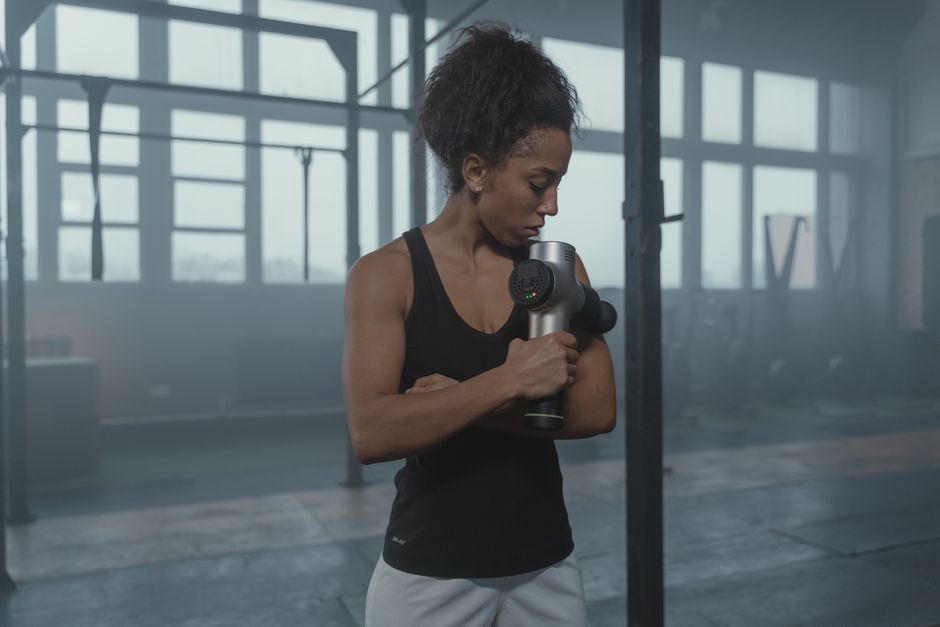
Choosing the right recovery equipment depends on budget, recovery goals, training frequency, and available space.
Essential Features to Compare Before Buying
| Feature | Why It Matters |
| Battery Life | Supports longer recovery sessions |
| Noise Level | Improves usability at home |
| Attachments | Targets different muscle groups |
| Intensity Settings | Allows beginner-friendly progression |
| Portability | Useful for travel and gym use |
Budget vs Premium Recovery Devices
Budget recovery tools often provide enough functionality for beginners. Premium systems may offer quieter motors, stronger power output, more attachments, and longer battery life.
Beginners usually benefit more from consistent recovery habits than from buying the most expensive equipment immediately.
Best Recovery Starter Kits Under Different Budgets
A simple starter recovery setup may include:
- Foam roller
- Massage ball
- Resistance band
- Hydration support tools
- Heat therapy accessory
Users interested in broader wellness and self-care routines can also explore the Skin and Beauty Care Devices collection and the Beauty & Self-Care Blog for holistic recovery and relaxation ideas.
Which Recovery Devices Are Worth Upgrading First?
Massage guns and compression systems are often the first upgrades serious athletes make because they provide fast and convenient recovery support.
However, upgrading sleep quality, hydration habits, and mobility consistency usually provides the greatest overall recovery improvements.
Frequently Asked Questions
What are the best muscle recovery devices for sore muscles?
Massage guns, foam rollers, compression tools, and EMS devices are among the most effective recovery tools for sore muscles. The best option depends on recovery goals, soreness intensity, and training style.
How do muscle recovery massage guns work after workouts?
Massage guns use percussive therapy to stimulate muscle tissue, improve circulation, and temporarily reduce tightness after exercise.
Does electric muscle stimulator work for muscle recovery and pain relief?
Many users report improved circulation, relaxation, and muscular activation from EMS and TENS devices when combined with proper recovery habits.
How often should you use deep tissue massage tools for athletes?
Most athletes benefit from moderate daily use or several sessions per week depending on training intensity and tissue sensitivity.
What muscle recovery equipment is best for home use?
Foam rollers, massage guns, stretching straps, and EMS devices are popular choices for convenient home recovery.
Are massage guns better than foam rollers for muscle recovery?
Neither is universally better. Foam rollers provide broad fascia release while massage guns deliver targeted stimulation. Many athletes use both together.
What recovery tools help improve circulation after workouts?
Compression systems, massage tools, EMS devices, light movement, and hydration all support circulation after exercise.
Can recovery devices help reduce muscle soreness faster?
Recovery devices may help reduce soreness perception and improve mobility, especially when paired with proper hydration, nutrition, and sleep.
What is the safest way to use percussive therapy devices?
Use moderate pressure, avoid bony areas, limit session duration, and stop immediately if pain becomes sharp or uncomfortable.
How do athletes combine multiple recovery tools together?
Many athletes use mobility work immediately after training, massage or compression later in the day, and sleep-focused recovery strategies overnight.
Conclusion
The best muscle recovery devices are not magic solutions on their own. Real recovery comes from combining intelligent training, hydration, mobility work, nutrition, stress management, and high-quality sleep with the right recovery tools.
Massage guns, EMS devices, foam rollers, compression systems, heat therapy, and mobility equipment each serve different roles inside a complete recovery strategy. Whether you are a beginner starting your first fitness routine or an experienced athlete managing heavy training loads, the key is consistency and balance.
To continue building a personalized recovery routine, explore wellness-focused solutions in the Body Care and Health Devices collection and discover additional self-care insights through the Body & Face Blog.
Pillar Article: Muscle Recovery Tools: The Complete System for Faster Recovery & Less Soreness













