

Muscle Soreness Scale: How To Measure Recovery Levels Correctly
Most active adults have experienced the same frustrating situation after a workout: your muscles feel sore, stiff, and heavy, but you are not sure whether that discomfort means progress or a warning sign to slow down. Understanding the difference between healthy post-workout soreness and excessive fatigue is one of the most important parts of long-term fitness recovery. A practical muscle soreness scale helps you measure recovery quality, improve training consistency, and reduce injury risk while building smarter workout habits.
Whether you are starting a new strength program, increasing training intensity, or trying to recover faster after demanding workouts, monitoring soreness can help you make better decisions about stretching, hydration, sleep, active recovery, and workout scheduling. Many people also combine recovery monitoring with tools found in the Body Care and Health Devices collection to support muscle relaxation and recovery tracking routines at home.
What Is Muscle Soreness And Why Does It Happen?
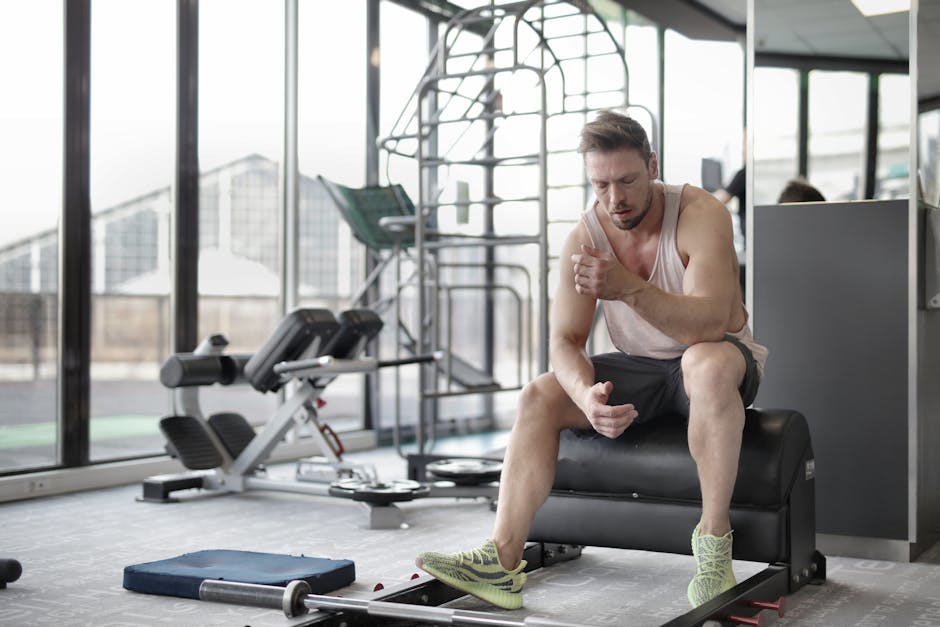
Muscle soreness is a normal biological response to physical stress. During resistance training, running, HIIT workouts, or intense physical activity, microscopic damage occurs within muscle fibers. The body responds through inflammation, tissue repair, and adaptation. This process eventually helps muscles become stronger and more resilient.
The level of soreness you feel depends on workout intensity, recovery habits, training experience, hydration, sleep quality, and nutrition. Mild soreness is often a sign that your body is adapting positively, while excessive soreness may indicate poor recovery or overtraining.
What Is Delayed Onset Muscle Soreness (DOMS)?
Delayed onset muscle soreness, commonly called DOMS, typically develops 12 to 24 hours after exercise and peaks around 24 to 72 hours later. DOMS is especially common after:
- Starting a new workout routine
- Increasing workout volume or intensity
- Performing eccentric exercises like downhill running or slow squats
- Returning to training after a long break
- Trying unfamiliar movement patterns
DOMS usually causes stiffness, tenderness, reduced range of motion, and mild weakness. While uncomfortable, this soreness is generally temporary and improves with recovery-focused habits such as hydration, sleep, mobility work, and light movement.
Difference Between Muscle Soreness And Muscle Injury
Not all pain after exercise is normal soreness. Healthy muscle soreness often feels dull, stiff, or achy across larger muscle groups. Injury-related pain is more likely to feel sharp, sudden, localized, or unstable.
| Normal DOMS | Potential Injury |
| Dull ache or stiffness | Sharp or stabbing pain |
| Develops gradually | Sudden onset during activity |
| Improves with movement | Worsens with movement |
| Symmetrical muscle soreness | Localized swelling or bruising |
| Temporary stiffness | Joint instability or numbness |
If pain includes swelling, severe weakness, numbness, dark urine, bruising, or intense sharp sensations, medical evaluation may be necessary.
How Resistance Training Creates Muscle Fatigue
Strength training places stress on muscles through tension and mechanical load. Tiny microtears form inside muscle tissue, triggering inflammation and recovery signaling. During recovery, muscles repair and adapt to tolerate future stress better.
This process also affects the nervous system, connective tissues, hydration balance, and energy systems. Recovery quality therefore depends on more than just muscle repair alone.
Many athletes support recovery routines with heat therapy, stretching, and wellness devices found in the Warmth & Heat Therapy collection to improve circulation and reduce stiffness after demanding training sessions.
The Muscle Soreness Scale Explained

A muscle soreness scale provides a practical way to evaluate how recovered your body feels before training. Using a simple 0-to-5 system can help you avoid overtraining while improving workout consistency.
| Soreness Level | Description | Recommended Action |
| 0 | No soreness | Train normally |
| 1 | Very mild tightness | Normal workout is safe |
| 2 | Mild soreness during movement | Moderate training acceptable |
| 3 | Noticeable stiffness and reduced performance | Lower intensity or active recovery |
| 4 | Painful movement and heavy fatigue | Recovery-focused day recommended |
| 5 | Severe soreness or possible overtraining | Rest and reassess recovery |
Level 0: Fully Recovered And Ready To Train
At level 0, your body feels refreshed and movement quality is normal. Strength, energy, coordination, and flexibility are stable. This is usually the ideal state for intense training sessions.
Indicators include:
- Normal mobility
- Strong workout motivation
- Good sleep quality
- Stable energy levels
- No lingering tightness
Level 1-2: Mild Productive Soreness
Mild soreness is often part of healthy adaptation. Muscles may feel slightly tight during warmups or movement, but overall function remains good.
Many experienced athletes continue training normally during level 1 or 2 soreness while slightly adjusting intensity, hydration, and cooldown routines.
Helpful recovery strategies include:
- Walking and mobility drills
- Dynamic stretching
- Foam rolling
- Increased protein intake
- Electrolyte hydration
Level 3-4: Moderate Soreness And Reduced Performance
Moderate soreness can significantly reduce movement quality and workout performance. Squats may feel heavy, range of motion may decrease, and motivation often drops.
At this stage, recovery should become the priority. Lower-impact exercise and mobility-focused movement are often more beneficial than intense training.
Signs include:
- Difficulty climbing stairs
- Reduced flexibility
- Persistent fatigue
- Decreased strength output
- Poor workout motivation
Level 5: Severe Soreness And Possible Overtraining
Severe soreness is a warning sign that your recovery systems may be overwhelmed. If soreness continues for several days without improvement, it may indicate overtraining, illness, excessive workout volume, or inadequate recovery habits.
Common symptoms include:
- Extreme fatigue
- Poor sleep quality
- Persistent muscle pain
- Mood changes
- Reduced performance for multiple workouts
- Elevated resting heart rate
Visual Recovery Readiness Checklist
| Recovery Marker | Good Recovery | Poor Recovery |
| Sleep Quality | 7-9 hours restful sleep | Frequent waking or insomnia |
| Energy Levels | Consistent energy | Heavy fatigue |
| Muscle Mobility | Normal movement | Restricted movement |
| Workout Motivation | Motivated to train | Mental burnout |
| Soreness Duration | 24-72 hours | Several days or worsening |
Recovery-focused routines often work best when combined with supportive wellness practices found in the Wellness & Relaxation collection for stress reduction and post-workout recovery support.
How To Measure Muscle Soreness Levels Accurately

Accurately measuring soreness requires more than asking whether muscles hurt. Smart recovery monitoring combines physical movement checks, energy tracking, sleep quality, and workout performance.
Movement Testing Before Your Workout
A quick movement test before training can reveal whether your body is truly ready for intense exercise.
Useful pre-workout movement checks include:
- Bodyweight squats
- Walking lunges
- Arm circles
- Hip hinges
- Shoulder mobility drills
If movement feels stiff, unstable, or unusually painful, recovery may still be incomplete.
Using A Daily Recovery Journal
A recovery journal helps identify patterns that affect soreness and performance. Track the following daily:
- Soreness level
- Sleep hours
- Workout intensity
- Energy levels
- Mood and motivation
- Hydration intake
- Stress levels
Over time, patterns become easier to identify. Many people discover that poor sleep or dehydration predicts higher soreness levels more strongly than workout intensity alone.
People building complete recovery systems often explore additional routines through the Body & Face Blog for wellness and recovery education.
Tracking Heart Rate Variability (HRV)
Heart rate variability measures fluctuations between heartbeats and reflects nervous system recovery status. Lower HRV often signals fatigue, stress, or incomplete recovery.
Many wearable recovery trackers now include:
- Sleep monitoring
- HRV analysis
- Stress tracking
- Recovery scoring
- Resting heart rate monitoring
While not perfect, HRV trends can provide valuable insight into recovery readiness.
Performance Markers That Signal Poor Recovery
Your workouts often reveal recovery problems before soreness becomes severe.
Common performance warning signs include:
- Reduced strength output
- Poor endurance
- Slow warmups
- Loss of motivation
- Coordination issues
- Elevated heart rate during normal exercise
Some athletes also use recovery-support devices like the KentDO™ EMS Muscle Stimulator for Pain Relief & Recovery to support circulation and muscle relaxation after difficult workouts.

Signs Of Overtraining And Poor Recovery

Overtraining occurs when recovery capacity cannot keep up with physical stress. Ignoring recovery signals may lead to chronic fatigue, reduced performance, hormonal disruption, and increased injury risk.
Physical Symptoms Of Overtraining Syndrome
Physical symptoms often appear gradually. Common warning signs include:
- Persistent muscle soreness
- Elevated resting heart rate
- Heavy fatigue
- Reduced exercise performance
- Frequent illness
- Sleep disruption
- Loss of appetite
Recovery becomes much slower once these symptoms accumulate.
Mental And Emotional Recovery Warning Signs
Recovery problems also affect mental performance and emotional well-being.
Common emotional signs include:
- Irritability
- Burnout
- Reduced workout motivation
- Difficulty concentrating
- Mood swings
- Increased stress sensitivity
These symptoms often improve when training volume decreases and recovery habits improve.
When Soreness Becomes A Medical Concern
Seek medical guidance if soreness includes:
- Severe swelling
- Sharp pain
- Dark urine
- Numbness
- Loss of function
- Extreme weakness
- Persistent symptoms lasting beyond one week
These symptoms may indicate serious injury or rhabdomyolysis rather than normal DOMS.
How Long Should Muscle Soreness Last?
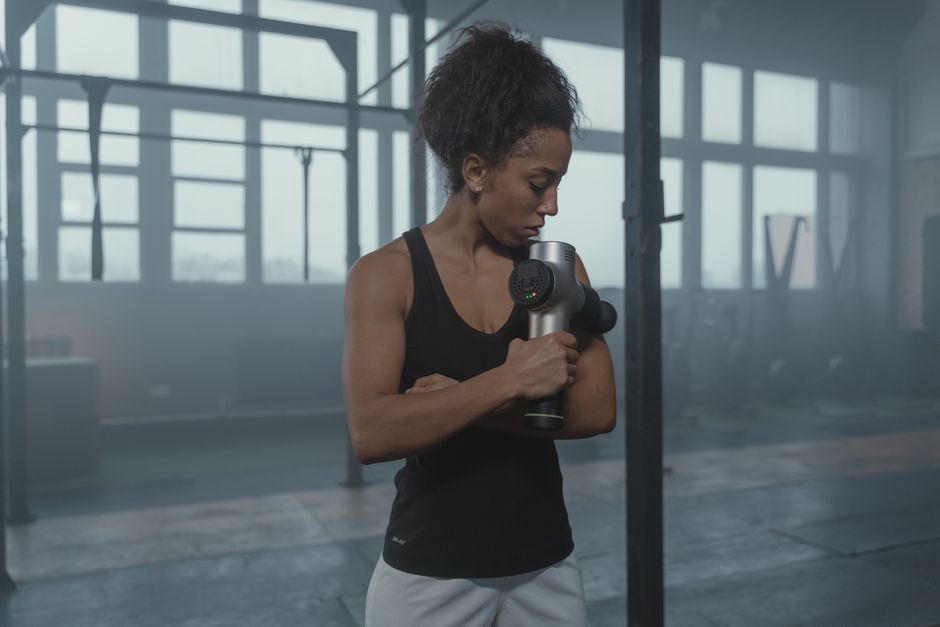
Normal soreness duration depends on workout type, training experience, recovery quality, and workout intensity.
Normal Recovery Timelines After Different Workout Types
| Workout Type | Typical DOMS Duration |
| Beginner strength training | 48-72 hours |
| HIIT workouts | 24-48 hours |
| Long endurance exercise | 24-72 hours |
| Heavy eccentric training | 48-96 hours |
| Light recovery workouts | Minimal soreness |
Factors That Influence Recovery Speed
Recovery speed varies greatly between individuals.
Important recovery factors include:
- Hydration levels
- Protein intake
- Sleep quality
- Age
- Stress management
- Training history
- Workout intensity
Many recovery-focused athletes combine hydration habits with products from the Foot & Body Comfort collection to support relaxation and circulation after long training sessions.
Why Beginners Experience More DOMS
Beginners often experience more severe soreness because their muscles and connective tissues are less adapted to training stress. Fortunately, the repeated bout effect helps reduce future soreness once the body becomes familiar with the exercise pattern.
This means consistent training usually leads to less severe DOMS over time.
Best Recovery Methods For Each Soreness Level
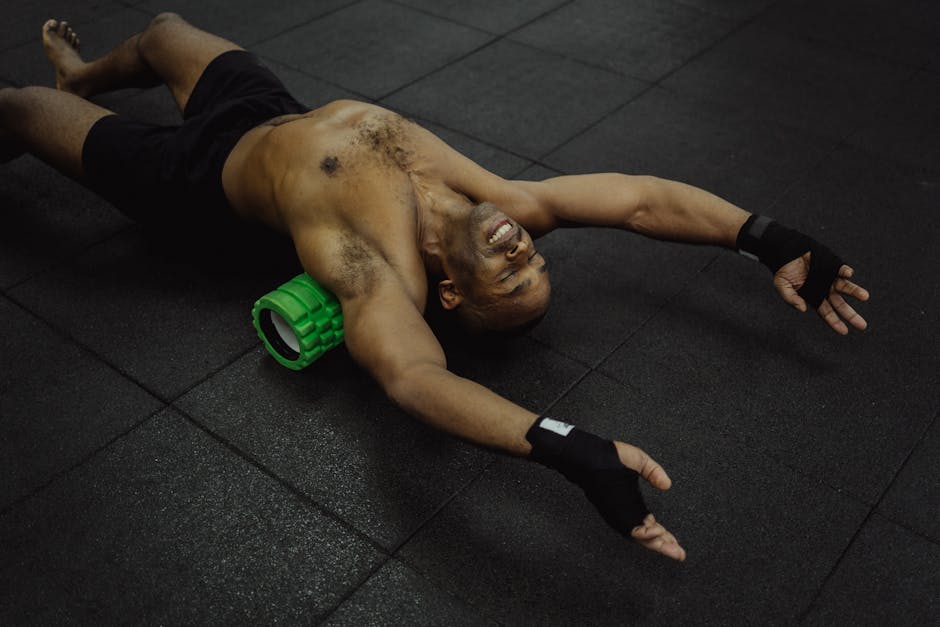
Different recovery methods work better depending on soreness severity. Matching recovery intensity to soreness level helps improve recovery speed without adding unnecessary fatigue.
Active Recovery Strategies That Actually Help
Light movement increases circulation and may reduce stiffness more effectively than complete inactivity.
Helpful active recovery methods include:
- Walking
- Easy cycling
- Mobility routines
- Swimming
- Stretching
- Low-intensity yoga
Active recovery is especially useful for level 1-3 soreness.
How Foam Rolling Supports Sports Recovery
Foam rolling applies pressure to muscle tissue and fascia, potentially improving circulation and temporary mobility. Foam rolling may help reduce muscle tightness and improve movement quality when performed gently.
Beginner foam rolling guidelines:
- Roll slowly
- Avoid excessive pressure
- Focus on large muscle groups
- Breathe steadily
- Limit sessions to 30-90 seconds per area
When To Use A Massage Gun
Massage guns provide percussive therapy that may temporarily reduce stiffness and improve blood flow.
Massage guns work best for:
- Post-workout relaxation
- Warmup preparation
- Mild soreness relief
- Muscle activation
Avoid using high intensity directly over joints, bruises, or sharp pain areas.
Hydration, Electrolytes, And Sleep Recovery
Sleep and hydration are the foundation of muscle recovery.
Important recovery guidelines include:
- Drink water consistently throughout the day
- Replace electrolytes after heavy sweating
- Consume adequate protein intake
- Aim for 7-9 hours of sleep
- Maintain consistent sleep schedules
Recovery quality often improves significantly when hydration and sleep become more consistent.
Stretching Routine Recommendations By Recovery Stage
| Soreness Level | Recommended Stretching Style |
| 0-1 | Dynamic mobility work |
| 2-3 | Light static stretching |
| 4 | Gentle mobility only |
| 5 | Rest and recovery focus |
Some recovery routines also include gentle heat support using products from the Warmth & Heat Therapy collection to improve comfort during recovery-focused days.
Best Tools For Tracking Muscle Fatigue And Recovery

Recovery tracking tools can help athletes and beginners monitor fatigue trends more accurately. The best approach usually combines simple self-assessment with practical recovery habits.
Wearable Recovery Trackers And HRV Devices
Modern recovery wearables track:
- Sleep quality
- Heart rate variability
- Resting heart rate
- Recovery readiness scores
- Daily strain estimates
These tools are useful for identifying recovery trends over time rather than obsessing over daily numbers.
Foam Rollers Vs Massage Guns
| Recovery Tool | Best Use | Advantages | Limitations |
| Foam Roller | Large muscle groups | Affordable and simple | Requires body positioning |
| Massage Gun | Targeted recovery | Quick and convenient | Can be overused aggressively |
Compression Gear And Recovery Accessories
Compression sleeves, socks, and recovery boots may help circulation and comfort after intense exercise. Many athletes use compression gear during travel, long runs, or recovery-focused days.
Recovery accessories can support:
- Reduced swelling sensation
- Improved comfort
- Better circulation support
- Post-workout relaxation
Simple Recovery Tools Beginners Can Start With
Beginners do not need expensive equipment to improve recovery. Simple habits usually matter most.
Helpful beginner recovery tools include:
- Foam rollers
- Mobility bands
- Hydration bottles
- Sleep trackers
- Recovery journals
- Stretching mats
Some active adults also explore devices like the Electric Muscle Stimulator for Pain Relief & Muscle Recovery for post-workout relaxation and circulation support.

Weekly Recovery Monitoring System For Beginners
A structured recovery system helps beginners avoid overtraining while building long-term consistency.
How To Build A Recovery Scorecard
Create a simple 1-to-5 scoring system for:
- Soreness
- Sleep quality
- Energy levels
- Hydration
- Mood
- Workout performance
Tracking these variables weekly helps identify when recovery habits need improvement.
| Recovery Metric | Daily Score Range |
| Soreness | 0-5 |
| Sleep Quality | 1-5 |
| Energy Levels | 1-5 |
| Hydration | 1-5 |
| Workout Motivation | 1-5 |
Sample 7-Day Recovery Tracking Routine
- Rate soreness each morning
- Track sleep duration nightly
- Record workout intensity
- Monitor hydration habits
- Adjust training when fatigue increases
- Include mobility or stretching daily
- Review weekly recovery trends
Educational wellness content in the Beauty & Self-Care Blog can also help beginners build sustainable long-term recovery routines.
When To Reduce Workout Intensity
Reducing workout intensity temporarily is often smarter than forcing performance through severe fatigue.
Consider lowering intensity when:
- Soreness remains severe for several days
- Performance consistently drops
- Sleep quality worsens
- Motivation disappears
- Stress levels increase significantly
Autoregulation helps maintain long-term progress while reducing injury risk.
Common Muscle Recovery Mistakes That Slow Progress

Many recovery problems result from simple habits that gradually accumulate fatigue.
Ignoring Severe Fatigue Signals
Pushing through excessive soreness without adequate recovery can increase injury risk and delay long-term progress.
Warning signs should never be ignored simply to maintain workout streaks.
Skipping Sleep And Recovery Nutrition
Muscle recovery depends heavily on:
- Protein intake
- Calorie balance
- Hydration
- Electrolytes
- Consistent sleep schedules
Without proper recovery nutrition and sleep, soreness often becomes more severe and persistent.
Using Recovery Tools Incorrectly
Recovery tools can help, but aggressive use may worsen soreness.
Common mistakes include:
- Using excessive massage gun pressure
- Foam rolling aggressively over painful areas
- Ignoring sharp pain signals
- Replacing sleep with recovery gadgets
- Using heat on acute injuries
Recovery tools work best when combined with foundational habits like hydration, mobility, stress management, and sleep consistency.
Frequently Asked Questions
What is a normal muscle soreness scale after exercise?
Most healthy post-workout soreness falls between level 1 and level 3 on a 0-to-5 muscle soreness scale. Mild stiffness and temporary discomfort are common after resistance training or new workouts.
How do you measure muscle soreness levels accurately?
Measure soreness using movement quality, stiffness levels, workout performance, sleep quality, and energy levels rather than pain alone.
What are the signs of overtraining and poor recovery?
Persistent fatigue, declining performance, poor sleep, mood changes, elevated resting heart rate, and chronic soreness are common warning signs.
How long should muscle soreness last after a workout?
DOMS usually lasts between 24 and 72 hours, though beginners and high-intensity workouts may extend soreness slightly longer.
What are the best tools for tracking muscle fatigue and recovery?
Recovery journals, wearable HRV trackers, sleep monitors, and simple soreness scales are among the most practical recovery tracking tools.
Can you work out when your muscles are sore?
Mild soreness often allows normal training, but severe soreness may require reduced intensity or active recovery instead.
Does foam rolling reduce DOMS?
Foam rolling may temporarily reduce stiffness and improve movement quality, though results vary between individuals.
How does sleep affect muscle recovery?
Sleep supports muscle repair, nervous system recovery, hormone regulation, and inflammation management. Poor sleep often worsens soreness and fatigue.
What is the difference between soreness and injury pain?
Normal soreness feels dull and generalized, while injury pain is often sharp, localized, swollen, or unstable.
What recovery methods work best after resistance training?
Hydration, protein intake, mobility work, stretching, active recovery, and quality sleep remain the most effective recovery strategies.
Conclusion
Muscle soreness should be viewed as useful feedback rather than something to fear or ignore. A practical muscle soreness scale helps you understand recovery readiness, improve workout consistency, and avoid pushing into excessive fatigue. By monitoring soreness levels alongside sleep quality, hydration, workout performance, and energy levels, you can make smarter training decisions that support long-term progress.
Whether you are new to fitness or trying to optimize athletic recovery, combining movement awareness with sustainable recovery habits often produces better results than relying on intensity alone. Many active adults continue improving recovery routines with wellness tools and educational resources available in the Body Care and Health Devices and Body & Face Blog collections for long-term recovery support.
Pillar Article: Muscle Recovery Tools: The Complete System for Faster Recovery & Less Soreness













