

Portable Heat Therapy Device Guide: Best Options for Pain Relief in 2026
Modern life quietly overloads the body. Long hours at a desk tighten the neck and shoulders, extended driving stiffens the lower back, and intense workouts leave deep muscle soreness that lingers for days. Even everyday stress can manifest physically as tension that feels hard to release. In this context, a portable heat therapy device has become more than a comfort accessory—it is now a practical recovery tool used by office workers, athletes, travelers, and people managing chronic discomfort.
Unlike traditional stationary heating pads, portable heat therapy solutions are designed to move with you. They integrate wearable designs, USB power systems, rechargeable batteries, and ergonomic wraps that allow targeted heat application anywhere—at home, in the office, or on the go. This guide breaks down how these devices work, when to use them, and how to choose the right one based on your pain patterns and lifestyle needs.
What Is a Portable Heat Therapy Device?
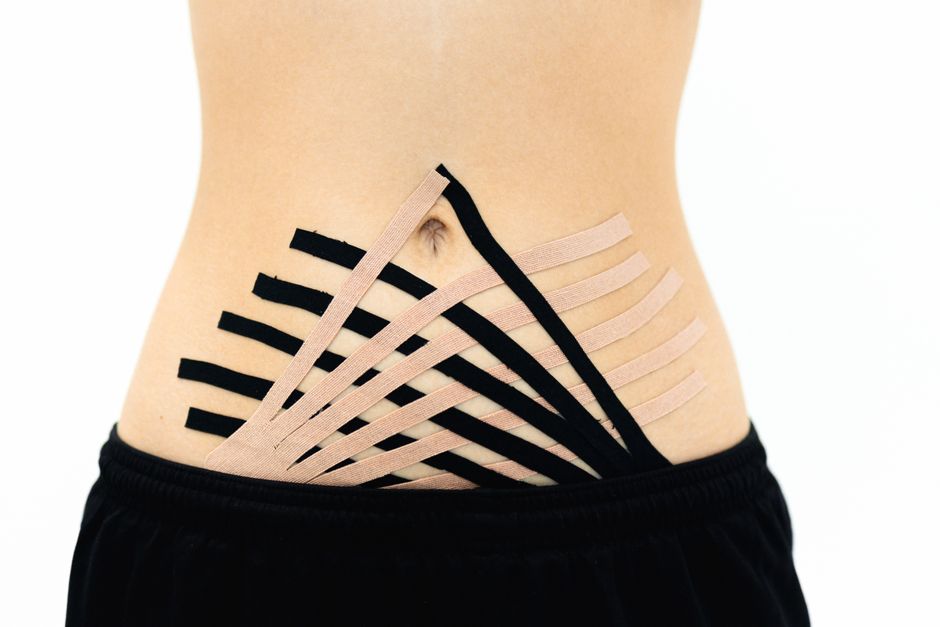
A portable heat therapy device is a compact, mobile system that delivers controlled warmth to specific areas of the body to reduce stiffness, improve circulation, and support muscle recovery. These devices are designed to be lightweight, wearable, and adaptable, making them suitable for daily use in real-world environments like offices, cars, or travel settings.
How heat therapy works for pain relief
Heat therapy works by increasing blood flow to targeted tissues. When heat is applied, blood vessels expand, improving oxygen delivery and helping muscles relax. This process reduces stiffness, decreases joint tightness, and can temporarily reduce pain signals sent to the brain. Heat also helps improve tissue elasticity, making movement feel smoother and less restricted.
This is why heat therapy is commonly recommended for chronic muscle tension, post-exercise soreness, and stiffness-related discomfort rather than acute injuries or swelling.
Portable vs traditional heating pads
Traditional heating pads typically require a fixed power outlet and limit movement during use. Portable devices, however, are designed for mobility. They often include rechargeable batteries or USB compatibility, allowing users to continue daily activities while receiving heat therapy.
Portability also enables more frequent use throughout the day, which can be beneficial for individuals dealing with recurring tension from posture or repetitive movement.
Common types of portable heat therapy devices
Today’s market includes several device categories tailored to different needs:
- Wearable heating pads for back, abdomen, or shoulders
- USB-powered heat wraps for travel or office use
- Rechargeable joint-specific devices for knees or elbows
- Infrared heat therapy devices for deeper tissue warming
- Heated gloves and wearable accessories for cold environments
Explore more recovery-focused tools in our Warmth & Heat Therapy collection or browse complementary wellness tools in the Wellness & Relaxation collection.
Benefits of Portable Heat Therapy for Different Pain Conditions
Portable heat therapy is not a one-size-fits-all solution. Its benefits vary depending on the type of discomfort and where it occurs in the body. Understanding these use cases helps match the right device to your specific needs.
Lower back pain and prolonged sitting
Sitting for long hours compresses the lumbar spine and tightens surrounding muscles. Heat therapy helps reduce this stiffness by increasing blood flow and loosening tight muscle fibers. Many office workers find that consistent heat application during breaks improves comfort and mobility throughout the day.
For seated recovery routines, many users explore ergonomic support tools in the Body Care and Health Devices collection.
Neck and shoulder pain from desk work
Forward head posture and screen-heavy work routines create chronic tension in the upper trapezius and neck muscles. Heat therapy helps relax these overactive muscles, reducing stiffness and improving range of motion.
Muscle recovery after exercise
After workouts, muscles experience microstrain that leads to soreness. Heat therapy is often used after the initial inflammation phase to improve recovery speed and reduce lingering tightness. It can also help athletes maintain flexibility between training sessions.
Chronic pain management and joint stiffness
For individuals dealing with long-term stiffness or age-related joint discomfort, heat therapy can provide consistent relief by supporting joint mobility and reducing morning stiffness. Regular use is often more effective than occasional application.
Cold-weather discomfort and circulation support
In colder climates or air-conditioned environments, circulation can slow, leading to stiffness in extremities. Portable heated accessories such as gloves or wraps help maintain warmth and comfort throughout the day.
How to Choose the Best Portable Heat Therapy Device
Choosing the right device depends less on brand and more on how your body experiences pain. The most effective approach is to match device features with your pain location, lifestyle, and mobility needs.
Choose based on pain location
Different body areas require different support systems. Lower back pain often benefits from larger wraparound pads, while knee or elbow discomfort requires joint-specific designs. Neck tension is best addressed with wearable, contoured devices that stay in place during movement.
Battery-powered vs USB-powered devices
Battery-powered devices offer full mobility and are ideal for outdoor use or commuting. USB-powered devices are more suitable for desk environments where continuous power access is available. The choice depends on whether you prioritize freedom of movement or extended usage time.
Infrared heat therapy vs standard heating pads
Infrared systems are designed to penetrate deeper into muscle layers, while standard heating pads primarily warm surface tissues. For most everyday users, standard heat therapy is sufficient, while deeper penetration may be preferred for chronic stiffness or advanced recovery routines.
Key features that matter in 2026
Modern devices now include smart temperature control, auto shut-off safety systems, fast heating elements, and ergonomic wearable designs. These features improve both safety and usability, especially for daily use scenarios.
Travel-friendly and office-friendly considerations
If you plan to use heat therapy during work or travel, choose lightweight designs with discreet profiles. Devices that can be worn under clothing or powered via USB offer the most convenience in professional environments.
Best Portable Heat Therapy Devices by Use Case

Instead of comparing products by popularity, it is more effective to evaluate them based on real-life use cases. Below are carefully selected examples that demonstrate how different devices serve different recovery needs.
Best wearable heating pads for office workers
For desk workers dealing with lower back tension or abdominal discomfort, wearable heating systems provide consistent warmth without disrupting workflow.

Electric Heating Pad with 10 Heat Levels for Fast Relief delivers steady, adjustable warmth designed for back, abdominal, and full-body comfort. With multiple heat settings and a soft micro-plush surface, it is particularly effective for long work sessions where posture-related stiffness builds gradually.
This type of device is often paired with ergonomic accessories found in the Lifestyle collection to support long-term posture improvement strategies.
Best portable heat therapy devices for athletes
Athletes often require targeted joint recovery and faster muscle relaxation after intense training sessions. Heat combined with mild compression can significantly improve recovery quality.

Knee Heating Massager with Vibration for Joint Pain Relief combines heat and vibration therapy to support joint recovery, particularly in knees, elbows, and shoulders. This dual-action approach helps improve circulation and reduce post-exercise stiffness.
Heat Therapy vs Cold Therapy vs Red Light Therapy

Understanding when to use heat versus other modalities is essential for safe and effective recovery. Each therapy serves a different physiological purpose.
When to use heat therapy
Heat therapy is most effective for muscle stiffness, chronic tension, and circulation-related discomfort. It is best used when the body feels tight rather than inflamed.
When cold therapy may work better
Cold therapy is typically used for acute injuries, swelling, or inflammation. It helps constrict blood vessels and reduce immediate swelling response.
How red light therapy differs from heating pads
Red light therapy uses specific wavelengths of light to stimulate cellular activity, while heat therapy focuses on temperature-driven muscle relaxation. The two methods work differently and are often used for different recovery goals.
Can you combine multiple recovery methods?
Yes, many recovery routines alternate between heat and cold depending on timing. For example, cold may be used immediately after injury, followed by heat later to restore mobility.
Portable Heat Therapy Safety and Mistakes to Avoid

While generally safe, heat therapy must be used correctly to avoid skin irritation or overstimulation of tissues. Understanding proper usage guidelines ensures long-term benefits.
Are portable heat therapy devices safe for daily use?
Yes, most modern devices are designed with safety features such as temperature regulation and auto shut-off timers. Daily use is generally safe when applied within recommended durations.
Common heat therapy mistakes
Common mistakes include using excessive heat levels, applying devices for too long, or falling asleep while using non-automatic shut-off systems. These habits can reduce effectiveness or cause discomfort.
Who should talk to a healthcare professional first?
Individuals with circulation disorders, reduced skin sensitivity, or certain chronic medical conditions should consult a healthcare professional before regular use.
“Heat therapy is most effective when used consistently and correctly matched to the type of musculoskeletal discomfort. It is not a cure, but a supportive recovery tool that enhances mobility and comfort.” — Physical therapy recovery specialist
Safe use tips for travel and office environments
Always ensure devices are not overheating in enclosed spaces like bags or desks. USB-powered devices should be paired with reliable power sources to maintain consistent temperature control.
Quick Buying Checklist for Portable Heating Devices

Before selecting a device, it helps to evaluate your needs using a simple checklist approach rather than focusing on brand names or marketing claims.
- Does the device match your primary pain location?
- Do you need mobility (battery) or stationary use (USB power)?
- Is temperature adjustability important for your sensitivity level?
- Will you use it at home, office, or while traveling?
- Does it include safety features like auto shut-off?
For users building a complete recovery system, the Foot & Body Comfort collection and Gifts & Accessories collection offer complementary tools for full-body relaxation and recovery support.
Frequently Asked Questions
What is the best portable heat therapy device for chronic pain relief?
The best device depends on the pain location, but wearable heating pads with adjustable heat levels are generally most effective for chronic discomfort.
How do portable heating pads work for muscle and joint pain?
They improve blood circulation, relax tight muscles, and reduce stiffness by applying controlled warmth to targeted areas.
Are portable heat therapy devices safe to use every day?
Yes, when used according to instructions with proper temperature settings and time limits.
What is the difference between heating pads and red light therapy?
Heating pads use thermal energy to relax muscles, while red light therapy uses light wavelengths to stimulate cellular repair processes.
How do I choose the best portable heating pad for office or travel use?
Look for lightweight, USB-powered or battery-operated devices with adjustable heat settings and ergonomic design.
Can portable heat therapy improve blood circulation?
Yes, heat naturally expands blood vessels, improving circulation in targeted areas.
Are infrared heat therapy devices better than standard heating pads?
They may provide deeper penetration, but standard heating pads are sufficient for most everyday stiffness and tension.
How long should you use a portable heating pad at one time?
Typically 15–30 minutes per session is recommended depending on device settings and personal comfort.
Can portable heat therapy help with neck and shoulder pain?
Yes, it is especially effective for tension caused by posture and desk work.
What features matter most in a wearable heating device?
Adjustable temperature, safety shut-off, comfort fit, and portability are the most important features.
Conclusion
Portable heat therapy devices are most effective when chosen based on real lifestyle needs rather than specifications alone. Whether you are managing desk-related tension, post-workout soreness, or chronic stiffness, the right device can become a consistent part of your recovery routine.
By combining smart selection with safe usage habits, heat therapy can support long-term comfort, mobility, and overall well-being without complexity or disruption to daily life.
Pillar Article: Heat Therapy for Pain Relief: Neck, Back & Joint Recovery Guide













