

The Best Post Workout Stretching Routine for Full Body Recovery
Most people finish a workout by drinking water, eating protein, and heading straight to the shower. While hydration and nutrition matter, recovery is incomplete without proper mobility and stretching work. A structured post workout stretch routine helps reduce stiffness, improve circulation, restore muscle length, and support long-term movement quality. Whether you lift weights, run, cycle, or train with high-intensity intervals, cooldown stretching can help your body transition from stress into recovery mode more efficiently.
Recovery also extends beyond stretching alone. Many active adults combine mobility work with tools from the Body Care and Health Devices collection to support circulation and soreness management. Others pair cooldown routines with products from the Warmth & Heat Therapy collection to help muscles relax after intense training sessions.
Why Post Workout Stretching Matters for Faster Recovery

A proper cooldown routine supports muscle recovery by helping the nervous system calm down after exercise. Stretching encourages blood flow into working muscles while gradually lowering heart rate and tension levels. Consistent post workout mobility work may also improve flexibility, joint range of motion, and long-term athletic performance.
How stretching supports muscle recovery and circulation
Exercise places stress on muscles, connective tissues, and the nervous system. During training, muscles repeatedly contract and shorten. After workouts, these tissues often remain tight and stiff unless actively relaxed.
Gentle static stretching may help:
- Promote circulation to fatigued muscles
- Reduce feelings of tightness after training
- Improve flexibility over time
- Encourage relaxation and breathing control
- Support healthy movement patterns
Recovery circulation is especially important after lower body workouts or long cardio sessions. Light stretching combined with walking and hydration helps nutrients move through recovering tissues more efficiently.
People who experience frequent stiffness after exercise often explore recovery-focused routines inside the Body & Face Blog where mobility and recovery education are combined with practical wellness strategies.
The difference between static stretching and dynamic stretching
Dynamic stretching involves controlled movement patterns that warm the body up before exercise. Examples include leg swings, walking lunges, and arm circles. These movements prepare muscles for activity.
Static stretching involves holding a muscle in a lengthened position for a period of time, usually between 20 and 60 seconds. Static stretches are typically more effective after workouts because muscles are already warm.
| Stretch Type | Best Timing | Main Purpose |
| Dynamic Stretching | Before exercise | Warm-up and activation |
| Static Stretching | After exercise | Recovery and flexibility |
Using both forms strategically creates a more balanced training routine while helping reduce stiffness and movement limitations over time.
Can stretching reduce delayed onset muscle soreness (DOMS)?
Delayed onset muscle soreness, often called DOMS, typically develops 12 to 48 hours after unfamiliar or intense exercise. Stretching alone may not completely prevent soreness, but it can help improve comfort, movement quality, and relaxation during recovery.
Research suggests DOMS is influenced by muscle damage, inflammation, nervous system fatigue, hydration, sleep quality, and training load. Stretching works best when combined with:
- Proper hydration
- Sleep and recovery
- Adequate protein intake
- Mobility work
- Active recovery sessions
- Foam rolling or massage techniques
Recovery routines that combine stretching with heat therapy, mobility work, and compression strategies are becoming increasingly popular among recreational athletes and active adults.
Why mobility training improves long-term recovery
Flexibility and mobility are related but different concepts. Flexibility refers to muscle length, while mobility refers to how well joints move through controlled ranges of motion.
Mobility-focused cooldown sessions can help:
- Improve squat depth and movement quality
- Reduce stiffness from desk posture
- Support better posture during training
- Decrease movement compensation patterns
- Maintain long-term joint health
Athletes who consistently include mobility work often experience smoother movement mechanics and better training consistency over time.
The Complete Post Workout Stretch Routine for Full Body Recovery
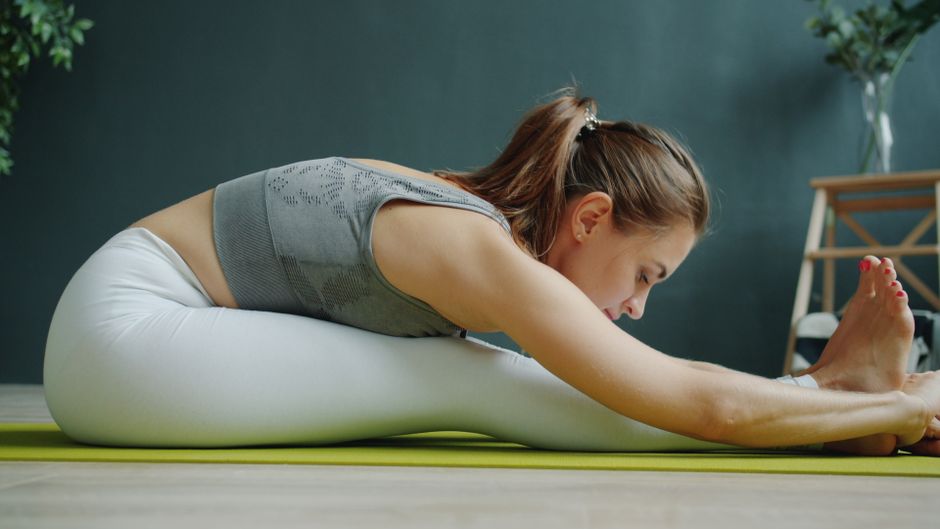
This full body cooldown routine targets the most commonly tight muscle groups after exercise. The sequence is designed for beginners and active adults who want a simple but effective recovery system.
Before starting, walk slowly for 2 to 5 minutes to lower your heart rate gradually. Then begin the stretches below.
How long to hold each stretch for maximum recovery
For most recovery-focused static stretches:
- Hold each stretch for 20 to 45 seconds
- Repeat 1 to 3 rounds per side
- Breathe slowly throughout the movement
- Never force painful positions
After intense lower body sessions, longer holds around 45 to 60 seconds may help improve relaxation and flexibility progression.
Neck and shoulder recovery stretches
Upper body tension often accumulates from lifting, desk work, or poor posture. Begin by gently tilting your head side to side while keeping shoulders relaxed.
- Upper trapezius stretch
- Neck side flexion stretch
- Cross-body shoulder stretch
- Overhead triceps stretch
Hold each movement gently without pulling aggressively on the neck.
Chest and upper back mobility stretches
Training sessions that involve pressing movements can tighten the chest and front shoulders. Thoracic mobility stretches help improve posture and breathing mechanics.
- Doorway chest stretch
- Thread-the-needle stretch
- Child’s pose with side reach
- Cat-cow spinal mobility movement
Breathing deeply during chest stretches may help reduce upper body tightness more effectively.
Hamstring stretch variations for tight posterior chains
Tight hamstrings are common after deadlifts, running, cycling, and long sitting periods.
- Standing hamstring stretch
- Seated toe reach
- Supine band-assisted hamstring stretch
- Single-leg elevated hamstring stretch
For deeper tissue release, many athletes combine stretching with a foam roller before cooldown holds.
KentDO™ Foam Massage Roller – Muscle Relief & Recovery

A high-density foam roller can help release tension before static stretching, especially after heavy lower body training. Many people also browse the Foot & Body Comfort collection for additional recovery-focused wellness tools.
Hip flexor stretch progression for runners and lifters
Tight hip flexors are extremely common among runners, cyclists, office workers, and strength athletes.
- Kneeling hip flexor stretch
- Couch stretch
- Lunge with overhead reach
- Pigeon pose progression
Focus on keeping the glutes lightly engaged while avoiding excessive lower back arching.
Quadriceps stretch techniques after leg day
Heavy squats, lunges, and cycling workouts can leave the quadriceps extremely tight.
- Standing quad stretch
- Side-lying quad stretch
- Couch-assisted quadriceps stretch
Move slowly and avoid pulling aggressively on the ankle joint.
Calf and ankle mobility stretches
Calf tightness affects walking mechanics, squat mobility, and running comfort.
- Wall calf stretch
- Bent-knee soleus stretch
- Ankle dorsiflexion rocks
- Downward dog calf pedal stretch
Improving ankle mobility may also support better balance and lower body movement efficiency.
Lower back decompression stretches
The lower back often becomes tight after lifting, prolonged sitting, or high-impact workouts.
- Child’s pose
- Supine spinal twist
- Knees-to-chest stretch
- Happy baby pose
These movements should feel relieving rather than painful. Gentle breathing helps muscles relax during the stretch.
Full body cooldown flow for complete recovery
Here is a simple 10-minute cooldown flow:
- Walk slowly for 2 minutes
- Neck and shoulder stretches
- Chest opener stretch
- Hamstring stretch
- Hip flexor stretch
- Quadriceps stretch
- Calf stretch
- Lower back decompression
- Deep breathing for 1 minute
This routine works well after strength training, cardio, HIIT, or recreational sports sessions.
Recovery-focused readers often combine stretching sessions with wellness routines found inside the Wellness & Relaxation collection for a more complete post workout recovery environment.
The Best Stretching Routine Based on Your Workout Type
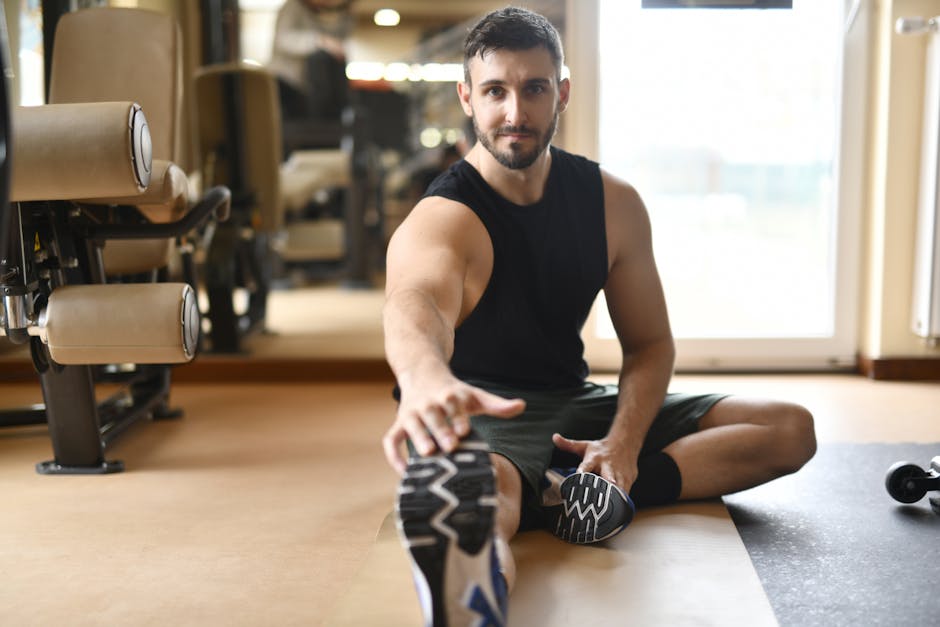
Different workouts create different recovery demands. Tailoring your cooldown routine to your training style may improve recovery quality and movement comfort.
Post workout stretches after strength training
Strength workouts often create muscle tightness from repeated contractions under load.
Prioritize:
- Chest stretches after upper body push days
- Lats and thoracic mobility after pulling workouts
- Hip flexor and hamstring mobility after leg sessions
- Glute and lower back decompression work
Slow breathing and longer stretch holds tend to work well after resistance training.
Recovery stretches after cardio workouts
Running, cycling, rowing, and stair workouts heavily stress the calves, hip flexors, and quads.
Focus on:
- Calf stretching
- Ankle mobility
- Hip flexor lengthening
- Hamstring recovery
Walking for several minutes before stretching may help the body transition more comfortably into recovery mode.
Stretching after HIIT and intense conditioning
High-intensity workouts create significant nervous system fatigue and elevated heart rate responses.
After HIIT:
- Cool down gradually
- Use slow breathing techniques
- Avoid aggressive deep stretching immediately
- Prioritize gentle mobility and circulation work
Excessively intense stretching after HIIT may irritate already fatigued tissues.
Best recovery stretches after running
Runners often experience tight calves, hip flexors, glutes, and hamstrings.
Helpful post-run stretches include:
- Standing calf stretch
- Figure-four glute stretch
- Kneeling hip flexor stretch
- Hamstring band stretch
- Thoracic rotation mobility drills
Many runners also prioritize compression recovery strategies and circulation-support routines after longer runs.
Recovery stretching for beginners vs intermediate athletes
Beginners should prioritize consistency over intensity.
| Experience Level | Recommended Stretch Duration | Frequency |
| Beginner | 15-30 seconds | 3-4 days weekly |
| Intermediate | 30-60 seconds | 5-6 days weekly |
Intermediate athletes may incorporate deeper mobility drills, longer holds, and recovery circuits alongside stretching sessions.
When Should You Stretch After a Workout?

Timing matters when building an effective recovery routine.
Should you stretch immediately after cardio or weightlifting?
Light movement should come first. Instead of sitting down immediately after exercise, spend several minutes walking or performing gentle cooldown movements before static stretching.
This gradual transition allows heart rate and circulation to normalize more comfortably.
The ideal recovery window for post workout stretching
The best time to stretch is usually within 5 to 20 minutes after exercise while muscles are still warm.
Warm tissues generally tolerate stretching better than cold muscles. Delaying mobility work too long may increase feelings of stiffness later in the day.
How long should you stretch after a workout?
Most people benefit from:
- 5 to 10 minutes after moderate exercise
- 10 to 20 minutes after intense sessions
- Longer recovery sessions on rest days
Consistency matters more than extremely long cooldown sessions.
Morning vs evening recovery stretching sessions
Morning stretching can help reduce stiffness and improve mobility before daily activity. Evening sessions may support relaxation and nervous system recovery after stressful training days.
Some active adults perform shorter post workout cooldowns immediately after exercise and longer flexibility sessions before bed.
Common Post Workout Stretching Mistakes That Slow Recovery

Stretching can support recovery when done correctly, but common mistakes may reduce effectiveness or create unnecessary discomfort.
Stretching too aggressively after intense workouts
Muscles are already fatigued after hard exercise. Forcing deep stretches immediately afterward may irritate tissues instead of helping them recover.
Signs you are stretching too aggressively include:
- Sharp pain
- Joint discomfort
- Muscle shaking
- Holding your breath
- Feeling worse afterward
Gentle consistency is usually more effective than aggressive stretching intensity.
Ignoring breathing and nervous system recovery
Recovery is not only muscular. The nervous system also needs time to transition out of a high-alert state after training.
Slow breathing during stretching may help:
- Reduce tension
- Improve relaxation
- Lower stress responses
- Support movement quality
Exhaling slowly while deepening a stretch often creates a calmer and more effective recovery experience.
Only stretching the muscles that feel sore
Localized soreness can sometimes be caused by movement compensation patterns elsewhere in the body.
For example:
- Tight hips may contribute to lower back discomfort
- Poor ankle mobility may affect knees
- Restricted thoracic mobility may impact shoulders
A balanced full body approach is usually more beneficial than only targeting painful areas.
Skipping recovery consistency and flexibility progression
Flexibility gains occur gradually through repeated exposure over time.
Many people stretch intensely for a few days, then stop completely. Sustainable recovery habits produce better long-term mobility improvements.
Building simple routines around workouts and rest days often leads to better consistency.
How to Build a Complete Recovery System Beyond Stretching
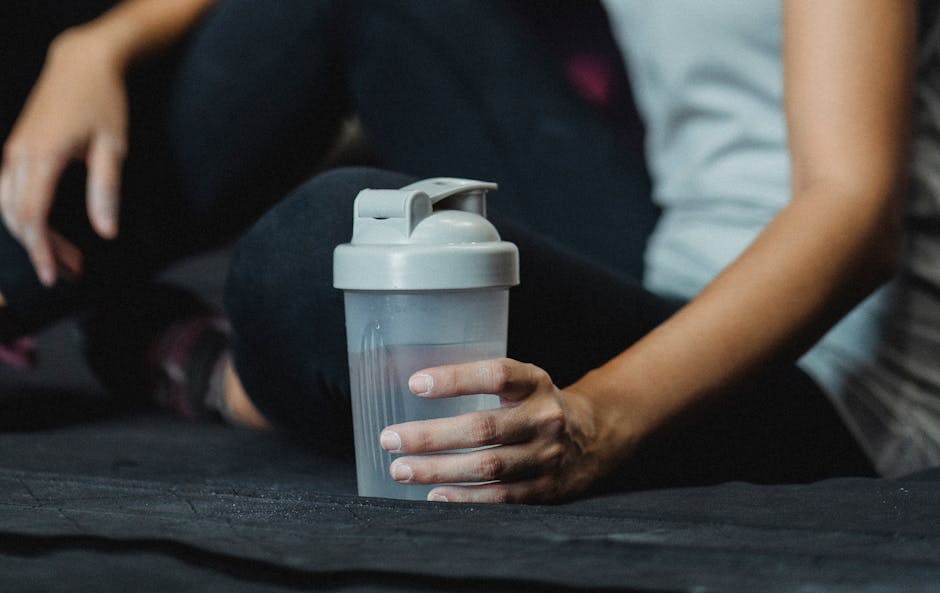
Stretching is only one part of recovery. Sleep, hydration, circulation support, mobility tools, and stress management all influence how quickly muscles recover.
How foam rollers complement post workout stretching
Foam rolling helps apply pressure to muscles and fascia before or after stretching sessions.
Potential benefits include:
- Improved tissue relaxation
- Temporary mobility improvements
- Reduced feelings of stiffness
- Enhanced recovery routines
Foam rolling works especially well for:
- Quadriceps
- Calves
- Glutes
- Upper back
- Hamstrings
Many people use a roller briefly before static stretching to help muscles relax more effectively.
Massage guns, mobility tools, and compression recovery gear
Recovery tools have become increasingly common among athletes and active adults.
Compression-based recovery gear may help support circulation and reduce feelings of lower body fatigue after long workouts or standing periods.
Air Compression Leg Massager for Muscle Recovery & Circulation

Compression-style recovery sessions are often paired with hydration, stretching, and mobility work during rest evenings. Additional wellness recovery options can also be explored inside the Lifestyle collection.
Hydration, sleep, and nutrition for muscle recovery
Muscle recovery depends heavily on basic recovery habits.
Important recovery factors include:
- Adequate hydration
- Protein intake
- Electrolyte balance
- Sleep quality
- Stress management
Sleep is especially important because many repair processes occur during deeper sleep cycles.
People who struggle with recovery fatigue often underestimate the impact of poor sleep consistency and dehydration.
Recovery severity indicators: when soreness is normal vs excessive
Mild to moderate soreness after exercise is normal, especially after new training stimuli.
However, warning signs that recovery may be insufficient include:
- Soreness lasting longer than several days
- Sharp or localized pain
- Joint swelling
- Persistent fatigue
- Decreased performance
- Poor sleep quality
If severe symptoms continue, consulting a healthcare professional is recommended.
7-Day Beginner-to-Intermediate Stretching Progression Plan

This simple progression framework helps beginners develop recovery consistency safely.
Week 1 recovery mobility foundation
| Day | Focus | Duration |
| Day 1 | Full body cooldown routine | 10 minutes |
| Day 2 | Hip and hamstring mobility | 12 minutes |
| Day 3 | Upper body posture stretches | 10 minutes |
| Day 4 | Walking and active recovery | 20 minutes |
| Day 5 | Lower body flexibility session | 15 minutes |
| Day 6 | Full body mobility flow | 15 minutes |
| Day 7 | Gentle recovery and breathing | 10 minutes |
Short daily sessions are often easier to maintain than occasional long flexibility workouts.
Progressing hold times and flexibility safely
Once basic consistency is established:
- Increase stretch duration gradually
- Add mobility flow sequences
- Improve breathing control
- Expand movement ranges slowly
Avoid forcing flexibility progression too quickly.
How to combine stretching with mobility training
A balanced recovery plan may include:
- Dynamic warmups before workouts
- Static stretching after workouts
- Dedicated mobility sessions on rest days
- Walking and circulation-focused activity
- Foam rolling and recovery tools
Many active adults create evening recovery routines that combine mobility, stretching, hydration, and heat therapy to support relaxation before sleep.
For additional wellness recovery strategies, readers often explore resources inside the Beauty & Self-Care Blog and browse complementary products from the Warmth & Heat Therapy collection.
Discover recovery and mobility tools
Frequently Asked Questions
What is the best post workout stretch routine for beginners?
A beginner-friendly routine should include hamstring stretches, hip flexor mobility work, chest openers, calf stretches, and lower back decompression exercises. Sessions around 10 minutes are usually effective and sustainable.
How long should you stretch after a workout?
Most people benefit from 5 to 15 minutes of cooldown stretching after exercise depending on workout intensity and recovery needs.
Can stretching reduce post workout muscle soreness?
Stretching may help reduce feelings of stiffness and improve movement comfort, especially when combined with hydration, sleep, mobility work, and active recovery.
What are the best stretches after strength training workouts?
Hip flexor stretches, hamstring stretches, chest openers, calf stretches, and thoracic mobility exercises are commonly effective after resistance training sessions.
Should you stretch immediately after cardio or weightlifting?
It is usually best to cool down gradually for several minutes before beginning static stretching.
What is the difference between static stretching and dynamic stretching?
Dynamic stretching uses movement-based mobility drills before workouts, while static stretching uses held positions after exercise for recovery and flexibility.
Can stretching improve circulation and blood flow after exercise?
Gentle stretching combined with walking and breathing exercises may help support circulation during recovery.
Should you use a foam roller before or after stretching?
Many people use foam rolling before stretching to help muscles relax and improve mobility during cooldown routines.
How often should you do mobility training for recovery?
Most active adults benefit from mobility work at least 3 to 5 times weekly, even if sessions are short.
What causes delayed onset muscle soreness after workouts?
DOMS is influenced by muscle stress, tissue repair, inflammation, training intensity, and recovery quality following unfamiliar or demanding exercise.
“Recovery works best when it becomes a consistent habit rather than a reaction to soreness. Stretching, hydration, sleep, and mobility all support long-term performance together.”
Conclusion
A proper post workout stretch routine is more than a quick cooldown. It is a long-term recovery habit that supports flexibility, circulation, movement quality, and overall athletic sustainability. Whether your goal is reducing soreness, improving mobility, or simply feeling less stiff after training, a consistent recovery system can make a significant difference over time.
Combining stretching with hydration, sleep, mobility work, foam rolling, and circulation-focused recovery strategies creates a more complete approach to muscle recovery. Small daily habits often produce better results than occasional intense recovery sessions.
For more recovery-focused wellness tools and mobility support options, explore the Body Care and Health Devices collection and related recovery resources inside the Body & Face Blog.
Pillar Article: Muscle Recovery Tools: The Complete System for Faster Recovery & Less Soreness













