

Professional Dental Tools for Home Use: The Safe 2026 Beginner Guide
In 2026, at-home oral care has evolved far beyond basic brushing and flossing. More people are now using professional-grade dental tools at home to control plaque buildup, improve gum health, and maintain a cleaner, brighter smile between dentist visits. But while these tools can significantly improve oral hygiene outcomes, improper use can also lead to enamel wear, gum irritation, and long-term sensitivity issues.
This guide provides a dentist-informed, beginner-friendly roadmap to safely using professional dental tools at home. You’ll learn what actually works, what to avoid, and how to build a daily oral care routine that mirrors clinical cleaning standards—without risking your dental health.
If you’re looking to upgrade your routine, you can also explore curated options in our Oral Care Devices collection designed for safe and effective home hygiene systems.
Why More People Are Using Professional Dental Tools at Home in 2026

The shift toward at-home professional dental care is driven by convenience, prevention, and better awareness of oral-systemic health connections. People no longer wait for biannual cleanings to address plaque buildup or gum inflammation—they’re actively managing it daily.
The Rise of At-Home Professional Dental Care
Modern oral hygiene technology has made it possible to replicate many aspects of professional cleaning at home. Electric toothbrushes, water flossers, and ultrasonic cleaners are now widely accessible, allowing users to target plaque more effectively than manual brushing alone.
This trend is also supported by preventive dentistry research, which shows that consistent plaque control reduces the risk of gingivitis and long-term periodontal disease.
What Home Dental Tools Can and Cannot Replace
While advanced tools improve daily cleaning, they do not replace professional dental scaling. Hardened tartar (calculus) still requires clinical removal. Home tools are best viewed as maintenance systems—not replacements for dental visits.
“Daily mechanical plaque control at home remains the most important factor in preventing gum disease progression, but it must be paired with professional cleanings.” — General dental hygiene consensus
What Are Professional Dental Tools for Home Use?

Professional dental tools for home use are devices designed to replicate or support clinical oral cleaning techniques. They enhance plaque removal, improve gum stimulation, and help maintain oral freshness between dental appointments.
Electric Toothbrush
Electric toothbrushes use high-frequency vibrations or rotations to remove plaque more efficiently than manual brushing. Many include timers, pressure sensors, and multiple cleaning modes to prevent overbrushing.
A strong beginner option is the KentDO™ Electric Toothbrush which features multiple cleaning modes, a smart timer, and up to 30 days of battery life.

Water Flosser and Oral Irrigator
Water flossers use pressurized water streams to clean between teeth and along the gumline. They are especially useful for people with braces, implants, or sensitive gums.
To complement your setup, explore more options in our oral care devices collection for interdental cleaning systems.
Tongue Scraper
A tongue scraper removes bacteria buildup on the tongue, which contributes significantly to bad breath. It is a simple but powerful addition to daily hygiene.
Interdental Brush
Interdental brushes clean tight spaces between teeth that regular brushes cannot reach. They are especially useful for plaque control around dental work or misaligned teeth.
Dental Mirror and Plaque Tools
These tools offer visibility and precision but require caution. At-home use should focus on inspection and light cleaning only—not aggressive scraping.
Fluoride Toothpaste and Gum Care Products
Fluoride strengthens enamel and helps reverse early decay. Gum-care products reduce inflammation and support long-term oral health stability.
How to Clean Your Teeth Like a Dentist at Home Safely

Building a dentist-level routine at home requires structure, patience, and proper technique. The goal is not intensity—it is consistency and correct tool usage.
Step 1: Use an Electric Toothbrush Correctly
Place the brush at a 45-degree angle toward the gumline and let the device do the work. Avoid scrubbing manually. Move slowly across each quadrant for 30 seconds.
The KentDO™ Electric Toothbrush is designed with a smart 2-minute timer and gentle cleaning modes ideal for beginners and sensitive gums.
Step 2: Clean Between Teeth With Floss or Water Flosser
Interdental cleaning removes up to 40% of plaque missed by brushing alone. Use slow, controlled movements and avoid forcing tools into tight spaces.
For users with sensitivity or braces, a water flosser from our oral care devices collection can reduce gum irritation while improving cleaning efficiency.
Step 3: Remove Tongue Bacteria Safely
Gently scrape from back to front once or twice daily. This helps reduce volatile sulfur compounds responsible for bad breath.
Step 4: Support Gum Health and Enamel Protection
Use gentle pressure during brushing and avoid abrasive whitening methods daily. Gum stimulation through soft brushing improves circulation and reduces inflammation risk.
Step 5: Know When to Avoid DIY Plaque Removal
Never attempt to remove hardened tartar or deep deposits at home using sharp tools. This can damage enamel and gums permanently.
Best Professional Dental Cleaning Tools for Beginners
Beginners should prioritize safety, ease of use, and adaptability when selecting oral care tools. The goal is to build consistency without causing sensitivity or damage.
Best Electric Toothbrush Features for Beginners
Look for soft bristles, pressure sensors, and built-in timers. These features prevent overbrushing and help maintain proper technique.
The KentDO™ Electric Toothbrush is a strong entry-level option with multiple modes including gentle cleaning for sensitive gums.
Safe Dental Cleaning Tool Set for Home Use
Manual tools can supplement your routine when used carefully for inspection and light cleaning. However, they should never replace brushing or flossing.
The KentDO™ Dental Cleaning Tools Set offers stainless steel instruments designed for controlled at-home use.
Travel Dental Hygiene Kits Worth Using
For frequent travelers, compact tools help maintain consistency. Portable kits ensure plaque control even when routines are disrupted.
Explore more travel-friendly solutions in our lifestyle collection and wellness & relaxation collection.
Water Flosser vs Traditional Floss: Which Works Better?

Both tools are effective, but they serve different needs depending on gum sensitivity, dexterity, and dental conditions.
Pros and Cons of Traditional Floss
- Highly effective for tight contact points
- Low cost and widely available
- Requires proper technique and dexterity
Pros and Cons of Water Flossers
- Gentle on gums and ideal for sensitivity
- Easier for braces or implants
- Requires electricity and maintenance
Which Option Is Better for Sensitive Gums?
Water flossers are generally recommended for users with gum sensitivity because they reduce mechanical abrasion while still removing debris effectively.
Are Home Plaque Removal Tools Safe?
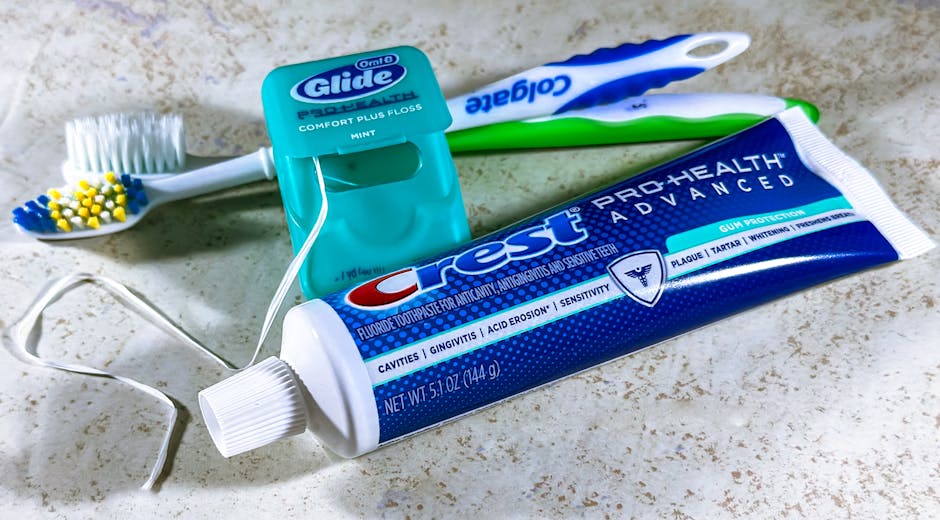
Home plaque removal tools are safe when used correctly, but misuse is one of the most common causes of enamel damage and gum recession.
Common Mistakes That Damage Enamel
- Brushing too hard or too often
- Using metal tools aggressively
- Overusing whitening abrasives
How to Protect Sensitive Teeth and Gums
Use soft-bristle brushes, gentle pressure, and avoid unnecessary scraping. Consistency is more important than intensity.
When to See a Dentist Instead of DIY Cleaning
If you notice bleeding gums, persistent tartar, or pain during brushing, professional cleaning is required.
How to Sanitize and Store Dental Cleaning Tools Properly

Proper hygiene maintenance of tools is essential to prevent bacterial buildup and cross-contamination.
How Often to Replace Brush Heads and Accessories
Replace brush heads every 2–3 months or sooner if bristles fray. Interdental tools should be replaced based on wear.
Cleaning Water Flossers and Oral Irrigators
Empty and dry tanks after each use. Regular descaling prevents mold and bacteria growth.
Safe Storage Tips for Home Dental Tools
Store tools in dry, ventilated areas. Avoid closed damp containers which encourage microbial growth.
Building the Ideal At-Home Gum Care Routine

A structured routine ensures long-term oral health improvement and prevents plaque accumulation.
Morning Oral Hygiene Routine
Brush with an electric toothbrush, clean tongue, and rinse lightly. This removes overnight bacterial buildup.
Nighttime Deep Cleaning Routine
Night cleaning is the most important step. Use interdental cleaning followed by gentle brushing to remove accumulated plaque.
Weekly Maintenance Checklist
- Inspect gums for inflammation
- Clean toothbrush handles and accessories
- Check tool wear and replace if needed
For more structured routines, explore our oral care devices collection designed for complete hygiene systems.
Professional Dental Tools You Should Avoid Using at Home

Not all dental tools are safe for home use. Some require professional expertise to avoid injury.
Sharp Metal Scrapers and Aggressive Scaling Kits
These can damage enamel and cause irreversible gum recession when used without training.
Unsafe Whitening Devices and Abrasive Powders
Overuse can erode enamel and increase sensitivity, especially in beginners.
Expert Insight on At-Home Dental Care
“Home dental care tools are highly effective when used consistently and gently. The biggest risk is not the tools themselves, but improper technique and overuse.” — Oral health educator perspective
FAQ
What are the best professional dental tools for home use?
Electric toothbrushes, water flossers, tongue scrapers, and safe interdental brushes are considered essential tools.
How can I clean my teeth like a dentist at home safely?
Use structured brushing, interdental cleaning, and gentle gum care without applying excessive pressure.
Are home plaque removal tools safe for sensitive gums?
Yes, if used correctly. Soft tools and water-based systems are recommended.
How often should you use professional dental cleaning tools at home?
Daily brushing and flossing are essential, while advanced tools can be used as needed.
What is the difference between a water flosser and traditional floss?
Water flossers use pressurized water, while traditional floss uses physical string to remove plaque.
Can at-home dental cleaning tools damage enamel?
Yes, if used aggressively or incorrectly, especially with hard scraping tools.
How do you sanitize oral cleaning tools properly?
Rinse after use, dry thoroughly, and periodically disinfect according to manufacturer instructions.
Which teeth cleaning tools for home are best for beginners?
Soft electric toothbrushes and water flossers are the safest starting point for beginners.
Conclusion
Building a professional-level oral hygiene routine at home is entirely possible with the right tools and techniques. The key is consistency, gentle handling, and understanding how each device contributes to plaque control and gum health. When used correctly, modern dental tools can significantly improve daily oral cleanliness and long-term dental outcomes.
Start by integrating simple, dentist-approved tools into your routine and gradually expand your system as your confidence grows. For more structured oral care solutions, explore our oral care devices collection and build a routine that supports lifelong dental health.
Pillar Article: Oral Hygiene Routines: Beginner-to-Pro Daily Dental Guide













