

Scalp Care Routine: Daily & Weekly Plan for Growth, Dandruff & Oil Control
Most hair problems—hair fall, oiliness, dryness, slow growth—don’t actually start with your hair. They begin at the scalp. A healthy scalp creates the foundation for strong, shiny, resilient hair, while an imbalanced one leads to buildup, irritation, and weak follicles.
This guide introduces a complete scalp care system: a science-backed, beginner-friendly approach that helps you identify your scalp type, build a personalized routine, and maintain long-term hair health. If you're just starting, explore tools and routines inside our Hair Care and Styling Devices collection to support your journey.
Why Scalp Care Is the Foundation of Healthy Hair Growth
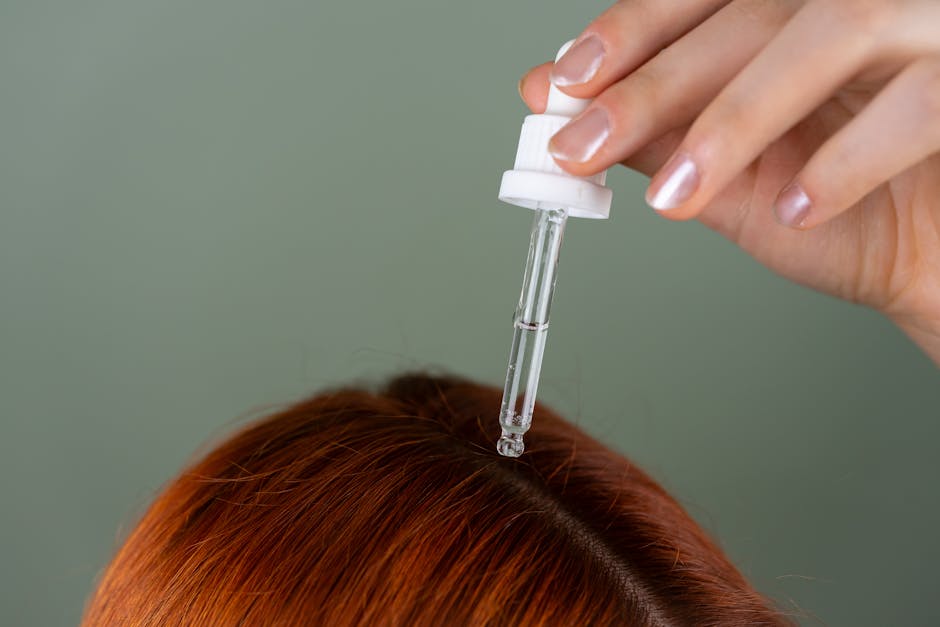
Your scalp is living skin, filled with hair follicles, oil glands, and a delicate microbiome. Treating it correctly determines how well your hair grows, feels, and looks.
Understanding the Scalp Microbiome and Sebum Balance
The scalp microbiome is a mix of bacteria and fungi that maintain balance. When disrupted—by harsh shampoos, overwashing, or product buildup—it can lead to dandruff, itchiness, or oil imbalance.
Sebum, the natural oil produced by your scalp, protects hair strands. Too much leads to greasy buildup; too little causes dryness and flaking.
How Hair Follicle Health Impacts Growth and Thickness
Each hair grows from a follicle embedded in your scalp. Poor circulation, clogged pores, or inflammation weaken follicles, resulting in thinning hair or slow growth.
Healthy follicles require:
- Proper oxygen and blood flow
- Clean, unclogged pores
- Balanced hydration and oil levels
Common Scalp Problems That Disrupt Hair Health
- Dandruff and flaking
- Excess oil production
- Dry, itchy scalp
- Product buildup
- Sensitivity or inflammation
Many of these issues can be improved with consistent routines and the right techniques—not expensive treatments.
How to Identify Your Scalp Type (Quick Diagnosis Guide)
Before building a routine, you need to understand your scalp type. This determines everything—from washing frequency to ingredient choices.
Dry Scalp vs Oily Scalp: Key Differences
| Feature | Dry Scalp | Oily Scalp |
| Appearance | Flaky, dull | Greasy, shiny |
| Feel | Tight, itchy | Heavy, sticky |
| Hair Type | Brittle ends | Flat roots |
Combination & Sensitive Scalp Signs
Some people experience oily roots but dry ends—this is combination scalp. Others may have redness, irritation, or reactions to products, indicating sensitivity.
2-Minute Scalp Self-Assessment Quiz
- Does your scalp feel tight after washing? → Dry
- Does it get greasy within 24 hours? → Oily
- Do you experience flakes with oiliness? → Dandruff-prone
- Does your scalp react easily to products? → Sensitive
Once identified, you can build a routine tailored to your needs. You can also explore gentle care tools in the Skin and Beauty Care Devices collection to support sensitive or reactive scalps.
The Ideal Daily Scalp Care Routine (Step-by-Step)

A consistent daily routine is the key to maintaining scalp balance and preventing long-term issues.
Morning Routine: Refresh, Protect, Balance
- Lightly brush or massage scalp to stimulate circulation
- Use a scalp tonic or leave-in treatment if needed
- Avoid heavy products at the roots
Evening Routine: Cleanse, Soothe, Repair
- Cleanse scalp using gentle shampoo (2–4 times per week)
- Massage during washing to remove buildup
- Apply calming treatments if irritation is present
Scalp Massage Benefits and Proper Technique
Massage improves blood circulation, enhances nutrient delivery, and promotes relaxation. It also helps loosen buildup and improve product absorption.
A simple way to improve your routine is using tools like the KentDO™ Scalp Massager Brush – Relax & Boost Hair Growth.

This type of tool helps evenly distribute shampoo, gently exfoliate the scalp, and stimulate circulation without causing damage.
The Weekly Scalp Care Plan (7-Day System)

While daily care maintains balance, weekly treatments target deeper issues like buildup, dandruff, or dryness.
Day-by-Day Scalp Routine Planner
| Day | Routine Focus |
| Day 1 | Deep cleanse + massage |
| Day 2 | Rest + light hydration |
| Day 3 | Scalp tonic or serum |
| Day 4 | Massage + circulation boost |
| Day 5 | Gentle wash |
| Day 6 | Repair treatment |
| Day 7 | Rest day |
When to Use Scalp Exfoliation and Deep Treatments
Exfoliation removes dead skin and buildup. Use once per week if oily or dandruff-prone, and every two weeks if dry or sensitive.
Balancing Washing Frequency for Your Scalp Type
- Oily scalp: 3–4 times per week
- Dry scalp: 2–3 times per week
- Sensitive scalp: 2 times per week with gentle products
Supporting routines can be enhanced with wellness tools found in the Body Care and Health Devices collection.
Scalp Care by Goal: Choose the Right Routine for You
Your routine should match your primary goal—growth, oil control, or soothing irritation.
For Hair Growth and Thickness
- Daily massage to improve circulation
- Weekly exfoliation to unclog follicles
- Use lightweight growth serums
For Dandruff and Flaky Scalp
- Use antifungal ingredients like tea tree oil
- Avoid overwashing
- Keep scalp hydrated
For Oily Scalp and Sebum Control
- Use balancing shampoos
- Avoid heavy conditioners at roots
- Exfoliate regularly
For Dry, Itchy, or Sensitive Scalp
- Use soothing ingredients like aloe vera
- Avoid sulfates and alcohol-based products
- Limit heat styling
Relaxation also plays a role in scalp health. Consider routines supported by the Wellness & Relaxation collection.
Best Ingredients and Products for Scalp Health
Why Sulfate-Free Shampoo Matters
Sulfates can strip natural oils, leading to dryness and irritation. Gentle cleansers maintain balance without damaging the scalp barrier.
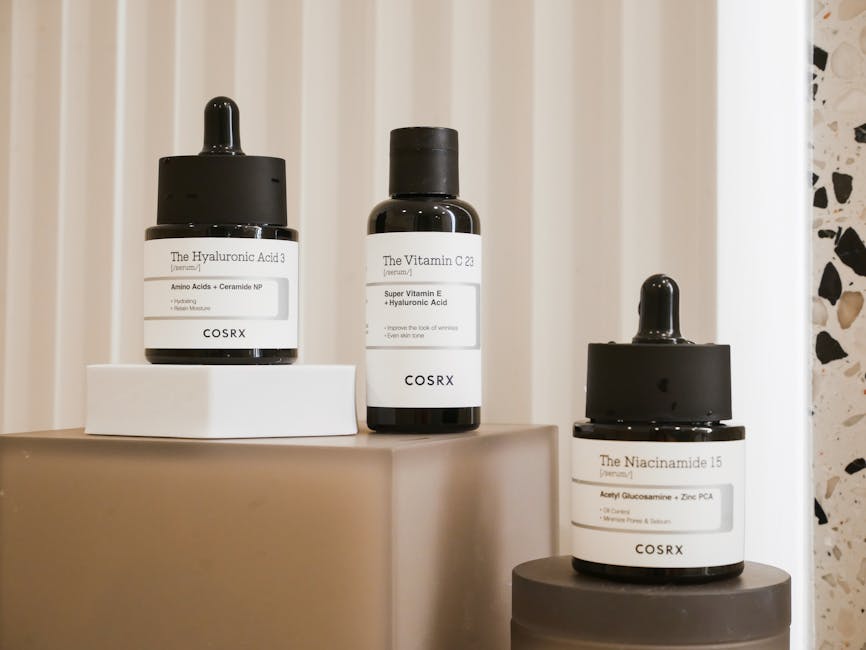
Top Ingredients for Scalp Exfoliation and Repair
- Salicylic acid – removes buildup
- Niacinamide – balances oil production
- Tea tree oil – fights dandruff
- Ceramides – restore moisture barrier
Natural Scalp Remedies You Can Use at Home
- Coconut oil for hydration
- Aloe vera for soothing irritation
- Apple cider vinegar for balancing pH
Explore more care essentials in the Skincare & Hydration collection.
Common Scalp Care Mistakes That Damage Hair Health
Overwashing vs Underwashing
Washing too often strips oils; washing too little leads to buildup. Balance is key.
Ignoring Heat Damage and Styling Impact
Heat tools can damage both hair and scalp. Always use protection and avoid excessive temperatures.
Using the Wrong Products for Your Scalp Type
Generic routines rarely work. Tailoring your routine is essential for long-term results.
How Scalp Care Fits Into Your Full Hair Routine

Pre-Styling Scalp Preparation
Clean, balanced scalp ensures better styling results and longer-lasting volume.
Heat Damage Prevention and Scalp Protection
Always protect your scalp from excessive heat and avoid direct contact with hot tools.
Maintaining Keratin Structure Through Scalp Health
Healthy scalp supports keratin production, which strengthens hair structure and reduces breakage.
For a complete beauty routine, explore insights from the Hair, Skin & Nail Blog.
FAQ
What is the best daily scalp care routine for healthy hair?
A balanced routine includes gentle cleansing, daily massage, hydration, and avoiding buildup.
How can I improve scalp health naturally at home?
Use natural oils, massage regularly, and maintain a clean, balanced scalp environment.
How do I know my scalp type and what routine should I follow?
Observe oil levels, sensitivity, and flaking patterns to determine your scalp type and adjust your routine accordingly.
What causes dry itchy scalp and how can I fix it fast?
Dryness is often caused by lack of moisture or harsh products. Use gentle, hydrating treatments and avoid overwashing.
How often should I wash and treat my scalp for best results?
Typically 2–4 times per week depending on your scalp type, with weekly treatments for deeper care.
Conclusion
Healthy hair starts with a healthy scalp. By understanding your scalp type, following a consistent daily and weekly routine, and avoiding common mistakes, you can transform your hair from the root up.
Build your complete system gradually, and explore supportive tools and routines in the Hair Care and Styling Devices collection to enhance your results over time.
Pillar Article: Hair Care Routine: Build Your Perfect System for Healthy, Frizz-Free Hair













