

Skin Protection Barrier Repair Guide for Hikers, Campers & Dry Skin
When you’re hiking under harsh sun, camping in cold wind, or spending long hours outdoors without proper humidity, your skin often becomes the first thing to show stress. Tightness, flaking, irritation, and sudden breakouts are not just “dry skin”—they are signs that your skin protection barrier is compromised. This outer layer of your skin is responsible for locking in moisture and keeping environmental aggressors out, and once it weakens, everything from dehydration to sensitivity accelerates.
This guide breaks down how the skin barrier works, why outdoor environments damage it faster, and how to rebuild it using hydration-first strategies designed for hikers, campers, outdoor workers, and anyone dealing with chronic dryness. You’ll also learn how to structure a practical routine that supports long-term skin resilience without complicated skincare steps.
What Is the Skin Barrier and Why It Matters Outdoors

The skin barrier is the outermost layer of your skin, made up of skin cells (corneocytes) held together by lipids like ceramides, cholesterol, and fatty acids. Think of it like a protective brick wall—your skin cells are the bricks, and lipids are the mortar holding everything together.
When this barrier is healthy, it prevents moisture loss and protects against pollutants, bacteria, and environmental stress. But when it becomes damaged, water escapes quickly through a process called transepidermal water loss, leaving skin dehydrated, sensitive, and reactive.
Outdoor environments accelerate this damage dramatically. Sun exposure, wind, cold air, and low humidity continuously strip the skin of moisture. This is why hikers and campers often experience sudden dryness even after using regular skincare products.

For those who frequently explore outdoor environments, integrating hydration-focused routines from a trusted Beauty & Self-Care Blog can significantly improve long-term skin resilience.
How Outdoor Environments Damage Your Skin Barrier

Outdoor conditions create a perfect storm for skin barrier disruption. Unlike controlled indoor environments, nature exposes your skin to multiple stressors at once.
Cold Weather and Winter Stress
Cold air holds less moisture, which leads to faster dehydration. In winter camping or high-altitude hiking, the skin loses water rapidly, making it feel tight and rough.
Wind Exposure and Moisture Stripping
Strong wind physically removes surface moisture and weakens lipid integrity, leaving skin more vulnerable to cracking and irritation.
Sun and UV Damage
UV radiation breaks down collagen and damages lipids in the skin barrier, accelerating dryness and premature aging.
Camping Conditions and Limited Skincare Access
When access to cleansing, moisturizing, or hydration tools is limited, small imbalances quickly become visible skin issues.
For more practical outdoor care strategies, many travelers explore routines from the Body & Face Blog, which focuses on environmental skincare adaptation.
Signs Your Skin Barrier Is Damaged
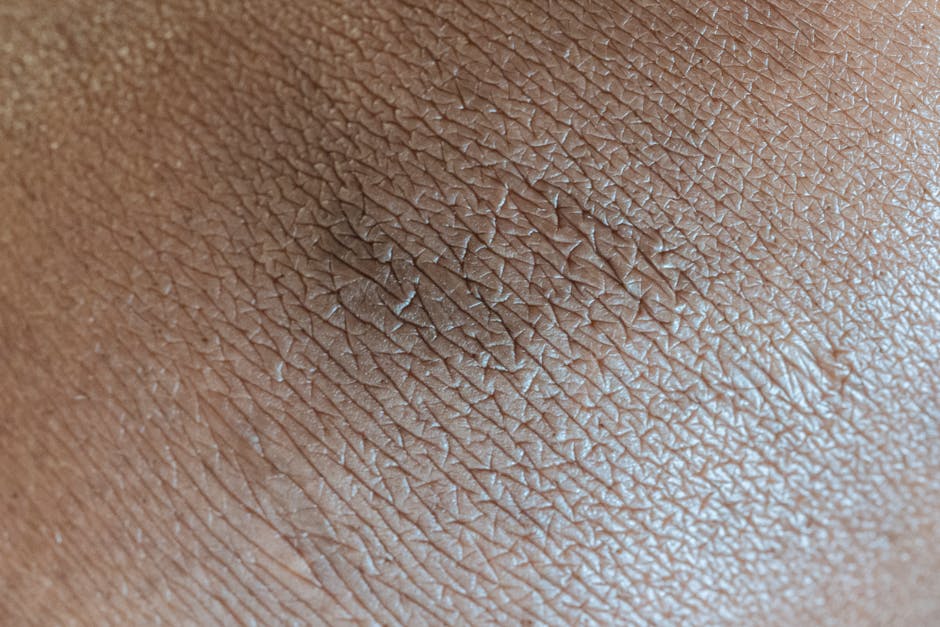
Identifying barrier damage early helps prevent long-term sensitivity. Most symptoms start mild but worsen quickly if ignored.
- Persistent dryness even after moisturizing
- Skin tightness after cleansing or outdoor exposure
- Increased redness or stinging when applying products
- Flaking or rough texture on cheeks and forehead
- Unexpected breakouts caused by inflammation imbalance
These symptoms indicate that your skin’s protective layer is compromised and needs hydration-focused recovery rather than aggressive treatments.
Core Science Behind Skin Barrier Repair
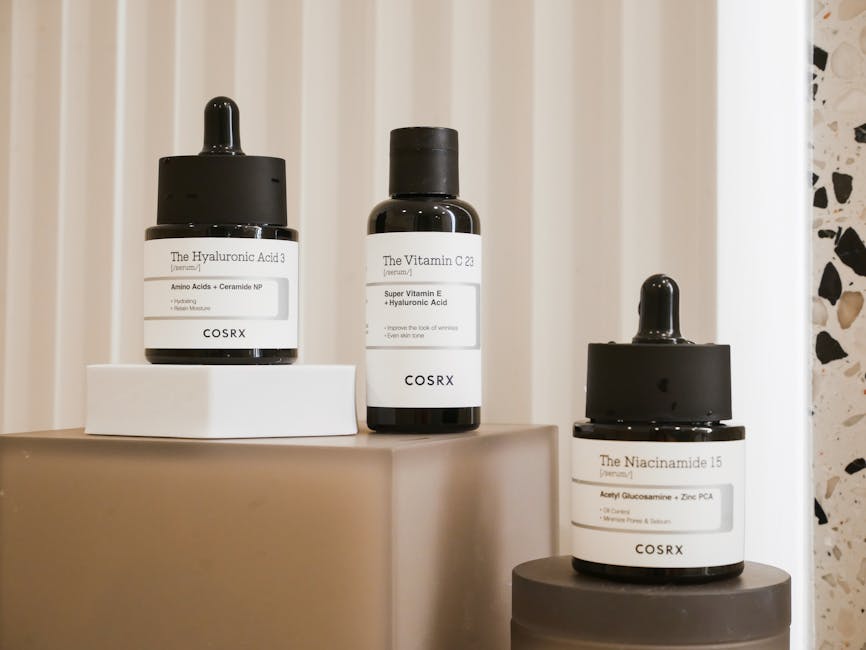
Skin barrier repair relies on restoring three essential components: lipids, hydration molecules, and inflammation control. Each plays a unique role in rebuilding resilience.
Ceramides and Lipid Restoration
Ceramides are essential structural fats that fill gaps between skin cells. When depleted, skin becomes porous and loses moisture quickly.
Niacinamide for Strengthening and Calm
Niacinamide helps reduce inflammation while boosting the production of natural ceramides, making it a key ingredient in barrier recovery routines.
Hyaluronic Acid for Water Retention
This powerful humectant binds water to the skin, improving hydration levels and reducing tightness.
Glycerin for Long-Lasting Moisture
Glycerin draws moisture into the skin and helps maintain hydration throughout the day, especially in dry outdoor environments.
Hydration-First Skin Barrier Repair Framework (Outdoor Survival Routine)

A hydration-first routine is the most effective way to repair damaged skin barriers, especially for hikers and campers. The goal is not layering excessive products but maximizing absorption and moisture retention.
Step 1: Gentle Cleansing Without Stripping
Use a non-stripping cleanser that removes dirt and sweat without disrupting natural oils.
Step 2: Hydrating Serum Application
Apply a lightweight hydrating serum to replenish water levels in the skin immediately after cleansing.
Step 3: Moisturizer Sealing Layer
A nourishing moisturizer locks hydration into the skin and strengthens barrier function.
Step 4: Occlusive Protection for Water Loss Prevention
Occlusive ingredients create a protective seal that prevents moisture evaporation, especially in dry or windy environments.
In outdoor skincare routines, hydration layering is more effective when combined with travel-friendly tools and protective skincare devices found in the Skin and Beauty Care Devices collection.
KentDO™ 3D Silicone Facial Mask – Reusable Hydration Lock
This reusable silicone facial mask enhances hydration by preventing evaporation of serums and creams. It creates a sealed environment that boosts absorption—ideal for repairing skin after long outdoor exposure. By locking moisture into the skin, it accelerates barrier recovery significantly.
Best Outdoor Skin Barrier Routine for Hiking & Camping

Outdoor skincare should be simple, efficient, and hydration-focused. Overcomplicating routines often leads to irritation or product overload.
Morning Hiking Protection Routine
Start with a gentle cleanse, apply hydrating serum, and finish with a moisturizer that includes barrier-supporting ingredients. Always apply sunscreen if UV exposure is expected.
Midday Rehydration Strategy
During long hikes, facial mists or hydrating essences help maintain moisture levels between skincare applications.
Nighttime Recovery Routine
At night, focus on deep hydration and barrier repair. This is when the skin naturally regenerates, making it the best time for intensive treatments.
Minimal Travel-Friendly Skincare Kits
Pack only essentials: cleanser, serum, moisturizer, and occlusive support. This minimizes irritation risk and improves consistency.
Many outdoor enthusiasts streamline their kits using items from the Skincare & Hydration collection for compact travel setups.
Key Ingredients That Strengthen the Skin Barrier Naturally

Understanding ingredients helps you choose products that actively repair rather than just hydrate temporarily.
Ceramides for Structural Repair
They rebuild the skin’s lipid matrix, restoring protective function.
Niacinamide for Barrier Resilience
Improves elasticity, reduces redness, and supports long-term barrier strength.
Hyaluronic Acid for Deep Hydration
Helps skin retain moisture even in dry or windy conditions.
Glycerin for Continuous Moisture Support
Maintains hydration balance throughout the day.
Skin Barrier Repair by Skin Type (Dry, Oily, Sensitive)

Dry Skin
Requires richer creams and occlusives to prevent rapid moisture loss.
Oily Skin
Benefits from lightweight hydration layers that avoid clogging pores while maintaining moisture balance.
Sensitive Skin
Needs minimal ingredients and fragrance-free formulations to avoid irritation during recovery.
Environmental Protection Strategies for Outdoor Skin Health

Cold Weather Protection Layering
Use layered moisturizers to create a protective buffer against cold air.
Wind Barrier Techniques
Apply occlusives to exposed skin areas to reduce moisture stripping.
UV Protection Integration
Always include sunscreen in morning routines during outdoor exposure.
Humidity and Dehydration Prevention
Increase water intake and use hydrating products frequently during long outdoor activities.
For seasonal adjustments, the Hair, Skin & Nail Blog provides deeper insights into environmental skin adaptation strategies.
Nutrition and Hydration Support for Skin Barrier Repair

Topical skincare works best when supported by internal hydration strategies. During hiking or camping, dehydration happens faster than usual.
- Drink water consistently instead of large infrequent amounts
- Use electrolytes to maintain mineral balance
- Consume omega-3 rich foods for skin lipid support
- Include antioxidants to reduce oxidative stress
Skin health is deeply connected to internal hydration balance, especially in extreme outdoor environments.
Common Skin Barrier Repair Mistakes to Avoid

- Over-cleansing, which strips natural oils
- Skipping moisturizer after applying hydration products
- Using exfoliants during active barrier damage
- Ignoring occlusive protection in dry climates
A simple rule: when your barrier is damaged, less is more.
Best Skin Barrier Repair Creams and Outdoor Skincare Essentials
Barrier repair creams are essential for restoring skin health after environmental exposure. They help seal hydration and rebuild lipid structure overnight.
KentDO™ 30pcs Collagen Sleeping Masks – Overnight Repair Treatment

These collagen sleeping masks provide intensive overnight hydration and barrier repair. Designed for deep recovery, they help restore moisture balance while supporting skin elasticity and smoothness after outdoor stress.
For more product discovery, explore the Wellness & Relaxation collection, which includes supportive tools for skin recovery and stress relief after outdoor exposure.
“Consistent hydration layering is more effective for barrier repair than any single active ingredient. The skin heals best when protected, not stripped.” – Dermatology-informed skincare principle
FAQ
How do you repair a damaged skin barrier quickly?
Focus on gentle cleansing, hydration layering, and occlusive sealing. Avoid exfoliation until the skin stabilizes.
What is the best skin barrier cream for hikers and campers?
Look for creams rich in ceramides, glycerin, and occlusive agents that prevent moisture loss in dry environments.
How can cold weather damage your skin barrier?
Cold air reduces humidity, increasing transepidermal water loss and leading to dehydration and irritation.
What ingredients help strengthen the skin barrier naturally?
Ceramides, niacinamide, hyaluronic acid, and glycerin are key ingredients that support barrier repair.
What is the best daily routine for stronger skin barrier protection?
A simple routine of gentle cleansing, hydrating serum, moisturizer, and sunscreen provides consistent protection and repair.
Conclusion
The skin protection barrier is your body’s first line of defense against environmental stress, and it becomes especially vulnerable during hiking, camping, and outdoor exposure. By focusing on hydration-first skincare, reinforcing lipid structure, and avoiding harsh routines, you can significantly improve skin resilience.
Long-term barrier health is not about complexity—it’s about consistency, protection, and understanding how your environment affects your skin daily. With the right approach, even challenging outdoor conditions can become manageable for your skin.
Pillar Article: Best Skincare for Hydration: The Ultimate Camping & Hiking Survival Routine













