

Skincare Routines For Dry Skin: Complete Hydration System For Healthy Skin
Dry skin can feel tight, flaky, itchy, rough, and uncomfortable no matter how many products you apply. For many people, the problem is not simply “lack of moisturizer,” but a weakened skin barrier combined with dehydration, environmental stress, over-cleansing, and inconsistent routines. Building healthy skin requires a hydration-first approach that supports moisture retention from morning to night.
A complete skincare routine for dry skin goes beyond facial creams alone. Gentle cleansing, layered hydration, exfoliation timing, scalp care, overnight recovery treatments, and stress management all influence long-term skin comfort and resilience. Many people also build supportive self-care habits through the Skin and Beauty Care Devices collection and wellness-focused tools that help create consistent home spa routines.
Whether your dryness worsens during winter, after travel, or because of overusing active ingredients, this guide will walk through practical dermatologist-informed strategies for restoring hydration while keeping your routine beginner friendly.
Why Dry Skin Happens: Understanding Hydration and the Skin Barrier

Dry skin develops when the outer layer of the skin cannot effectively hold moisture. This can happen because of genetics, weather, aging, harsh skincare products, stress, or environmental damage. The result is a weakened barrier that loses water too quickly.
What Is Dry Skin?
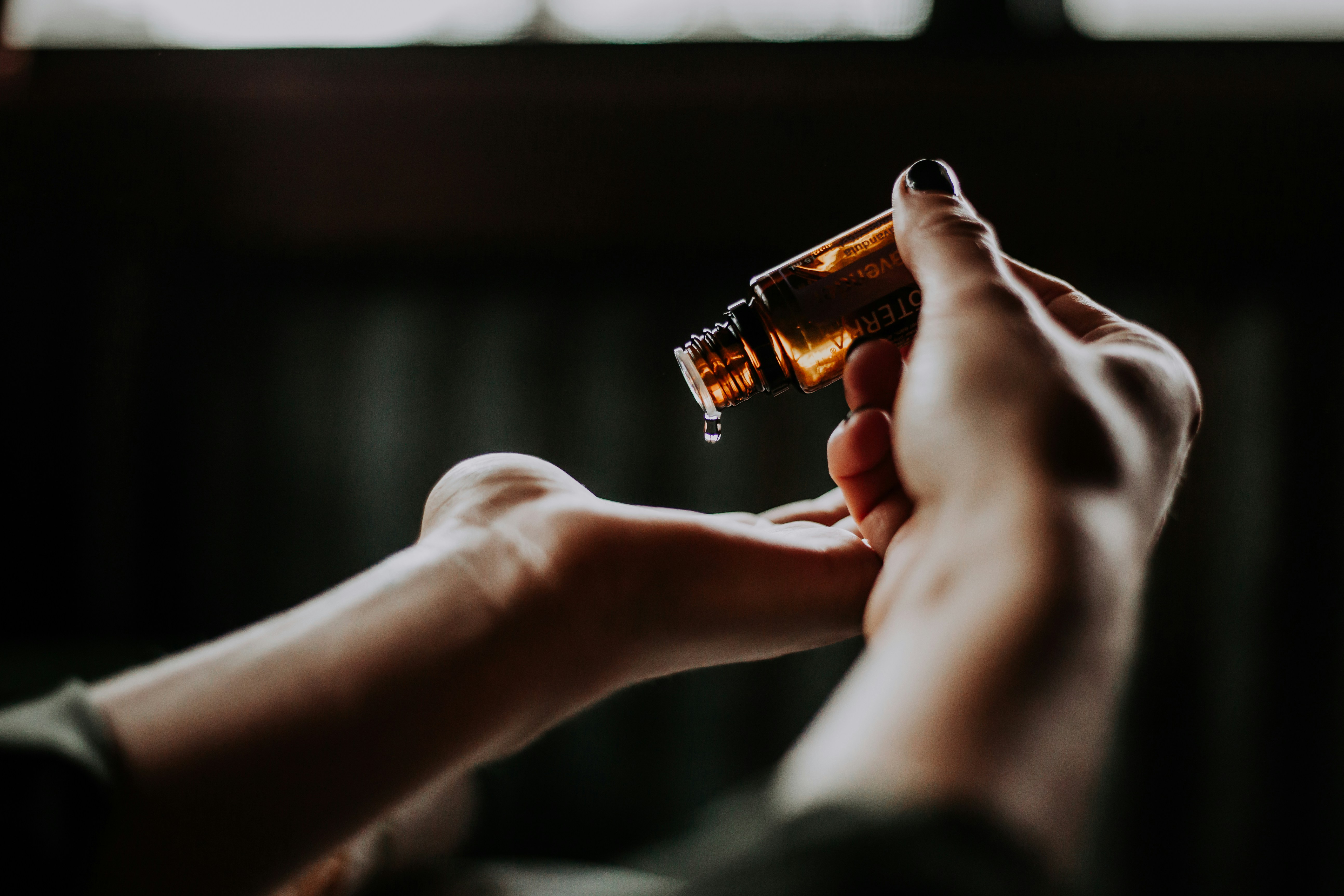
Dry skin is a skin type characterized by lower natural oil production and reduced moisture retention. It often feels rough, flaky, or tight throughout the day. Dehydrated skin, however, refers to a temporary lack of water in the skin and can affect any skin type, including oily skin.
People with dry skin commonly experience:
- Tightness after cleansing
- Visible flaking or rough texture
- Dull appearance
- Redness or irritation
- Fine lines appearing more visible
- Sensitivity to weather changes
How the Skin Barrier Protects Moisture
The skin barrier acts like a protective shield. It helps retain water while blocking irritants, pollution, and bacteria from penetrating deeper layers of the skin. Ceramides, fatty acids, and cholesterol work together to maintain this protective function.
When the barrier becomes damaged, water escapes more quickly. This process is called transepidermal water loss. Over time, skin becomes increasingly dry, reactive, and inflamed.
Supportive hydration practices often include gentle cleansing, consistent moisturization, humidified indoor air, and minimizing unnecessary exfoliation.
Common Causes of Chronic Dryness
Several daily habits contribute to ongoing skin dehydration:
- Hot showers that strip protective oils
- Harsh foaming cleansers
- Cold weather and indoor heating
- Over-exfoliation
- Excessive use of retinoids or acids
- Stress and lack of sleep
- Low humidity environments
- Aging-related oil production decline
People looking to create more supportive self-care environments often explore the Wellness & Relaxation collection to build stress-reducing routines that support overall skin recovery.
Signs Your Skin Barrier Needs Repair
Your skin barrier may need repair if you notice:
- Persistent tightness even after moisturizing
- Burning or stinging after skincare application
- Sudden sensitivity
- Increased redness
- Patchy roughness
- Dryness that worsens after exfoliation
- Makeup sitting unevenly on the skin
Barrier repair focuses on reducing irritation while restoring moisture through gentle, consistent skincare habits.
The Best Daily Skincare Routine for Dry Skin

A daily routine for dry skin should focus on hydration layering, barrier support, and minimizing moisture loss. Consistency matters more than using aggressive treatments or complicated routines.
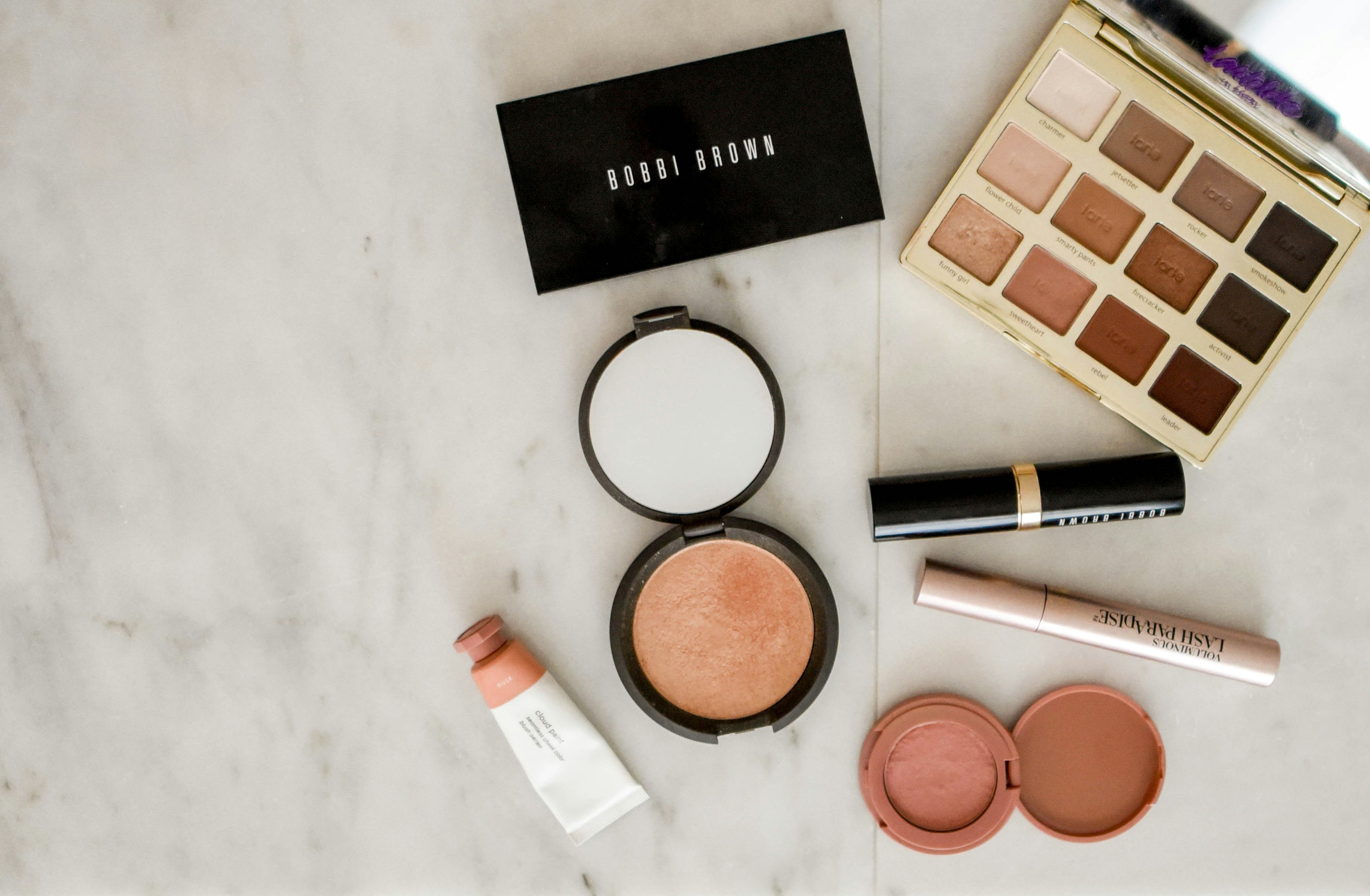
| Morning Routine | Night Routine |
| Gentle cleanser | Cream cleanser or cleansing balm |
| Hydrating toner | Hydrating essence or toner |
| Hydrating serum | Barrier-repair serum |
| Moisturizer | Rich moisturizer or sleeping mask |
| SPF 30+ | Facial oil if needed |
Step 1: Gentle Cleansing Without Stripping Moisture
Dry skin benefits from low-foam cream cleansers that remove debris without disrupting protective lipids. Cleansing once in the morning and once at night is usually enough.
Avoid:
- Harsh sulfates
- Overly fragranced cleansers
- Alcohol-heavy formulas
- Excessive scrubbing
Many people pair gentle cleansing routines with supportive skincare tools found in the Skincare & Hydration collection for more comfortable at-home hydration care.
Step 2: Hydrating Toners and Essences
Hydrating toners replenish water immediately after cleansing. Ingredients like glycerin, hyaluronic acid, aloe vera, and panthenol help pull moisture into the skin.
Applying toner to damp skin can improve moisture retention while preparing the skin for serums and moisturizers.
Step 3: Serums That Support Long-Term Hydration
Hydrating serums help reinforce moisture retention and skin barrier recovery. Popular ingredients include:
- Hyaluronic acid
- Ceramides
- Niacinamide
- Squalane
- Beta-glucan
- Peptides
For deeper at-home hydration support, some skincare enthusiasts incorporate facial treatment devices like the KentDO™ Hydra Facial Machine – Deep Cleansing & Hydration.

This type of home facial device is often used to support hydration-focused spa routines by combining cleansing, serum infusion, and gentle exfoliation in a beginner-friendly way.
Step 4: Moisturizers That Lock In Hydration
Moisturizers create a protective layer that slows water loss. Dry skin generally responds well to formulas containing:
- Ceramides
- Shea butter
- Squalane
- Fatty acids
- Dimethicone
- Colloidal oatmeal
Apply moisturizer immediately after toner or serum while the skin is still slightly damp.
Step 5: Daily SPF for Dry and Sensitive Skin
UV exposure weakens the skin barrier and accelerates moisture loss. Daily sunscreen helps preserve hydration while reducing irritation and premature aging.
Dry skin typically benefits from cream-based SPF formulas rather than drying gel sunscreens.
Morning vs Night Routine Differences
Morning routines should prioritize hydration and environmental protection, while nighttime routines focus more heavily on recovery and repair.
At night, you can use richer moisturizers, sleeping masks, or facial oils because the skin naturally repairs itself during sleep.
People building full home spa environments often combine hydration routines with products from the Body Care and Health Devices collection for broader self-care support.
The Most Important Ingredients for Dry Skin Recovery
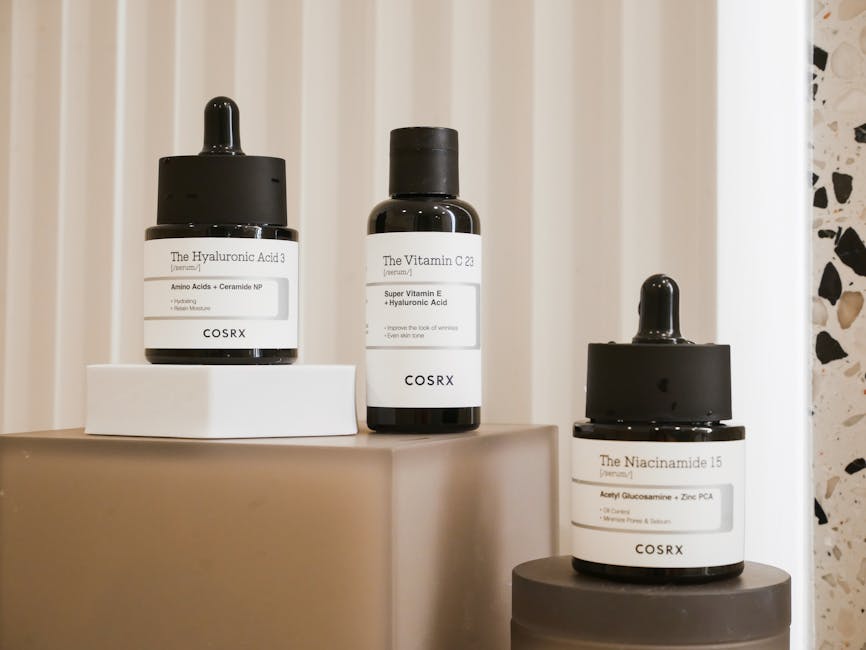
Ingredient education is one of the most important parts of building an effective routine. Understanding how hydration ingredients work helps prevent unnecessary irritation and over-complication.
| Ingredient | Main Benefit | Best For |
| Hyaluronic Acid | Water retention | Dehydrated skin |
| Ceramides | Barrier repair | Sensitive dry skin |
| Squalane | Moisture sealing | Rough flaky skin |
| Glycerin | Humectant hydration | Daily hydration |
| Colloidal Oatmeal | Soothing irritation | Reactive skin |
| Shea Butter | Deep nourishment | Overnight repair |
Why Hyaluronic Acid Helps Dry Skin Stay Plump
Hyaluronic acid binds water to the skin surface, helping maintain softness and elasticity. It works best when applied to damp skin and sealed with moisturizer.
Ceramides and Skin Barrier Repair
Ceramides are lipids naturally found in the skin barrier. Dry skin often has lower ceramide levels, which contributes to increased moisture loss.
Barrier-repair moisturizers frequently combine ceramides with fatty acids and cholesterol for better long-term hydration support.
Glycerin vs Squalane: What Is the Difference?
Glycerin is a humectant that draws water into the skin, while squalane is an emollient that softens and seals moisture.
Humectants hydrate. Emollients smooth. Occlusives lock everything in.
Most effective dry skin routines combine all three functions together.
Colloidal Oatmeal for Irritated and Sensitive Skin
Colloidal oatmeal helps soothe itching, redness, and irritation. It supports moisture retention while calming reactive skin.
This ingredient is especially popular during winter or after over-exfoliation.
How Shea Butter Supports Overnight Moisture Recovery
Shea butter creates a rich protective layer that minimizes overnight moisture loss. It works especially well on elbows, knees, hands, and feet.
People who experience seasonal dryness often combine overnight hydration care with routines inspired by the Body & Face Blog for additional barrier-supportive skincare ideas.
Humectants vs Occlusive Moisturizers Explained
Humectants attract water into the skin. Occlusives form a barrier that prevents evaporation.
Examples of humectants:
- Hyaluronic acid
- Glycerin
- Aloe vera
Examples of occlusives:
- Petrolatum
- Shea butter
- Lanolin
- Dimethicone
Dry skin routines generally need both categories for balanced hydration.
Weekly Hydration Treatments for Extremely Dry Skin

Weekly treatments help reinforce moisture recovery while creating relaxing self-care rituals that support consistency.

Best DIY Hydrating Face Masks for Dry Skin
Simple hydrating masks can temporarily soften and replenish dry skin.
Popular beginner-friendly ingredients include:
- Honey
- Oatmeal
- Yogurt
- Aloe vera
- Avocado
Always patch test DIY ingredients before applying them to the full face.
How Overnight Masks Improve Water Retention
Overnight masks create a protective layer that slows moisture evaporation while supporting skin recovery during sleep.
These treatments are especially useful during winter, after flights, or when the skin feels unusually tight.
Overnight Hand and Foot Masks for Deep Repair
Hands and feet often become dry faster because of frequent washing, friction, and environmental exposure.
Apply a thick cream before bed and wear cotton gloves or socks overnight for deeper hydration.
Additional comfort-focused self-care products are commonly explored through the Foot & Body Comfort collection.
Hydrating Bath Rituals That Do Not Dry Out Skin
Long hot baths can worsen dryness, but properly managed baths can support hydration and relaxation.
Tips for hydration-friendly baths:
- Use lukewarm water
- Limit baths to 10–15 minutes
- Add bath oils or colloidal oatmeal
- Apply moisturizer immediately afterward
- Avoid harsh foaming soaps
People creating calming spa environments often combine baths with aromatherapy routines and wellness products from the Lifestyle collection.
How Often Should You Exfoliate Dry Skin Safely?
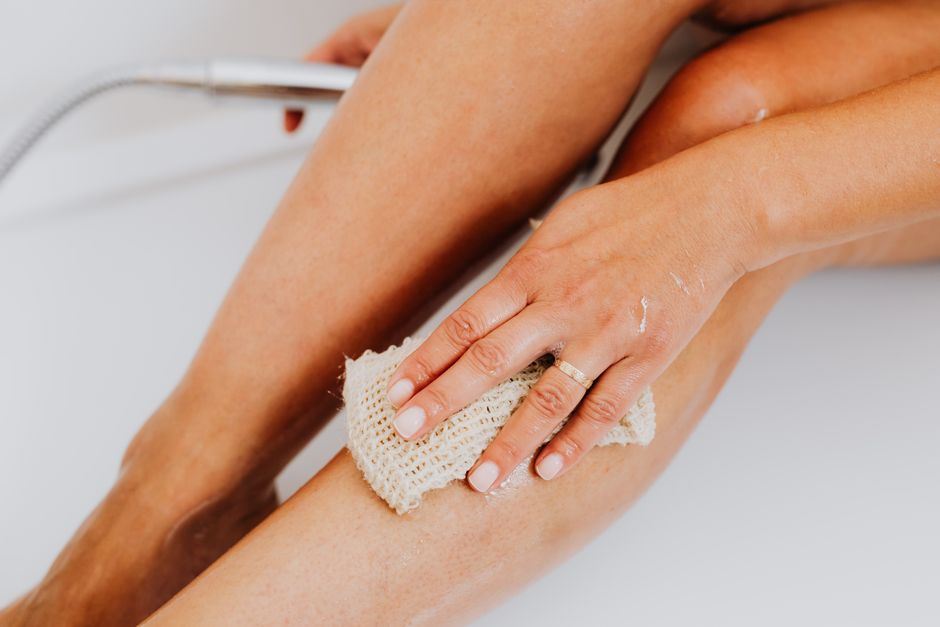
Exfoliation removes dead skin buildup, but overdoing it can seriously damage the skin barrier. Dry skin requires a gentle and controlled approach.

Physical vs Chemical Exfoliation for Dry Skin
Physical exfoliation uses scrubs, gloves, brushes, or textured tools to remove dead skin manually. Chemical exfoliation uses acids like lactic acid or mandelic acid to dissolve buildup more gently.
Dry skin often tolerates mild chemical exfoliants better than aggressive scrubs.
A gentle shower accessory like the KentDO™ Soft Bath Sponge – Exfoliating & Skin Renewal can support mild body exfoliation without overly abrasive friction.

Signs You Are Over-Exfoliating
Common signs include:
- Burning or stinging
- Redness
- Peeling
- Increased dryness
- Tight shiny skin
- Sudden sensitivity
If these symptoms appear, stop exfoliating temporarily and focus only on hydration and barrier repair.
Best Exfoliation Schedule by Skin Sensitivity
| Skin Sensitivity Level | Recommended Exfoliation Frequency |
| Very sensitive dry skin | Once every 10–14 days |
| Moderate dry skin | 1–2 times weekly |
| Combination dry skin | 2 times weekly |
How to Rehydrate Skin After Exfoliation
Immediately after exfoliating:
- Apply hydrating toner
- Use barrier-repair serum
- Seal with moisturizer
- Avoid strong active ingredients for 24 hours
- Wear SPF during the day
Seasonal Skincare Routines for Dry Skin

Dry skin changes throughout the year. Adapting your routine seasonally helps maintain consistent hydration and barrier strength.

Winter Hydration Strategies for Cold Weather
Winter air contains less humidity, while indoor heating removes additional moisture from the skin.
Helpful winter adjustments include:
- Using thicker moisturizers
- Reducing exfoliation frequency
- Adding overnight masks
- Using humidifiers indoors
- Limiting hot showers
Summer Dry Skin Care Without Heavy Greasiness
Dry skin still needs hydration during summer, but lightweight layers often feel more comfortable.
Look for gel-cream moisturizers, hydrating mists, and lighter emulsions while continuing daily SPF use.
Indoor Heating and Air Conditioning Damage
Climate-controlled environments reduce moisture levels in the air, which can increase water loss from the skin.
Humidifiers and consistent moisturization help offset environmental dehydration.
Travel-Friendly Hydration Tips
Travel can worsen dryness because of recycled airplane air, weather shifts, and disrupted routines.
- Carry travel-sized moisturizer
- Use hydrating facial mist
- Avoid harsh hotel soaps
- Apply lip balm frequently
- Drink water consistently
Travel wellness essentials are often paired with products from the Gifts & Accessories collection for portable self-care support.
Full-Body Hydration: Beyond Facial Skincare

Healthy skin routines should include the body, scalp, hands, and feet. Dryness rarely affects only the face.

Dry Brushing Benefits and Common Mistakes
Dry brushing uses a soft brush to gently exfoliate and stimulate circulation before bathing.
Potential benefits include:
- Smoother skin texture
- Temporary circulation support
- Removal of dry flaky buildup
- Improved product absorption
Common mistakes include brushing too aggressively, brushing inflamed skin, or overdoing frequency.
Scalp Hydration and Flaky Scalp Care
A dry scalp often results from buildup, harsh shampoos, or environmental dryness.
Helpful scalp care habits include:
- Using gentle sulfate-free shampoo
- Avoiding excessively hot water
- Applying lightweight scalp oils
- Massaging the scalp gently
- Limiting over-washing
Hair wellness routines can be expanded through the Hair Care and Styling Devices collection for additional scalp-focused care support.
How to Repair Dry Hands and Cracked Feet
Hands and feet require richer moisturizers because they experience more friction and washing.
For severe dryness:
- Apply thick cream after washing
- Use overnight cotton gloves or socks
- Exfoliate gently once weekly
- Avoid alcohol-heavy sanitizers when possible
Best Body Oils and Creams for Overnight Moisture
Body oils help seal moisture while body creams provide hydration and emollient support.
Applying oils immediately after showering helps trap moisture while the skin is still damp.
Stress, Sleep, and Hydration: The Lifestyle Connection

Skincare is influenced by more than topical products. Stress levels, sleep quality, hydration habits, and relaxation routines all affect barrier health.

How Stress Impacts Skin Barrier Function
Stress increases inflammation and can disrupt the skin barrier. Many people notice worsening dryness, sensitivity, or flare-ups during stressful periods.
Relaxation routines help improve consistency and overall wellness habits.
Aromatherapy and Relaxation Rituals for Self-Care
Aromatherapy baths, calming music, meditation, and massage routines can create a more restorative environment for both mind and skin.
Popular relaxation-focused essential oils include:
- Lavender
- Chamomile
- Eucalyptus
- Frankincense
- Sandalwood
Many people create calming evening spa routines with products from the Warmth & Heat Therapy collection to encourage relaxation and recovery.
Sleep Habits That Improve Skin Recovery
The skin performs much of its repair work overnight. Poor sleep can worsen inflammation and moisture imbalance.
Helpful sleep-supportive habits include:
- Maintaining a consistent bedtime
- Using silk pillowcases
- Applying overnight moisturizer
- Reducing late-night screen exposure
- Keeping bedroom humidity balanced
Hydration From Within: Water Intake and Nutrition
Topical hydration matters most for dry skin, but overall wellness still influences skin condition.
Supportive foods include:
- Fatty fish
- Avocados
- Nuts and seeds
- Leafy greens
- Water-rich fruits
Common Dry Skin Mistakes That Make Hydration Worse
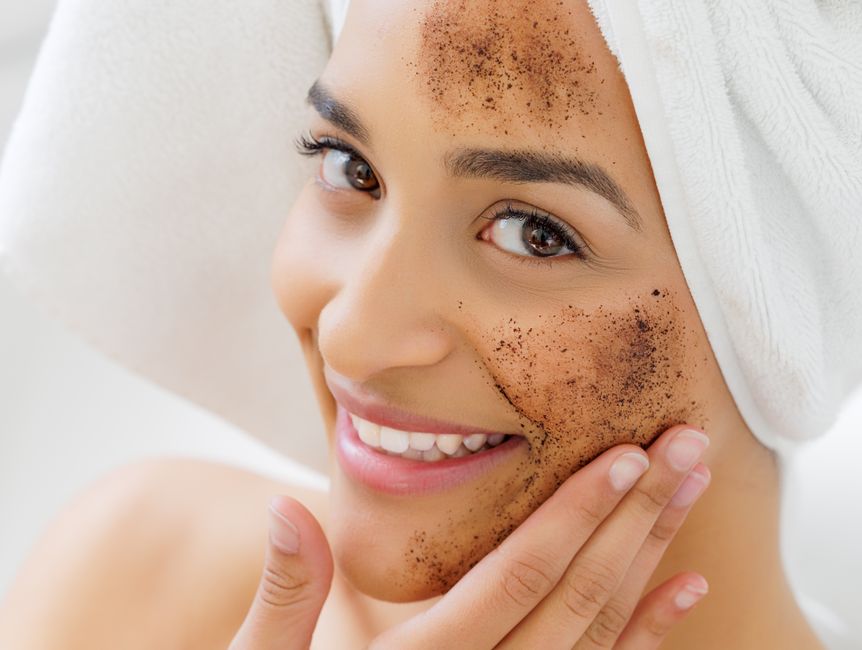
Many skincare habits unintentionally worsen dryness. Correcting these mistakes can improve comfort quickly.
Using Water That Is Too Hot
Very hot water removes protective oils from the skin and weakens the barrier.
Lukewarm water is much gentler for both facial and body cleansing.
Skipping Moisturizer After Cleansing
Moisturizer should ideally be applied within a few minutes after washing while the skin is still slightly damp.
Waiting too long allows moisture to evaporate.
Overusing Active Ingredients
Too many exfoliating acids, retinoids, or acne treatments can compromise hydration.
Dry skin usually responds best to slower, gentler routines with fewer irritating ingredients.
Choosing Harsh Fragranced Products
Strong fragrances and alcohol-heavy skincare can increase irritation for sensitive dry skin.
Fragrance-free or low-irritation formulas are often safer for compromised barriers.
Simple Beginner Hydration Routine by Skin Type

Different types of dry skin benefit from slightly different hydration strategies. Personalizing your routine improves long-term consistency.
Dry and Sensitive Skin Routine
- Gentle cream cleanser
- Hydrating toner
- Ceramide serum
- Fragrance-free moisturizer
- Mineral SPF
Dry and Acne-Prone Skin Routine
- Low-foam cleanser
- Niacinamide serum
- Lightweight moisturizer
- Non-comedogenic SPF
- Minimal exfoliation
Mature Dry Skin Hydration Routine
- Hydrating cleanser
- Peptide serum
- Rich moisturizer
- Facial oil at night
- Daily SPF protection
Minimalist 5-Minute Hydration Routine
Simple routines are often easier to maintain consistently.
- Gentle cleanser
- Hydrating serum
- Moisturizer
- SPF in the morning
People who want to continue learning about hydration-focused skincare and self-care practices often explore the Beauty & Self-Care Blog for additional routines and wellness ideas.
Frequently Asked Questions
What is the best daily skincare routine for dry skin?
A gentle cleanser, hydrating toner, serum, moisturizer, and daily SPF form the foundation of a strong dry skin routine.
How can I keep my skin hydrated all day naturally?
Use layered hydration, avoid harsh cleansers, moisturize consistently, protect the skin barrier, and minimize excessive exfoliation.
What ingredients help repair an extremely dry skin barrier?
Ceramides, glycerin, hyaluronic acid, colloidal oatmeal, squalane, and shea butter all support hydration and barrier recovery.
How often should you exfoliate dry skin safely?
Most people with dry skin should exfoliate only once or twice weekly depending on sensitivity levels.
What are the best DIY hydrating face masks for dry skin?
Honey, oatmeal, yogurt, aloe vera, and avocado are commonly used for temporary soothing hydration support.
Can dry skin become oily from over-moisturizing?
Over-moisturizing does not directly create oily skin, but very heavy products may feel greasy or clog pores for some people.
What is the difference between dry skin and dehydrated skin?
Dry skin lacks oil, while dehydrated skin lacks water. A person can experience both at the same time.
Should people with dry skin use facial oils daily?
Facial oils can help seal moisture, especially at night, but they should usually be layered over hydrating products rather than used alone.
Why does my skin still feel dry after moisturizing?
The skin barrier may be damaged, or the moisturizer may not contain enough barrier-supportive ingredients like ceramides and occlusives.
What products should be avoided for extremely dry skin?
Harsh scrubs, strong alcohol-based products, heavily fragranced skincare, and aggressive exfoliating acids may worsen dryness.
Conclusion
Healthy hydrated skin develops through gentle consistency rather than aggressive treatments. A strong skincare routine for dry skin focuses on supporting the skin barrier, layering hydration properly, minimizing irritation, and adapting routines to seasonal and lifestyle changes.
From daily moisturization and scalp care to exfoliation timing and stress management, small habits collectively improve long-term skin comfort and resilience. Building a calm, hydration-first self-care system often leads to more sustainable results than chasing quick fixes.
For additional hydration tools, wellness inspiration, and beginner-friendly self-care support, explore the Skin and Beauty Care Devices collection and related wellness categories designed for comfortable at-home care routines.
Pillar Article: Spa Products for Home: Build the Ultimate Self-Care Routine













