

Stretching Exercises for Desk Workers: The Ultimate Office Mobility & Posture Guide
Modern office work keeps millions of people seated for hours at a time, often leading to stiff hips, rounded shoulders, neck tension, lower back discomfort, reduced circulation, and mental fatigue. Whether you work from a traditional office or a home workstation, long periods of sitting can gradually affect posture, mobility, focus, and energy levels. The good news is that simple movement habits and stretching exercises can dramatically improve comfort and productivity throughout the workday.
This guide explains the science behind sedentary stiffness, outlines the best stretching exercises for desk workers, and shows how to build a practical mobility routine that supports posture, circulation, flexibility, and workplace wellness. You will also learn how workstation ergonomics, movement scheduling, and recovery habits work together to reduce strain and improve daily comfort.
Many remote workers also combine daily mobility habits with ergonomic accessories found in the Body Care and Health Devices collection to create a more supportive work environment.
Why Desk Workers Experience Stiffness, Fatigue, and Posture Problems

Desk jobs place the body in repetitive positions for extended periods. Over time, muscles adapt to limited movement patterns, joints lose mobility, and circulation decreases. These physical changes often lead to neck strain, lower back discomfort, shoulder tightness, and chronic fatigue.
How Sitting for Long Hours Affects the Spine and Muscles
When sitting for prolonged periods, the hips remain flexed while the chest and shoulders gradually round forward. This position places additional pressure on the lumbar spine and shortens the hip flexors. At the same time, the upper back becomes stiff and the neck muscles work harder to support head position.
Common effects of prolonged sitting include:
- Forward head posture
- Rounded shoulders
- Tight hip flexors
- Reduced thoracic mobility
- Compressed lumbar spine
- Weak glute and core activation
- Reduced circulation in the legs
Even highly adjustable ergonomic chairs cannot completely eliminate the effects of prolonged inactivity. Regular movement remains essential for spinal health and muscular balance.
The Connection Between Sedentary Lifestyle and Chronic Pain
One of the biggest contributors to workplace discomfort is movement deprivation. When muscles stay inactive for too long, tissues become stiff and circulation slows down. This contributes to tension headaches, neck stiffness, lower back pain, wrist discomfort, and leg fatigue.
Workers who spend long hours at desks often experience:
- Neck strain from monitor positioning
- Shoulder tightness from typing posture
- Lower back compression from unsupported sitting
- Reduced leg circulation
- Wrist and forearm fatigue from repetitive keyboard use
Adding simple mobility exercises throughout the day helps counter these repetitive stress patterns.
Why Office Workers Lose Mobility Faster Than They Realize
The human body adapts to repeated positions. If sitting becomes the dominant posture every day, the body gradually loses flexibility and movement efficiency. Many office workers notice stiffness only after years of limited mobility.
Daily movement routines help preserve:
- Joint mobility
- Postural alignment
- Circulation efficiency
- Muscle flexibility
- Energy levels
- Long-term spinal health
Educational wellness resources in the Body & Face Blog often emphasize that consistency matters more than intensity when improving posture and mobility.
The Benefits of Stretching Exercises for Desk Workers

Stretching supports circulation, flexibility, posture awareness, and muscular recovery. For office workers, movement breaks can also improve concentration and reduce fatigue during long work sessions.
How Stretching Improves Circulation and Energy Levels
Movement increases blood flow to muscles and joints. Improved circulation helps transport oxygen and nutrients throughout the body, which may reduce fatigue and stiffness.
Benefits of regular stretching include:
- Improved circulation
- Reduced muscle tightness
- Better joint mobility
- Increased alertness
- Less physical fatigue
- Improved posture awareness
Short movement breaks can be especially useful during afternoon productivity slumps.
The Link Between Mobility, Focus, and Productivity
Physical discomfort often reduces concentration and work efficiency. Workers who remain seated for long periods may experience mental fatigue alongside muscular stiffness.
Movement breaks can support:
- Improved concentration
- Reduced stress
- Better posture awareness
- Enhanced energy levels
- Reduced tension headaches
- Improved work endurance
Simple mobility routines are increasingly included in modern workplace wellness programs because movement positively affects both comfort and cognitive performance.
Can Stretching Help Correct Poor Posture?
Stretching alone does not permanently correct posture, but it plays a major role in improving movement balance and reducing muscular tightness associated with poor positioning.
Posture improvement typically requires:
- Mobility training
- Strengthening weak muscles
- Ergonomic workstation adjustments
- Frequent movement breaks
- Awareness of sitting habits
Combining stretching with supportive ergonomic setups creates better long-term results than relying on one strategy alone.
The Best Stretching Exercises for Desk Workers by Pain Area

Different body regions respond to prolonged sitting in different ways. The most effective office stretching routines target common problem areas caused by desk work.
Neck Stretches for Computer-Related Neck Strain
Neck strain commonly develops from forward head posture and poorly positioned monitors.
Effective neck stretches include:
- Chin tucks
- Upper trapezius stretch
- Neck side bends
- Gentle neck rotations
- Shoulder blade squeezes
Perform each movement slowly without forcing range of motion.
| Stretch | Duration | Primary Benefit |
| Chin Tucks | 10 repetitions | Improves head alignment |
| Upper Trap Stretch | 20 seconds each side | Reduces neck tension |
| Neck Rotations | 10 repetitions | Improves cervical mobility |
Shoulder and Chest Stretches for Rounded Posture
Rounded shoulders often result from prolonged keyboard use and slouched sitting.
Helpful exercises include:
- Doorway chest stretch
- Shoulder rolls
- Wall angels
- Scapular retractions
- Thoracic opening stretches
These movements help open the chest while encouraging better shoulder positioning.
Thoracic Mobility Exercises for Upper Back Tightness
The thoracic spine tends to stiffen during prolonged desk work. Reduced thoracic mobility often contributes to rounded posture and neck strain.
Effective thoracic mobility exercises include:
- Cat-cow stretches
- Thoracic rotations
- Foam roller extensions
- Seated spinal twists
- Thread-the-needle stretches
Thoracic mobility work can help improve upright posture and reduce upper back tightness.
Hip Flexor Stretch Routines for Sitting Recovery
Hip flexors shorten during extended sitting. Tight hips can contribute to lower back discomfort and reduced mobility.
Helpful hip stretches include:
- Kneeling hip flexor stretch
- Pigeon pose variations
- Standing quad stretch
- Glute stretches
- Hamstring mobility drills
Workers who spend most of the day seated often benefit from standing and walking between meetings whenever possible.
Lower Back Mobility Exercises for Office Workers
The lower back often becomes compressed after prolonged sitting.
Supportive lower back movements include:
- Pelvic tilts
- Knees-to-chest stretches
- Child’s pose
- Seated spinal decompression
- Gentle lumbar rotations
Many workers also use wellness tools from the Wellness & Relaxation collection to support recovery after long work sessions.
Wrist and Forearm Stretches for Keyboard Fatigue
Typing and mouse use place repetitive stress on the wrists and forearms.
Useful stretches include:
- Wrist flexor stretch
- Wrist extensor stretch
- Finger extension drills
- Forearm rotations
- Grip-release exercises
Frequent microbreaks can help reduce repetitive strain during long computer sessions.
Quick Stretching Routines by Time Available
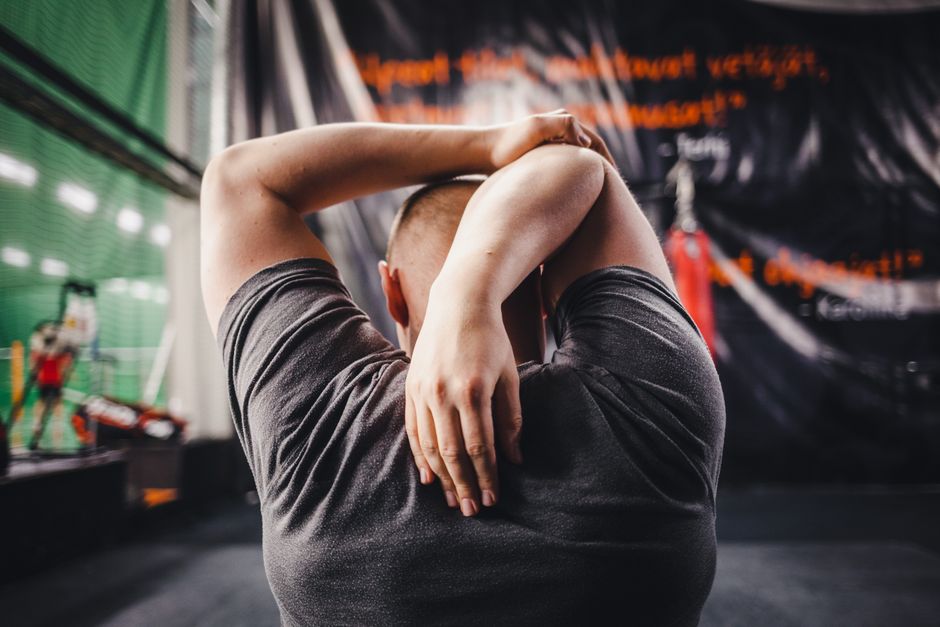
One of the most effective ways to maintain consistency is organizing movement routines by available time.
The 2-Minute Microbreak Routine
This quick routine fits between meetings or work tasks.
- Shoulder rolls – 20 seconds
- Neck stretches – 30 seconds
- Standing hip stretch – 30 seconds
- Wrist stretches – 20 seconds
- Deep breathing – 20 seconds
Microbreaks help interrupt long periods of static posture.
A 5-Minute Office Mobility Reset
A slightly longer routine can improve circulation and reduce stiffness.
- Thoracic rotations
- Standing forward fold
- Hip flexor stretch
- Wall chest stretch
- Walking break
Even short movement sessions can help refresh mental focus during demanding workdays.
The 10-Minute Full Desk Worker Stretch Flow
This routine provides a more complete mobility reset.
| Exercise | Time | Focus Area |
| Neck Mobility | 1 minute | Cervical tension |
| Chest Stretch | 1 minute | Rounded shoulders |
| Thoracic Rotation | 2 minutes | Upper back mobility |
| Hip Flexor Stretch | 2 minutes | Hip tightness |
| Hamstring Stretch | 2 minutes | Lower body mobility |
| Walking Break | 2 minutes | Circulation |
End-of-Day Recovery Stretches for Remote Workers
Remote workers often remain seated longer due to reduced commuting and fewer movement interruptions.
Helpful evening recovery activities include:
- Gentle yoga flows
- Light walking
- Hip mobility drills
- Breathing exercises
- Foam rolling
- Spinal decompression stretches
Some people also create calming recovery routines with comfort tools from the Foot & Body Comfort collection.
How Often Should You Stretch During Office Work?
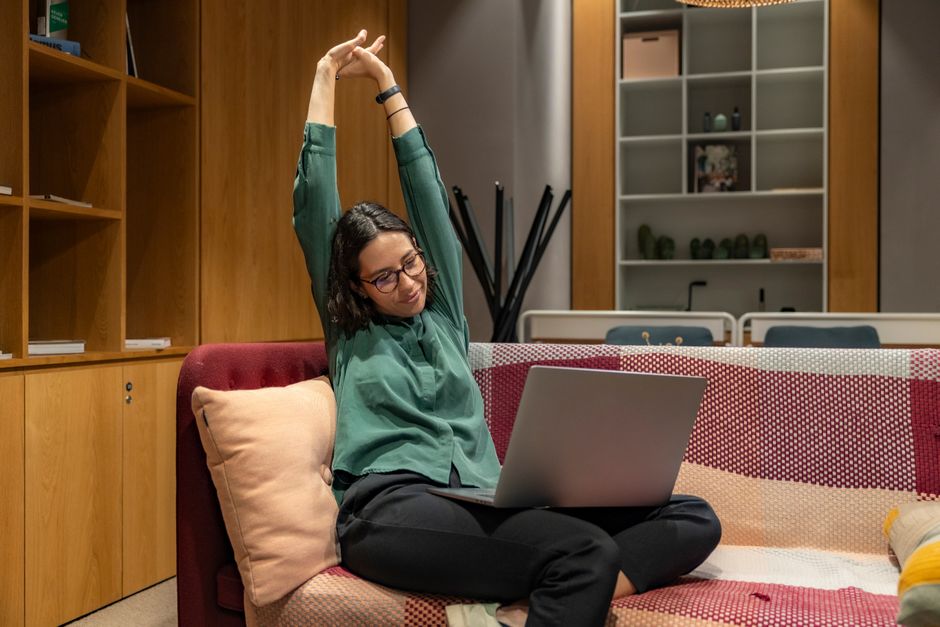
Regular movement throughout the day is more effective than a single long stretch session after work.
The Ideal Movement Schedule for Desk Workers
Experts generally recommend changing position or moving every 30 to 60 minutes.
An effective movement schedule may include:
- Standing every 30 minutes
- Short walks every hour
- Stretching every 1 to 2 hours
- Longer mobility sessions before or after work
Movement consistency is more important than intensity.
How Long Should Stretch Breaks Last?
Most workplace mobility breaks only need 2 to 5 minutes to provide noticeable benefits.
Longer recovery sessions may be helpful after extended sitting days or physically stressful work periods.
Signs Your Body Needs More Movement During the Workday
Common warning signs include:
- Frequent neck stiffness
- Shoulder tension
- Lower back discomfort
- Leg numbness
- Reduced concentration
- Fatigue during afternoon hours
- Difficulty maintaining upright posture
These symptoms often indicate the need for more frequent movement and ergonomic adjustments.
Workstation Ergonomics That Support Better Mobility and Posture

Stretching becomes far more effective when combined with ergonomic workstation design. A supportive setup reduces physical stress while encouraging healthier movement patterns.
How Workplace Ergonomics Reduce Physical Stress
Ergonomic positioning reduces unnecessary strain on joints and muscles.
Key ergonomic principles include:
- Monitor at eye level
- Feet flat on the floor
- Neutral wrist alignment
- Relaxed shoulders
- Supported lower back
- Proper chair height
Workers exploring ergonomic wellness tools often browse the Lifestyle collection for desk-friendly comfort solutions.
Standing Desk Strategies for Movement Integration
Standing desks can help reduce prolonged sitting time, but they work best when used strategically.
Helpful standing desk habits include:
- Alternating between sitting and standing
- Using anti-fatigue mats
- Taking walking breaks
- Maintaining neutral posture
- Avoiding prolonged standing without movement
Movement variation is more beneficial than remaining in any single position all day.
Choosing Lumbar Support for Long Work Sessions
Proper lumbar support helps maintain spinal alignment during seated work.
Some workers use supportive posture devices as reminders to avoid slouching during long computer sessions.
KentDO™ Smart Posture Corrector – Vibration Reminder Trainer is one example of a posture-support device designed to encourage awareness of sitting habits during office work.

Ergonomic support products work best when combined with regular movement, stretching, and workstation adjustments.
The Best Desk Setup for Posture Correction
A posture-friendly desk setup typically includes:
| Workspace Element | Recommended Position |
| Monitor | Top of screen at eye level |
| Keyboard | Elbows near 90 degrees |
| Chair | Lumbar support aligned to lower back |
| Feet | Flat on floor or footrest |
| Mouse | Close to body |
Supportive workstation organization tips and wellness education can also be found through the Beauty & Self-Care Blog.
The Complete Daily Movement Blueprint for Office Workers

Building mobility into the structure of the workday helps prevent stiffness before discomfort becomes severe.
Morning Mobility Before Starting Work
Morning movement prepares the body for prolonged sitting.
Helpful morning exercises include:
- Cat-cow stretches
- Hip openers
- Neck mobility drills
- Arm circles
- Light walking
Even 5 to 10 minutes of movement can improve circulation and posture awareness before work begins.
Midday Circulation and Posture Reset
Midday movement breaks help reduce accumulated stiffness.
Effective midday resets may include:
- Walking meetings
- Standing stretches
- Thoracic rotations
- Deep breathing
- Short outdoor walks
Workers who experience muscle tightness after long work sessions sometimes incorporate gentle heat-based recovery tools from the Warmth & Heat Therapy collection into their recovery routines.
Afternoon Anti-Fatigue Stretching Routine
Afternoon fatigue commonly appears after several hours of sitting and screen exposure.
An anti-fatigue routine may include:
- Standing hamstring stretch
- Shoulder mobility drills
- Ankle pumps
- Chest opening stretches
- Walking breaks
Movement during afternoon hours often helps restore mental focus and energy.
Evening Recovery for Long-Term Mobility Health
Evening recovery routines support flexibility and reduce accumulated tension from the workday.
Popular recovery habits include:
- Gentle yoga
- Breathing exercises
- Light stretching
- Walking
- Heat therapy
- Spinal mobility work
Some remote workers use supportive relaxation devices such as the KentDO™ Neck & Shoulder Massager – Hot Compress Relief to complement evening mobility and recovery habits after extended desk work.

Common Stretching Mistakes Desk Workers Should Avoid

Stretching can be highly beneficial, but poor technique and inconsistent habits may limit results.
Why Aggressive Stretching Can Increase Discomfort
Forcing deep stretches too quickly may irritate muscles and joints.
Safer stretching habits include:
- Moving slowly
- Avoiding pain
- Breathing steadily
- Progressing gradually
- Maintaining consistent routines
The Problem With Only Stretching the Neck and Back
Many workers focus only on the areas that feel painful. However, posture problems often involve multiple muscle groups.
Effective routines should address:
- Hips
- Hamstrings
- Thoracic spine
- Chest muscles
- Shoulders
- Wrists
- Ankles
Full-body mobility generally provides better long-term posture support.
Ignoring Movement Consistency and Recovery Habits
One long stretching session each week is usually less effective than short daily movement habits.
Consistency supports:
- Better mobility retention
- Improved posture awareness
- Reduced stiffness
- Healthier circulation
- Long-term flexibility
Beginner-Friendly Weekly Stretching and Movement Schedule

A structured weekly plan makes movement habits easier to maintain.
Monday to Friday Office Mobility Calendar
| Day | Primary Focus | Suggested Routine |
| Monday | Neck and shoulders | Microbreak stretches |
| Tuesday | Thoracic mobility | Upper back mobility drills |
| Wednesday | Hip flexibility | Standing mobility exercises |
| Thursday | Circulation | Walking breaks and stretching |
| Friday | Full-body recovery | 10-minute stretch flow |
Weekend Recovery and Flexibility Focus
Weekends provide opportunities for longer mobility sessions and outdoor activity.
Helpful weekend activities include:
- Walking
- Yoga
- Cycling
- Light hiking
- Swimming
- Mobility classes
Workers interested in broader wellness routines sometimes explore comfort and recovery tools through the Body Care and Health Devices collection.
How to Build Sustainable Movement Habits
The easiest way to maintain consistency is attaching movement to existing routines.
Examples include:
- Stretching after meetings
- Walking during phone calls
- Standing during emails
- Using movement reminders
- Scheduling mobility breaks on calendars
Sustainable habits usually develop gradually through repetition rather than dramatic lifestyle changes.
Frequently Asked Questions
What are the best stretching exercises for desk workers?
Some of the most effective stretches include chin tucks, chest openers, thoracic rotations, hip flexor stretches, hamstring stretches, and wrist mobility exercises. These movements target common areas affected by prolonged sitting.
How often should you stretch during office work?
Most experts recommend standing or moving every 30 to 60 minutes and performing brief stretches throughout the day to reduce stiffness and improve circulation.
How can I improve posture while sitting at a desk all day?
Improving posture usually involves ergonomic workstation adjustments, regular movement breaks, strengthening exercises, and increased awareness of sitting habits.
What stretches help relieve neck and shoulder tension from computer work?
Neck side bends, chin tucks, shoulder rolls, doorway chest stretches, and thoracic mobility exercises are commonly used to reduce tension caused by prolonged computer work.
How do movement breaks improve circulation and productivity at work?
Movement increases blood flow, reduces muscular stiffness, and can improve alertness and focus. Even short breaks may help reduce fatigue during long work sessions.
Can stretching reduce lower back pain from sitting?
Stretching may help reduce tension and improve mobility associated with prolonged sitting, especially when combined with ergonomic support and regular movement.
Are standing desks better for posture and mobility?
Standing desks can help reduce prolonged sitting time, but movement variety is most important. Alternating between sitting, standing, and walking generally produces better results than standing all day.
What is the best morning stretch routine for office workers?
A simple morning routine may include cat-cow stretches, shoulder rolls, hip openers, neck mobility exercises, and light walking to prepare the body for desk work.
How long does it take to improve posture with stretching?
Posture improvements vary depending on consistency, workstation setup, strength, and movement habits. Many people notice improvements within several weeks of regular practice.
What are the best stretches for remote workers working from home?
Remote workers often benefit from hip flexor stretches, thoracic mobility drills, neck stretches, chest openers, and walking breaks because home workstations may encourage longer sitting periods.
Conclusion
Stretching exercises for desk workers are most effective when combined with ergonomic awareness, consistent movement habits, circulation support, and sustainable recovery routines. Small changes throughout the day can reduce stiffness, improve posture, increase comfort, and support long-term mobility health.
Whether you work in a corporate office or from home, creating a daily mobility system can help protect your spine, reduce muscular tension, and improve overall productivity. Consistency matters more than perfection, and even brief movement breaks can create meaningful improvements over time.
For additional wellness inspiration, recovery guidance, and ergonomic comfort ideas, many readers also explore the Body & Face Blog and the Wellness & Relaxation collection as part of their broader work-from-home comfort strategy.
Pillar Article: Best Home Office Setup for Productivity: Ergonomic Guide for Comfort, Focus, and Posture













