

Best At Home Facial Guide: DIY Treatments for Glowing Skin
Creating the best at home facial routine is not only about glowing skin. A well-designed facial ritual can support hydration, improve skin texture, reduce visible dryness, encourage relaxation, and help restore balance after stressful days. Many beginners assume they need expensive spa appointments to achieve healthier-looking skin, but consistent home facials can deliver noticeable improvements when performed safely and regularly.
At-home facials work best when they combine gentle cleansing, controlled exfoliation, hydration recovery, relaxation techniques, and skin barrier support. Instead of aggressively treating every imperfection at once, effective facial routines focus on long-term consistency and gradual improvement.
For readers building a complete wellness-focused skincare setup, exploring the Skin and Beauty Care Devices collection can help you discover beginner-friendly facial tools designed for home routines. Many people also combine facial care with products from the Wellness & Relaxation collection to create a more calming self-care environment.
What Is an At-Home Facial and Why Does It Work?

An at-home facial is a structured skincare treatment performed outside of a spa environment using cleansing, exfoliation, hydration, massage, and recovery techniques to improve skin appearance and comfort. Unlike a quick skincare routine, a facial is intentionally slower and more targeted.

The Difference Between a Home Facial and a Basic Skincare Routine
A standard skincare routine usually focuses on speed and maintenance. Most people cleanse, moisturize, and apply sunscreen in just a few minutes. An at-home facial, however, creates a deeper treatment experience that includes:
- Extended cleansing
- Gentle exfoliation
- Steam or warm towel preparation
- Hydrating masks
- Massage techniques
- Recovery-focused moisturization
- Stress reduction practices
Facials are typically performed once or twice weekly instead of daily. The slower pace allows products and ingredients more time to work while encouraging relaxation.
Skin Benefits of Consistent Facial Treatments
Consistent facial treatments can improve several common skincare concerns:
- Dryness and dehydration
- Dull skin appearance
- Uneven texture
- Temporary congestion
- Flaky patches
- Stress-related skin fatigue
Hydration-focused facials may temporarily improve skin softness and brightness by increasing water retention in the upper skin layers. Gentle exfoliation can help remove dead skin buildup that contributes to rough texture.
People dealing with seasonal dryness often combine facial routines with items from the Skincare & Hydration collection to maintain moisture throughout colder months.
How Relaxation Impacts Skin Health
Stress can contribute to skin discomfort, increased sensitivity, poor sleep, and tension-related habits that worsen skin appearance. A calming facial ritual may indirectly support healthier-looking skin by encouraging better sleep quality and reducing stress behaviors like excessive touching or over-exfoliation.
Creating a relaxing environment with warm towels, calming scents, soft lighting, and slow massage techniques can transform a skincare routine into a wellness practice.
How to Do a Facial at Home Step by Step

The best at home facial routines follow a gentle sequence that protects the skin barrier while supporting hydration and comfort.
Step 1: Prepare Your Skin and Environment
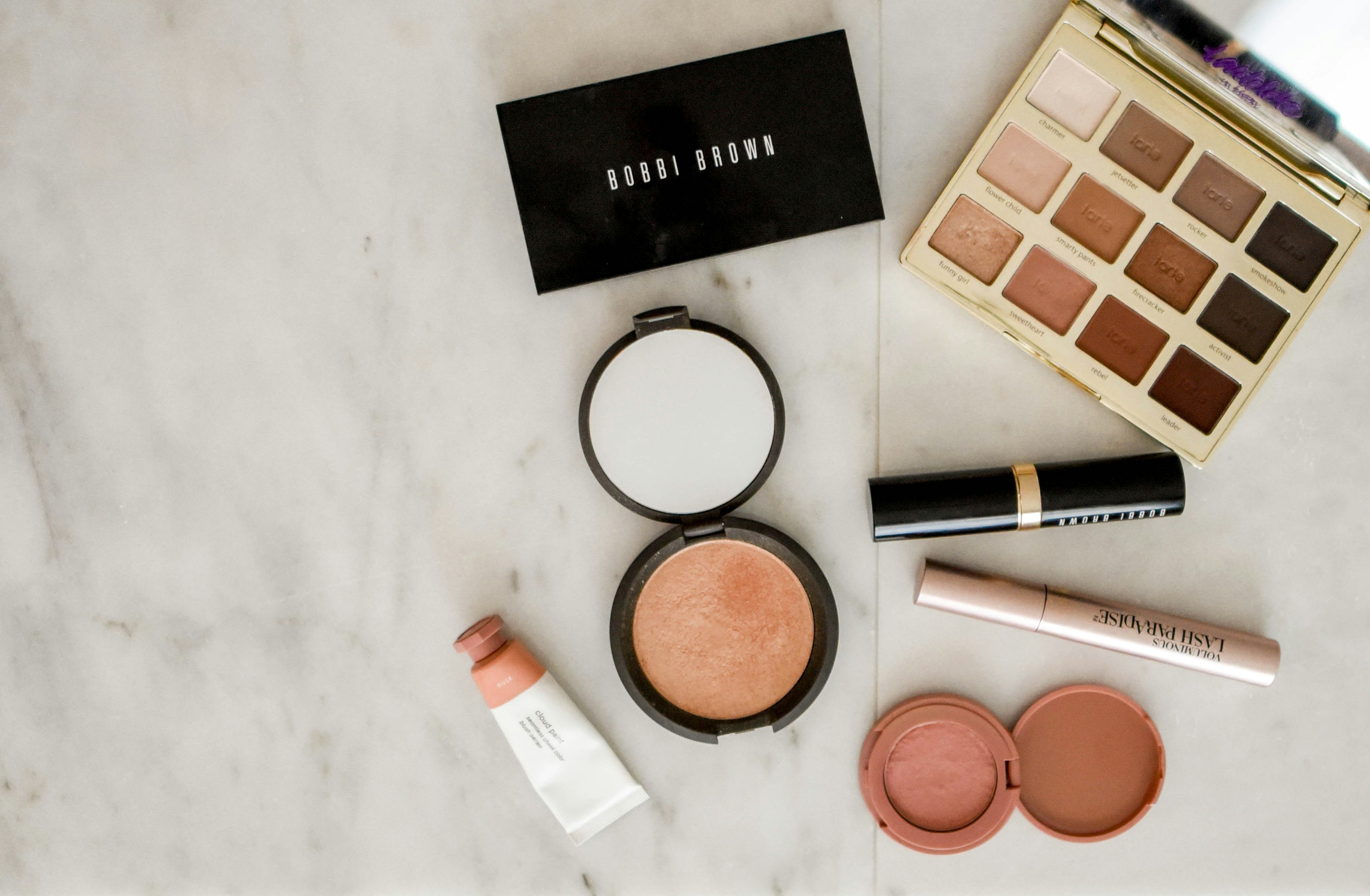
Start by preparing a clean and relaxing space. Wash your hands thoroughly and use freshly cleaned towels. Remove makeup, tie hair away from the face, and avoid harsh lighting or distractions.
Helpful preparation steps include:
- Using lukewarm water
- Setting out products in order
- Using clean facial cloths
- Creating a calming atmosphere
- Avoiding rushed application
Some people enhance their environment using products from the Lifestyle collection to support a more spa-like experience at home.
Step 2: Double Cleanse Correctly
Double cleansing helps remove sunscreen, makeup, sweat, and surface oils before deeper treatment steps.
- Use an oil cleanser or cleansing balm first
- Follow with a gentle water-based cleanser
- Avoid aggressive scrubbing
- Pat skin dry instead of rubbing
Beginners often damage their skin barrier by cleansing too aggressively. Gentle cleansing supports healthier moisture retention.
Step 3: Steam Your Face Safely
Facial steaming softens surface buildup and may temporarily improve product absorption. However, steam should always be used carefully.
Safe steaming guidelines:
- Limit sessions to 5–10 minutes
- Keep steam comfortably warm, not hot
- Avoid steaming highly sensitive or rosacea-prone skin
- Follow immediately with hydration
Some users prefer warm towels instead of steam for a gentler experience.
Advanced users sometimes incorporate professional-style hydration devices such as the KentDO™ Hydra Facial Machine – Deep Cleansing & Hydration for more intensive cleansing and hydration support during home facial sessions.

Step 4: Exfoliate Without Damaging Your Skin Barrier
Exfoliation removes dead skin buildup, but excessive exfoliation is one of the most common causes of irritation during home facials.
Beginners should:
- Start with mild exfoliation once weekly
- Avoid combining too many acids
- Use gentle pressure
- Stop immediately if burning occurs
| Exfoliation Type | Best For | Beginner Friendly |
| Enzyme exfoliation | Sensitive skin | Yes |
| Lactic acid | Dry skin | Yes |
| Salicylic acid | Oily skin | Moderate |
| Scrubs | Occasional texture | Use cautiously |
Step 5: Apply a Treatment Mask Based on Skin Type
Facial masks work best when matched to specific skin needs.
| Skin Type | Recommended Mask Type |
| Dry Skin | Hydrating aloe or oat masks |
| Oily Skin | Clay or charcoal masks |
| Sensitive Skin | Fragrance-free calming masks |
| Combination Skin | Multi-masking techniques |
Hydrating masks are often more beginner-friendly than aggressive detox masks.
Step 6: Massage and Relaxation Techniques
Facial massage can encourage relaxation while temporarily improving circulation and reducing tension.
Popular techniques include:
- Upward cheek massage
- Temple pressure circles
- Jaw tension release
- Scalp massage
- Neck relaxation strokes
People building full-body relaxation routines often combine facial care with products from the Body Care and Health Devices collection or the Foot & Body Comfort collection.
Step 7: Hydration Recovery and Overnight Repair
After exfoliation and masks, skin requires moisture recovery.
Focus on:
- Hydrating serums
- Ceramide moisturizers
- Barrier-support creams
- Sleeping masks
- Avoiding strong active ingredients afterward
Overnight hydration can help reduce temporary tightness after facial treatments.
The Best At-Home Facial Routine for Beginners


Simple Weekly Facial Schedule for Beginners
| Day | Routine Focus |
| Monday | Gentle cleansing and hydration |
| Wednesday | Light exfoliation |
| Friday | Hydrating facial mask |
| Sunday | Full relaxation facial routine |
The 30-Minute Beginner Facial Routine
- Cleanse for 3 minutes
- Steam or warm towel for 5 minutes
- Gentle exfoliation for 2 minutes
- Hydrating mask for 10 minutes
- Massage and moisturizer for 10 minutes
This schedule reduces the risk of over-treating the skin while creating consistency.
Readers exploring beginner-friendly wellness routines can browse the Beauty & Self-Care Blog for additional skincare and relaxation guidance.
Mistakes Beginners Make Most Often
- Using water that is too hot
- Exfoliating too frequently
- Combining strong acids
- Skipping moisturizer after treatment
- Using dirty towels or tools
- Trying too many products at once
Consistency and gentleness almost always outperform aggressive treatments.
Explore more beginner-friendly skincare tools and hydration devices.
Choosing Facial Products Based on Your Skin Type

Best Facial Ingredients for Dry Skin
Dry skin benefits from ingredients that support moisture retention and barrier repair.
- Hyaluronic acid
- Glycerin
- Aloe vera
- Ceramides
- Squalane
Avoid overusing clay masks if dryness is already severe.
Best Facial Ingredients for Sensitive Skin
Sensitive skin requires simple and calming formulations.
- Colloidal oatmeal
- Centella asiatica
- Green tea
- Chamomile
- Fragrance-free moisturizers
Patch testing new products is especially important for reactive skin types.
How to Choose Masks for Oily or Combination Skin
Combination skin often needs balance instead of extreme oil removal.
Helpful strategies include:
- Clay masks only in oily areas
- Hydration masks on dry zones
- Lightweight moisturizers
- Gentle exfoliation
Ingredient Pairings That Work Well Together
| Ingredient Pairing | Benefit |
| Hyaluronic acid + ceramides | Deep hydration support |
| Niacinamide + peptides | Barrier support |
| Aloe vera + green tea | Calming hydration |
| Lactic acid + moisturizer | Gentle exfoliation balance |
Ingredients You Should Never Overuse Together
- Retinol + strong acids
- Multiple exfoliating acids simultaneously
- Physical scrubs with harsh chemical exfoliants
- High-strength vitamin C with aggressive exfoliation
Overloading the skin barrier often leads to irritation, redness, and dryness.
The Best DIY Hydrating Facial Masks for Glowing Skin

Aloe Vera and Green Tea Hydration Mask
This calming mask works well for dry or stressed skin.
- 1 tablespoon aloe vera gel
- 1 tablespoon cooled green tea
- Apply for 10–15 minutes
The combination may temporarily soothe tight or overheated skin.
Turmeric Brightening Facial Mask
Turmeric is commonly used in DIY skincare for temporary brightening effects.
- 1 teaspoon turmeric
- 1 tablespoon yogurt
- Small amount of honey
Always patch test first because turmeric can stain or irritate some skin types.
Overnight Hydration Mask for Dry Skin
A simple overnight recovery mask can help support moisture retention.
- Fragrance-free moisturizer
- Small amount of facial oil
- Occlusive sleeping layer if tolerated
People experiencing seasonal dryness often browse the Skincare & Hydration collection for additional overnight recovery products.
How Often You Should Use DIY Facial Masks
| Mask Type | Recommended Frequency |
| Hydrating masks | 2–4 times weekly |
| Clay masks | 1–2 times weekly |
| Exfoliating masks | 1 time weekly |
| Overnight masks | As needed |
How Often Should You Exfoliate Your Face at Home?
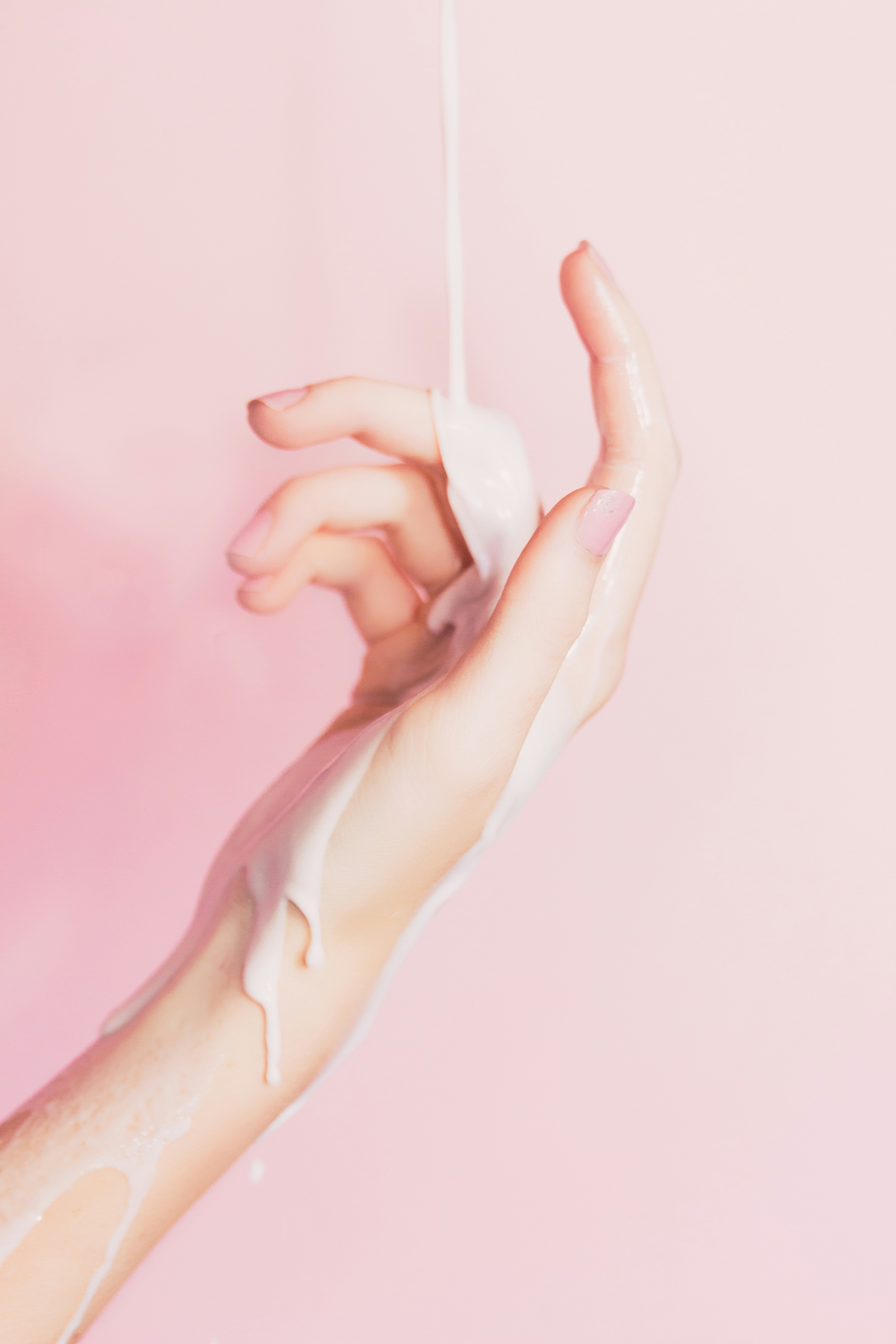
Physical vs Chemical Exfoliation
| Method | How It Works | Risk Level |
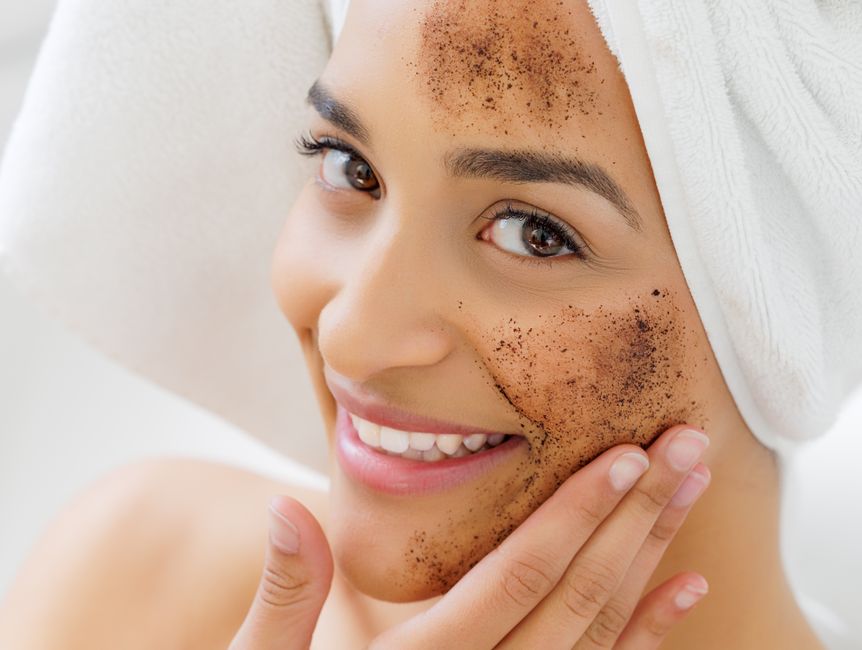
| Physical exfoliation | Manual scrubbing | Moderate |
| Chemical exfoliation | Acid-based exfoliation | Lower when gentle |
Gentle chemical exfoliation is often easier to control than aggressive scrubs.
Exfoliation Frequency Chart by Skin Type
| Skin Type | Frequency |
| Dry skin | 1 time weekly |
| Sensitive skin | Every 10–14 days |
| Combination skin | 1–2 times weekly |
| Oily skin | 2 times weekly |
Signs of Over-Exfoliation
- Burning sensation
- Persistent redness
- Flaking
- Tightness
- Increased sensitivity
- Unexpected breakouts
When these symptoms appear, stop exfoliating and focus on hydration recovery.
How to Repair a Damaged Skin Barrier
Barrier recovery requires patience and simplicity.
- Pause active ingredients
- Use fragrance-free moisturizers
- Reduce exfoliation
- Avoid hot water
- Prioritize hydration
- Protect skin from sun exposure
Readers seeking wellness-oriented recovery routines often combine skincare with products from the Warmth & Heat Therapy collection to encourage overall comfort and relaxation.
Common At-Home Facial Mistakes That Damage Your Skin

Using Water That Is Too Hot
Hot water can worsen dryness and increase irritation. Lukewarm water is usually safer for maintaining skin comfort.
Overusing Acids and Exfoliants
More exfoliation does not always create better results. Excessive exfoliation can weaken the skin barrier and increase sensitivity.
Skipping Hydration Recovery
Hydration is essential after exfoliation or steam treatments. Moisture recovery helps reduce tightness and discomfort.
Using Too Many Active Ingredients Together
Combining strong acids, retinoids, and exfoliants in one session can overwhelm the skin.
Ignoring Relaxation and Stress Management
Many people rush through facial routines without slowing down. Relaxation itself can improve consistency and encourage healthier long-term habits.
Tools That Make At-Home Facials Easier and More Effective


Facial Steamers for Beginners
Facial steamers may help soften surface buildup and create a spa-like atmosphere when used carefully.
Benefits may include:
- Temporary hydration support
- Relaxation
- Improved cleansing preparation
- Comfort during facial routines
Devices within the Skin and Beauty Care Devices collection are often used to build beginner home spa setups.
Massage Tools and Scalp Relaxation Accessories
Scalp massage tools can support relaxation and tension relief during home facial rituals.
Gentle massage may:
- Reduce jaw tension
- Encourage relaxation
- Support stress management
- Improve overall facial experience
Some users integrate LED therapy into weekly self-care routines using the KentDO™ LED Facial Mask for Anti-Aging & Skin Rejuvenation to complement hydration and recovery-focused skincare practices.

Reusable Facial Towels and Hygiene Essentials
Clean tools and towels reduce unnecessary irritation and help maintain healthier skincare habits.
- Wash towels regularly
- Replace facial sponges frequently
- Store tools in clean environments
- Avoid sharing skincare tools
When Simple Tools Work Better Than Expensive Devices
Many effective facial routines rely on consistency rather than expensive technology. Gentle cleansing, hydration, and barrier support are usually more important than complicated routines.
Explore more relaxation-focused wellness tools and home spa accessories.
Realistic Results Timeline: What to Expect From At-Home Facials


Immediate Results After One Facial
Many people notice temporary softness, improved hydration, and a refreshed appearance immediately after treatment.
Results After 4 to 6 Weeks
Consistent facial care may gradually improve:
- Skin texture
- Dryness
- Comfort
- Hydration balance
- Overall glow
Long-term consistency is usually more important than intensive single treatments.
How Long Skin Barrier Recovery Takes
Mild irritation may improve within several days, while significant over-exfoliation can require multiple weeks of simplified skincare and hydration support.
Creating a Weekly Home Facial Self-Care Ritual


Building a Relaxing Facial Environment
A calming environment encourages consistency and improves the overall experience.
- Soft lighting
- Warm towels
- Relaxing music
- Comfortable seating
- Calming scents
Many people pair facial rituals with products from the Wellness & Relaxation collection to create a complete at-home spa environment.
Pairing Skincare With Stress Relief Habits
Combining facial care with mindfulness and relaxation habits can improve consistency.
Helpful additions include:
- Short meditation sessions
- Scalp massage
- Breathing exercises
- Warm baths
- Journaling
Readers interested in expanding their routines may also enjoy the Body & Face Blog and Hair, Skin & Nai Blog for broader wellness and beauty guidance.
How Consistency Improves Skin Over Time
Healthy skin habits work gradually. Instead of searching for overnight perfection, focus on routines that support comfort, hydration, and sustainability.
Small weekly habits often create more reliable results than aggressive short-term treatments.
Explore gentle skincare tools designed for consistent home facial routines.
Frequently Asked Questions
How do you do a facial at home step by step?
Start with cleansing, followed by steam or warm towels, gentle exfoliation, a treatment mask, facial massage, and hydration recovery with moisturizer.
What is the best at home facial routine for beginners?
The best beginner routine focuses on gentle cleansing, light exfoliation once weekly, hydrating masks, and barrier-support moisturizers.
How often should you exfoliate your face at home?
Most beginners benefit from exfoliating once weekly. Sensitive skin may require less frequent exfoliation.
What are the best DIY hydrating facial masks for glowing skin?
Aloe vera and green tea masks are popular for calming hydration, while overnight moisturizer masks support dryness recovery.
What mistakes should you avoid during at-home facials?
Avoid over-exfoliation, hot water, excessive active ingredients, and skipping hydration recovery after treatments.
Can at-home facials damage your skin barrier?
Yes, aggressive exfoliation and overuse of strong acids can weaken the skin barrier and increase irritation.
What ingredients are best for sensitive skin during facials?
Gentle ingredients like aloe vera, oatmeal, centella asiatica, and fragrance-free moisturizers are commonly recommended.
Are facial steamers safe for everyday use?
Daily steaming is usually unnecessary. Most people should limit steaming to one or two times weekly.
How long does it take to see results from at-home facials?
Temporary hydration improvements may appear immediately, while texture and consistency improvements often require several weeks.
What should you do after exfoliating your face?
Focus on hydration, avoid harsh active ingredients, and apply moisturizer to support skin barrier recovery.
Effective at-home facials are not about perfection or complicated routines. The healthiest long-term skincare habits usually combine gentle cleansing, careful exfoliation, hydration support, and stress reduction practices that are realistic to maintain consistently. Whether you prefer simple DIY masks or advanced hydration tools, the key is building a sustainable ritual that supports both skin comfort and overall wellness.
Explore hydration-focused skincare collections or browse the Beauty & Self-Care Blog for more home wellness inspiration.
Pillar Article: Spa Products for Home: Build the Ultimate Self-Care Routine













