

Travel Friendly Posture Support Devices Compared for 2026
Long flights, uneven camping chairs, road trips with limited back support, and hours of sitting in temporary work setups all share one silent problem: they gradually push your spine out of alignment. Over time, this leads to stiffness, fatigue, and poor posture habits that are difficult to reverse. Travel friendly posture support devices are designed to solve this exact issue by offering lightweight, portable ergonomic correction without the bulk of traditional office setups.
Unlike stationary lumbar systems, these travel-ready tools are built for movement, adaptability, and quick setup. Whether you are hiking, commuting, camping, or working remotely, they help maintain spinal alignment in unpredictable environments while still fitting easily into your backpack or luggage. This guide breaks down how they work, when to use them, and how to choose the right type based on your travel lifestyle.
What Are Travel Friendly Posture Support Devices? (Complete Overview for 2026)

Travel friendly posture support devices are compact ergonomic tools designed to maintain proper spinal alignment while you are away from traditional seating environments. They include posture correctors, lumbar supports, wearable trainers, and portable cushions that adapt to changing travel conditions.
Definition of portable posture correction tools
These tools focus on gently guiding your body into a neutral posture position by supporting the shoulders, lower back, or cervical spine. Unlike fixed chairs or ergonomic desks, they move with your body and can be worn or placed on almost any seating surface.
How they differ from traditional ergonomic office supports
Office ergonomic systems are designed for stability and long-term seated work, while travel posture devices prioritize mobility, lightweight construction, and rapid setup. Instead of full-chair redesigns, they provide targeted correction where support is most needed.
Core benefits: spinal alignment, fatigue reduction, mobility optimization
- Improves natural spinal alignment during long travel sessions
- Reduces muscle fatigue caused by unsupported sitting
- Enhances comfort in non-ergonomic environments such as planes or camping chairs
- Supports consistent posture habits even while on the move
Why Travel Disrupts Posture: The Hidden Ergonomic Problem

Travel environments are unpredictable for the human spine. Unlike structured office seating, travel conditions often force your body into compromised positions for long durations.
Seated compression during flights
Long-haul flights reduce movement and compress the lumbar spine due to upright but unsupported seating angles. This creates stiffness and lower back fatigue.
Unstable seating in camping and outdoor chairs
Camping chairs prioritize portability over support, often lacking lumbar structure. This leads to slouching and uneven weight distribution.
Road trip fatigue and slouch patterns
Extended driving or passenger seating encourages forward head posture and rounded shoulders, especially during long road trips.
Lack of lumbar support in temporary environments
Hotels, hostels, and outdoor seating rarely provide ergonomic back support, forcing the body to compensate naturally in unhealthy ways.
Types of Travel Friendly Posture Support Devices (2026 Breakdown)

Different posture support devices serve different travel needs. Choosing the right type depends on duration, mobility level, and environment.
- Portable posture corrector (strap-based alignment systems)
- Lumbar support pillow for travel seating
- Wearable posture trainer with feedback systems
- Compact spinal traction devices for recovery sessions
For example, wearable systems are ideal for active travelers who move frequently, while lumbar supports are better for long seated periods such as flights or road travel. Explore more ergonomic solutions in our Body Care and Health Devices collection for travel-ready wellness essentials.
One advanced example of a wearable correction system is the KentDO™ Smart Posture Corrector, which uses vibration feedback to remind users when posture begins to collapse during daily movement or travel.
How to Choose the Right Portable Posture Support Device
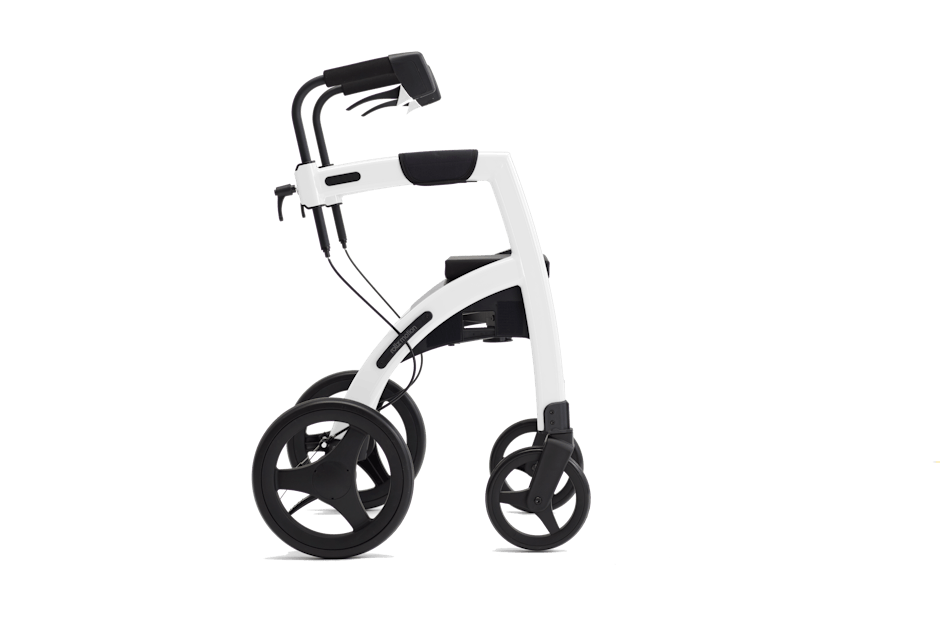
Selecting the right posture support tool depends on balancing comfort, portability, and correction strength. Travelers should avoid overbuilt systems that are difficult to pack or use in dynamic environments.
- Weight and packability for carry-on travel efficiency
- Adjustability for different body types and seating positions
- Support intensity depending on posture severity
- Breathability for long-duration wear in warm climates
- Ease of setup during travel transitions
- Durability for outdoor and rugged use
If you frequently switch between hiking, driving, and resting setups, lightweight wearable options are generally more effective than rigid supports.
Scenario-Based Recommendations: Best Devices for Every Travel Situation

Different environments require different posture strategies. A single device rarely covers all travel scenarios effectively.
Flights: long-haul spinal support
During flights, compact lumbar support or wearable correctors help reduce lower back compression and shoulder rounding.
Hiking & camping: rugged ergonomic back support
Outdoor activities benefit from lightweight posture correction systems that stabilize the spine without restricting movement.
Road trips: seat posture stabilization systems
For drivers and passengers, lumbar traction and support devices help reduce stiffness during extended sitting periods.
Office travel: hybrid work posture tools
Remote workers traveling between coworking spaces benefit from wearable posture correction systems that maintain alignment without setup time.
Outdoor workers: extended wear correction solutions
For physically active users, durable lumbar systems provide intermittent decompression and fatigue relief throughout the day.
A useful recovery-oriented option in this category is the Lumbar Traction Device, which combines airbag traction and vibration therapy to relieve lower back pressure after long travel sessions or outdoor activity.
For broader travel preparation, explore our Lifestyle collection and Wellness & Relaxation collection to build a complete mobility comfort setup.
Posture Support Duration Benchmarks: How Long Should You Use Each Device?

Proper usage timing is essential for preventing overcorrection and ensuring long-term posture improvement.
- Wearable correctors: 1–3 hours per session during active movement
- Lumbar supports: up to several hours during seated travel
- Recovery devices: short 10–20 minute sessions for decompression
- Beginner adaptation: gradual increase over 1–2 weeks
The goal is to support natural muscle engagement rather than replace it completely.
Beginner Guide: How to Start Using Portable Posture Devices Correctly
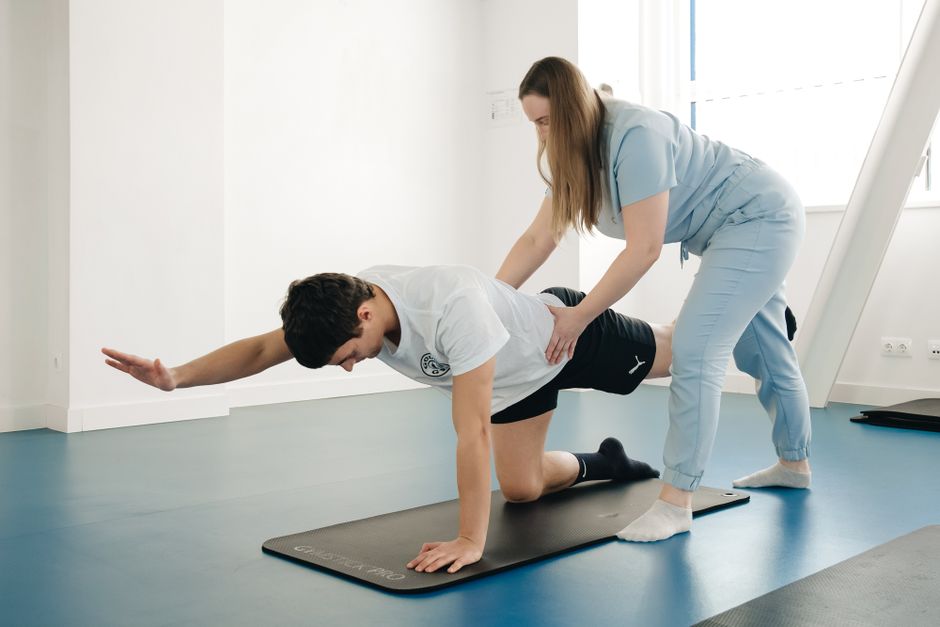
Beginners should start slowly to allow the body to adapt to new alignment patterns. Overuse at the beginning can lead to discomfort or dependency.
- Start with short sessions of 15–30 minutes
- Focus on comfort before correction intensity
- Adjust straps or support angles gradually
- Combine with natural posture awareness exercises
Common Mistakes When Using Travel Posture Support Tools

Many users misuse posture devices by relying on them too heavily instead of building natural strength and awareness.
- Wearing devices for excessive durations without breaks
- Choosing incorrect size or fit for body type
- Using rigid support in highly mobile environments
- Ignoring muscle engagement during correction
Maintenance and Portability Tips for Long-Term Use

Proper care ensures longevity and consistent performance of posture support devices during frequent travel.
- Clean fabric supports regularly after outdoor use
- Store compact devices in protective travel cases
- Avoid excessive bending of structural components
- Recharge wearable devices before long trips
For travelers building a complete ergonomic system, explore our Foot & Body Comfort collection and Warmth & Heat Therapy collection for additional recovery support.
Comparison Framework: Which Travel Posture Device Fits Your Lifestyle?

The best posture support system depends on your travel habits and comfort needs rather than a one-size-fits-all approach.
Lightweight minimalists vs full support seekers
Minimalists benefit from wearable posture correctors, while users needing deeper correction may prefer lumbar traction systems.
Frequent flyers vs outdoor adventurers
Flyers prioritize compact lumbar cushions, while outdoor adventurers need durable and flexible support systems.
Budget vs premium ergonomic solutions
Budget tools focus on basic alignment, while premium devices offer feedback systems and multi-mode support.
Multi-device stacking strategy
Many travelers combine a wearable corrector for active use with a lumbar support device for seated recovery periods.
Frequently Asked Questions
What are the best travel friendly posture support devices for long flights?
Wearable posture correctors and compact lumbar supports are most effective for maintaining spinal alignment during extended flights.
How do portable posture correctors help during hiking and camping trips?
They help maintain shoulder and spine alignment during uneven movement and reduce fatigue from carrying loads.
What should beginners look for in portable back support devices?
Beginner-friendly devices should be lightweight, adjustable, and comfortable for short-duration use.
Are compact lumbar supports effective for camping chairs and road trips?
Yes, they significantly improve seating posture by filling the gap between the lower back and seat.
Which portable wellness devices are best for outdoor workers and travelers?
Wearable posture trainers and lumbar traction systems are most effective for extended physical activity and recovery.
Final Takeaway for Travel Posture Support
Effective posture support during travel is not about relying on a single device, but about matching the right ergonomic tool to the environment. Wearable systems support movement, lumbar devices support sitting, and traction tools support recovery. Together, they create a complete posture strategy that adapts to modern mobile lifestyles.
For travelers looking to build a complete ergonomic setup, explore related solutions across our wellness and mobility collections to optimize comfort on every journey.
Pillar Article: Portable Health Device Buying Guide: Best Wearables & Travel Monitoring Tools for 2026













