

Winter Skincare Routines: Step-By-Step Hydration Guide For Dry Skin
Winter can be brutal on the skin. Cold wind, dry indoor heating, low humidity, and constant temperature changes weaken the skin barrier and increase moisture loss throughout the day. Many people notice tightness, flaky patches, redness, dullness, sensitivity, and dehydration during colder months — especially travelers, campers, hikers, outdoor workers, and people who spend long hours exposed to winter air.
A successful winter skincare routine is not about using one “miracle” product. The best results come from building a hydration system that protects the skin barrier, reduces water loss, and adapts to changing environments. From morning cleansing habits to nighttime recovery masks, every step matters during winter.
This guide explains how to create a complete winter hydration skincare routine for dry, sensitive, combination, and outdoor-exposed skin. You’ll also learn how to adjust skincare for indoor heating, winter travel, hiking trips, cold climates, and seasonal transitions.
For additional seasonal wellness ideas and cold-weather recovery tools, explore the Wellness & Relaxation collection and the Skincare & Hydration collection.
Why Winter Causes Severe Skin Dehydration and Barrier Damage

Winter creates one of the harshest environments for healthy skin hydration. The combination of freezing air outdoors and heated indoor environments increases transepidermal water loss, weakens the protective skin barrier, and makes skin more vulnerable to irritation.
How Cold Air and Indoor Heating Affect the Skin Barrier
Cold winter air naturally contains less humidity than warm air. When humidity drops, water evaporates more easily from the surface of the skin. Indoor heating compounds this problem by creating extremely dry air indoors.
The skin barrier is made of lipids, ceramides, and natural moisturizing factors that help retain hydration. Winter conditions disrupt these protective components, causing:
- Moisture evaporation
- Skin tightness
- Flaking and rough texture
- Redness and irritation
- Increased sensitivity
- Barrier inflammation
People who spend time outdoors hiking, camping, commuting, or working in cold environments experience even greater dehydration because wind exposure accelerates water loss from the skin.
Signs Your Winter Skincare Routine Is Not Hydrating Enough
Many people mistake dehydrated skin for dry skin. While both conditions can happen simultaneously, dehydration specifically refers to lack of water in the skin.
Common signs include:
- Skin feels tight after cleansing
- Makeup looks patchy or flaky
- Fine lines appear more visible
- Skin becomes sensitive or itchy
- Redness increases after outdoor exposure
- Complexion looks dull or tired
- Products sting unexpectedly
If your skin feels oily yet tight during winter, dehydration is often the underlying issue.
Dry Skin vs Dehydrated Skin During Winter
| Dry Skin | Dehydrated Skin |
| Lacks oil | Lacks water |
| Usually genetic | Often temporary |
| Can feel rough year-round | Often worsens in winter |
| Benefits from richer creams | Needs water-binding ingredients |
| May appear flaky | May appear dull or tight |
Many winter skincare routines fail because they only focus on adding heavier creams without improving hydration levels underneath.
The Core Principles of a Winter Skincare Routine for Hydration

Effective winter skincare relies on hydration layering, barrier repair, environmental protection, and consistent routines. Rather than using aggressive treatments, the goal is to support the skin’s natural defenses.
Why Layering Hydrating Products Works Better in Winter
Layering lightweight hydration products underneath moisturizers helps trap water inside the skin more effectively than relying on thick creams alone.
A simple hydration layering framework includes:
- Gentle cleanser
- Hydrating essence or toner
- Water-binding serum
- Barrier moisturizer
- Occlusive protection if needed
This approach helps maintain hydration throughout long winter days, especially for travelers and outdoor enthusiasts exposed to cold air.
Many people combine barrier-supporting skincare with tools from the Skin and Beauty Care Devices collection to improve massage, circulation, and product absorption during winter routines.
Best Hydrating Ingredients for Cold Weather Skincare
The most effective winter skincare ingredients support hydration retention and barrier repair.
| Ingredient | Main Benefit |
| Hyaluronic Acid | Attracts water into skin |
| Glycerin | Improves moisture retention |
| Ceramides | Repairs skin barrier |
| Squalane | Prevents moisture loss |
| Peptides | Supports skin resilience |
| Panthenol | Soothes irritation |
| Colloidal Oatmeal | Calms dryness and redness |
Ingredients That Can Worsen Winter Dryness
Certain products can worsen dehydration during winter, particularly when overused.
- Alcohol-heavy toners
- Harsh foaming cleansers
- Over-exfoliating acids
- Strong physical scrubs
- Excessive retinol without barrier support
- Highly fragranced products
Winter skincare routines should prioritize recovery and hydration over aggressive exfoliation.
Step-By-Step Morning Winter Skincare Routine
A winter morning routine should focus on gentle cleansing, hydration layering, and environmental protection.
Step 1: Use a Gentle Hydrating Cleanser
Over-cleansing is one of the biggest causes of winter dehydration. Harsh cleansers remove natural lipids that protect the skin barrier.
Choose a non-stripping cleanser that leaves skin soft rather than squeaky clean. Cream cleansers, milk cleansers, and hydrating gel cleansers are often better choices during winter.
People with sensitive skin may only need to rinse with lukewarm water in the morning instead of cleansing twice daily.
Step 2: Apply Hydrating Serums on Damp Skin
Hydrating serums work best when applied immediately after cleansing while the skin is slightly damp.
Hyaluronic acid, glycerin, peptides, and panthenol help increase water retention and improve plumpness.
In dry climates, always follow humectant serums with moisturizer to prevent evaporation.
Step 3: Seal Moisture With a Ceramide Moisturizer
Ceramide moisturizers strengthen the skin barrier and reduce moisture loss caused by wind and indoor heating.
Look for moisturizers containing:
- Ceramides
- Fatty acids
- Squalane
- Shea butter
- Glycerin
Outdoor workers and winter hikers often benefit from richer cream textures during colder months.
Step 4: Protect Skin From Cold Wind and UV Exposure
Winter sun exposure still contributes to skin damage, especially during snow reflection or high-altitude hiking.
Daily SPF remains essential even in cloudy weather. Scarves, hats, and wind-resistant layers also help reduce windburn and barrier damage.
Travelers often keep compact recovery tools from the Gifts & Accessories collection inside backpacks or carry-on bags for easier cold-weather skincare maintenance.
For deeper hydration support after outdoor exposure, some people use the KentDO™ Collagen Face Mask – Deep Hydration & Firming as part of nighttime recovery routines.

The wrap-style mask format helps support overnight hydration after exposure to cold air, indoor heating, or dry travel conditions.
Nighttime Winter Skincare Routine for Deep Hydration Recovery

Nighttime is when the skin naturally repairs itself. A winter evening skincare routine should focus on replenishing moisture, calming inflammation, and supporting barrier recovery.
Double Cleansing Without Stripping the Skin Barrier
People who wear sunscreen or spend time outdoors may benefit from double cleansing at night.
The ideal approach:
- Use a cleansing balm or oil cleanser first
- Follow with a gentle hydrating cleanser
This removes sunscreen and pollution without disrupting the skin barrier.
How Overnight Face Masks Improve Hydration Retention
Overnight masks create a protective layer that helps prevent water loss during sleep. This can be especially helpful during winter when indoor heating dries out the skin overnight.
Hydrating overnight masks often contain:
- Collagen
- Ceramides
- Hyaluronic acid
- Peptides
- Niacinamide
They are particularly useful after winter travel, skiing trips, hiking weekends, or long exposure to dry climates.
Slugging and Occlusive Moisturizers for Extremely Dry Skin
Slugging involves applying an occlusive layer over moisturizer to reduce overnight moisture loss.
This technique can help people dealing with:
- Extreme winter dryness
- Flaking
- Barrier irritation
- Windburn recovery
Occlusive products work best as the final step after hydrating serums and moisturizers.
When to Use Exfoliation During Winter
Exfoliation should be reduced during colder months. Over-exfoliating weakens the barrier and increases irritation.
Most people only need exfoliation:
- 1–2 times weekly for normal skin
- Once weekly for sensitive skin
- Less frequently during severe dryness
Gentle chemical exfoliants are often safer than harsh physical scrubs during winter.
Additional seasonal skincare techniques and recovery strategies can be found in the Body & Face Blog and Beauty & Self-Care Blog.
How to Adjust Your Skincare Routine for Different Winter Environments

Not all winter environments affect the skin the same way. Indoor heating, airplane cabins, dry mountain climates, and humid winter regions all require slightly different hydration strategies.
Indoor Heating and Office Environment Hydration Tips
Indoor heating removes humidity from the air and increases moisture evaporation throughout the day.
Helpful strategies include:
- Using a humidifier indoors
- Applying hand cream regularly
- Using hydrating facial mists sparingly
- Reapplying moisturizer to dry areas
- Drinking enough water consistently
Cold Wind and Urban Winter Exposure Protection
Urban winter environments expose skin to pollution, cold wind, and rapid temperature changes.
Protective winter habits include:
- Wearing scarves over exposed skin
- Applying barrier creams before commuting
- Avoiding overly hot showers
- Using richer moisturizers at night
Winter Travel and Airplane Hydration Survival Guide
Airplane cabins have extremely low humidity levels that accelerate dehydration.
Travel-friendly hydration essentials include:
- Hydrating serum
- Barrier cream
- Lip balm
- Hydrating sheet masks
- Reusable skincare tools
Many travelers also browse the Lifestyle collection for portable wellness and travel recovery accessories.
Humid Climates vs Dry Winter Climates
| Humid Winter Climates | Dry Winter Climates |
| Lighter moisturizers may work | Rich creams often needed |
| Less occlusive layering | Occlusives become more useful |
| Humidity helps hydration | Higher moisture evaporation |
| Gel textures may remain comfortable | Balm textures often preferred |
Outdoor Winter Skincare for Hiking, Camping, and Cold Weather Activities

Outdoor winter activities create unique skincare challenges. Wind exposure, cold temperatures, sweat evaporation, dry tents, and lack of humidity all increase dehydration risk.
How Campers Can Prevent Skin Barrier Damage in Winter
Winter campers often experience barrier irritation because of repeated exposure to freezing air and dry sleeping environments.
Helpful prevention strategies include:
- Applying moisturizer before outdoor exposure
- Avoiding harsh face wipes
- Using lukewarm instead of hot water
- Applying lip balm frequently
- Protecting skin with scarves and face coverings
Portable Hydration Skincare Essentials for Outdoor Use
A simple camping skincare kit should focus on hydration and barrier protection instead of complicated routines.
Useful essentials include:
- Gentle cleanser
- Hydrating serum
- Ceramide moisturizer
- Lip balm
- Hand cream
- SPF
- Overnight recovery mask
Outdoor travelers frequently organize winter skincare alongside accessories from the Body Care and Health Devices collection for cold-weather comfort and recovery support.
Best Moisturizers for Windburn and Extreme Cold
Extreme winter conditions require moisturizers with stronger occlusive properties.
The best winter moisturizers for outdoor exposure typically include:
- Ceramides
- Petrolatum
- Squalane
- Lanolin
- Shea butter
Applying moisturizer before outdoor exposure helps reduce moisture loss throughout the day.
Lip Care, Hand Care, and Overnight Recovery While Camping
Lips and hands lose moisture quickly during winter camping trips.
Recovery strategies include:
- Applying balm before sleep
- Using overnight hand creams
- Wearing gloves outdoors
- Avoiding licking lips in cold wind
- Using overnight hydration masks after exposure
Cold exposure recovery tools like cooling rollers and massage devices are commonly paired with products from the Skincare & Hydration collection.
Some users also include the KentDO™ Ice Ball Massager in post-exposure routines to help reduce puffiness and soothe skin after long outdoor days.

The cooling effect may feel especially refreshing after wind exposure, dry cabin heating, or long hiking trips.
Best Moisturizer Types for Winter Dry Skin
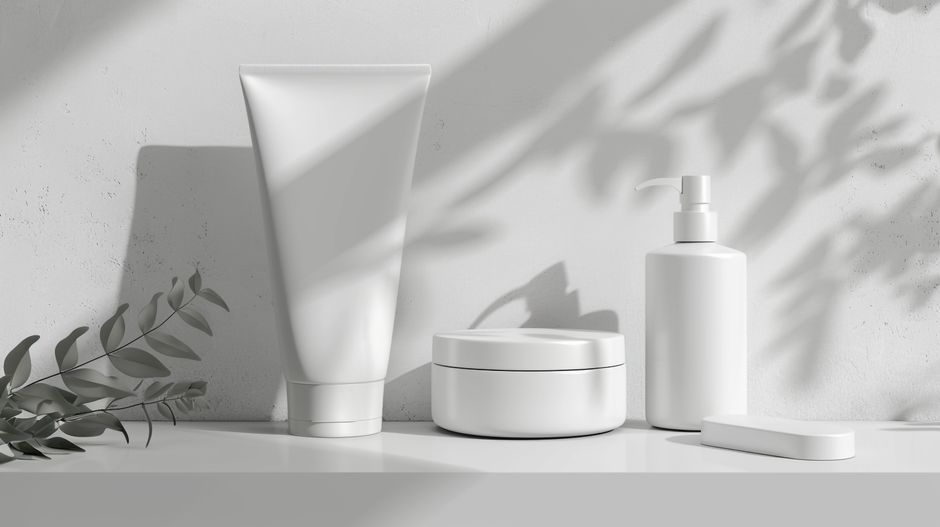
Choosing the right moisturizer texture is one of the most important parts of a winter skincare routine.
Cream vs Gel vs Balm Moisturizers
| Type | Best For | Texture |
| Gel | Oily dehydrated skin | Lightweight |
| Cream | Most winter skin types | Balanced hydration |
| Balm | Extreme dryness | Rich and occlusive |
Fragrance-Free Moisturizers for Sensitive Skin Hydration
Fragrance-free formulas reduce irritation risk during winter when the skin barrier becomes more vulnerable.
Sensitive skin often responds better to minimalist formulas containing:
- Ceramides
- Glycerin
- Panthenol
- Oat extract
- Squalane
Occlusive Moisturizers for Severe Winter Dryness
Occlusives help seal hydration into the skin and reduce transepidermal water loss.
They are especially useful for:
- Dry mountain climates
- Winter hiking
- Cold windy commutes
- Severe barrier irritation
- Overnight recovery
How to Choose Moisturizers Based on Lifestyle and Environment
| Lifestyle | Recommended Texture |
| Office worker with indoor heating | Barrier cream |
| Winter camper | Rich balm moisturizer |
| Humid climate commuter | Light cream or gel-cream |
| Frequent traveler | Travel-friendly cream moisturizer |
| Outdoor worker | Heavy protective cream |
Additional skincare tools and winter comfort accessories are available throughout the Foot & Body Comfort and Warmth & Heat Therapy collections.
Hydration Beyond Skincare: Nutrition, Water Intake, and Lifestyle Habits
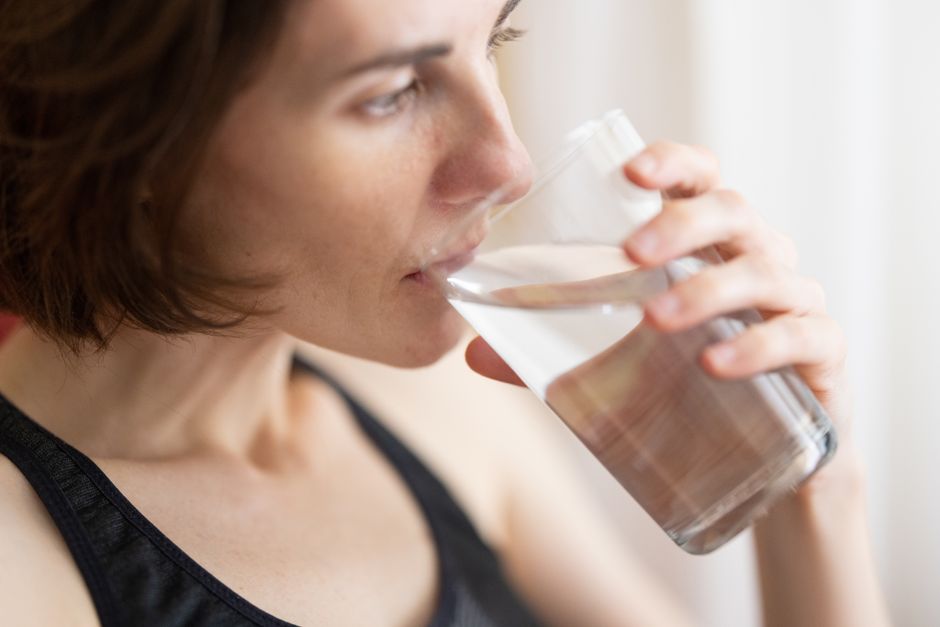
Hydrated skin depends on more than topical products. Lifestyle habits also influence how well the skin retains moisture during winter.
Foods That Support Healthy Winter Skin Hydration
Hydration-supportive foods help strengthen the skin barrier and reduce inflammation.
Helpful foods include:
- Salmon
- Avocados
- Walnuts
- Cucumber
- Sweet potatoes
- Leafy greens
- Berries
Electrolytes and adequate water intake are also important during outdoor winter activities.
How Sleep and Humidity Affect Skin Recovery
Skin repair naturally increases during sleep. Poor sleep quality and dry indoor air can worsen dehydration.
Helpful habits include:
- Sleeping with a humidifier
- Avoiding excessively hot rooms
- Maintaining consistent hydration
- Reducing late-night alcohol intake
- Using overnight barrier-support products
Reusable Tools That Improve Winter Skincare Routines
Reusable skincare tools can support hydration-focused routines by improving cooling, massage, circulation, and product absorption.
Popular winter skincare tools include:
- Silicone mask covers
- Cooling facial rollers
- Ice globes
- Humidifiers
- Facial steamers
People exploring reusable beauty tools often browse the Skin and Beauty Care Devices collection for seasonal skincare support.
Common Winter Skincare Mistakes That Cause More Dryness

Even expensive products can fail if winter skincare habits damage the skin barrier.
Over-Exfoliating During Cold Weather
Too much exfoliation weakens the skin barrier and increases sensitivity. Many people should reduce exfoliation frequency significantly during winter.
Using Lightweight Summer Products in Winter
Gel moisturizers that work during summer may not provide enough protection during colder months.
Seasonal skincare routines should adapt to environmental conditions rather than staying identical year-round.
Ignoring Sunscreen During Winter
UV exposure still contributes to skin damage during winter, especially in snowy environments or at high altitude.
Daily SPF remains important throughout every season.
Applying Moisturizer Incorrectly
Moisturizer works best when applied to slightly damp skin after cleansing or serums.
Waiting too long after cleansing can allow water to evaporate before hydration is sealed into the skin.
Simple Seasonal Skincare Routine Templates by Skin Type

Different skin types need different hydration strategies during winter.
Winter Routine for Sensitive Skin
- Gentle cream cleanser
- Hydrating serum
- Fragrance-free moisturizer
- SPF during daytime
- Minimal exfoliation
Winter Routine for Very Dry Skin
- Milk cleanser
- Hydrating essence
- Hyaluronic serum
- Rich ceramide cream
- Occlusive overnight layer
Winter Routine for Combination Skin
- Gentle gel cleanser
- Lightweight hydrating serum
- Gel-cream moisturizer
- Barrier cream on dry areas
Minimalist Travel-Friendly Winter Routine
- Hydrating cleanser
- Barrier moisturizer
- SPF
- Lip balm
- Overnight hydration mask
Travel-friendly skincare organization ideas and seasonal self-care accessories can also be found in the Hair, Skin & Nail Blog.
Pros and Cons of Winter Hydration-Focused Skincare Routines
| Pros | Cons |
| Improves barrier protection | May require seasonal product changes |
| Reduces flaking and irritation | Rich products can feel heavy for some users |
| Supports long-term skin health | Over-layering may clog pores in humid climates |
| Helps outdoor skin recovery | Trial and adjustment may be necessary |
| Improves comfort during winter travel | Travel routines require portability planning |
Winter Skincare Routine Comparison Matrix

| Skin Type | Cleanser Type | Moisturizer Type | Exfoliation Frequency | Recommended Focus |
| Sensitive | Cream cleanser | Fragrance-free cream | 1x weekly or less | Barrier repair |
| Dry | Milk cleanser | Rich balm cream | 1x weekly | Moisture retention |
| Combination | Gentle gel cleanser | Gel-cream | 1–2x weekly | Balanced hydration |
| Oily dehydrated | Hydrating gel cleanser | Light cream | 1–2x weekly | Water replenishment |
| Outdoor-exposed | Non-stripping cleanser | Occlusive barrier cream | Minimal | Environmental protection |
Expert Insight on Winter Hydration and Skin Barrier Repair
“Most winter skincare problems are actually barrier problems. When the skin barrier weakens, hydration escapes faster and irritation increases. Consistent layering of hydration and barrier-support ingredients is usually more effective than relying on a single heavy moisturizer.”
Frequently Asked Questions
How do winter skincare routines prevent dry skin and dehydration?
They reduce moisture loss through hydration layering, barrier repair ingredients, and protective moisturizers that seal hydration into the skin.
What is the best moisturizer for seasonal skin changes during winter?
Ceramide-rich cream moisturizers are often effective because they support barrier repair while reducing water loss.
How should you adjust skincare by season for cold weather and indoor heating?
Use gentler cleansers, richer moisturizers, fewer exfoliants, and additional hydration layers during winter months.
Which hydrating skincare products work best for dry sensitive skin in winter?
Fragrance-free creams with ceramides, glycerin, hyaluronic acid, and panthenol are commonly recommended for sensitive winter skin.
How can campers protect their skin barrier during cold weather hiking and camping?
Use barrier creams, lip balm, SPF, scarves, and overnight hydration recovery routines to minimize dehydration and windburn.
Should you use hyaluronic acid during winter?
Yes, but it should usually be layered underneath moisturizer to prevent moisture evaporation in dry climates.
Why does indoor heating make skin feel tight and flaky?
Indoor heating lowers humidity levels and increases water evaporation from the skin.
How often should you exfoliate during winter?
Most people benefit from reducing exfoliation to once or twice weekly during colder months.
What ingredients repair the skin barrier fastest during cold weather?
Ceramides, fatty acids, cholesterol, panthenol, squalane, and glycerin all support barrier recovery.
Can overnight face masks help severe winter dryness?
Yes. Overnight masks can help improve hydration retention and support overnight barrier recovery.
Conclusion
Healthy winter skin depends on consistent hydration, barrier repair, and adapting routines to environmental stress. Cold air, indoor heating, winter travel, and outdoor exposure all increase moisture loss, which is why hydration-focused routines become especially important during colder seasons.
The most effective winter skincare systems combine gentle cleansing, hydrating serums, barrier-support moisturizers, overnight recovery, and practical lifestyle habits like humidifier use and proper hydration. Instead of searching for one perfect product, focus on building a sustainable routine that supports your skin every day.
For more seasonal self-care ideas, winter recovery tools, and hydration-focused skincare accessories, explore the Skincare & Hydration collection and the Beauty & Self-Care Blog.
Pillar Article: Best Skincare for Hydration: The Ultimate Camping & Hiking Survival Routine













