

Do Ultrasonic Retainer Cleaners Work? Science, Safety & Real Results
Do ultrasonic cleaners work for retainers as well as they claim? With ultrasonic retainer cleaner reviews flooding the internet, it’s time to separate hype from real results. Many orthodontists now recommend deeper cleaning methods because retainers can quickly accumulate plaque, bacteria, and odor-causing biofilm.
In this guide, you’ll learn how ultrasonic retainer cleaners actually work, whether they are safe for different retainer types, and what real users report after using them regularly.
⏱ 6 min read

See it in action: do ultrasonic cleaners work for retainers? Explore the tech behind effortless hygiene.
Tired of scrubbing retainers by hand? Discover the KentDO Ultrasonic Retainer Cleaner — stock runs fast!
Do Ultrasonic Cleaners Work for Retainers? The Short Answer
Yes, ultrasonic retainer cleaners can work by using high-frequency sound waves to create microscopic bubbles that loosen plaque, bacteria, and debris from hard-to-reach areas. However, they are a cleaning tool, not a magic replacement for all retainer care.
Ultrasonic cleaners are most effective at removing buildup from areas that are difficult to reach with a toothbrush, but they may not completely remove hardened tartar, deep stains, or heavily neglected deposits.
What Ultrasonic Retainer Cleaners Can Actually Remove
- Loose food particles trapped around the retainer surface
- Some plaque buildup and bacterial biofilm
- Debris from small gaps and textured areas
- Odors caused by accumulated organic material
- Residue that regular brushing may miss
What Ultrasonic Cleaners Cannot Remove Completely
Ultrasonic cleaners are not designed to replace professional cleaning or remove every type of buildup. They may have limited results against:
- Hard mineral deposits and tartar
- Severe discoloration
- Old stains deeply embedded in plastic
- Damage caused by improper retainer care
How Ultrasonic Retainer Cleaners Work
The Science Behind Ultrasonic Cavitation
Ultrasonic cleaners generate high-frequency sound waves, typically between 20,000 and 40,000 Hz, through a small transducer inside the cleaning chamber. These waves create microscopic bubbles throughout the water.
When the bubbles collapse, they release energy that helps dislodge debris and biofilm from the retainer surface.
How Cavitation Helps Remove Plaque, Biofilm, and Debris
Ultrasonic cleaners create millions of tiny bubbles through a process called cavitation. When these bubbles collapse, they produce small energy waves that help loosen particles attached to the retainer surface.
This process allows cleaning action to reach small spaces around edges, grooves, and surfaces that may be difficult to scrub manually.
Cleaning vs. Disinfecting: What Ultrasonic Devices Really Do
One common misunderstanding is that ultrasonic cleaners automatically sterilize retainers. In reality, most ultrasonic devices primarily improve cleaning by removing debris and reducing buildup.
For additional hygiene, users may combine ultrasonic cleaning with approved retainer cleaning solutions recommended for their specific retainer material.
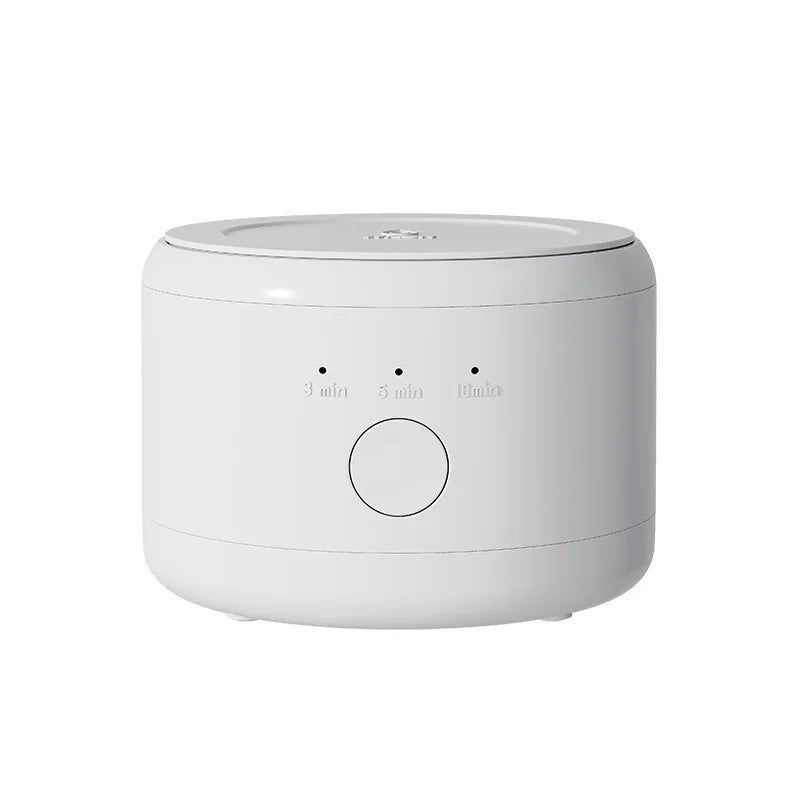
See it in action: ultrasonic retainer cleaner reviews show visible results in minutes.
Want clinical-level hygiene without the dentist bill? Try the KentDO Ultrasonic Cleaner — limited stock remaining!
Do Ultrasonic Cleaners Work on All Retainer Types?
Clear Plastic Retainers (Essix / Invisalign-Style)
Clear retainers are commonly used with ultrasonic cleaners. Cavitation helps remove plaque, saliva film, and cloudy buildup that develops during daily wear.
Hawley Retainers (Acrylic + Metal)
Hawley retainers combine acrylic plastic with metal wires. Ultrasonic cleaning works well because it reaches areas where wires attach to the acrylic base.
Permanent Bonded Retainers
Fixed retainers attached behind teeth cannot be removed and therefore cannot be placed inside an ultrasonic cleaner. These must be cleaned manually using floss threaders or orthodontic tools.
Evidence: Do Ultrasonic Retainer Cleaners Actually Work?
Research on ultrasonic cleaning shows that high-frequency sound waves can improve removal of deposits and microorganisms from medical and dental surfaces. For retainers, results depend on the device, cleaning routine, and condition of the appliance.
What Research and Dental Professionals Suggest
Dental professionals generally consider ultrasonic cleaning a helpful addition to regular retainer care, especially for improving cleanliness in hard-to-reach areas.
Why Results Depend on Retainer Condition and Cleaning Routine
A newer retainer with light buildup may show noticeable improvement, while older retainers with hardened deposits may require soaking solutions or professional cleaning.
Ultrasonic Cleaner vs Traditional Retainer Cleaning Methods
Different cleaning methods serve different purposes. Ultrasonic cleaning helps reach areas that manual methods miss, while brushing and soaking remain essential for routine care.
Toothbrush and Gentle Cleaning
Brushing removes surface debris but may not reach tight crevices. Abrasive toothpaste can also scratch clear retainers.
Retainer Cleaning Tablets and Soaking Solutions
Cleaning tablets and soaking solutions help reduce bacteria and odor but often require longer soaking times and may not remove all plaque without brushing.
Ultrasonic Cleaning
Ultrasonic cleaning provides deeper reach into grooves and tight spaces, making it effective for improving overall cleanliness and maintenance.
Ultrasonic Retainer Cleaner Before and After: Realistic Results
Before-and-after results depend on the starting condition of the retainer. Users often notice improvements in odor, surface debris, and general cleanliness.
However, ultrasonic cleaners usually cannot restore heavily stained or damaged retainers to a brand-new appearance.
- Improved clarity for lightly cloudy retainers
- Reduced odor from bacterial buildup
- Smoother surface feel after cleaning
- Limited effect on deep stains or tartar
Are Ultrasonic Retainer Cleaners Safe?
Safety for Plastic Retainers
Ultrasonic cleaners are safe for most clear retainers when used with moderate water temperature. Avoid hot water, which can warp plastic.
Safety for Metal Components
Metal wires and components are generally safe for ultrasonic cleaning, as this technology is commonly used in dental environments.
How Often Should You Use an Ultrasonic Cleaner?
Most users benefit from using an ultrasonic cleaner two to three times per week, alongside daily rinsing or gentle brushing.
Pros and Cons of Ultrasonic Cleaners for Retainers
Benefits of Ultrasonic Retainer Cleaners
- Reaches difficult areas and crevices
- Improves cleaning consistency
- Reduces odor and buildup
- Convenient and time-efficient
Limitations and Drawbacks
- Does not replace all cleaning methods
- Less effective on hardened tartar
- Requires a separate device
Are Ultrasonic Retainer Cleaners Worth It?
Ultrasonic cleaners are worth it for people who wear retainers regularly and want a more efficient way to maintain cleanliness. They are particularly helpful for reducing odor and improving clarity.
However, they work best when combined with regular maintenance rather than used as a standalone solution.
Who Should Use an Ultrasonic Retainer Cleaner?
- People who wear retainers daily
- Users dealing with odor or buildup
- Clear aligner users wanting better transparency
- Anyone seeking easier maintenance routines
Common Mistakes That Reduce Ultrasonic Cleaning Results
- Using only water when extra cleaning support is needed
- Letting buildup harden before cleaning
- Using harsh chemicals that damage materials
- Expecting instant removal of deep stains
- Ignoring manufacturer instructions
How to Use an Ultrasonic Cleaner for Retainers Correctly
- Fill the chamber with clean water.
- Place the retainer inside.
- Optional: add a cleaning tablet.
- Run a 3–5 minute cycle.
- Rinse thoroughly.
- Air dry before storing.
Frequently Asked Questions About Ultrasonic Retainer Cleaners
Do ultrasonic cleaners work for retainers?
Yes. Ultrasonic cleaners help remove plaque, debris, and biofilm using cavitation bubbles.
Are ultrasonic cleaners safe for retainers?
They are generally safe when used correctly with appropriate water temperature.
Do ultrasonic retainer cleaners remove bacteria?
They help reduce bacteria by removing biofilm, especially when combined with cleaning solutions.
Can Ultrasonic Cleaners Remove Yellow Stains or Tartar?
Ultrasonic cleaners may reduce surface discoloration but are less effective against hardened tartar or deep stains.
Are ultrasonic retainer cleaners worth buying?
They are worth buying for users who want easier and more effective maintenance, especially for daily retainer wear.
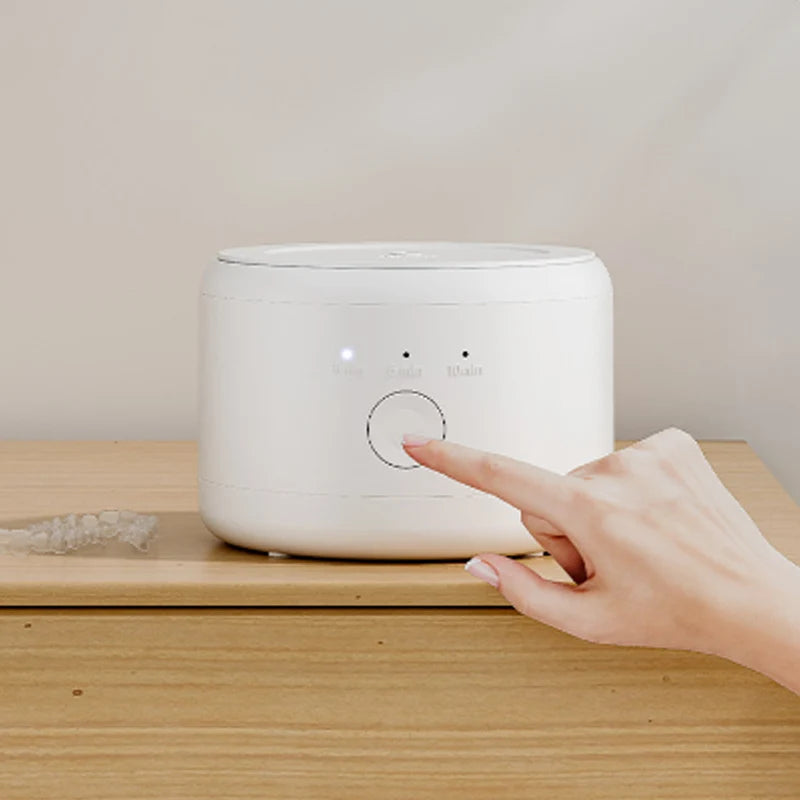
Want effortless oral appliance care? Check out the best ultrasonic cleaner for retainer hygiene today.
Ready to level up your retainer routine? Grab the KentDO Ultrasonic Retainer Cleaner before it sells out — only a few left!
Pillar Article: 7 Denture Cleaner Home Remedies That Actually Work
Other Related Articles:
- What’s the Best Ultrasonic Retainer Cleaner in 2025?
- Ultrasonic Cleaner for Dental Appliances: Top Picks Ranked
- The 5 Best Denture Cleaning Solutions for Deep, Daily Freshness
- Denture Cleaner Homemade vs Store-Bought: Which Cleans Better?
Explore More:













