

❓ Sonic vs Ultrasonic Retainer Cleaner: Which Should I Use Daily?
Sonic retainer cleaners are fast, quiet, and convenient for daily use without solution, making them ideal for quick hygiene routines. Ultrasonic devices excel at deep-cleaning stubborn plaque or stains with solution. For best results, many users combine sonic daily and ultrasonic weekly for a complete, hassle-free clean.
Retainer Cleaner Sonic vs Ultrasonic: Which Wins for Daily Cleaning?
A retainer cleaner sonic device might just outperform what you thought the best cleaning tech could do. While ultrasonic retainer cleaner solution and glowing ultrasonic retainer cleaner reviews have their place, there's a new contender shaking things up. Could sonic actually offer faster, more consistent results with less hassle? Or does ultrasonic still reign supreme for deep daily hygiene? Let’s break down what really works—and what might surprise you.
⏱ 7 min read
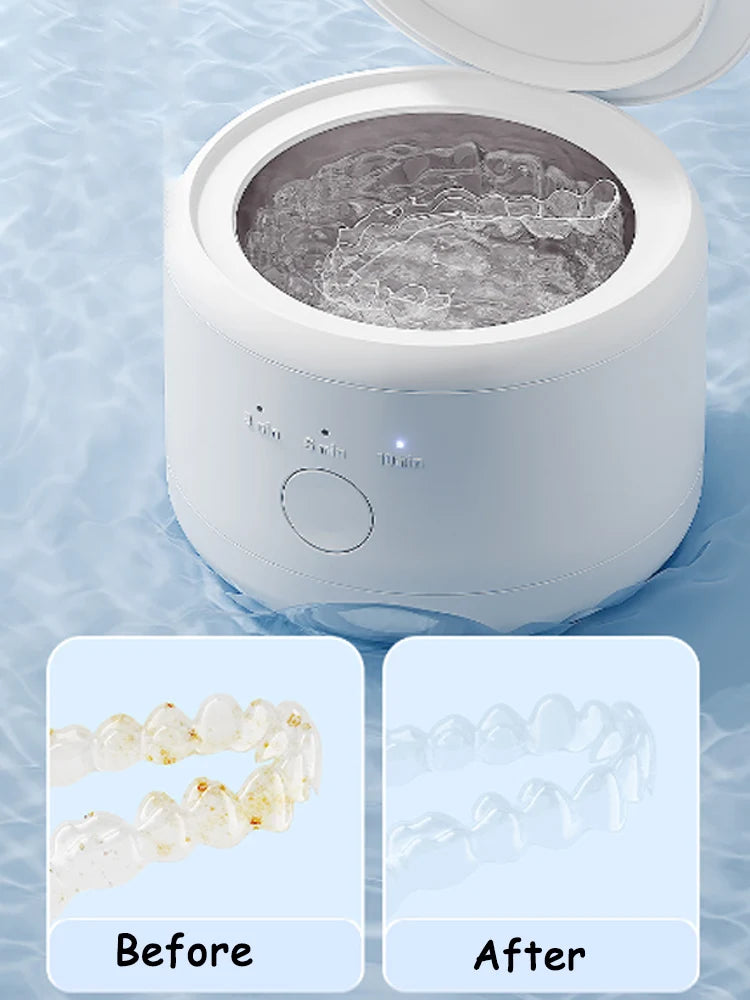
💡 See the retainer cleaner sonic in action — fast, simple, and surprisingly quiet.
Sonic vs Ultrasonic: What's the Real Difference?
The difference between sonic and ultrasonic cleaning comes down to vibration frequency and cleaning mechanism . Both technologies use sound waves to remove debris, but they operate at very different speeds and interact with water in different ways.
Sonic vs Ultrasonic Comparison Table
| Feature | Sonic Cleaning | Ultrasonic Cleaning |
|---|---|---|
| Frequency Range | ~200–400 Hz | 20,000–40,000 Hz (20–40 kHz) |
| Cleaning Mechanism | Mechanical vibration | Microscopic cavitation bubbles |
| Cleaning Depth | Surface-level agitation | Deep microscopic cleaning |
| Noise Level | Audible buzzing | Usually quieter hum |
| Typical Devices | Sonic toothbrushes | Jewelry and retainer cleaners |
| Best For | Daily surface cleaning | Deep sanitizing and plaque removal |
Frequency Range Explained (Hz Differences)
Sonic devices operate in the audible sound range , meaning you can often hear and feel their vibrations. Ultrasonic devices operate far above the human hearing range, producing extremely fast vibrations that create microscopic bubbles in liquid.
These bubbles collapse rapidly in a process called cavitation , which lifts debris from tiny crevices that manual brushing or sonic vibration may miss.
What Is Sonic Technology?
Sonic technology uses high-speed mechanical vibrations to agitate liquid and dislodge particles from surfaces. The vibration frequency is typically between 200 and 400 Hz , which is within the human audible range.
How Sonic Cleaning Works
When a sonic cleaning device activates, the motor produces rapid vibrations that travel through water. These vibrations create strong fluid movement that helps loosen food particles, plaque, and debris attached to surfaces like retainers or aligners.
The process is similar to shaking dirt loose from fabric by rapidly moving it in water.
Common Devices That Use Sonic Technology
- Sonic toothbrushes
- Some retainer cleaning devices
- Dental plaque removers
- Small household cleaning tools
Sonic cleaning works best for regular daily maintenance where the goal is to prevent buildup rather than remove deeply embedded debris.
What Is Ultrasonic Technology?
Ultrasonic cleaning uses extremely high-frequency sound waves, typically between 20,000 and 40,000 Hz . These vibrations are far beyond the human hearing range and interact with liquid in a unique way.
How Ultrasonic Cleaning Works
An ultrasonic cleaner sends high-frequency sound waves through water or cleaning solution. These waves create millions of microscopic bubbles that form and collapse rapidly.
This process gently removes debris, bacteria, and plaque from tiny spaces without requiring manual scrubbing.
Cavitation Explained in Simple Terms
The bubbles created during ultrasonic cleaning collapse in a process called cavitation . When they burst, they release small bursts of energy that dislodge particles from tight crevices.
This is why ultrasonic cleaning is commonly used for objects with intricate surfaces such as:
- Dental retainers
- Jewelry
- Eyeglasses
- Dental tools
Where Ultrasonic Cleaners Are Used
- Dental clinics
- Orthodontic labs
- Medical instrument sterilization
- Jewelry cleaning
- At-home retainer cleaning devices
Sonic vs Ultrasonic for Retainer Cleaning
Both sonic and ultrasonic devices can clean dental retainers, but they work in different ways and deliver different levels of cleaning power.
Are Ultrasonic Cleaners Good for Retainers?
Yes. Ultrasonic cleaners are widely used for retainers because cavitation bubbles reach small grooves and edges where bacteria often accumulate.
This makes them particularly effective for clear retainers and aligners that have complex shapes.
Do Ultrasonic Retainer Cleaners Work Better Than Tablets?
Cleaning tablets rely on chemical reactions to break down debris, while ultrasonic cleaners use mechanical cavitation.
Many users combine both methods: tablets help dissolve stains, while ultrasonic vibrations remove loosened particles.
Are All Ultrasonic Cleaners the Same?
No. Ultrasonic cleaners vary widely in frequency, tank size, and vibration strength. Devices designed specifically for dental appliances typically operate around 40 kHz , which balances cleaning power with gentle treatment of plastic retainers.
Advantages and Limitations of Sonic vs Ultrasonic Devices
Advantages of Sonic Cleaning
- Simple and affordable technology
- Effective for daily maintenance
- Typically faster cleaning cycles
- Lower equipment cost
Advantages of Ultrasonic Cleaning
- Deep cleaning through cavitation
- Reaches microscopic crevices
- Minimal manual scrubbing required
- Widely used in professional dental settings
Limitations of Each Technology
- Sonic devices may struggle with hardened plaque
- Ultrasonic devices usually cost more
- Some ultrasonic cleaners require cleaning solutions
- Not all devices are designed for dental appliances
Best Use Cases for Sonic vs Ultrasonic Devices
When Sonic Cleaning Is the Better Choice
- Daily retainer maintenance
- Quick cleaning routines
- Lower-budget cleaning tools
- Light plaque removal
When Ultrasonic Cleaning Is the Better Choice
- Deep cleaning dental appliances
- Removing buildup from tight grooves
- Cleaning jewelry or glasses alongside retainers
- Reducing bacterial buildup more effectively
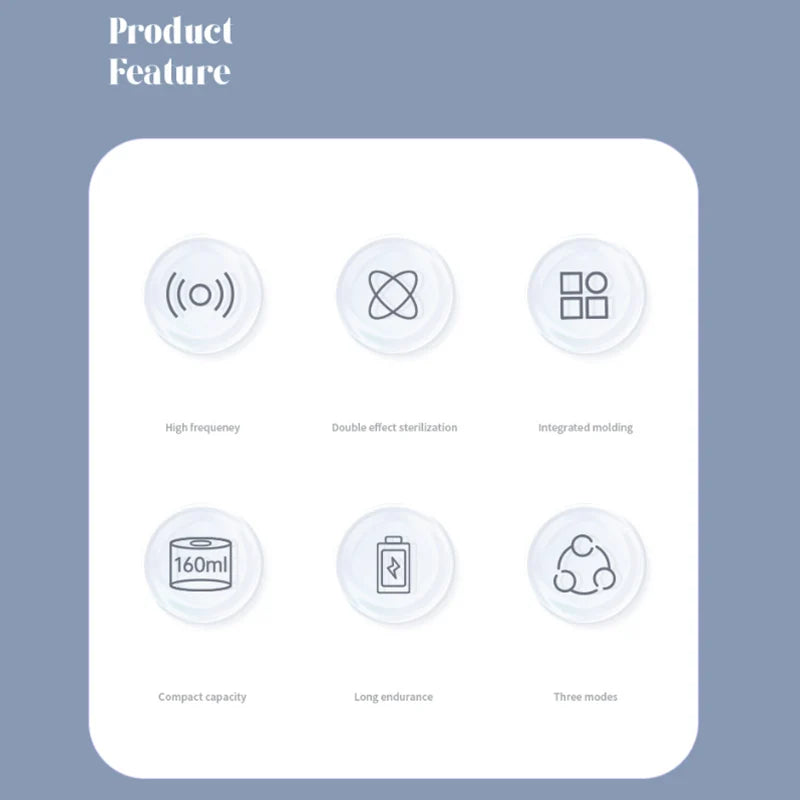
💡 The best ultrasonic cleaner for retainer is now paired with sonic power — see why users switch daily.
KentDO Sonic & Ultrasonic Retainer Cleaner Overview
The KentDO unit bridges sonic and ultrasonic benefits. Its hybrid design allows quick daily cleaning and deeper periodic cycles for dental appliances.
Why Choose KentDO?
The retainer cleaner sonic mode helps maintain retainers between deep cleans, while ultrasonic cavitation provides deeper plaque removal when needed.
| Pros | Cons |
|---|---|
| ✅ Dual-mode for flexible cleaning | ❌ Higher price point |
| ✅ Fast 5-min cycle | ❌ Needs USB power |
| ✅ Quiet operation | ❌ Not dishwasher-safe |
| ✅ Works with or without solution | ❌ Limited color options |

💡 Don’t just clean it. Care for it — the retainer cleaner sonic that goes deeper, faster.
Sonic vs Ultrasonic Retainer Cleaner FAQ
Are ultrasonic cleaners good for retainers?
Yes. Ultrasonic cleaners are effective because cavitation bubbles reach small grooves and remove buildup without damaging plastic retainers.
Do ultrasonic cleaners work for retainers?
They work well for daily hygiene and can remove plaque, bacteria, and debris from difficult-to-reach areas.
Are ultrasonic retainer cleaners worth it?
For people who wear retainers daily, ultrasonic cleaners can simplify maintenance and reduce manual scrubbing.
Ultrasonic retainer cleaner vs tablets: which works better?
Ultrasonic cleaners provide mechanical cleaning, while tablets provide chemical cleaning. Using both together often delivers the best results.
Are all ultrasonic cleaners the same?
No. Ultrasonic cleaners differ in frequency, tank size, power output, and intended use. Devices designed for dental appliances typically use frequencies around 40 kHz.
Pillar Article: The Best Denture Ultrasonic Cleaner in 2025—Reviewed & Compared
Explore More:
- What’s the Best Ultrasonic Retainer Cleaner in 2025?
- Do Ultrasonic Cleaners Work for Retainers? Real Results Inside
Quick Comparison: Ultrasonic Retainer Cleaner vs Tablets
If you're deciding between an ultrasonic retainer cleaner and cleaning tablets, the best choice depends on your priorities. Ultrasonic cleaners use high-frequency sound waves to remove debris and biofilm from hard-to-reach areas, while tablets rely on cleaning agents that dissolve stains, odors, and surface buildup.
Side-by-Side Comparison Table
- Cleaning Power: Ultrasonic cleaners generally provide deeper physical cleaning.
- Bacteria Reduction: Both methods can help reduce bacteria when used correctly.
- Odor Removal: Tablets often perform better for odor control.
- Stain Removal: Tablets may remove discoloration more effectively.
- Daily Convenience: Ultrasonic cleaners require less handling.
- Long-Term Cost: Ultrasonic cleaners usually cost less over time after the initial purchase.
- Travel Friendliness: Tablets are easier to carry while traveling.
Who Should Choose Each Method?
Users seeking hands-free daily cleaning often prefer ultrasonic cleaners, while those focused on stain removal and portability may prefer cleaning tablets. Many users benefit from combining both methods as part of a complete maintenance routine.
=== How Retainer Cleaning Tablets Work === Purpose: Fills the largest topical gap currently preventing full keyword relevance. Placement: After Quick Comparison section. HTML Block: HTMLHow Retainer Cleaning Tablets Work
Retainer cleaning tablets dissolve in water and release cleaning agents that help break down stains, odors, and accumulated debris. They are commonly used for retainers, aligners, night guards, and dentures.
Active Ingredients and Cleaning Process
Most tablets contain ingredients that create an effervescent cleaning action. This helps loosen deposits from appliance surfaces while reducing odor-causing buildup.
What Tablets Remove Well
- Surface stains
- Odors
- Food residue
- Light plaque buildup
Where Tablets Fall Short
Cleaning solutions may not always reach microscopic crevices as effectively as ultrasonic cavitation. Users may still need occasional brushing or deep cleaning to remove stubborn deposits.
=== How Ultrasonic Retainer Cleaners Work === Purpose: Aligns section directly with commercial search intent and target keyword cluster. Placement: Replace existing "What Is Ultrasonic Technology?" section. HTML Block: HTMLHow Ultrasonic Retainer Cleaners Work
Ultrasonic cleaners generate high-frequency sound waves that create microscopic bubbles in water. When these bubbles collapse, they produce a cleaning effect known as cavitation.
Ultrasonic Cavitation Explained
Cavitation allows water movement to reach tiny grooves, crevices, and irregular surfaces that may be difficult to clean manually. This makes ultrasonic technology particularly useful for retainers and aligners.
Do Ultrasonic Retainer Cleaners Work?
Many users find ultrasonic cleaners effective for removing daily debris, plaque accumulation, and biofilm from dental appliances. Results vary depending on cleaning duration, frequency, and device quality.
Are All Ultrasonic Cleaners the Same?
No. Differences in frequency, power output, tank size, cleaning cycles, and build quality can significantly affect performance and cleaning consistency.
=== Ultrasonic Retainer Cleaner vs Tablets: Head-to-Head Comparison === Purpose: Primary ranking section targeting the exact keyword. Placement: Immediately after ultrasonic technology explanation. HTML Block: HTMLUltrasonic Retainer Cleaner vs Tablets: Head-to-Head Comparison
Cleaning Effectiveness
Ultrasonic cleaners excel at physically removing debris from hard-to-reach areas, while tablets focus on dissolving stains and residue through chemical action.
Bacteria and Biofilm Removal
Both methods can contribute to cleaner retainers. Ultrasonic cleaning helps disrupt biofilm accumulation, while tablets assist through their cleaning formulation.
Stain and Odor Removal
Cleaning tablets generally provide stronger stain and odor control. Ultrasonic cleaners may benefit from occasional tablet use when discoloration develops.
Convenience and Daily Use
Ultrasonic cleaners offer a simple drop-in cleaning process. Tablets require preparation, soaking time, and recurring purchases.
Long-Term Cost
Tablets create ongoing expenses over time. Ultrasonic cleaners involve a higher upfront investment but may reduce recurring cleaning costs.
Material Safety
Both methods are generally considered suitable for common retainer materials when manufacturer instructions are followed.
Maintenance Requirements
Tablets require replacement purchases, while ultrasonic devices require occasional cleaning and maintenance of the machine itself.
=== Ultrasonic Retainer Cleaner vs Manual Cleaning === Purpose: Captures additional comparison keywords and strengthens topical authority. Placement: After Head-to-Head Comparison. HTML Block: HTMLUltrasonic Retainer Cleaner vs Manual Cleaning
Why Brushing Alone Often Misses Hidden Areas
Manual brushing can remove visible debris but may struggle to consistently clean grooves, corners, and textured surfaces found on many retainers and aligners.
Retainer Cleaning Machine vs Manual Cleaning
Retainer cleaning machines automate part of the cleaning process and may provide more consistent results. Manual cleaning remains useful but often requires greater effort and attention to detail.
=== Can You Combine Ultrasonic Cleaning and Tablets? === Purpose: Introduces a high-converting decision framework commonly present on top-ranking pages. Placement: After Manual Cleaning section. HTML Block: HTMLCan You Combine Ultrasonic Cleaning and Tablets?
When Combination Cleaning Makes Sense
Many users combine ultrasonic cleaning for daily maintenance with cleaning tablets for periodic deep cleaning and stain control.
Best Weekly Cleaning Routine
- Rinse retainers daily.
- Use an ultrasonic cleaner regularly.
- Use cleaning tablets periodically for stain and odor management.
- Inspect appliances for buildup and discoloration.
Advantages and Limitations of Ultrasonic Cleaners and Tablets
Advantages of Ultrasonic Cleaning
- Hands-free operation
- Reaches difficult areas
- Lower recurring cost
- Suitable for frequent cleaning
Advantages of Cleaning Tablets
- Excellent odor control
- Portable and travel-friendly
- Strong stain-management capability
- No equipment required
Limitations of Each Method
Ultrasonic cleaners require an upfront purchase, while tablets create recurring costs and may not provide the same mechanical cleaning action as cavitation.
=== Are Ultrasonic Retainer Cleaners Worth It? === Purpose: Targets high-intent commercial keywords. Placement: Before recommendation/use-case section. HTML Block: HTMLAre Ultrasonic Retainer Cleaners Worth It?
Cost Over One Year
For users who clean retainers daily, recurring tablet purchases can accumulate over time. An ultrasonic cleaner may become more economical after the initial investment.
Cost Over Three Years
Long-term users often find that equipment costs are offset by reduced dependence on disposable cleaning products.
Best Value by User Type
- Daily retainer wearers: Often benefit most from ultrasonic cleaning.
- Occasional users: May find tablets sufficient.
- Travelers: Often prefer tablets.
- Heavy stain concerns: Combination cleaning may provide the best value.
Who Should Choose an Ultrasonic Cleaner vs Tablets?
Best for Clear Retainers and Aligners
Ultrasonic cleaning is often preferred for frequent maintenance and hard-to-reach surfaces.
Best for Night Guards and Mouth Guards
Users concerned about odor and heavy buildup may benefit from combining tablets and ultrasonic cleaning.
Best for Dentures
Both methods are commonly used, depending on cleaning goals and convenience preferences.
Best for Travelers
Cleaning tablets offer portability and require no equipment, making them easier for travel use.
=== KentDO Ultrasonic Retainer Cleaner Overview === Purpose: Improves commercial relevance while avoiding overly promotional language. Placement: Replace current product section. HTML Block: HTMLKentDO Ultrasonic Retainer Cleaner Overview
Key Features
Highlight ultrasonic frequency, cleaning cycle options, tank capacity, portability, and compatibility with retainers, aligners, mouth guards, and dentures.
Who It Is Best For
This type of device is generally best suited for users seeking convenient daily maintenance with lower long-term cleaning costs.
=== Ultrasonic Retainer Cleaner vs Tablets FAQ === Purpose: Expands long-tail coverage and FAQ schema opportunities. Placement: Replace existing FAQ section. HTML Block: HTMLUltrasonic Retainer Cleaner vs Tablets FAQ
Can you use cleaning tablets in an ultrasonic cleaner?
Many users combine both methods, but always follow manufacturer recommendations for both the appliance and the cleaner.
Is manual brushing enough for retainers?
Brushing helps remove visible debris, but many users supplement manual cleaning with other cleaning methods for more consistent results.
STEP 3 — Final Optimization Notes Internal Link Insertion Points Within How Ultrasonic Retainer Cleaners Work Link to article targeting: "do ultrasonic retainer cleaners work" "are ultrasonic cleaners good for retainers" Within Are Ultrasonic Retainer Cleaners Worth It? Link to product category page. Link to buying guide. Within Who Should Choose an Ultrasonic Cleaner vs Tablets? Link to aligner cleaning guide. Link to denture cleaner guide. Link to mouth guard cleaning guide. Within Can You Combine Ultrasonic Cleaning and Tablets? Link to maintenance routine article. Link to cleaning frequency guide. FAQ Schema Placement Place FAQ schema immediately after the FAQ section and before the conclusion. Include: Are ultrasonic cleaners good for retainers? Do ultrasonic cleaners work for retainers? Are ultrasonic retainer cleaners worth it? Ultrasonic retainer cleaner vs tablets: which works better? Can you use cleaning tablets in an ultrasonic cleaner? Is manual brushing enough for retainers? Are all ultrasonic cleaners the same? Suggested Paragraph Trimming Areas Reduce content in: Frequency Range Explained (Hz Differences) Common Devices That Use Sonic Technology Where Ultrasonic Cleaners Are Used Generic technology history explanations Broad non-dental cleaning examples These sections provide little value for tablet-comparison intent. Sections to Reduce Fluff Sonic technology educational content. Generic sonic vs ultrasonic definitions. Non-retainer industrial use examples. Repetitive cavitation explanations. Brand-heavy promotional copy. Long generic pros-and-cons lists without direct comparison. Prioritize: Comparison tables Decision frameworks Cost calculations Cleaning efficacy comparisons Scenario-based recommendations Tablet vs ultrasonic outcomes by use case These additions align much more closely with the current Top-3 SERP pattern for "ultrasonic retainer cleaner vs tablets" and substantially improve commercial investigation relevance. --- REAL PRODUCT RULES - Shop now (/products/kentdo-ultrasonic-retainer-cleaner-deep-clean) - View KentDO now (/products/kentdo-ultrasonic-retainer-cleaner-deep-clean) - KentDO (/products/kentdo-ultrasonic-retainer-cleaner-deep-clean) - Shop KentDO now (/products/kentdo-ultrasonic-retainer-cleaner-deep-clean) PRODUCT COMPARISON RULES If the article includes: • product comparisons • best product sections • top product lists • recommendation sections Then: 1. Use ONLY real-world products 2. Always include the products listed above 3. Use 3–5 real competitor brands 4. Only the products listed above must be clickable 5. Competitor products should NOT contain links unless already present in the original article 6. Do NOT use placeholders such as: - Model A - Model B - Product 1 IMPORTANT: • Only create a comparison table when it improves the article • Do NOT force a comparison table if not necessary • If a comparison table already exists, improve it • If no comparison is needed, skip table creation --- UPGRADE RULES 1. Preserve ALL existing product links. 2. Preserve ALL image URLs. 3. Preserve affiliate links exactly as they appear. 4. Do NOT remove existing images unless absolutely necessary. 5. Insert new sections from the upgrade plan at the correct locations. 6. Do NOT produce duplicate headings. 7. Maintain clean semantic HTML structure. 8. Preserve ALL internal blog links. 9. If the article contains sections such as: - Related Articles - Related Posts - Pillar Articles - Recommended Reading - You May Also Like - Internal Guides These sections MUST remain in the article. Do NOT remove or rewrite their links. 10. Internal blog link sections should remain near the end of the article, typically before the conclusion or after the FAQ section. 11. If the article already contains internal linking blocks, keep them unchanged to preserve the site's internal SEO structure. --- CONTENT QUALITY IMPROVEMENTS Enhance the article by: • Improving clarity and readability • Adding expert explanations • Expanding sections where competitors are stronger • Improving comparison sections • Adding helpful lists and structured content Ensure the article feels like a **professional expert guide**, not a promotional article. --- SEO OPTIMIZATION Apply the following SEO improvements: • Natural keyword placement • Add semantic variations • Improve heading hierarchy • Add comparison sections where needed • Add FAQ section for PAA queries • Improve internal linking opportunities --- TEMPORAL CONTENT UPDATE If the article text contains the year "2005", update it to the current year "2026". Rules: • Only update the year when it appears in the visible article text • Do NOT modify years that appear inside URLs or links • Do NOT change years that appear in image URLs or file names • Do NOT add a year if the article originally does not mention any year • Preserve all links exactly as they appear Example: Correct:Best beard styles in 2026
Do NOT modify: --- FORMAT REQUIREMENTS Return ONLY clean HTML. Do NOT include explanations. Use proper tags:













