

❓ Sonic vs Ultrasonic Retainer Cleaner: Which Should I Use Daily?
Sonic retainer cleaners are fast, quiet, and convenient for daily use without solution, making them ideal for quick hygiene routines. Ultrasonic devices excel at deep-cleaning stubborn plaque or stains with solution. For best results, many users combine sonic daily and ultrasonic weekly for a complete, hassle-free clean.
Retainer Cleaner Sonic vs Ultrasonic: Which Wins for Daily Cleaning?
A retainer cleaner sonic device might just outperform what you thought the best cleaning tech could do. While ultrasonic retainer cleaner solution and glowing ultrasonic retainer cleaner reviews have their place, there's a new contender shaking things up. Could sonic actually offer faster, more consistent results with less hassle? Or does ultrasonic still reign supreme for deep daily hygiene? Let’s break down what really works—and what might surprise you.
⏱ 7 min read
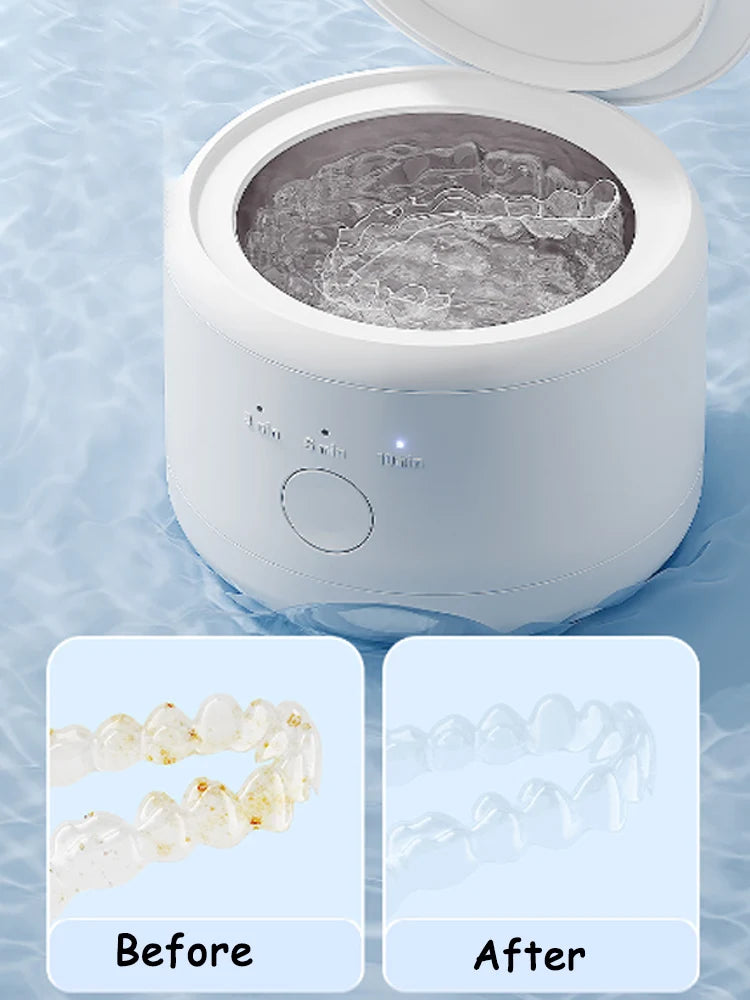
💡 See the retainer cleaner sonic in action — fast, simple, and surprisingly quiet.
Sonic vs Ultrasonic: What's the Real Difference?
The difference between sonic and ultrasonic cleaning comes down to vibration frequency and cleaning mechanism. Both technologies use sound waves to remove debris, but they operate at very different speeds and interact with water in different ways.
Sonic vs Ultrasonic Comparison Table
| Feature | Sonic Cleaning | Ultrasonic Cleaning |
|---|---|---|
| Frequency Range | ~200–400 Hz | 20,000–40,000 Hz (20–40 kHz) |
| Cleaning Mechanism | Mechanical vibration | Microscopic cavitation bubbles |
| Cleaning Depth | Surface-level agitation | Deep microscopic cleaning |
| Noise Level | Audible buzzing | Usually quieter hum |
| Typical Devices | Sonic toothbrushes | Jewelry and retainer cleaners |
| Best For | Daily surface cleaning | Deep sanitizing and plaque removal |
Frequency Range Explained (Hz Differences)
Sonic devices operate in the audible sound range, meaning you can often hear and feel their vibrations. Ultrasonic devices operate far above the human hearing range, producing extremely fast vibrations that create microscopic bubbles in liquid.
These bubbles collapse rapidly in a process called cavitation, which lifts debris from tiny crevices that manual brushing or sonic vibration may miss.
What Is Sonic Technology?
Sonic technology uses high-speed mechanical vibrations to agitate liquid and dislodge particles from surfaces. The vibration frequency is typically between 200 and 400 Hz, which is within the human audible range.
How Sonic Cleaning Works
When a sonic cleaning device activates, the motor produces rapid vibrations that travel through water. These vibrations create strong fluid movement that helps loosen food particles, plaque, and debris attached to surfaces like retainers or aligners.
The process is similar to shaking dirt loose from fabric by rapidly moving it in water.
Common Devices That Use Sonic Technology
- Sonic toothbrushes
- Some retainer cleaning devices
- Dental plaque removers
- Small household cleaning tools
Sonic cleaning works best for regular daily maintenance where the goal is to prevent buildup rather than remove deeply embedded debris.
What Is Ultrasonic Technology?
Ultrasonic cleaning uses extremely high-frequency sound waves, typically between 20,000 and 40,000 Hz. These vibrations are far beyond the human hearing range and interact with liquid in a unique way.
How Ultrasonic Cleaning Works
An ultrasonic cleaner sends high-frequency sound waves through water or cleaning solution. These waves create millions of microscopic bubbles that form and collapse rapidly.
This process gently removes debris, bacteria, and plaque from tiny spaces without requiring manual scrubbing.
Cavitation Explained in Simple Terms
The bubbles created during ultrasonic cleaning collapse in a process called cavitation. When they burst, they release small bursts of energy that dislodge particles from tight crevices.
This is why ultrasonic cleaning is commonly used for objects with intricate surfaces such as:
- Dental retainers
- Jewelry
- Eyeglasses
- Dental tools
Where Ultrasonic Cleaners Are Used
- Dental clinics
- Orthodontic labs
- Medical instrument sterilization
- Jewelry cleaning
- At-home retainer cleaning devices
Sonic vs Ultrasonic for Retainer Cleaning
Both sonic and ultrasonic devices can clean dental retainers, but they work in different ways and deliver different levels of cleaning power.
Are Ultrasonic Cleaners Good for Retainers?
Yes. Ultrasonic cleaners are widely used for retainers because cavitation bubbles reach small grooves and edges where bacteria often accumulate.
This makes them particularly effective for clear retainers and aligners that have complex shapes.
Do Ultrasonic Retainer Cleaners Work Better Than Tablets?
Cleaning tablets rely on chemical reactions to break down debris, while ultrasonic cleaners use mechanical cavitation.
Many users combine both methods: tablets help dissolve stains, while ultrasonic vibrations remove loosened particles.
Are All Ultrasonic Cleaners the Same?
No. Ultrasonic cleaners vary widely in frequency, tank size, and vibration strength. Devices designed specifically for dental appliances typically operate around 40 kHz, which balances cleaning power with gentle treatment of plastic retainers.
Advantages and Limitations of Sonic vs Ultrasonic Devices
Advantages of Sonic Cleaning
- Simple and affordable technology
- Effective for daily maintenance
- Typically faster cleaning cycles
- Lower equipment cost
Advantages of Ultrasonic Cleaning
- Deep cleaning through cavitation
- Reaches microscopic crevices
- Minimal manual scrubbing required
- Widely used in professional dental settings
Limitations of Each Technology
- Sonic devices may struggle with hardened plaque
- Ultrasonic devices usually cost more
- Some ultrasonic cleaners require cleaning solutions
- Not all devices are designed for dental appliances
Best Use Cases for Sonic vs Ultrasonic Devices
When Sonic Cleaning Is the Better Choice
- Daily retainer maintenance
- Quick cleaning routines
- Lower-budget cleaning tools
- Light plaque removal
When Ultrasonic Cleaning Is the Better Choice
- Deep cleaning dental appliances
- Removing buildup from tight grooves
- Cleaning jewelry or glasses alongside retainers
- Reducing bacterial buildup more effectively
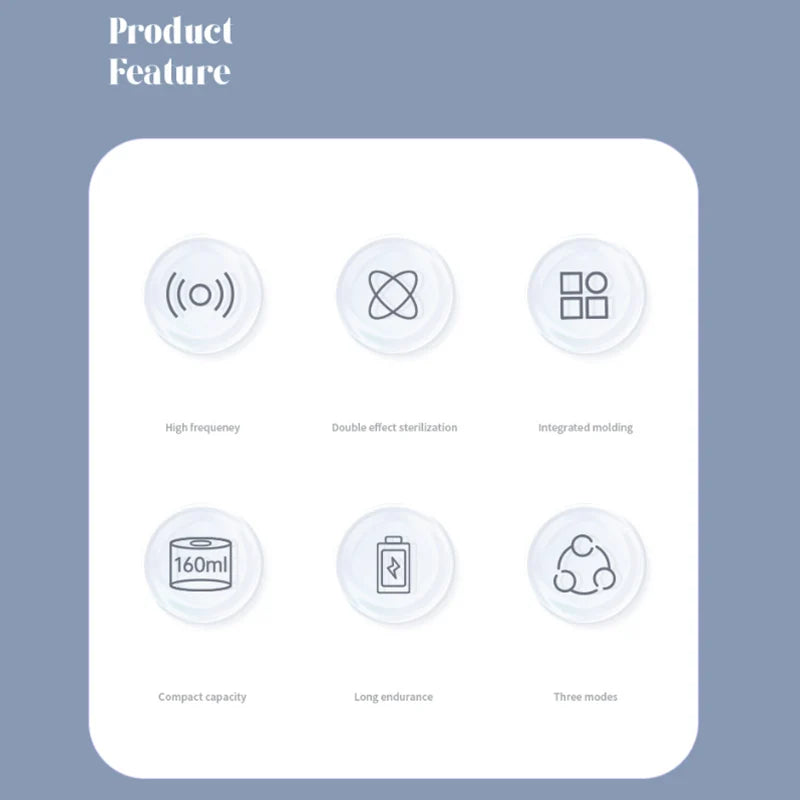
💡 The best ultrasonic cleaner for retainer is now paired with sonic power — see why users switch daily.
KentDO Sonic & Ultrasonic Retainer Cleaner Overview
The KentDO unit bridges sonic and ultrasonic benefits. Its hybrid design allows quick daily cleaning and deeper periodic cycles for dental appliances.
Why Choose KentDO?
The retainer cleaner sonic mode helps maintain retainers between deep cleans, while ultrasonic cavitation provides deeper plaque removal when needed.
| Pros | Cons |
|---|---|
| ✅ Dual-mode for flexible cleaning | ❌ Higher price point |
| ✅ Fast 5-min cycle | ❌ Needs USB power |
| ✅ Quiet operation | ❌ Not dishwasher-safe |
| ✅ Works with or without solution | ❌ Limited color options |

💡 Don’t just clean it. Care for it — the retainer cleaner sonic that goes deeper, faster.
Sonic vs Ultrasonic Retainer Cleaner FAQ
Are ultrasonic cleaners good for retainers?
Yes. Ultrasonic cleaners are effective because cavitation bubbles reach small grooves and remove buildup without damaging plastic retainers.
Do ultrasonic cleaners work for retainers?
They work well for daily hygiene and can remove plaque, bacteria, and debris from difficult-to-reach areas.
Are ultrasonic retainer cleaners worth it?
For people who wear retainers daily, ultrasonic cleaners can simplify maintenance and reduce manual scrubbing.
Ultrasonic retainer cleaner vs tablets: which works better?
Ultrasonic cleaners provide mechanical cleaning, while tablets provide chemical cleaning. Using both together often delivers the best results.
Are all ultrasonic cleaners the same?
No. Ultrasonic cleaners differ in frequency, tank size, power output, and intended use. Devices designed for dental appliances typically use frequencies around 40 kHz.
Pillar Article: The Best Denture Ultrasonic Cleaner in 2025—Reviewed & Compared
Explore More:













