

Are ultrasonic retainer cleaners safe?
Yes—ultrasonic retainer cleaners are generally safe when used correctly. They use high-frequency sound waves to remove plaque, bacteria, and debris without scrubbing, helping protect your retainer’s shape and clarity while improving hygiene.
Are Ultrasonic Retainer Cleaners Safe? (Dentist-Backed Guide for 2026)
Ultrasonic cleaning retainers has become one of the easiest ways to maintain oral hygiene—but is it actually safe? With more people using ultrasonic retainer cleaners at home, understanding how they work, what materials they’re safe for, and how often to use them is essential for protecting your retainer long-term.
⏱ 7 min read
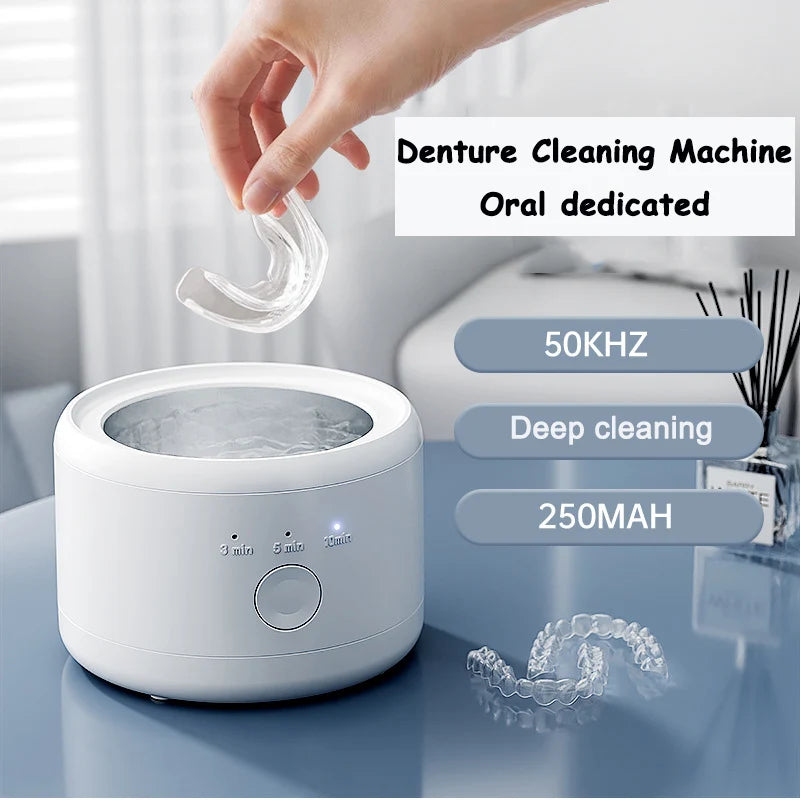
💡 Safe, simple, and effective: ultrasonic cleaning retainers in action
What Is Ultrasonic Cleaning for Retainers?
Ultrasonic cleaning retainers involves using high-frequency sound waves to generate micro-bubbles in a cleaning solution. These bubbles dislodge plaque, bacteria, and debris from all surfaces of the retainer—including hard-to-reach crevices—without abrasion or harsh scrubbing.
- Requires only water and an ultrasonic retainer cleaner solution
- Works in 3–5 minutes depending on model
- Safe for regular use when used correctly
- Great for clear aligners, wire retainers, and plastic trays
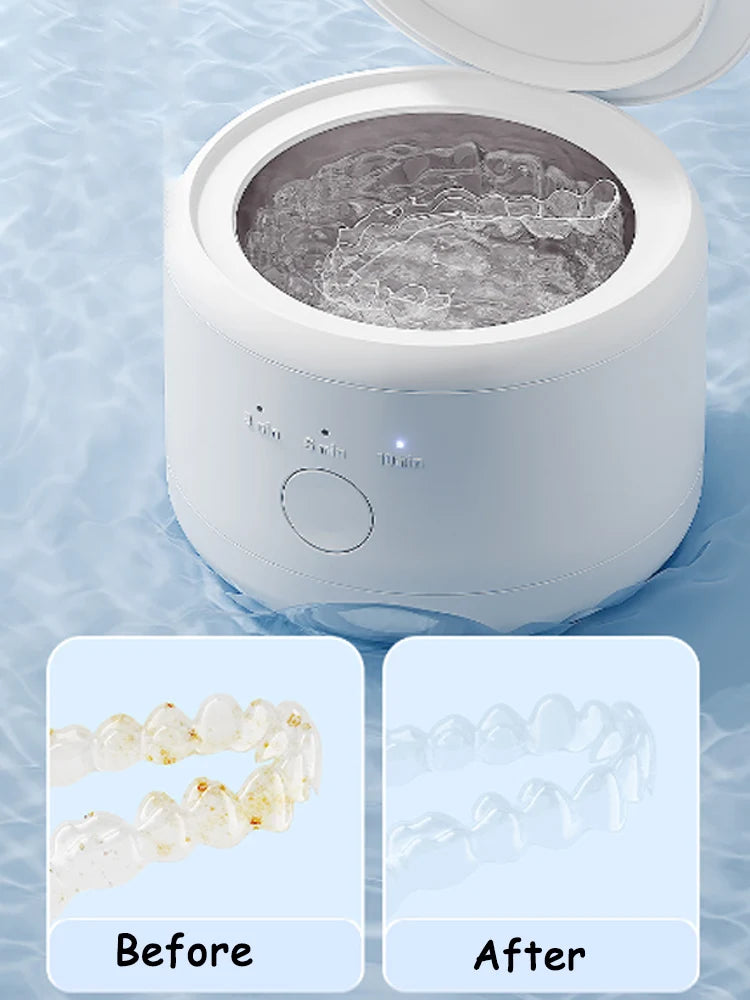
💡 Deep cleaning without damage using ultrasonic waves
How Do Ultrasonic Retainer Cleaners Work?
Ultrasonic retainer cleaners use high-frequency sound waves (typically 20,000–40,000 Hz) to create microscopic bubbles in water. This process is called cavitation.
When these bubbles collapse, they generate tiny shockwaves that gently remove plaque, bacteria, and debris from hard-to-reach areas of your retainer—without aggressive scrubbing.
- No brushing pressure → reduces risk of scratches
- Reaches crevices and tight spaces
- Breaks up biofilm and odor-causing bacteria
This non-abrasive cleaning method is why ultrasonic cleaning is widely used in dental clinics for professional instrument sanitation.
Are Ultrasonic Retainer Cleaners Safe? (Expert Answer)
Yes—ultrasonic retainer cleaners are generally safe when used correctly. Most dentists and orthodontists consider them a gentle, non-damaging way to remove bacteria and buildup from retainers, aligners, and mouthguards.
Unlike harsh brushing or abrasive toothpaste, ultrasonic cleaning relies on vibration rather than friction, which helps preserve the structure and clarity of your retainer.
Dentist & Orthodontist Perspective
Dental professionals often use ultrasonic technology in clinics to clean tools and appliances. When used with the right settings and safe cleaning solutions, it is considered low-risk for most retainer materials.
When Ultrasonic Cleaning Is NOT Safe
- Using hot water (can warp plastic retainers)
- Adding harsh chemicals like bleach or alcohol
- Running excessively long cleaning cycles repeatedly
- Using high-powered industrial ultrasonic machines not designed for dental appliances
Safety depends less on the device itself—and more on how you use it.
Material Safety Breakdown: What Types of Retainers Are Safe?
Plastic (Essix / Clear Retainers)
Safe when used with cool or lukewarm water. Avoid heat and harsh chemicals, which can cause warping or cloudiness.
Hawley Retainers (Acrylic + Metal)
Generally safe for ultrasonic cleaning. The metal wires and acrylic base tolerate gentle ultrasonic waves well.
Invisalign & Aligners
Ultrasonic cleaning is safe and effective for aligners. It helps remove invisible buildup without scratching the clear surface.
Night Guards & Mouthguards
Safe if cleaned with mild solutions. Particularly helpful for removing odor and bacteria from thicker materials.
How Often Should You Use an Ultrasonic Retainer Cleaner?
For most users, ultrasonic cleaning 2–4 times per week is enough to maintain hygiene without overexposing your retainer to repeated cycles.
- Daily wearers: 3–4 times per week
- Occasional use: 1–2 times per week
- After illness or buildup: Short daily cycles for a few days
Avoid excessive cleaning (multiple cycles per day), as this can gradually weaken certain materials over time.
Ultrasonic Retainer Cleaner Do’s and Don’ts (Critical Safety Rules)
- DO use cool or lukewarm water
- DO follow recommended cycle times (3–5 minutes)
- DO use retainer-safe cleaning solutions
- DO rinse your retainer before and after cleaning
- DON’T use boiling or hot water
- DON’T add bleach, alcohol, or harsh chemicals
- DON’T run multiple back-to-back cycles unnecessarily
- DON’T assume ultrasonic cleaning replaces brushing entirely
Ultrasonic Retainer Cleaner Solution: What Can You Safely Use?
The cleaning solution you use matters just as much as the device itself.
- Retainer cleaning tablets (recommended)
- Mild, fragrance-free soap (small amounts only)
- Plain water (safe but less effective)
Avoid:
- Bleach
- Alcohol-based cleaners
- Vinegar (can damage some materials over time)
Explore safe options in our oral care devices collection.
Common Mistakes That Can Damage Your Retainer
- Using hot water that warps plastic
- Over-cleaning multiple times per day
- Using abrasive toothpaste before ultrasonic cleaning
- Leaving retainers in solution for too long
Benefits vs Risks of Ultrasonic Cleaning Retainers
Benefits:
- Deep cleans without scrubbing
- Removes odor-causing bacteria
- Reaches hard-to-clean areas
Potential Risks (when misused):
- Heat-related warping
- Chemical damage
- Overuse wear over time
Best Ultrasonic Cleaner for Retainers in 2026 (What Actually Matters)
If you're considering buying one, focus on safety-focused features—not just power.
- Gentle frequency range (20–40 kHz)
- Short cycle timers (3–5 minutes)
- Compact size for dental appliances
- Simple one-button operation
The safest ultrasonic retainer cleaners are designed specifically for dental use—not industrial cleaning.
The KentDO Ultrasonic Retainer Cleaner remains a reliable option thanks to its user-friendly design and safe cleaning cycles.
- ✅ 3/5-minute cycle modes
- ✅ Low-noise operation
- ✅ USB rechargeable & travel-safe
- ✅ Compatible with all orthodontic materials

💡 Trusted ultrasonic cleaner designed for safe daily hygiene
Does Ultrasonic Cleaning Replace Brushing?
No. Ultrasonic cleaning is a powerful supplement—but it should not fully replace manual cleaning.
For best results:
- Rinse your retainer daily
- Gently brush it with a soft toothbrush
- Use ultrasonic cleaning several times per week for deep cleaning
FAQ: Ultrasonic Retainer Cleaners Safety & Usage
Are ultrasonic retainer cleaners safe for daily use?
They are safe, but daily use is usually unnecessary. 2–4 times per week is sufficient for most users.
Can ultrasonic cleaners damage retainers?
Only if used incorrectly—such as with hot water, harsh chemicals, or excessive cycles.
What is the best ultrasonic retainer cleaner solution?
Retainer cleaning tablets or mild soap are the safest options.
How long should I run an ultrasonic cleaner?
Most retainers only need 3–5 minutes per cleaning cycle.
Pillar Article: Ultrasonic Cleaner for Retainers vs Dentures: Which One’s for You?
Other Related Articles:
Explore More:













