
3 Day Split Workout Routines: How to Choose the Best 3-Day Workout Plan
A 3 day full body workout routine can be an effective way to build strength, improve fitness, and train consistently without spending every day in the gym. But a full-body plan is not the only option. This guide compares 3 day split workout routines , including full-body, push-pull-legs, and upper-lower-full-body structures, so you can choose the right beginner 3 day workout plan for your goals, schedule, and recovery.
⏱ 10 min read
Is a 3 Day Full Body Workout Effective?
Yes, a 3 day full body workout can be effective for building strength, supporting muscle growth, and improving general fitness when the program provides enough weekly training volume and progressively becomes more challenging. Training three times per week also gives most beginners several recovery days between sessions, making it a practical option for consistent exercise.
A 3 day per week full body workout does not mean you need to train to exhaustion every session. The goal is to stimulate the major muscle groups, recover, and gradually increase repetitions, resistance, or training quality over time. Results depend on consistency, exercise selection, nutrition, sleep, and progression rather than the number of days alone.

Explore how a structured 3 day full body workout routine can fit into a sustainable weekly training schedule.
Support your training and recovery routine — explore Body Care and Health Devices for recovery essentials.
3 Day Split Workout Routines: How to Choose the Best 3-Day Workout Plan
3 day split workout routines divide your weekly training into three planned sessions. Depending on the structure, each workout can train the entire body or emphasize specific muscle groups. The best choice depends on your experience, goals, available equipment, and ability to recover between sessions.
For most beginners, the simplest effective approach is a full-body routine performed three nonconsecutive days per week. More experienced lifters may prefer a push-pull-legs or upper-lower-full-body structure because it allows greater emphasis on particular movement patterns or muscle groups.
Who Benefits From Training Three Days a Week?
- Beginners who need a manageable introduction to resistance training.
- Busy adults who cannot consistently train four or more days per week.
- People returning to exercise after a long training break.
- Intermediate lifters who want a sustainable schedule with planned recovery.
- Anyone who prefers fewer, more focused weekly gym sessions.
What Results Should You Expect?
A three-day program can improve strength, movement quality, muscular endurance, and muscle development when followed consistently. However, visible changes do not happen overnight. Early improvements may come from better coordination and exercise technique, while measurable muscle growth generally requires sustained training, adequate nutrition, and progressive overload over multiple weeks and months.
How to Structure a 3 Day Workout Split
Start by deciding how frequently each muscle group should be trained, how much weekly volume you can recover from, and how much time you have for each session. A beginner-friendly plan should prioritize fundamental movement patterns such as squatting, hinging, pushing, pulling, and core stabilization before adding unnecessary exercise volume.
How Often Should You Train Each Muscle Group?
A 3 day a week full body workout can train the major muscle groups during every session, creating frequent practice opportunities while leaving rest days between workouts. This can be particularly useful for beginners because repeating fundamental movements helps develop technique and confidence.
A split routine may train certain muscles directly once per week while giving them a larger amount of work during that session. The important factor is not simply how often a muscle is trained but whether your total weekly workload, effort, exercise selection, and recovery are appropriate for your goals.
How Long Should a 3-Day Workout Take?
Most beginner sessions can be completed in approximately 45–60 minutes , including a short warm-up and rest periods. A more advanced workout may take longer if it includes additional exercises or longer rest periods for heavy compound lifts. More time is not automatically better; a focused session with good technique and appropriate progression is usually more useful than unnecessary volume.
How to Choose the Right 3 Day Workout Split
The best 3 day workout split for beginners is usually the one you can perform consistently while recovering between sessions. Compare the three structures below before choosing your plan.
| 3-Day Structure | Training Focus | Best For | Main Advantage | Potential Limitation |
|---|---|---|---|---|
| Full Body | Whole body every session | Beginners and busy exercisers | Frequent practice and balanced training | Sessions can become demanding if volume is excessive |
| Push-Pull-Legs | Push, pull, then legs | Intermediate lifters who enjoy focused sessions | Simple muscle-group organization | Each major muscle group may receive less frequent direct training |
| Upper-Lower-Full Body | Upper, lower, then whole body | Intermediate lifters seeking balance | Combines focused and full-body work | Requires more programming awareness |
Best Split for Beginners
For most new lifters, a 3 day workout routine for beginners built around full-body sessions is the easiest place to start. It lets you practice core movement patterns regularly without requiring a complicated weekly schedule. Keep the number of exercises manageable and focus on controlled technique before increasing load.
Best Split for Muscle Growth
A full-body routine can support muscle growth when weekly volume and progression are appropriate. An upper-lower-full-body structure can also work well for an intermediate trainee who wants additional focus on certain muscle groups. A three-day push-pull-legs plan is another option, but its once-weekly direct frequency may not be the most efficient starting point for everyone.
Best Split for Strength and General Fitness
A full-body plan is often the most practical option for general strength because each session can include a squat or lunge, hinge, push, pull, and core movement. This creates regular exposure to fundamental exercises while leaving recovery days between sessions.

Compare different 3 day workout split structures to find the format that best matches your training goals.
Learn more about practical exercise strategies — visit our Body & Face Blog for additional guidance.
3 Day Full Body Workout Routine for Beginners
This 3 day full body workout routine is designed as a practical starting point for beginners. The three sessions use different emphasis points so you can train the major movement patterns without simply repeating the same workout three times. If you train at home, use the listed substitutions when gym equipment is unavailable.
Day 1: Full Body Strength
| Exercise | Primary Muscles | Sets × Reps | Rest | Home Substitution |
|---|---|---|---|---|
| Goblet Squat | Quads, glutes, core | 3 × 6–10 | 90–120 sec | Bodyweight squat |
| Push-Up | Chest, shoulders, triceps | 3 × 6–12 | 60–90 sec | Incline push-up |
| One-Arm Row | Back, biceps | 3 × 8–12 | 60–90 sec | Resistance-band row |
| Romanian Deadlift | Hamstrings, glutes | 2 × 8–12 | 90 sec | Hip hinge with resistance band |
| Plank | Core | 2–3 × 20–40 sec | 45–60 sec | Same |
Day 2: Full Body Hypertrophy
| Exercise | Primary Muscles | Sets × Reps | Rest | Home Substitution |
|---|---|---|---|---|
| Reverse Lunge | Quads, glutes | 3 × 8–12 each leg | 60–90 sec | Bodyweight reverse lunge |
| Dumbbell Bench Press | Chest, shoulders, triceps | 3 × 8–12 | 60–90 sec | Push-up |
| Lat Pulldown | Lats, upper back, biceps | 3 × 8–12 | 60–90 sec | Resistance-band pulldown |
| Glute Bridge | Glutes, hamstrings | 3 × 10–15 | 60 sec | Single-leg glute bridge |
| Dead Bug | Core | 2–3 × 8–12 each side | 45–60 sec | Same |
Day 3: Full Body Strength and Conditioning
| Exercise | Primary Muscles | Sets × Reps | Rest | Home Substitution |
|---|---|---|---|---|
| Split Squat | Quads, glutes | 3 × 8–10 each leg | 90 sec | Bodyweight split squat |
| Overhead Press | Shoulders, triceps | 3 × 8–10 | 60–90 sec | Band shoulder press |
| Seated or Supported Row | Back, biceps | 3 × 8–12 | 60–90 sec | Resistance-band row |
| Hip Hinge or Kettlebell Deadlift | Glutes, hamstrings, back | 2 × 8–12 | 90 sec | Band good morning |
| Farmer Carry or March in Place | Grip, core, conditioning | 2–3 × 30–45 sec | 60 sec | Loaded carry with household objects |
If you are completely new to resistance training, begin at the lower end of each rep range and use a resistance that allows you to maintain good form. The KentDO Weighted Fitness Hoop can also be used as an optional conditioning tool when it fits comfortably into your routine.
3 Day Push Pull Legs Workout Split
A 3 day push pull legs workout split organizes training by movement pattern: pushing exercises on Day 1, pulling exercises on Day 2, and lower-body exercises on Day 3. This is one of the most recognizable 3 day split workout routines , but it is generally more suitable for exercisers who already understand basic resistance-training technique.
Day 1: Push Workout
| Exercise | Muscles | Sets × Reps | Rest |
|---|---|---|---|
| Bench Press or Push-Up | Chest, triceps, shoulders | 3 × 6–10 | 90–120 sec |
| Overhead Press | Shoulders, triceps | 3 × 8–10 | 90 sec |
| Incline Dumbbell Press | Upper chest, shoulders | 2–3 × 8–12 | 60–90 sec |
| Lateral Raise | Side delts | 2 × 10–15 | 45–60 sec |
| Triceps Extension | Triceps | 2 × 10–15 | 45–60 sec |
Day 2: Pull Workout
| Exercise | Muscles | Sets × Reps | Rest |
|---|---|---|---|
| Lat Pulldown or Assisted Pull-Up | Lats, biceps | 3 × 6–12 | 90 sec |
| Seated Cable Row | Upper back, lats | 3 × 8–12 | 60–90 sec |
| Romanian Deadlift | Hamstrings, glutes, back | 3 × 6–10 | 90–120 sec |
| Face Pull | Rear shoulders, upper back | 2 × 10–15 | 45–60 sec |
| Biceps Curl | Biceps | 2 × 10–15 | 45–60 sec |
Day 3: Legs Workout
| Exercise | Muscles | Sets × Reps | Rest |
|---|---|---|---|
| Squat or Leg Press | Quads, glutes | 3 × 6–10 | 90–120 sec |
| Romanian Deadlift or Leg Curl | Hamstrings, glutes | 3 × 8–12 | 90 sec |
| Walking Lunge | Quads, glutes | 2 × 8–12 each leg | 60–90 sec |
| Calf Raise | Calves | 3 × 10–15 | 45–60 sec |
| Plank | Core | 2–3 × 20–45 sec | 45–60 sec |
Choose PPL if you enjoy focused sessions and already have enough training experience to manage exercise technique, volume, and recovery. For a true beginner, a full-body plan is usually simpler because missing one session does not mean an entire movement category is skipped for the week.
3 Day Upper Lower Full Body Workout Split
An upper-lower-full-body workout split combines focused upper- and lower-body sessions with a third session that trains the whole body. This structure can be useful for intermediate lifters who want more focused work without moving to a four- or five-day schedule.
Day 1: Upper Body
| Exercise | Muscles | Sets × Reps | Rest |
|---|---|---|---|
| Bench Press or Push-Up | Chest, shoulders, triceps | 3 × 6–10 | 90 sec |
| Lat Pulldown | Back, biceps | 3 × 8–12 | 60–90 sec |
| Overhead Press | Shoulders, triceps | 2–3 × 8–12 | 60–90 sec |
| Seated Row | Upper back, biceps | 2–3 × 8–12 | 60–90 sec |
| Biceps Curl | Biceps | 2 × 10–15 | 45–60 sec |
Day 2: Lower Body
| Exercise | Muscles | Sets × Reps | Rest |
|---|---|---|---|
| Squat or Leg Press | Quads, glutes | 3 × 6–10 | 90–120 sec |
| Romanian Deadlift | Hamstrings, glutes | 3 × 8–10 | 90 sec |
| Reverse Lunge | Quads, glutes | 2 × 8–12 each leg | 60–90 sec |
| Calf Raise | Calves | 3 × 10–15 | 45–60 sec |
| Dead Bug | Core | 2–3 × 8–12 each side | 45–60 sec |
Day 3: Full Body
| Exercise | Muscles | Sets × Reps | Rest |
|---|---|---|---|
| Goblet Squat | Quads, glutes, core | 3 × 8–12 | 90 sec |
| Dumbbell Press | Chest, shoulders, triceps | 3 × 8–12 | 60–90 sec |
| One-Arm Row | Back, biceps | 3 × 8–12 | 60–90 sec |
| Hip Thrust | Glutes, hamstrings | 2–3 × 8–12 | 60–90 sec |
| Plank | Core | 2–3 × 20–45 sec | 45–60 sec |
This structure provides a useful middle ground between a traditional full-body routine and a highly segmented split. If recovery becomes difficult, reduce accessory exercises before reducing the main compound movements.
How to Structure Your 3 Day Workout Week
Spacing your sessions across the week gives your muscles and nervous system time to recover. The ideal schedule depends on work, family responsibilities, sleep, and personal preferences, but three nonconsecutive training days are a practical starting point for most beginners.
Monday-Wednesday-Friday Schedule
| Day | Activity |
|---|---|
| Monday | Workout 1 |
| Tuesday | Rest, walking, or light mobility |
| Wednesday | Workout 2 |
| Thursday | Rest, walking, or light mobility |
| Friday | Workout 3 |
| Saturday | Optional low-intensity activity |
| Sunday | Rest |
Tuesday-Thursday-Saturday Schedule
| Day | Activity |
|---|---|
| Monday | Rest or light activity |
| Tuesday | Workout 1 |
| Wednesday | Rest |
| Thursday | Workout 2 |
| Friday | Rest |
| Saturday | Workout 3 |
| Sunday | Rest |
If you miss a workout, do not automatically cram two hard sessions into one day. In most cases, simply move the missed workout to the next available day and preserve reasonable recovery between sessions. Consistency over several weeks matters more than maintaining a perfect calendar.
How to Warm Up Before a 3 Day Workout
A short warm-up should prepare the joints, raise body temperature, and rehearse the movement patterns you will use. It should not leave you tired before your working sets.
Dynamic Warm-Up
Spend approximately 5–8 minutes on light movement followed by dynamic exercises relevant to the session. Examples include brisk walking, bodyweight squats, hip hinges, arm circles, controlled lunges, and light resistance-band movements.
Ramp-Up Sets
Before a challenging compound exercise, perform one or more lighter sets before reaching your working weight. Start with a very manageable resistance and gradually increase it while reducing repetitions. These sets should prepare you for the movement rather than create fatigue.
Sets, Reps, Rest, and Progressive Overload
Good 3 day split workout routines need more than a list of exercises. Sets, repetitions, rest periods, and progression determine how difficult the program becomes and help you control training volume.
How Many Sets and Reps Should You Do?
| Goal | Typical Rep Range | Rest Between Sets |
|---|---|---|
| Strength emphasis | Approximately 4–8 reps | 2–3 minutes for demanding compound lifts |
| Muscle growth | Approximately 6–15 reps | 1–2 minutes |
| Muscular endurance | Approximately 12–20+ reps | 30–90 seconds |
These are practical ranges rather than rigid rules. Beginners should prioritize controlled technique and a resistance that allows them to complete the target repetitions without repeatedly sacrificing form.
How to Progress Each Week
Use a simple progression strategy instead of trying to increase weight every workout. For example, choose a target range of 8–12 repetitions. When you can complete all prescribed sets at 12 repetitions with good technique and still have roughly 1–3 repetitions left in reserve, increase the resistance slightly during the next session and build back toward the top of the range.
A simple four-to-eight-week progression can look like this:
- Weeks 1–2: Learn technique and establish manageable working weights.
- Weeks 3–4: Add repetitions within the prescribed ranges.
- Weeks 5–6: Increase resistance gradually when the target reps become comfortable.
- Weeks 7–8: Continue progression if recovery is good, or reduce training volume temporarily if fatigue has accumulated.
Recovery and Nutrition for 3 Day Split Workout Routines
Training provides the stimulus, but recovery allows your body to adapt. A 3 day a week full body workout is only sustainable when your sleep, nutrition, and rest are adequate for the amount of work you are performing.
Rest Days and Sleep
Use rest days for recovery rather than turning every day into another hard workout. Easy walking, mobility work, or gentle activity can be appropriate if it does not interfere with your next training session. Aim for a consistent sleep schedule and pay attention to persistent fatigue, declining performance, unusual soreness, or reduced motivation.
Protein and Nutrition Basics
A balanced diet should provide sufficient protein, carbohydrates, fats, vitamins, minerals, and fluids. People trying to build muscle generally need adequate overall calories and protein, while those trying to reduce body fat may use a moderate calorie deficit while maintaining resistance training. Individual calorie and protein requirements vary based on body size, activity, goals, and other factors.
Do not assume that adding more workouts will compensate for inadequate recovery or nutrition. If your performance continues to decline, first review sleep, food intake, stress, exercise volume, and training intensity.
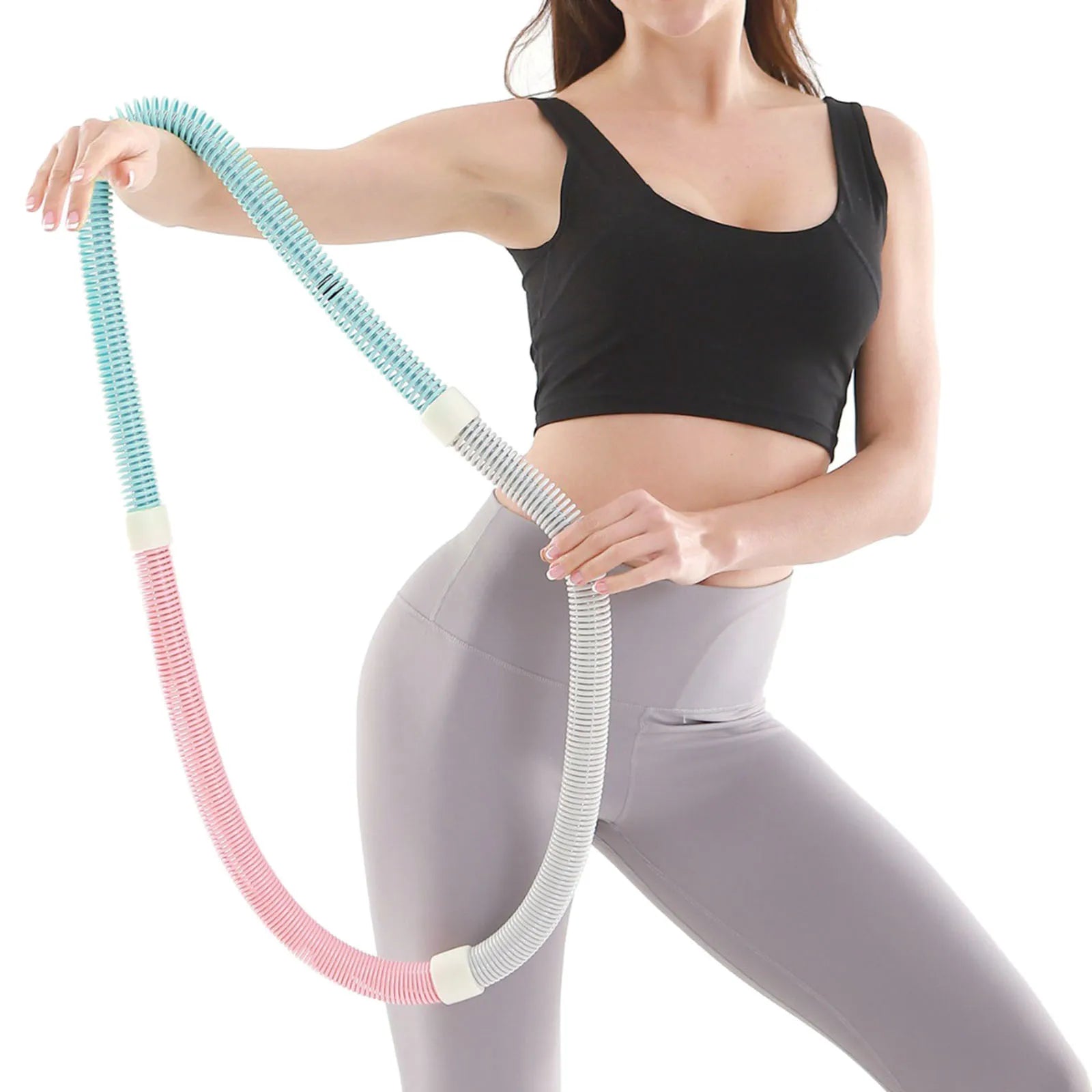
Build sustainable progress by balancing your 3 day full body workout routine with appropriate recovery.
Make your workouts more enjoyable — the KentDO Weighted Fitness Hoop can add an optional conditioning element to an active lifestyle.
Frequently Asked Questions About 3 Day Workout Routines
Is a 3 day full body workout effective?
Yes. A 3 day full body workout can improve strength, muscle development, endurance, and general fitness when it includes appropriate exercise selection, sufficient weekly training volume, progressive overload, and adequate recovery.
Is 3 days a week enough to build muscle?
Yes. Three resistance-training sessions per week can provide enough stimulus for muscle growth, particularly for beginners and people with limited training time. Results depend on the quality and progression of the program as well as nutrition and recovery.
What is the best 3 day workout split for beginners?
A full-body routine is usually the simplest option for beginners because it trains the major movement patterns multiple times per week and does not require a complicated schedule. A push-pull-legs or upper-lower-full-body split can become useful as training experience increases.
How should I structure a 3 day workout split?
Start by choosing three nonconsecutive training days. Beginners can use full-body sessions that include a squat or lunge, hinge, push, pull, and core exercise. More experienced lifters can use structures such as push-pull-legs or upper-lower-full-body depending on their goals and recovery capacity.
How long should a 3 day workout take?
Approximately 45–60 minutes is enough for many beginner workouts, including a short warm-up. Sessions can be longer when you need additional rest or exercises, but extra time does not automatically produce better results.
Can I combine a 3 day workout routine with cardio?
Yes. Low- to moderate-intensity cardio can complement resistance training. Keep harder cardio sessions away from demanding strength sessions when possible, especially if your primary goal is strength or muscle growth.
Should I train on consecutive days?
For most beginners, three nonconsecutive days are easier to recover from. If your schedule occasionally requires consecutive training days, adjust the intensity and exercise selection so the same muscles are not repeatedly subjected to demanding work without sufficient recovery.
What should I do if I miss one workout?
Do not double up unnecessarily. Move the missed session to the next practical training day, maintain reasonable recovery, and continue your normal schedule afterward. Missing an occasional workout is less important than maintaining consistent training over time.
Pillar Article: 10 Minute Exercise to Lose Belly Fat — The Hidden Routine That Works Fast
Other Related Articles:
- 7 Minute Workouts for Beginners Reviewed — Can They Really Replace the Gym?
- 3 Day Workout Plan for Beginners — Honest Review of What Works (and What Doesn’t)
- The Best 2 Week Belly Fat Loss Workout Reviews You Need to See Before Starting
- Top 5 10 Minute Workouts to Lose Belly Fat That Actually Burn Inches
Explore More:













