
7 Minute Workout for Beginners: Step-by-Step Routine, Results & Safety Guide
A 7 minute workout for beginners can be an effective way to build a consistent exercise habit when you have limited time. A well-structured 7 min workout for beginners can combine strength, cardio, balance, and core movements without requiring a gym or expensive equipment. The key is not simply exercising for seven minutes, but using those minutes efficiently, maintaining good form, and progressing gradually.
Tags: 7 minute workouts for beginners, 7 minute workout for beginners, 7 min workout for beginners, 7 minute cardio routine for beginners, do 7 minute workouts work, 7 minute workout weight loss results, beginner fitness, quick home workouts, beginner workout, at home training
Meta Description: Follow a practical 7 minute workout for beginners with 12 exercises, timing, modifications, warm-up tips, progression guidance, and realistic results.
⏱ 7 min read
Do 7 Minute Workouts for Beginners Really Work?
Yes. 7 minute workouts for beginners can improve fitness when they are performed consistently and at an appropriate intensity. A short workout is not automatically equal to a longer session, but it can be a practical starting point for improving cardiovascular fitness, muscular endurance, mobility, and exercise consistency.
The biggest advantage is accessibility: seven minutes feels manageable on busy days. Over time, those short sessions can become a foundation for longer or more frequent activity.
What Results Can Beginners Expect?
- Better cardiovascular endurance and exercise tolerance
- Improved muscular endurance in the legs, core, chest, and shoulders
- Greater mobility and confidence with basic movements
- A more consistent daily exercise habit
- Support for weight management when combined with adequate nutrition and overall physical activity
7 Minute Workout Weight Loss Results
A seven-minute workout can contribute to weight loss, but it should not be presented as a standalone solution for losing belly fat or substantial body weight. Weight change depends on overall energy intake and expenditure, daily activity, sleep, and other individual factors. A short workout is most useful when it helps you exercise consistently and increases your total weekly activity.
Consistency vs. Intensity
For beginners, consistency usually matters more than trying to make every session as intense as possible. Start at a level where you can maintain controlled technique. As the routine becomes easier, gradually increase repetitions, reduce rest, or choose a more challenging variation rather than rushing through the exercises.
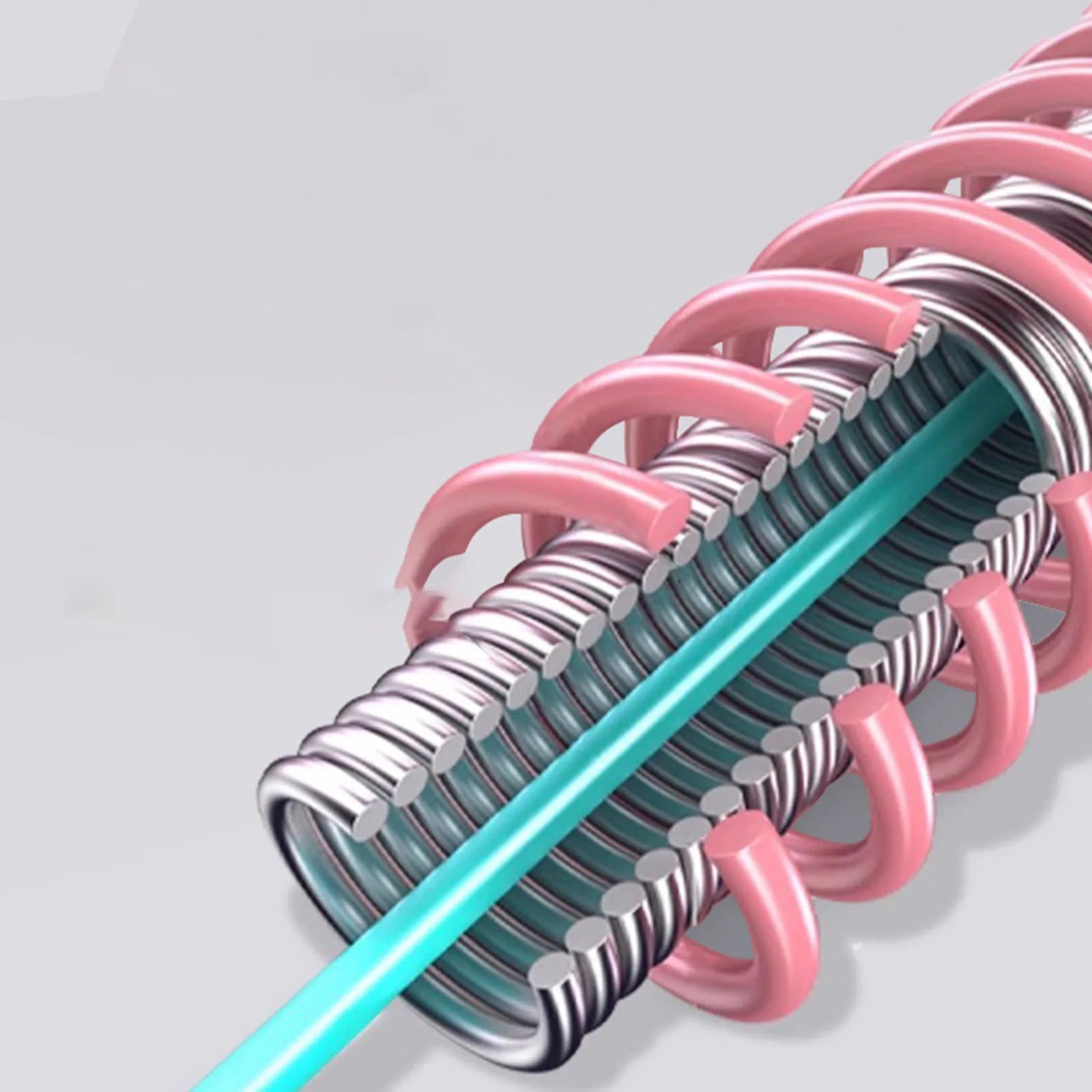
7 minute workouts for beginners — a simple way to build an exercise habit.
7 Minute Workout for Beginners (Step-by-Step Routine)
This 7 minute cardio routine for beginners uses 12 simple movements. The goal is to keep moving while leaving enough time to maintain safe, controlled form. If you are completely new to exercise, use the beginner modifications or low-impact alternatives instead of forcing the standard version.
Full 7 Minute Workout Chart (12 Exercises + Timing)
| Exercise | Time | Main Focus |
|---|---|---|
| 1. March in Place | 30 sec | Warm-up and cardio |
| 2. Bodyweight Squats | 30 sec | Legs and glutes |
| 3. Wall Push-Ups | 30 sec | Chest, shoulders, arms |
| 4. Alternating Reverse Lunges | 30 sec | Legs and balance |
| 5. Standing Knee Drives | 30 sec | Core and cardio |
| 6. Glute Bridges | 30 sec | Glutes and hips |
| 7. Step Jacks | 30 sec | Low-impact cardio |
| 8. Bird Dogs | 30 sec | Core and stability |
| 9. Sit-to-Stand | 30 sec | Leg strength |
| 10. Standing Side Steps | 30 sec | Cardio and coordination |
| 11. Incline Plank | 30 sec | Core and upper body |
| 12. Easy March and Breathing | 30 sec | Cool-down |
Total active time: 6 minutes. Use the remaining minute for brief transitions, setup, and controlled breathing so the complete session fits into approximately seven minutes.
Exercise Instructions with Proper Form
- March in Place: Stand tall, lift one foot at a time, and swing your arms naturally. Keep your torso upright and land softly.
- Bodyweight Squats: Place your feet about hip-width apart. Push your hips back, bend your knees, and lower only as far as you can while keeping your heels grounded. Stand by pressing through your feet.
- Wall Push-Ups: Place your hands on a stable wall around chest height. Keep your body in a straight line as you bend your elbows and bring your chest toward the wall. Push back without locking your elbows.
- Alternating Reverse Lunges: Step one foot backward and lower under control. Keep the front foot stable and your torso upright. Return to standing and switch sides.
- Standing Knee Drives: Brace your abdomen gently and lift one knee toward your midsection. Alternate sides without leaning excessively backward.
- Glute Bridges: Lie on your back with knees bent and feet flat. Tighten your glutes and lift your hips until your body forms a comfortable line from shoulders toward knees. Lower slowly.
- Step Jacks: Step one foot out while raising your arms, return to center, and alternate sides. Keep the movement smooth rather than jumping.
- Bird Dogs: Start on your hands and knees. Extend one arm and the opposite leg while keeping your hips level. Return slowly and switch sides.
- Sit-to-Stand: Use a sturdy chair behind you. Lower your hips toward the seat with control, lightly touch or approach the chair, then stand tall again.
- Standing Side Steps: Step laterally from side to side while keeping your knees slightly bent. Add gentle arm movements as coordination improves.
- Incline Plank: Place your hands on a sturdy elevated surface. Walk your feet back and keep your body aligned from shoulders to heels. Brace your core without holding your breath.
- Easy March and Breathing: Slow your pace and take comfortable breaths. Gradually return your breathing and heart rate toward normal rather than stopping abruptly.
Beginner Modifications for Each Exercise
- March in Place: Reduce the knee height and slow the pace.
- Squats: Use a sturdy chair for support or reduce the depth.
- Wall Push-Ups: Stand closer to the wall to reduce the challenge.
- Reverse Lunges: Hold a stable support and use a smaller step.
- Knee Drives: Lift the knees only a few inches and focus on balance.
- Glute Bridges: Lift the hips through a smaller range of motion.
- Step Jacks: Keep one foot on the floor at all times instead of jumping.
- Bird Dogs: Move only the arm or only the leg until coordination improves.
- Sit-to-Stand: Choose a higher, stable chair and use your hands for assistance if necessary.
- Side Steps: Take smaller steps and slow the pace.
- Incline Plank: Use a higher, stable surface to reduce the load.
- Cool-Down March: Gradually decrease your pace until breathing feels comfortable.
Low-Impact Alternatives
If jumping or fast movements cause discomfort, you do not need to abandon the workout. Replace jumping with stepping, high-impact lunges with supported reverse steps, and floor-based movements with standing variations when appropriate. The goal of a beginner routine is controlled movement, not maximum intensity.
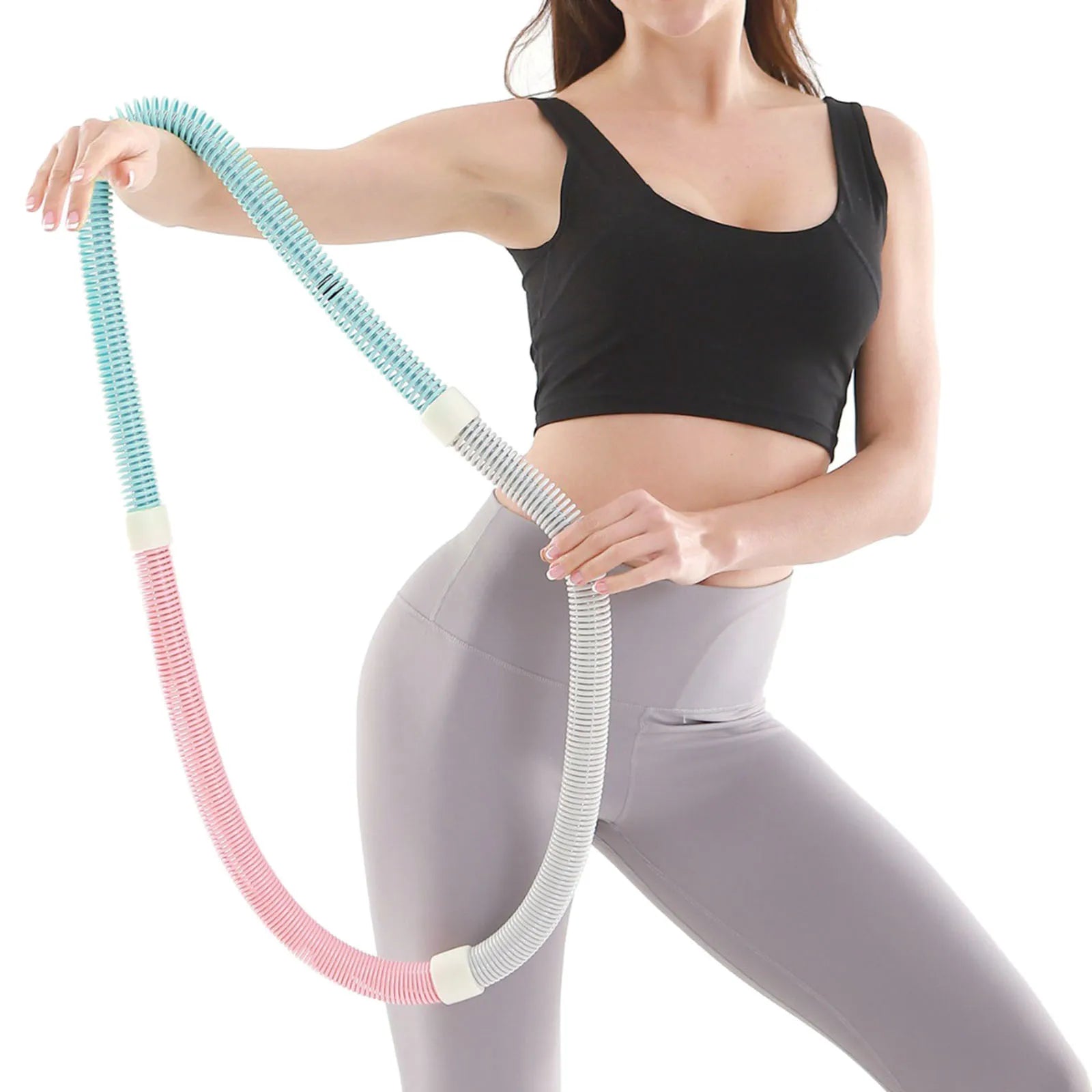
Pair with a KentDO Weighted Fitness Hoop for an optional addition to your home fitness routine.
What Makes 7 Minute Workouts Effective?
The effectiveness of a short workout comes from how you use the available time. Combining movements that train multiple muscle groups with moderate cardiovascular effort can provide a useful training stimulus without requiring a long session.
How HIIT Works in 7 Minutes
High-intensity interval training, or HIIT, alternates periods of harder effort with recovery. However, beginners do not need to perform every movement at maximum intensity. A practical 7 minute workout beginners can follow should prioritize technique first, then gradually increase effort as fitness improves.
Scientific Basis of Short Workouts
Short exercise sessions can still contribute to fitness, particularly when repeated consistently. The important distinction is that a seven-minute session should not automatically be described as equivalent to a much longer workout. Its value is that it lowers the time barrier to exercise and can contribute to overall weekly activity.
Key Benefits for Beginners
- Efficiency: A short session is easier to fit into a busy schedule.
- Accessibility: Many beginner movements require little or no equipment.
- Consistency: A manageable routine can make regular exercise easier to maintain.
- Full-body movement: Combining lower-body, upper-body, core, and cardiovascular movements creates a balanced short session.
- Progression: Exercises can be modified as strength, coordination, and endurance improve.
Warm-Up Before Your 7 Minute Workout
A short warm-up helps prepare your muscles and joints for movement and gives you an opportunity to identify stiffness or discomfort before the main routine. You can keep it brief rather than turning the warm-up into another workout.
Quick 2–3 Minute Warm-Up Routine
- 30 seconds: Easy marching in place.
- 30 seconds: Gentle shoulder rolls and arm circles.
- 30 seconds: Slow bodyweight squats or sit-to-stands.
- 30 seconds: Alternating side steps.
- 30–60 seconds: Gradually increase your marching pace while breathing comfortably.
Why Warming Up Matters
Warming up gradually increases movement and helps you transition from rest to exercise. It can also improve readiness for exercises that require balance, coordination, or larger ranges of motion.
Beginner-Friendly Movements
Choose movements that feel controlled and pain-free. If a warm-up exposes significant pain, dizziness, unusual shortness of breath, or another concerning symptom, stop rather than trying to push through it.
How to Start Your 7 Minute Routine
Getting started with a 7 min workout for beginners is straightforward, but the best starting point is the version you can perform safely and consistently.
How Often Should Beginners Do It?
Begin with a schedule that allows recovery. For example, you might perform the routine three days per week and add additional days as your body adapts. If the session feels easy and recovery is good, you can gradually increase frequency or add another form of physical activity.
Beginner Weekly Workout Plan
| Day | Plan |
|---|---|
| Monday | 7 minute workout |
| Tuesday | Easy walking or active recovery |
| Wednesday | 7 minute workout |
| Thursday | Rest or gentle mobility |
| Friday | 7 minute workout |
| Saturday | Optional easy activity |
| Sunday | Rest and recovery |
How to Progress Over Time
Once you can complete the routine comfortably with good technique, progress one variable at a time. You can increase repetitions, use a slightly more challenging exercise variation, reduce unnecessary transition time, or add another short session on selected days. Avoid increasing everything at once.
If your goal is general fitness, combine your short workouts with regular walking or other enjoyable physical activities. A seven-minute workout works best as part of an active lifestyle rather than as your only movement.
Common Beginner Mistakes to Avoid
Poor Form and Rushing Exercises
Trying to complete as many repetitions as possible can cause technique to deteriorate. Slow down when necessary, use the beginner modification, and prioritize controlled movement over speed.
Skipping Warm-Up or Cool-Down
A warm-up prepares you for the session, while a gradual cool-down helps you transition back to normal activity. Both can be brief and practical.
Overestimating Intensity
A beginner does not need to reach maximum effort during every seven-minute session. If you cannot maintain proper form or recover comfortably between movements, reduce the intensity.
Inconsistent Routine
Doing one extremely difficult workout and then stopping for several days is usually less useful than following a manageable routine consistently. Choose a schedule you can realistically maintain.
Cool-Down and Recovery After 7 Minutes
Recovery is part of the workout process. After the final exercise, gradually reduce your pace and use gentle movements rather than immediately stopping after intense effort.
Simple Stretching Routine
- Calf stretch: Hold a comfortable standing stretch on each side.
- Quadriceps stretch: Hold onto a stable surface and gently bend one knee if comfortable.
- Chest and shoulder stretch: Open the chest without forcing the shoulders backward.
- Hip stretch: Use a comfortable seated or standing position and avoid bouncing.
Why Recovery Matters
Recovery gives your body time to adapt to exercise and can make it easier to continue training. Adequate sleep, hydration, nutrition, rest days, and gradual progression all contribute to sustainable fitness.
When to Rest vs. Continue
Mild muscle fatigue can be normal after exercise, but sharp pain is not something to push through. Rest if you feel unusually fatigued, have persistent soreness that affects movement, or cannot maintain safe form. Seek appropriate medical advice for severe, persistent, or unexplained symptoms.
Frequently Asked Questions
Can I lose weight with just 7 minute workouts?
A seven-minute workout can contribute to weight management, but it is unlikely to be sufficient by itself for meaningful weight loss for most people. Results depend on your overall activity, food intake, sleep, and other factors. Think of a 7 minute workout weight loss approach as one manageable part of a broader routine.
Do I need equipment for 7 minute workouts?
No. The routine above uses bodyweight movements and everyday space. Optional equipment can be added later if it helps you stay motivated or progress your training. A KentDO Weighted Fitness Hoop is one optional tool, but it is not required to complete the workout.
Is it safe for complete beginners?
Many healthy beginners can start with a short, low-impact routine, especially when exercises are modified to match their current ability. Start gradually and focus on technique. If you have a medical condition, recent injury, or concerns about starting exercise, consider getting individualized guidance from a qualified healthcare professional.
How often should I do it?
There is no single schedule that works for everyone. Three sessions per week can be a practical starting point, followed by gradual progression as recovery improves. You can also combine short workouts with walking and other forms of physical activity.
Can I do multiple 7 minute workouts a day?
Yes, some people can split exercise into multiple short sessions, provided the total workload is appropriate for their fitness level and recovery. Beginners should first become comfortable with one session before adding another.
What is the best time to do it?
The best time is the time you can consistently maintain. Morning, lunch break, or evening sessions can all work. Choosing a predictable time or linking the workout to an existing daily habit can make consistency easier.
Can beginners do a 7 minute workout every day?
Some beginners may tolerate daily light activity, but a challenging workout does not need to be performed every day. Pay attention to recovery and alternate harder sessions with easier activity when needed.
How long does it take to see results from a 7 minute workout?
There is no fixed timeline because results depend on your starting fitness, workout intensity, nutrition, sleep, and consistency. You may notice improvements in exercise tolerance and movement before visible body-composition changes occur.
What exercises are included in a 7 minute workout?
A beginner-friendly routine can include squats, wall push-ups, reverse lunges, knee drives, glute bridges, step jacks, bird dogs, sit-to-stands, side steps, and incline planks, along with easy movements for warming up and cooling down.
Can I repeat the 7 minute workout multiple times?
You can repeat a short workout if your fitness level and recovery allow it, but more is not automatically better. Master the first round with good form before adding another, and reduce intensity or stop if technique deteriorates.
✨ Ready to build a simpler routine? Explore Body Care and Health Devices for additional options to support your active lifestyle.
Pillar Article: 10 Minute Exercise to Lose Belly Fat — The Hidden Routine That Works Fast
Other Related Articles:
- 3 Day Workout Plan for Beginners — Honest Review of What Works (and What Doesn’t)
- The Best 2 Week Belly Fat Loss Workout Reviews You Need to See Before Starting
- 3 Day Full Body Workout Routine Review — Which Split Delivers Real Results?
- Top 5 10 Minute Workouts to Lose Belly Fat That Actually Burn Inches
Explore More:













