

Does a 30 minute home workout for beginners really work?
Yes. A 30 minute home workout for beginners is long enough to improve cardiovascular fitness, build strength, and support fat loss when performed consistently. Rather than chasing intense workouts, beginners see the best results by focusing on proper form, progressive improvement, and exercising several days each week. A balanced routine that combines bodyweight strength, light cardio, and mobility is realistic, sustainable, and effective for long-term health.
30 Minute Home Workout for Beginners: A Simple Plan to Build Strength and Consistency
Starting a fitness routine doesn't require an expensive gym membership or complicated equipment. A 30 minute home workout for beginners provides enough time to train your entire body, increase daily activity, and establish healthy habits without overwhelming your schedule. Whether your goal is improving fitness, burning calories, or gaining confidence with a home workout for beginners , this guide walks you through practical, beginner-friendly strategies that are easy to follow and simple to maintain.
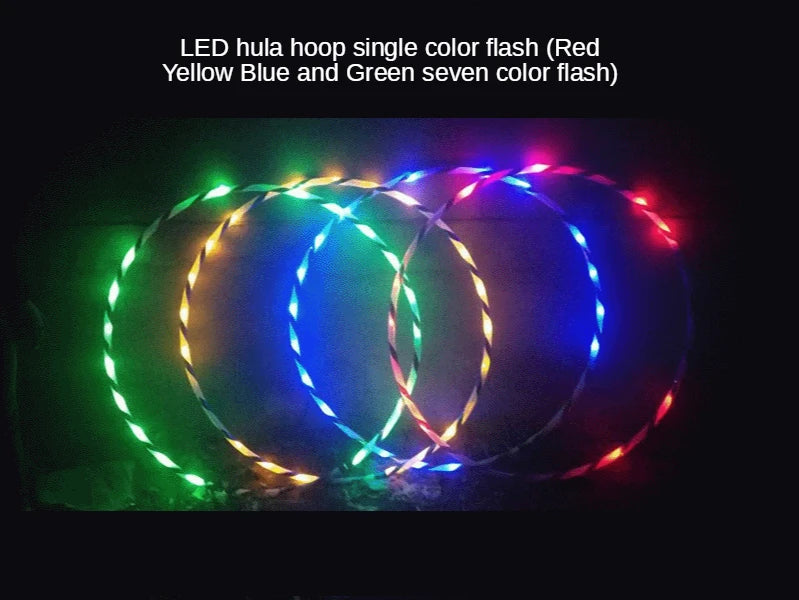
A simple 30 minute home workout for beginners can help build healthy exercise habits.
Why a 30 Minute Beginner Home Workout Is Effective
Many beginners believe they need long workouts to make progress, but consistency matters far more than workout length. A well-designed beginner home workout combines full-body movements, moderate cardio, and recovery to improve endurance, coordination, and muscular strength while keeping sessions manageable. Completing 30 minutes several times each week is often easier to maintain than occasional hour-long workouts.
How Strength and Cardio Work Together
Bodyweight strength exercises such as squats, modified push-ups, and glute bridges activate major muscle groups, while short cardio intervals elevate your heart rate and increase calorie expenditure. Combining both training styles in one session creates a balanced full body home workout that develops strength, supports heart health, and improves overall fitness without requiring specialized equipment.
Why Recovery Matters for Beginners
Muscles become stronger during recovery, not just during exercise. Scheduling rest days, getting adequate sleep, and performing light mobility work help reduce soreness and improve performance in future workouts. This balanced approach makes easy fitness for adults more sustainable and lowers the risk of overuse injuries.
Common Challenges Beginners Face
- ❌ Finding time for regular workouts.
- ❌ Feeling intimidated by complicated exercise programs.
- ❌ Trying to do too much too soon.
- ❌ Losing consistency after the first week.
A structured 30 minute routine addresses these obstacles by providing clear daily goals, realistic progression, and workouts that fit comfortably into busy schedules.
I'll rewrite only Part 2 as requested.Top Benefits of a 30 Minute Home Workout
- ✅ Improves cardiovascular fitness while supporting sustainable fat loss through regular activity.
- ✅ Builds total-body strength using simple bodyweight exercises that are appropriate for beginners.
- ✅ Fits easily into busy schedules, making it easier to stay consistent week after week.
- ✅ Requires little or no equipment, making it an accessible home workout for beginners.
- ✅ Increases mobility, balance, and coordination while promoting better everyday movement.
- ✅ Encourages long-term exercise habits through manageable, repeatable routines instead of extreme workouts.
30 Minute Home Workout for Beginners: Step-by-Step Routine
A structured weekly schedule helps beginners train consistently while allowing enough recovery between challenging sessions. Aim to exercise at a pace that allows you to maintain good technique throughout each movement.
- Monday: Full-body strength workout using bodyweight movements such as squats, modified push-ups, glute bridges, and bird dogs.
- Tuesday: Low-impact cardio for 30 minutes, including brisk walking in place, marching, or step-ups, followed by gentle stretching.
- Wednesday: Full-body strength workout with one additional set or a few extra repetitions per exercise.
- Thursday: Mobility and flexibility session featuring light stretching, core activation, and balance exercises.
- Friday: Full-body circuit combining strength exercises with short cardio intervals to elevate your heart rate.
- Saturday: Light activity such as walking, easy cycling, or recreational movement to encourage active recovery.
- Sunday: Complete rest or a gentle mobility routine to prepare for the following week's workouts.
Tips for Daily Success
- Exercise at approximately the same time each day to establish a consistent routine.
- Prioritize proper form before increasing repetitions or workout intensity.
- Record completed workouts and note improvements in strength, endurance, or energy levels.
- If a full 30-minute session feels challenging, divide it into two 15-minute workouts and gradually build up.
No Equipment? No Problem
A successful home workout for beginners doesn't require a gym or expensive equipment. Bodyweight exercises provide enough resistance to improve strength, balance, and endurance, making them an excellent choice for anyone starting a fitness routine. If you have a few basic accessories available, they can add variety without making workouts more complicated.
- No equipment: Squats, modified push-ups, glute bridges, bird dogs, marching in place, and planks.
- Resistance bands: Add light resistance for rows, presses, and lower-body exercises.
- Yoga mat: Provides comfort and stability during floor exercises and stretching.
- LED fitness hoop : An optional way to make cardio sessions more engaging while encouraging consistent movement.
Household items can also work well. A sturdy chair can assist with balance during squats or step-ups, while filled water bottles can substitute for light dumbbells when you're ready for additional resistance. The goal is to choose movements you can perform safely and consistently.
Recovery, Nutrition, and Staying Motivated
Exercise results depend on more than your workouts alone. Recovery, balanced nutrition, and realistic goal setting help your body adapt while making it easier to maintain a long-term routine.
- Stay hydrated before, during, and after your workout.
- Include protein and nutrient-rich carbohydrates in meals to support muscle recovery.
- Aim for 7–9 hours of quality sleep each night.
- Track workouts, repetitions, or walking time instead of relying only on the scale.
- Increase workout difficulty gradually as exercises become easier.
- Schedule planned rest days to reduce fatigue and lower injury risk.

Consistent training, proper recovery, and enjoyable workouts help beginners stay active over the long term.
Comparison of Beginner-Friendly Workouts
The best workout is the one you can perform consistently. Each training style offers different benefits depending on your goals, fitness level, and available time.
| Workout Type | Typical Duration | Primary Benefit | Intensity | Beginner Friendly? |
|---|---|---|---|---|
| Bodyweight HIIT | 15–20 min | Higher calorie burn and cardiovascular fitness | High | ✅ |
| LED Fitness Hoop | 10–20 min | Low-impact cardio and core engagement | Moderate | ✅ |
| Yoga & Mobility | 20–30 min | Flexibility, balance, and recovery | Low | ✅ |
| Full-Body Strength Circuit | 20–30 min | Strength, muscular endurance, and functional fitness | Moderate | ✅ |
Recommended Home Fitness Equipment
Most beginners can achieve excellent results using bodyweight exercises alone. However, a few simple tools can increase workout variety and make it easier to stay consistent over time.
- Resistance bands: Add adjustable resistance for upper- and lower-body exercises without taking up much space.
- Yoga mat: Improves comfort and stability during floor exercises, stretching, and mobility sessions.
- KentDO LED Fitness Hoop : A beginner-friendly option for adding enjoyable, low-impact cardio and extra core engagement to your weekly routine.
These tools are optional rather than essential. The most effective fitness plan is one you can follow consistently with proper technique and gradual progression.
Realistic Results After 30 Days
A consistent beginner workout routine can produce meaningful improvements within 30 days. While results vary based on starting fitness level, nutrition, sleep, and workout consistency, many beginners notice increased energy, improved endurance, better movement quality, and greater confidence completing everyday activities. Visible body composition changes generally require continued training beyond the first month.
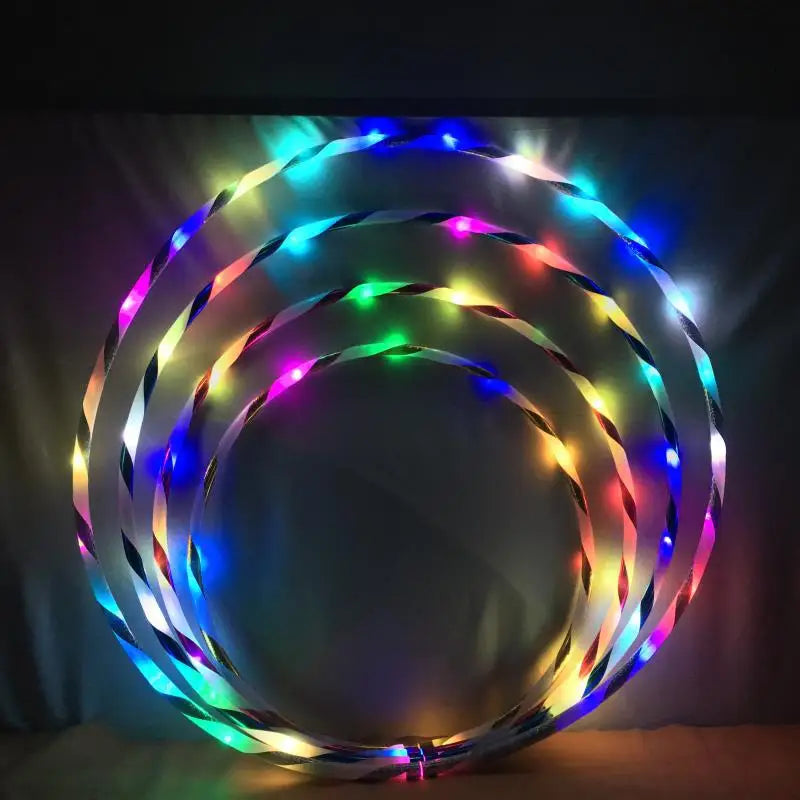
Consistent home workouts can help beginners build strength, endurance, and healthier long-term habits.
Frequently Asked Questions
What is the best 30 minute home workout for beginners?
The most effective routine combines a short warm-up, full-body bodyweight strength exercises, low-impact cardio, and a cool-down stretch. This balanced approach improves fitness while remaining manageable for beginners.
Can beginners lose weight with a 30 minute home workout?
Yes. A 30-minute workout can support weight loss when paired with a balanced diet and regular physical activity. Consistency over weeks and months is more important than workout intensity alone.
How often should beginners do a home workout?
Most beginners benefit from exercising three to five days per week, allowing at least one or two recovery days to promote adaptation and reduce excessive soreness.
Can I build muscle with bodyweight workouts?
Yes. Bodyweight exercises help beginners build strength and lean muscle, especially during the early stages of training. Progressively increasing repetitions, sets, or exercise difficulty helps maintain improvement.
What if I cannot complete the full routine?
Start with a shorter session, reduce repetitions, or take additional rest between exercises. Gradually increase your workload as your endurance improves.
Should I warm up before every workout?
Absolutely. A 5-minute warm-up prepares your muscles and joints for exercise, improves movement quality, and may help reduce injury risk.
Is a no equipment home workout effective?
Yes. Squats, modified push-ups, lunges, glute bridges, planks, and other bodyweight exercises provide an effective full-body workout without requiring gym equipment.
When should I make the workout harder?
Once you can complete every exercise with proper technique and minimal fatigue, gradually increase repetitions, add another set, shorten rest periods, or progress to more challenging exercise variations.
Related Articles:
- Burn Calories at Home: Top 5 Portable Tools That Make You Sweat More
- Easy Fitness for Adults: The Best Fun Workouts to Burn Fat at Home
- Beginner Hula Hoop Workout vs. Jump Rope: Which Burns More Calories Faster?
- 30 Minute Home Workout for Beginners: Burn Fat Without Leaving Your Living Room
- 7 Day Home Workout Plan That Actually Delivers Visible Results
Pillar Articles:
- LED Weighted Hoop Workout: Real Reviews, Real Results You’ll Love
- Waist Slimming Exercises That Actually Work: What Trainers Don’t Tell You
- LED Hoop Exercise Routine That Doubles as a Mood Booster
- Fun Indoor Cardio Workout: Burn Fat While Having Fun Tonight
- Fitness Hoop Workout Guide: Master the Moves to Tone Your Core













