

Weighted Hula Hoop Workout: Beginner Routine, Benefits & 20-Min Plan for Weight Loss
Looking for a workout that feels less like a chore and more like a fun daily habit? A weighted hula hoop workout combines low-impact cardio, core engagement, and coordination into one enjoyable routine that fits easily into home workouts. Whether you're a complete beginner, returning to exercise, or searching for a fresh way to stay active, using a weighted hoop—especially an LED model—can help make consistent movement easier and more enjoyable.
Unlike traditional cardio that may require expensive equipment or long gym sessions, hoop workouts can be performed in a small indoor space while improving balance, elevating your heart rate, and strengthening multiple muscle groups at once. When paired with healthy nutrition and regular physical activity, a weighted hula hoop workout can become an effective part of a sustainable weight-loss and fitness plan.
What Is a Weighted Hula Hoop Workout & How It Works
A weighted hula hoop workout is a low-impact cardiovascular exercise that uses a hoop with added weight to increase resistance while spinning around your waist. Compared with a standard plastic hoop, the extra weight requires greater control from your core, hips, and lower body, making each session more physically demanding without placing excessive stress on your joints.
This combination of rhythmic movement and continuous muscle engagement makes hooping suitable for beginners who want an accessible home workout while still improving cardiovascular fitness, muscular endurance, and coordination.
How Weighted Hoops Create Resistance
The additional weight increases the momentum of the hoop, requiring your body to produce controlled forward-and-back hip movements to keep it rotating. Rather than relying on fast circular motions, proper technique uses gentle weight shifts and core stabilization to maintain a smooth rhythm.
This constant resistance means your abdominal muscles remain active throughout the workout while your hips, glutes, and lower back work together to keep the hoop moving efficiently.
Muscles Worked & Calorie Burn
A weighted hula hoop workout primarily targets the rectus abdominis, transverse abdominis, obliques, hip flexors, glutes, and lower back muscles. Your legs also contribute by maintaining balance and posture, while your shoulders and arms become more involved if you incorporate upper-body movements.
Calorie expenditure varies depending on workout duration, body size, fitness level, and intensity. Most people can expect calorie burn comparable to other forms of moderate-intensity cardio, making hoop workouts a practical option for increasing daily energy expenditure when combined with balanced nutrition.
Smart vs Traditional vs LED Hoops
- Traditional weighted hoops: A simple choice for learning proper technique and developing rhythm.
- Smart hoops: Often include adjustable sections, counters, or guided tracking features that help monitor workout progress.
- LED hoops: Combine the benefits of a weighted workout with illuminated visual effects that make exercise more engaging, helping many users stay consistent with their fitness routine.
Who This Workout Is For
Beginners Starting at Home
This beginner-friendly workout is ideal for people who want an easy way to become more active without needing a gym membership or complicated equipment. Short sessions of 10 to 20 minutes allow you to build coordination and confidence before progressing to longer workouts.
People Targeting Belly Fat & Waist Shaping
Although no exercise can specifically burn fat from one area of the body, a weighted hula hoop workout supports overall calorie expenditure while strengthening the core muscles. Combined with a calorie-controlled diet and full-body exercise routine, it can contribute to gradual reductions in body fat and improvements in waist definition.
Who Should Avoid or Modify
- People recovering from recent back, hip, abdominal, or spinal injuries should consult a healthcare professional before starting.
- Individuals experiencing significant pain while hooping should stop and reassess their technique or equipment.
- Complete beginners who struggle with balance may benefit from practicing basic movement patterns before using a weighted hoop.
- Those focused exclusively on maximal strength or power training should view hoop workouts as a supplemental cardio activity rather than a replacement for resistance training.
How to Use a Weighted Hula Hoop (Step-by-Step Guide)
Choose the Right Hoop
Learning how to use a weighted hula hoop starts with choosing equipment that matches your experience level. Beginners typically benefit from a moderately weighted hoop that reaches roughly waist to lower chest height when placed upright on the floor. A hoop that is too light may be difficult to keep spinning, while an excessively heavy hoop can cause unnecessary discomfort during longer sessions.
If you plan to exercise regularly at home, an adjustable LED hoop offers flexibility while adding visual motivation to each workout.
Proper Stance & Posture
Stand with one foot slightly ahead of the other or keep your feet about shoulder-width apart if that feels more stable. Relax your shoulders, keep your chest lifted, engage your core, and maintain a neutral spine throughout the movement.
Good posture improves balance, reduces unnecessary strain on your lower back, and helps you maintain the hoop's momentum with less effort.
Basic Movement Technique
- Position the hoop around your waist so it rests comfortably against your lower back.
- Give the hoop a firm push in one direction to generate momentum.
- Drive the movement by gently shifting your hips forward and backward rather than making large circular motions.
- Keep your core engaged while maintaining a smooth, consistent rhythm.
- Once comfortable, practice spinning in both directions to develop balanced coordination.
Common Beginner Mistakes
- Moving the hips in large circles instead of controlled forward-and-back motions.
- Choosing a hoop that is too light or poorly sized for beginners.
- Holding your breath instead of breathing naturally throughout the workout.
- Looking down at the hoop instead of maintaining an upright posture.
- Stopping after a missed spin instead of restarting and gradually building rhythm.
How to Set Up Your Indoor Hula Hoop Routine
Space, Timing & Frequency
- Clear approximately 2–2.5 meters (6.5–8 feet) of open space around you.
- Wear fitted workout clothing to prevent the hoop from catching on loose fabric.
- Begin with 10–20 minute sessions and gradually increase duration as your endurance improves.
- Exercise on a flat, non-slip surface with enough ceiling clearance.
Music, Tracking & Motivation Setup
- Create an upbeat playlist that matches your preferred workout pace.
- Track workout duration, completed intervals, or total sessions each week.
- Use different LED lighting modes to make indoor workouts more engaging.
- Schedule sessions at a consistent time to build a sustainable exercise habit.
Get your hoop here: /products/kentdo-led-fitness-hoop-ring
LED hoop exercise routine in action — glow up your home workout
20-Minute Beginner Weighted Hula Hoop Workout
Warm-Up (3–5 Minutes)
Prepare your joints and muscles before increasing your heart rate. A proper warm-up also makes it easier to maintain good technique during the workout.
- 30–60 seconds of torso twists.
- Gentle hip circles in both directions.
- March in place while engaging your core.
- 1–2 minutes of light hoop spinning to establish rhythm.
Main Workout (10–15 Minutes)
Maintain a pace that allows you to breathe comfortably while keeping the hoop moving continuously.
- Hoop for 1 minute, then rest for 30 seconds.
- Complete 5–8 rounds depending on your fitness level.
- Switch spinning directions every 2–3 rounds to train both sides evenly.
- Add light arm movements or overhead reaches if you want a moderate increase in intensity.
- Slow the pace instead of stopping completely if you begin to fatigue.
Cool-Down & Recovery
- Reduce your hooping speed for 1–2 minutes before stopping.
- Stretch your core, hip flexors, lower back, and hamstrings.
- Take slow, deep breaths to gradually lower your heart rate.
- Drink water and allow your muscles to recover before your next session.
Weekly Weighted Hula Hoop Workout Plan
3-Day Beginner Plan
A beginner-friendly schedule focuses on building coordination, endurance, and consistency without overwhelming your body. Allow recovery between sessions so your muscles can adapt while you improve your technique.
- Day 1: 10–15 minutes of steady hooping practice with a focus on form and rhythm.
- Day 2: Light activity such as walking, stretching, or mobility exercises.
- Day 3: 15–20 minutes of weighted hula hoop training with short rest intervals.
- Remaining days: Rest or include other low-impact activities based on your fitness goals.
5-Day Fat-Loss Plan
For those comfortable with regular workouts, a higher-frequency plan can help increase weekly activity levels while keeping sessions manageable.
- 3 days: Complete 20–30 minute weighted hula hoop workouts at a moderate intensity.
- 2 days: Perform 10-minute light sessions focused on movement quality and recovery.
- 1–2 days: Include rest days, mobility work, or gentle stretching to support recovery.
Recovery Days
Rest days are an important part of any weighted hula hoop workout routine. Recovery allows muscles involved in core stabilization, hips, and lower body movement to rebuild and adapt.
- Use stretching or mobility exercises to maintain flexibility.
- Avoid increasing workout duration too quickly if you experience soreness.
- Combine hoop workouts with balanced strength training and other forms of cardio for complete fitness.
Benefits of Hula Hoop Exercise
Cardio & Calorie Burn
One of the key benefits of hula hoop exercise is its ability to provide moderate cardiovascular activity while keeping workouts enjoyable. Continuous hooping increases your heart rate and encourages consistent movement, which can support overall calorie expenditure.
Like other forms of moderate cardio, results depend on workout duration, intensity, body composition, and lifestyle factors. A weighted hula hoop can be a practical option for adding more movement to your day, especially for people looking for fun cardio workouts at home .
Core Strength & Balance
Keeping a weighted hoop moving requires repeated activation of your abdominal muscles, obliques, hips, and lower back. Over time, regular practice can help improve core endurance, balance, and body awareness.
Because hooping involves continuous stabilization and controlled movement, it also supports functional fitness skills used in everyday activities, such as maintaining posture and coordinating movement efficiently.
Mobility, Coordination & Mental Well-Being
Weighted hula hoop workouts encourage rhythm, timing, and coordination while promoting gentle movement through the hips and torso. Practicing different directions and movements can improve body control and overall mobility.
Enjoyable workouts may also be easier to maintain over time. Choosing an activity you look forward to can improve consistency, reduce workout burnout, and make staying active feel more achievable.
Common Mistakes That Slow Your Progress
Incorrect Posture
Poor alignment can make hooping less effective and may create unnecessary discomfort. Keep your spine neutral, shoulders relaxed, and core engaged instead of leaning backward or relying only on large hip movements.
Overtraining or Inconsistency
Increasing workout time too quickly can lead to fatigue and make it harder to maintain proper technique. On the other hand, exercising only occasionally may slow progress. A consistent routine with gradual increases in duration and intensity is usually more sustainable.
Relying Only on Hoop Workouts
A weighted hula hoop workout is a valuable cardio and core activity, but a complete fitness plan should include other forms of movement. Combining hooping with strength exercises, mobility training, and balanced nutrition can support better overall results.
Choosing the Best Hoop for Your Workout
Weighted vs Smart vs LED
Choosing the right hoop depends on your fitness goals, experience level, and preferred workout style. A traditional weighted hoop is a simple option for beginners who want to focus on learning rhythm and improving coordination. A smart hula hoop workout setup may appeal to users who enjoy tracking progress through features such as counters or guided feedback.
For many home users, an LED hula hoop exercise option provides a balance of function and engagement. LED designs can make indoor workouts more enjoyable by adding visual feedback and creating a more motivating environment, especially for people who find repetitive cardio difficult to maintain.
Size, Weight & Adjustability
The best weighted hula hoop should feel comfortable to control while providing enough resistance to challenge your muscles. Consider these factors before choosing a hoop:
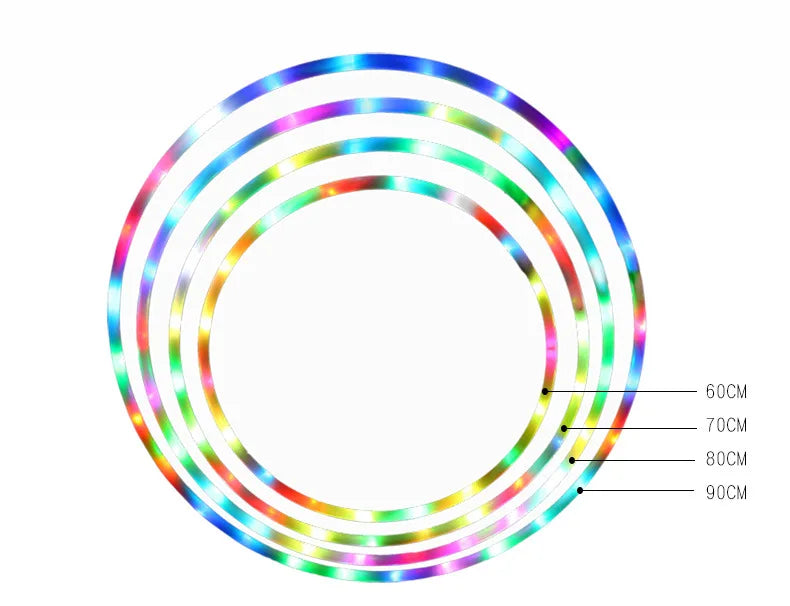
- Size: A properly sized hoop should generally reach from the floor toward your waist or lower chest when standing upright, giving beginners enough space to learn the movement.
- Weight: Beginners should choose a manageable weight that allows smooth movement without causing excessive strain. Heavier hoops are not always better if they reduce comfort or affect technique.
- Adjustability: Adjustable sections make storage easier and allow users to customize the fit based on body size, experience, and workout preferences.
- Durability and comfort: Look for secure connections, smooth edges, and materials designed to withstand regular home workouts.
Recommended option: /products/kentdo-led-fitness-hoop-ring
FAQs About Weighted Hula Hoop Workouts
Can a weighted hula hoop help lose belly fat?
A weighted hula hoop workout can support overall fat loss by increasing daily calorie expenditure and improving activity consistency. However, it cannot target fat loss from only one area of the body. Reducing waist size typically requires a combination of regular exercise, balanced nutrition, and healthy lifestyle habits.
How long should I use a weighted hula hoop daily?
Beginners can start with 10–15 minutes per session and gradually build toward 20–30 minutes as coordination and endurance improve. The ideal duration depends on your fitness level, comfort, and overall workout schedule.
Is it safe for beginners?
Yes, a weighted hula hoop workout can be beginner-friendly when you use the correct size hoop, maintain proper posture, and increase intensity gradually. Start with shorter sessions and focus on technique before attempting longer workouts.
Can beginners use a weighted hula hoop every day?
Beginners may practice frequently, but daily workouts should match their fitness level and recovery needs. If your muscles feel overly fatigued or uncomfortable, add rest days or switch to lighter activities such as walking, stretching, or mobility exercises.
How heavy should a weighted hula hoop be?
The best hoop weight depends on your experience, body comfort, and ability to maintain proper form. A moderately weighted hoop is usually a better starting point than choosing the heaviest option, as control and consistency matter more than resistance alone.
How many calories does a weighted hula hoop workout burn?
Calorie burn varies based on factors such as body weight, workout intensity, session length, and movement style. A longer, continuous session with more active movements generally burns more energy than a short, low-intensity practice session.
Is a smart hula hoop better than a traditional weighted hoop?
A smart hula hoop workout can be useful for people who enjoy tracking progress, while a traditional weighted hoop may be enough for users who prefer a simple and equipment-focused routine. The best choice depends on whether you value tracking features, convenience, engagement, or simplicity.
How long does it take to learn a weighted hula hoop workout?
Many beginners can learn the basic movement pattern within several practice sessions. Improving rhythm, control, and endurance usually takes longer and comes from consistent practice rather than trying to master the movement immediately.
What muscles does a weighted hula hoop work?
A weighted hula hoop primarily engages the core muscles, including the abdominals and obliques, while also involving the hips, glutes, lower back, and legs for balance and stabilization.
When should you avoid using a weighted hula hoop?
Consider modifying or avoiding hoop workouts if you experience pain during movement or have an injury affecting your back, hips, abdomen, or spine. If you have concerns about whether this type of exercise is appropriate for your condition, consult a qualified healthcare professional before starting.
Related Articles:
- LED Light Up Exercise Hoop: The Fitness Gadget Taking Over Home Workouts
- LED Hoop Weight Loss Tips You Need Before Your Next Workout
Pillar Articles:
- LED Weighted Hoop Workout: Real Reviews, Real Results You’ll Love
- Waist Slimming Exercises That Actually Work: What Trainers Don’t Tell You
- Fun Indoor Cardio Workout: Burn Fat While Having Fun Tonight
- Fitness Hoop Workout Guide: Master the Moves to Tone Your Core
- 30 Day Workout Challenge for Beginners at Home: The Surprising Way to Build Consistency Fast













