

⏱ 5 min read
What is the best 5 minute neck and shoulder stretch for instant relief?
The best 5 minute neck and shoulder stretch routine combines slow, controlled movements that gently loosen tight muscles, improve neck mobility, and reduce posture-related tension. A sequence of neck side tilts, shoulder rolls, chin tucks, and upper-back stretches can help relieve stiffness from prolonged sitting or screen use in as little as five minutes. The routine is suitable for most healthy adults when performed within a comfortable, pain-free range of motion and should never force the neck into painful positions.
- Relaxes tight neck and shoulder muscles
- Improves posture and everyday mobility
- Helps reduce stiffness caused by prolonged sitting
- Promotes better circulation and body awareness
- Provides a practical way to relieve neck and shoulder pain at home
Whether you work at a desk, commute for long hours, or simply wake up with muscle tightness, this 5 minute neck and shoulder stretch offers an easy way to restore comfortable movement. Throughout this guide, you'll learn why gentle mobility exercises work, discover effective stretches for common neck discomfort, understand how posture influences pain, and explore relaxation techniques that can help extend your results. By practicing these movements consistently, many people notice less daily stiffness and improved comfort during work and everyday activities.
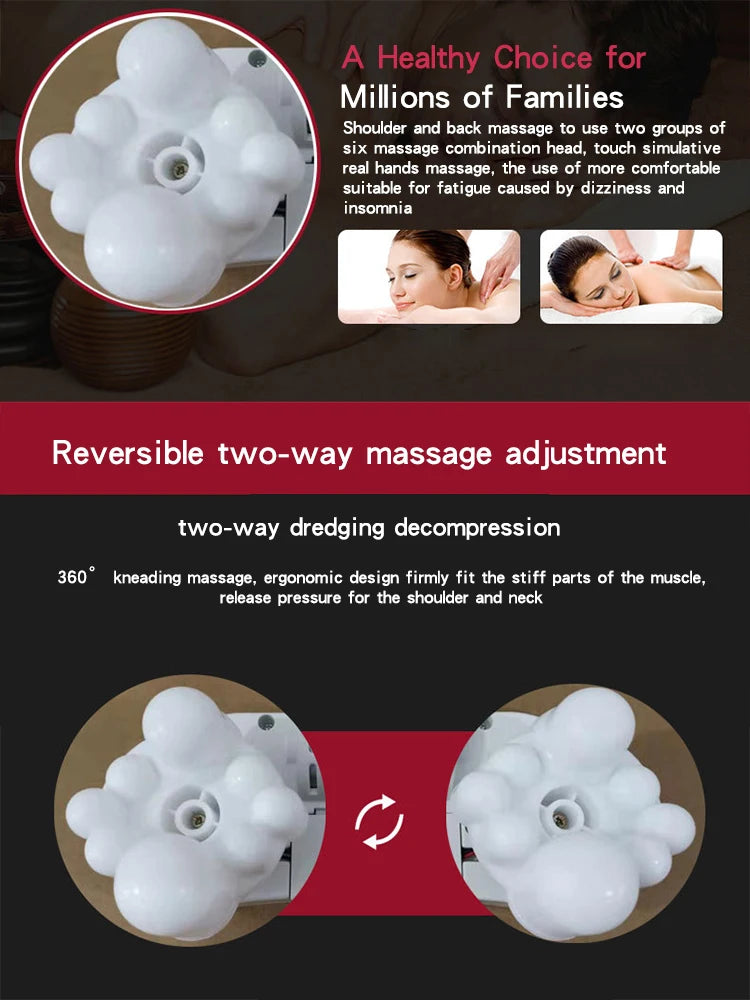
Feel instant release with the 5 minute neck and shoulder stretch — try it now.
Why This 5 Minute Routine Works So Fast
Hours of sitting, phone use, and computer work often place the head in a forward position, increasing the workload on the muscles that support your neck and shoulders. A well-designed 5 minute neck and shoulder stretch helps counteract this pattern by restoring gentle movement, encouraging circulation, and reducing muscle guarding that develops after prolonged static posture. Although a short routine cannot treat every cause of neck pain, it can provide meaningful relief for everyday muscular tightness and improve how your neck feels throughout the day.
Muscles Targeted
This routine focuses on several muscles that commonly become tight during desk work and prolonged screen use, including the upper trapezius, levator scapulae, cervical paraspinal muscles, and the muscles surrounding the shoulder blades. Gentle stretching of these areas supports healthier movement patterns while helping reduce the feeling of tight, elevated shoulders.
Why Gentle Stretching Reduces Stiffness
Slow, controlled neck and shoulder stretches for pain relief encourage muscles to relax without triggering protective tension. Moving through a comfortable range of motion improves joint mobility, supports posture, and may temporarily decrease discomfort caused by inactivity. Combined with regular movement breaks, these upper shoulder tension relief exercises can help make everyday activities more comfortable and reduce the buildup of recurring stiffness.
Studies suggest that even a few minutes of upper-body mobility work performed consistently can improve flexibility and reduce shoulder stiffness over time. When combined with body care and health devices designed for home relief, many people find it easier to maintain comfortable movement and recover after long workdays.
♀️ Pair this stretch with smart posture habits for lasting comfort.
4 Easy Stretches for Neck and Shoulder Pain
These 4 easy stretches for neck and shoulder pain are simple, effective, and suitable for most people experiencing muscle tightness from desk work, driving, or prolonged device use. Perform each movement slowly, breathe normally, and stay within a comfortable range of motion. These easy neck stretches for beginners should create a gentle stretching sensation—not sharp or worsening pain.
- Neck Side Tilt: Sit upright with relaxed shoulders. Slowly lower your right ear toward your right shoulder without lifting the shoulder. Hold for 20–30 seconds while breathing steadily, then repeat on the opposite side. This stretch targets the upper trapezius muscles that commonly tighten after long periods of sitting.
- Shoulder Rolls: Lift your shoulders toward your ears, then roll them backward and downward in slow, controlled circles 8–10 times. Reverse the direction for another 8–10 repetitions to improve shoulder mobility and reduce tension around the neck.
- Chin Tuck: Keeping your eyes level, gently draw your chin straight backward as though making a double chin. Hold for 5 seconds and repeat 8–10 times. This movement strengthens the deep neck flexors and helps counteract forward head posture.
- Upper Back Stretch: Interlace your fingers in front of your body, extend your arms forward, and gently round your upper back while allowing your shoulder blades to separate. Hold for 20–30 seconds with slow breathing before relaxing.
Together, these neck and shoulder stretches for pain relief help restore mobility, reduce muscular tension, and improve posture when practiced consistently throughout the week.
Common Mistakes
- Stretching too aggressively or forcing the neck beyond a comfortable range.
- Holding your breath instead of breathing slowly and evenly.
- Raising the shoulders during neck stretches, which reduces their effectiveness.
- Moving quickly instead of using slow, controlled motions.
- Ignoring persistent pain, numbness, or tingling during the exercises.
If any stretch causes sharp pain, dizziness, or symptoms that radiate into the arms, stop immediately and seek medical advice before continuing.
Beginner Modifications
If your neck feels especially stiff, shorten each hold to 10–15 seconds and perform fewer repetitions. You can also complete the routine while sitting in a supportive chair with both feet flat on the floor. As your mobility improves, gradually increase the hold time to 20–30 seconds without pushing into discomfort.
How to Fix Posture-Related Neck Pain
Posture-related neck pain stretches are most effective when combined with healthier daily habits. Forward head posture, rounded shoulders, and prolonged sitting increase the workload on your neck muscles, allowing tension to build throughout the day. Improving alignment and moving regularly can help relieve tight shoulders with 5 minute routine sessions while reducing recurring discomfort.
Desk-Friendly Routine
Small movement breaks throughout the workday often provide greater long-term benefits than waiting until discomfort becomes severe. Try incorporating these habits into your routine:
- Stand up and perform gentle neck and shoulder stretches every 30–45 minutes.
- Alternate between sitting and standing whenever possible.
- Relax your shoulders instead of allowing them to creep toward your ears.
- Perform a few chin tucks and shoulder rolls before returning to focused work.
Ergonomic Tips
Optimizing your workstation helps reduce unnecessary strain on the cervical spine and shoulders.
- Position your monitor so the top of the screen is at or slightly below eye level.
- Keep your chin parallel to the floor instead of tilting your head downward.
- Support your lower back with an ergonomic chair or lumbar cushion.
- Keep elbows close to your body with forearms comfortably supported.
- Place frequently used items within easy reach to avoid repeated neck twisting.
Consistency matters more than intensity. Combining regular movement, ergonomic adjustments, and stretching throughout the day helps maintain healthier posture and reduces muscle fatigue over time. If you want additional support during recovery, consider pairing your routine with Body Care and Health Devices designed to complement muscle relaxation and posture improvement.
Basic Relaxation Techniques to Deepen Relief
Stretching is often more effective when paired with techniques that calm the nervous system and encourage muscles to relax. These basic relaxation techniques can reduce unnecessary muscle guarding, support recovery after long workdays, and complement your daily mobility routine. They also work well alongside upper shoulder tension relief exercises to help maintain comfortable movement throughout the day.
Breathing
Slow, controlled breathing helps decrease physical tension by encouraging your body to shift into a more relaxed state. Practicing mindful breathing before or after stretching may improve comfort and make it easier to release tight muscles.
- Box Breathing: Inhale for 4 seconds, hold for 4 seconds, exhale for 4 seconds, then pause for another 4 seconds. Repeat for 4–6 cycles while keeping your shoulders relaxed.
- Slow Nasal Breathing: Breathe in gently through your nose and exhale slightly longer than you inhale. Focus on allowing your neck, jaw, and shoulders to soften with each breath.
- Mindful Movement: Pay attention to how your muscles feel during each stretch instead of trying to maximize range of motion. Gentle, controlled movements are generally more beneficial than forcing deeper stretches.
Gentle Shoulder Relaxation
Adding warmth and light muscle relaxation techniques after stretching may help maintain flexibility and reduce lingering tightness, especially after prolonged sitting or physically demanding days.
- Heat Therapy: Apply gentle warmth to the neck and shoulders for 10–15 minutes to promote comfort and improve tissue flexibility before or after stretching.
- Shoulder Reset: Lift your shoulders gently toward your ears, hold briefly, then allow them to drop naturally as you exhale. Repeat 5–10 times without rushing.
- End-of-Day Recovery: If you enjoy massage, using a heated massager before bed may help your muscles relax and create a calming evening routine.
- Stress Check: Periodically notice whether you're unconsciously clenching your jaw or raising your shoulders, then consciously relax them during the day.
These relaxation habits are most effective when practiced consistently alongside regular stretching, good posture, and frequent movement breaks rather than only after discomfort becomes severe.
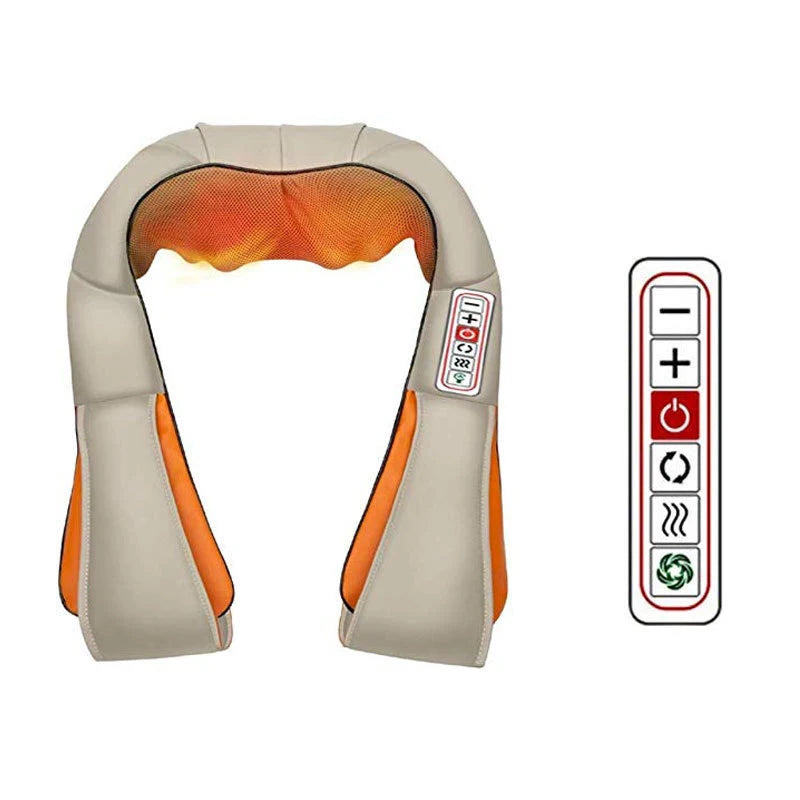
Relax deeper with gentle heat — your body will thank you.
Enhance Results with a Heated Neck Massager
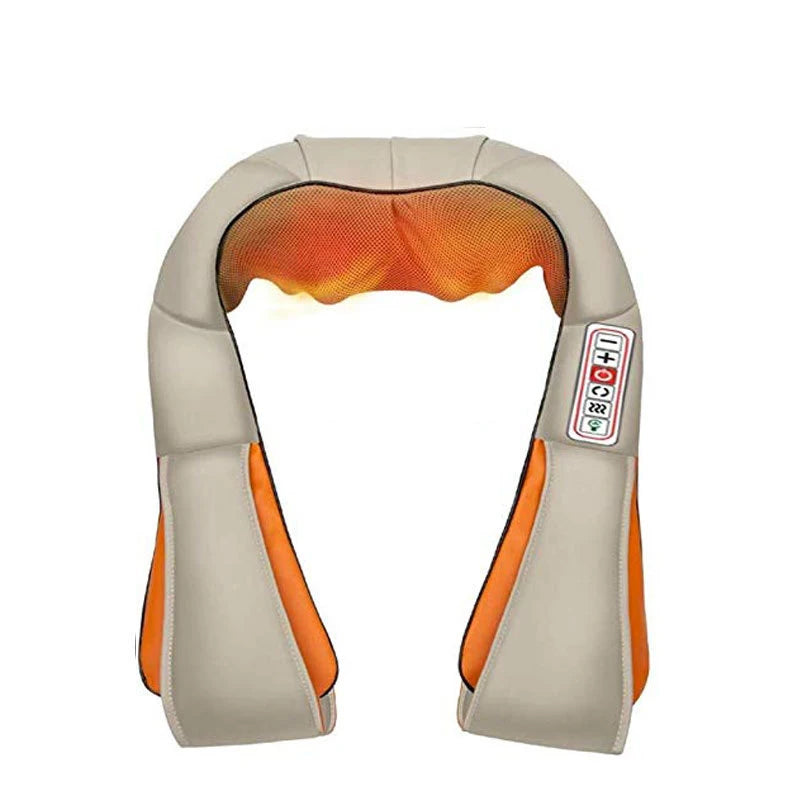
A heated massager is an optional recovery tool that can complement your 5 minute neck and shoulder stretch routine, particularly if muscle tightness develops after long workdays, commuting, or exercise. While stretching improves mobility, gentle heat and massage may help relax tense muscles, increase comfort, and make it easier to maintain healthy movement patterns. It should not replace appropriate medical evaluation for persistent or severe neck pain.
The Kentdo Kneading Shawl Massager combines deep-kneading massage with soothing heat to support neck and shoulder pain relief . Many people find it helpful after stretching to ease muscle fatigue, while others prefer using gentle heat before stretching to help muscles feel more relaxed and prepared for movement.
| Feature | Benefit |
|---|---|
| Heated Massage Nodes | Provides soothing warmth that may help muscles relax before or after stretching. |
| Ergonomic Shawl Design | Contours comfortably around the neck, shoulders, and upper back. |
| Adjustable Intensity | Allows users to select a massage pressure that feels comfortable for their needs. |
This type of recovery aid may be particularly beneficial for office workers, people who spend extended periods looking at screens, frequent travelers, and individuals with muscular tightness from everyday activities. For best results, combine massage with regular stretching, movement breaks, and good ergonomic habits rather than relying on any single intervention alone.
Quick FAQ: Neck & Shoulder Relief
How often should I do this 5 minute neck and shoulder stretch?
For most people, a 5 minute neck stretch can be performed daily. If you spend long hours at a computer, repeating the routine once in the morning and once later in the day—along with regular movement breaks—may help reduce recurring stiffness.
Can I do these stretches at my desk?
Yes. These movements require very little space and are appropriate for most office environments. Sitting upright with good posture and avoiding forceful movements makes them suitable for many desk workers during short work breaks.
What if I still feel pain after stretching?
Mild muscular tightness often improves with consistent stretching and movement. If discomfort continues, you may find additional comfort using the Kentdo Kneading Shawl Massager or exploring supportive recovery options from Body Care and Health Devices . However, persistent pain, numbness, weakness, or symptoms following an injury should be evaluated by a qualified healthcare professional.
Do these stretches improve focus too?
Many people report feeling more alert after reducing muscle tension and improving posture. Brief movement breaks may also help decrease fatigue associated with prolonged sitting, making it easier to return to work comfortably.
What is the best 5 minute neck stretch for stiffness?
A balanced routine that combines chin tucks, neck side tilts, shoulder rolls, and upper-back stretches provides gentle mobility while targeting the muscles that commonly become tight after prolonged sitting.
Can I do a 5 minute neck stretch every day?
Yes. Daily practice is generally appropriate when movements remain comfortable and pain-free. Consistency is usually more beneficial than performing aggressive stretches infrequently.
Should I stretch before or after using heat?
Either approach can be effective. Gentle heat before stretching may help muscles feel more relaxed, while applying heat afterward may promote comfort and recovery. Choose the option that feels best for your body.
Are these stretches safe for office workers?
Yes. They are designed to address common muscular tightness associated with desk work and prolonged computer use. Move slowly, maintain good posture, and avoid stretching into pain.
When should I stop stretching and see a doctor?
Stop exercising and seek medical evaluation if stretching causes severe pain, dizziness, numbness, tingling, arm weakness, or if symptoms develop after significant trauma. Persistent symptoms that do not improve with self-care also warrant professional assessment.
Can a 5 minute neck and shoulder stretch improve posture?
Regular stretching alone cannot permanently correct posture, but when combined with strengthening exercises, ergonomic adjustments, and healthy movement habits, it can improve mobility and make maintaining better posture easier.
For more wellness routines that support your comfort and self-care, explore our Beauty & Self-Care Blog for expert tips on posture, pain relief, and relaxation techniques that fit your lifestyle.
Pillar Article: Neck and Shoulder Massager with Heat: How to Use It for Maximum Relief
Other Related Articles:
- Benefits of Electric Massage Therapy Explained: Why It’s a Game-Changer for Recovery
- Massage Gun vs Vibration Massager: Which One Should You Actually Buy?
- Shoulder Heated Massager Tips: Stop Doing These 3 Mistakes Right Now
Explore More:













