

⏱ 6 min read
Shoulder Heated Massager Safety Guide: How to Use Heat Therapy the Right Way
A shoulder heated massager can help reduce everyday muscle tension, improve relaxation, and support recovery after long workdays or exercise. However, getting the best results depends on using it safely. Excessive heat, prolonged sessions, or applying too much pressure can lead to skin irritation or increased soreness instead of relief. This guide explains how heated massage works, who should use extra caution, and the safest way to enjoy lasting neck and shoulder stiffness relief at home.
Does a Shoulder Heated Massager Really Work?
Yes. A shoulder heated massager combines gentle heat therapy with rotating kneading massage to relax tight muscles, temporarily improve local circulation, and reduce feelings of stiffness. For many people, this combination provides effective at-home comfort when used according to the manufacturer's instructions and alongside healthy habits such as stretching and regular movement.
Are Heated Massagers Safe When Used Correctly?
Yes. Most heated massagers are generally safe when used as directed. Heat helps relax muscles while massage mechanically works tight tissues, creating a comfortable recovery experience for many users. The greatest risks usually come from improper use rather than the device itself.
For safe everyday use:
- Use only the recommended heat setting.
- Limit sessions to the manufacturer's suggested duration.
- Never place prolonged heat on numb or injured skin.
- Stop immediately if the skin becomes excessively hot, painful, or irritated.
People with certain medical conditions—including reduced sensation, circulatory disorders, or implanted medical devices—should speak with their healthcare provider before using a heated massager.
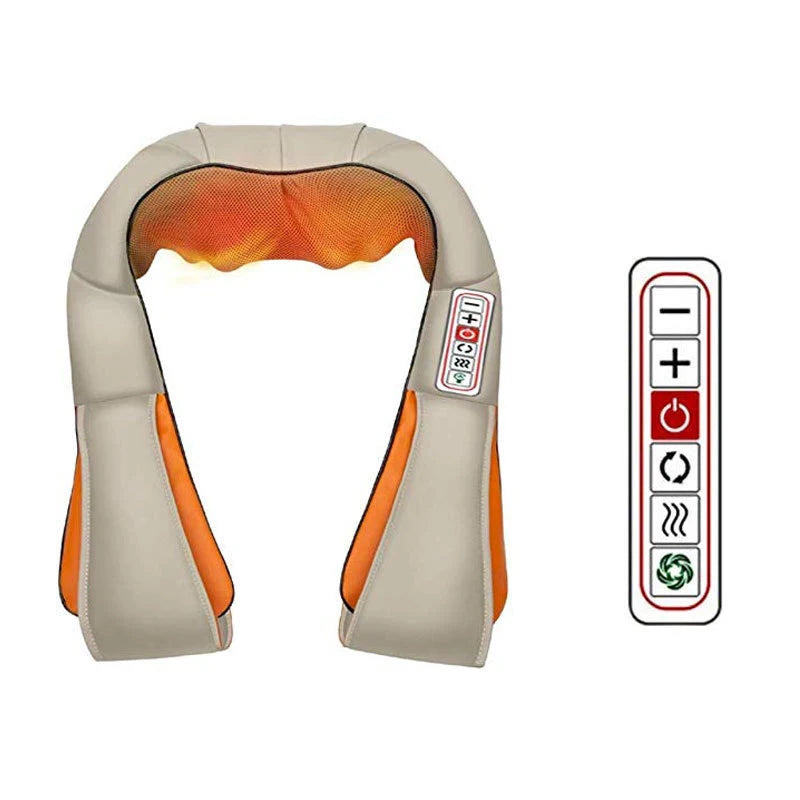
Use a shoulder heated massager correctly for comfortable muscle relaxation and safe heat therapy.
How Heated Massagers Work: Heat vs Massage Functions
How Heat Therapy Affects Muscles
Heat therapy gently warms muscles, helping them feel more relaxed and flexible before or during massage. Warmth may temporarily improve local blood flow and reduce the sensation of stiffness, making movement more comfortable after long periods of sitting or repetitive activity.
Heat should feel pleasantly warm—not painfully hot. If it becomes uncomfortable, lower the setting or stop the session.
How Massage Settings Affect Tension Relief
Kneading massage targets muscle tightness through rhythmic pressure, while vibration functions focus more on relaxation. Higher intensity does not necessarily provide better results. Many users experience greater comfort by starting with lower settings and increasing intensity only if needed.
Reduce massage intensity if you experience soreness, bruising, or discomfort during use.
Common Heated Massager Mistakes That Can Cause Problems
Using Heat That Feels Too Hot
One of the most common mistakes is assuming hotter always means better. Excessive heat may irritate sensitive skin and increase the risk of minor burns, especially during longer sessions.
- Choose a comfortable temperature.
- Check your skin periodically.
- Avoid using extra heating pads with your heated massager.
Using a Heated Massager for Too Long
Extended sessions may contribute to skin irritation or overheating. Most heated massagers are designed for sessions of approximately 15 to 20 minutes.
- Follow the manufacturer's recommended session length.
- Allow the device to cool between repeated sessions.
- Never sleep while the massager is operating.
Applying Too Much Pressure on Sensitive Areas
Pressing the massager forcefully into your neck or shoulders does not improve results. Excess pressure may increase soreness or leave muscles feeling more tender afterward.
- Allow the massage nodes to do the work.
- Adjust speed instead of pushing harder.
- Avoid bony areas and areas with visible swelling.
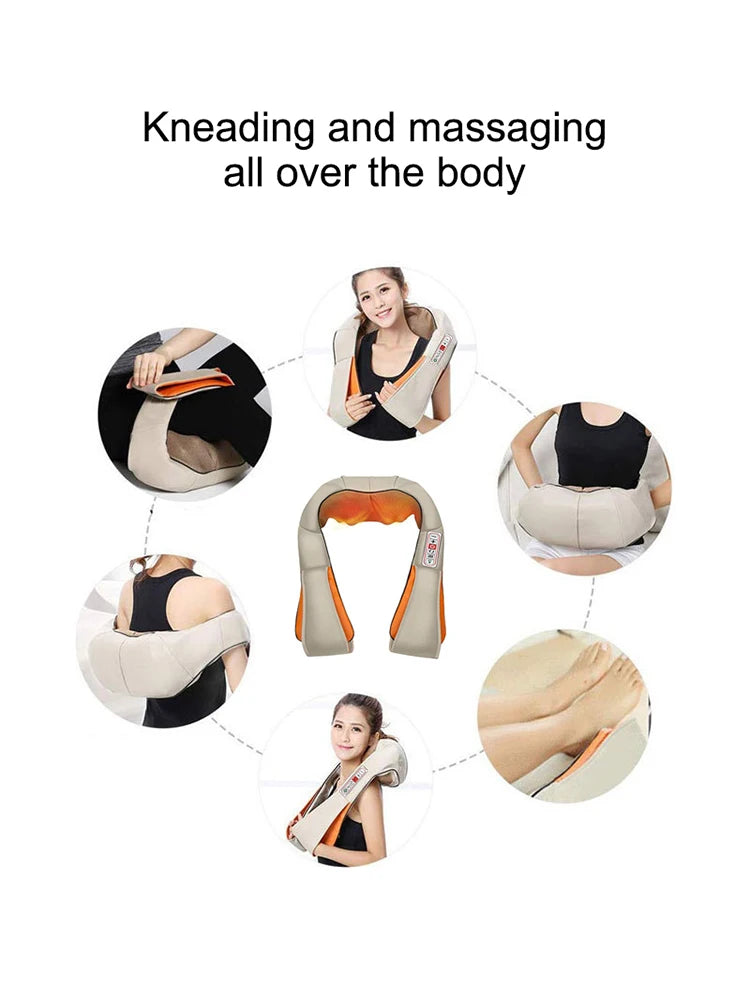
Moderate heat and appropriate session length provide a safer, more comfortable massage experience.
Who Should Avoid Using Heated Massagers?
Although heated massagers are suitable for many healthy adults, some individuals should avoid them or seek medical advice first.
- People with diabetes accompanied by reduced sensation or neuropathy.
- Individuals with poor circulation or known blood clot disorders.
- Anyone with implanted medical devices such as pacemakers unless cleared by their physician.
- People with open wounds, skin infections, severe inflammation, or recent acute injuries.
- Pregnant individuals should consult their healthcare provider before using heat therapy on certain body areas.
How to Use a Heated Massager Safely Step by Step
Choose a Safe Temperature Setting
Begin with the lowest comfortable heat setting. Increase gradually only if your skin remains comfortable throughout the session.
Follow Recommended Session Duration
- Place the massager comfortably across your shoulders.
- Select gentle heat and moderate massage intensity.
- Relax for approximately 15–20 minutes.
- Check your skin during use.
- Turn the unit off after each session and allow it to cool.
Avoid High-Risk Body Areas
- Do not use over open wounds.
- Avoid areas with reduced sensation.
- Do not apply excessive pressure over the front of the neck or directly over bones.
- Allow time between sessions if your skin feels warm or sensitive.
For users looking for an ergonomic option, the KentDO Kneading Shawl Massager features an easy-to-position design that helps users maintain consistent placement without unnecessary pressure.
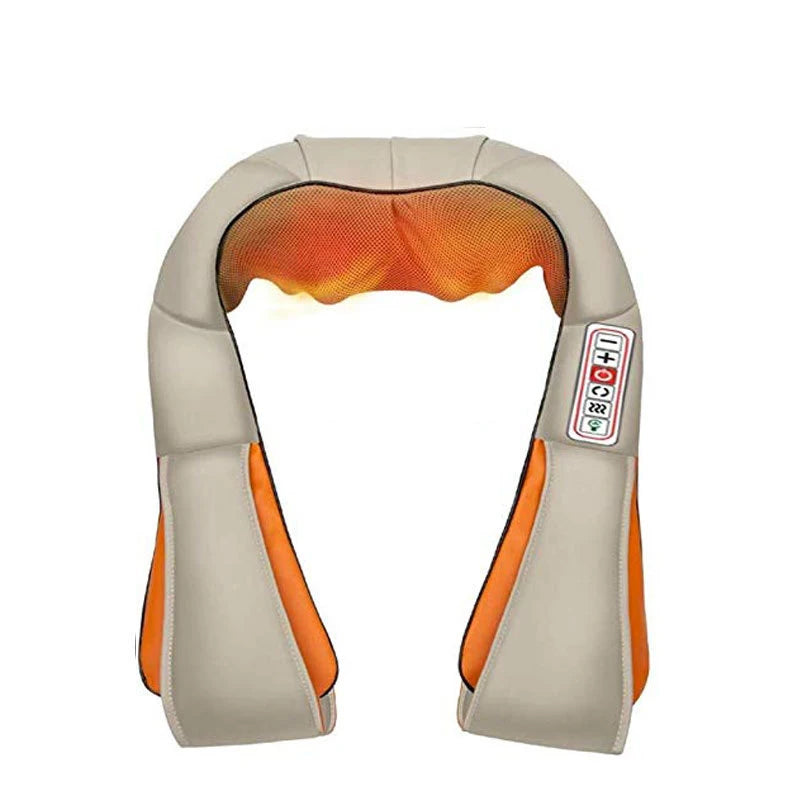
Proper positioning and moderate heat help maximize comfort during every massage session.
When to Stop Using a Heated Massager Immediately
Stop using your heated massager and allow your skin to cool if you notice:
- Burning or stinging sensations.
- Persistent redness that does not fade.
- Numbness or tingling.
- Dizziness or feeling unwell.
- Pain that becomes worse rather than better.
If symptoms are severe, continue after several hours, or involve blistering or significant swelling, seek medical advice promptly.
Heated Massager Maintenance and Troubleshooting Tips
Prevent Overheating Issues
- Inspect power cords before each use.
- Do not cover ventilation areas.
- Stop using the device if you notice unusual odors, smoke, or excessive heat.
- Store the massager in a dry location.
Keep the Device Clean and Functional
- Wipe the surface with a soft, slightly damp cloth.
- Avoid immersing electrical components in water.
- Check controls regularly for proper operation.
- Follow manufacturer cleaning instructions.
Why the KentDO Heated Neck Massager Is Designed for Safer Use
The KentDO Kneading Shawl Massager is designed to provide comfortable heat and kneading massage while allowing users to control positioning and intensity. Adjustable handles help reduce unnecessary pressure, while built-in heat functions support a personalized massage experience.
| Feature | Safety Benefit |
|---|---|
| Dual-direction kneading heads | Even massage without excessive manual pressure |
| Integrated heat function | Comfortable warmth during massage sessions |
| Ergonomic strap handles | Better positioning and user control |
| Compact portable design | Easy to use at home or while traveling |
FAQs About Heated Massager Safety
Are heated massagers safe to use every day?
For many healthy adults, daily use can be appropriate when sessions follow the manufacturer's recommended duration and comfortable heat settings.
Can a heated massager overheat and burn skin?
Improper use, excessively high temperatures, or extended sessions may increase the risk of skin irritation or burns. Stop using the device if it feels too hot.
How long should you use a heated massager safely?
Most manufacturers recommend sessions lasting approximately 15 to 20 minutes, followed by a cooling period before reuse.
Can you use a heated massager if you have sensitive skin?
Yes, but begin with the lowest heat setting, monitor your skin closely, and discontinue use if irritation develops.
Who should not use a heated massager?
People with implanted medical devices, reduced sensation, open wounds, acute injuries, severe inflammation, or certain circulatory conditions should consult a healthcare professional before use.
Tags: shoulder heated massager, heated massager safety, safe use of heated massager, heat therapy, heated massager troubleshooting, heated massager overheating, heated massager skin safety, neck and shoulder stiffness relief, muscle recovery, massage safety tips
Pillar Article: Neck and Shoulder Massager with Heat: How to Use It for Maximum Relief
Other Related Articles:
- Benefits of Electric Massage Therapy Explained: Why It’s a Game-Changer for Recovery
- Massage Gun vs Vibration Massager: Which One Should You Actually Buy?
- 5 Minute Neck and Shoulder Stretch Routine: Quick Relief You’ll Feel Instantly
Explore More:













