

Neck and Shoulder Massager with Heat: Best Picks, How to Use It, and What to Look For in 2026
A neck and shoulder massager with heat can be a convenient way to manage everyday muscle tightness after desk work, commuting, exercise, or a long day. The best models combine a comfortable massage mechanism with controlled warmth, adjustable intensity, and a shape that reaches the neck, trapezius muscles, and upper shoulders without forcing you into an awkward position.
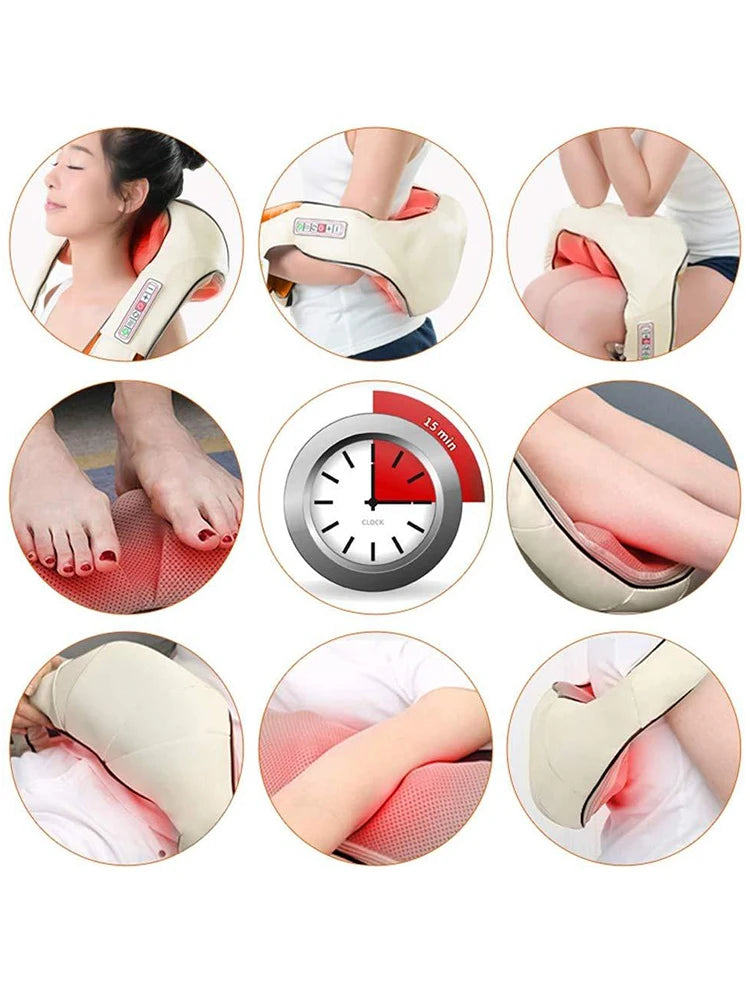
Neck and shoulder massager with heat – KentDO See it in action
Quick Comparison: Best Neck and Shoulder Massagers with Heat
The right neck and shoulder massager with heat depends more on how you plan to use it than on the number of settings listed on the box. A deep-kneading device may suit someone who wants stronger pressure, while a lighter vibrating model can be more comfortable for users who prefer gentle stimulation. Use the comparison below as a shortlist before looking at individual features.
| Best for | Massage mechanism | Heat performance | Coverage | Portability | Main trade-off |
|---|---|---|---|---|---|
| Best Overall | Kneading massage with adjustable pressure | Integrated warming function | Neck, trapezius, and upper shoulders | Moderate | Usually bulkier than compact vibration models |
| Best for Deep Tissue | Strong kneading or percussion-style massage | Helpful for warming muscles before massage | Upper shoulders and upper back | Low to moderate | Can feel too intense for sensitive users |
| Best for Chronic Neck Tension | Gentle kneading or vibration with fine intensity control | Low, comfortable warmth preferred | Neck and shoulder transition | Moderate | Not a substitute for evaluation of persistent pain |
| Best Budget Option | Basic vibration or kneading | Simple heat function | Usually focused on the neck and shoulders | Moderate | Fewer controls and less refined fit |
| Best for Travel | Compact vibration or lightweight massage | Optional depending on model | More targeted coverage | High | Usually less powerful than larger wraparound designs |
Best starting point for most home users: choose a model with adjustable intensity, comfortable shoulder coverage, moderate heat, easy controls, and an automatic shut-off. Those features are more useful for regular use than simply choosing the strongest available massage.
Our Top Picks: Neck and Shoulder Massagers with Heat
There is no single best neck and shoulder massager for every person. The most useful way to compare options is by the job you want the device to perform: everyday desk-tension relief, stronger massage, gentle recurring tension management, budget-conscious use, or portability.
Best Overall for Everyday Relief
KentDO neck & shoulder massager with heat is the strongest fit when you want a wraparound design that combines kneading-style massage and warmth for routine home use. The design is particularly practical for end-of-work sessions because the user can position the massage area around the shoulders and adjust pressure through the handles.
- Pros: Combines massage and heat; wraparound shoulder coverage; pressure can be adjusted through positioning; suitable for short at-home sessions.
- Cons: A wraparound massager is less compact than a small handheld or vibration device.
- Best for: Desk workers, end-of-day muscle tightness, and people who want a hands-free alternative to a handheld massager.
- Not ideal for: Someone looking specifically for an ultra-light travel device or a medical treatment for persistent neck pain.
Best for Deep Tissue Massage
For users who prioritize deep tissue massage at home , look for a kneading mechanism with firm contact points and meaningful pressure control. A stronger massage can feel satisfying over the trapezius and upper-back muscles, but intensity should never be confused with effectiveness.
- Pros: Stronger mechanical sensation; useful for users who prefer firm pressure; can cover larger muscle groups.
- Cons: More intense mechanisms may be uncomfortable around the front or sides of the neck and can be too aggressive for sensitive users.
- Best for: Healthy adults who prefer firm massage over the upper shoulders and upper back.
- Not ideal for: Anyone experiencing unexplained pain, numbness, weakness, or symptoms that worsen with pressure.
Best for Chronic Neck Tension
If you frequently experience neck tightness, prioritize a chronic neck pain massager by looking for comfort and control rather than maximum power. A gentler kneading or vibration setting, moderate heat, and a stable fit can be more practical than a device that delivers aggressive pressure.
- Pros: Easier to incorporate into a regular relaxation routine; gentle settings can be more comfortable for repeated use.
- Cons: A consumer massager does not diagnose or treat the underlying cause of persistent neck pain.
- Best for: People with recurring muscle tension who have already considered appropriate professional guidance when needed.
- Not ideal for: New, severe, unexplained, or progressively worsening neck symptoms.
Best Budget-Friendly Option
A basic vibrating or kneading massager can be enough if your primary goal is occasional relaxation rather than maximum coverage. When shopping at a lower price, concentrate on the fundamentals: comfortable contact points, usable intensity levels, safe heat control, simple buttons, and reliable construction.
- Pros: Lower upfront cost; straightforward operation; often lighter than feature-heavy models.
- Cons: Basic models may provide fewer intensity choices, less precise heat control, or less comfortable shoulder coverage.
- Best for: Occasional users and people trying massage at home for the first time.
- Not ideal for: Users who need extensive upper-back coverage or highly adjustable pressure.
Best Portable Massager
For travel, choose a compact design that can fit easily into a bag and operate without requiring a large setup. Smaller vibration-based devices can be easier to carry than wraparound kneading models, although portability often means sacrificing some coverage or massage depth.
- Pros: Easier to pack; useful for offices, hotel rooms, and small spaces.
- Cons: Compact devices may have less powerful massage mechanisms and smaller treatment areas.
- Best for: Travelers and users who want occasional massage away from home.
- Not ideal for: People who want broad shoulder coverage and a strong kneading sensation.
How We Tested Neck and Shoulder Massagers with Heat
A meaningful comparison of a neck and shoulder massager with heat should go beyond the manufacturer's list of modes. We evaluate these devices around the factors that affect whether someone will actually use them consistently: heat behavior, massage sensation, fit, controls, comfort, and practical portability.
Heat-Up Speed and Temperature Consistency
We assess how quickly the warming function becomes noticeable and whether the heat feels reasonably consistent during a session. A useful heat function should feel comfortably warm rather than excessively hot. We also consider how much of the intended treatment area receives warmth instead of concentrating heat in one small spot.
Massage Intensity and Mechanism
Kneading, vibration, percussion, and compression produce different sensations. We compare how easily the user can move from gentle to stronger settings, whether the pressure remains comfortable, and whether the mechanism is better suited to the shoulders, upper back, or neck.
Neck Fit and Shoulder Coverage
Fit is one of the most overlooked factors in massage-device shopping. A device that feels excellent on one person's shoulders may sit too high, too low, or too firmly on another. We consider contact-point placement, shoulder reach, weight distribution, and whether the user can adjust positioning without assistance.
Controls, Noise, and Session Comfort
A massager should be simple to operate once it is positioned. We consider button placement, visibility, intensity adjustment, heat controls, cord management, noise, and how comfortable the device remains throughout a typical short session. Corded designs are also assessed differently from rechargeable models because power access affects where the device can realistically be used.
Why Combine Heat and Massage for Neck and Shoulder Tension?
The appeal of a heated neck and shoulder massager is that it combines two different sensations in one routine. Massage provides mechanical stimulation to the muscles, while warmth can make the area feel more comfortable and relaxed. Together, they can be useful for temporary soreness and everyday muscle tightness, but they should not be presented as a cure for an underlying medical condition.
How Heat Supports Muscle Relaxation
Warmth can feel soothing when muscles are stiff after prolonged sitting or repetitive activity. The goal is comfort, not maximum temperature. A moderate heat setting is generally a better starting point than immediately choosing the highest setting, particularly when the device is used around the neck and shoulders.
How Massage Mechanisms Differ
- Kneading: Uses rotating or moving contact points to create a massage sensation similar to manual pressure. It is often preferred for the shoulders and trapezius area.
- Vibration: Produces rapid, lighter mechanical stimulation. It can suit users who find deep kneading uncomfortable.
- Percussion: Uses repeated tapping or striking movements. It can provide a stronger sensation but may not be appropriate for every area or every user.
- Compression: Uses pressure around a body area rather than moving massage nodes. It can feel gentler and more encompassing.
What to Expect for Upper-Body Soreness
A heated massager can be useful for relieving upper body soreness when that soreness is related to ordinary muscle fatigue, prolonged sitting, or physical activity. The realistic goal is temporary comfort and relaxation. If pain persists, repeatedly returns, spreads into the arm, or is accompanied by neurological symptoms, a massager should not replace appropriate professional evaluation.
When and How Often to Use a Heated Neck and Shoulder Massager
Best Times to Use a Heated Massager
- After desk work: A short session can help you transition out of prolonged sitting and screen time.
- After light activity: Massage may feel comfortable when ordinary muscle fatigue develops after exercise or movement.
- During an evening relaxation routine: Gentle massage and moderate warmth can create a relaxing end-of-day ritual.
- After a posture break: Using the device after standing, walking, and moving your shoulders can be more useful than relying on massage alone.
How Often to Use It
The manufacturer's instructions should always determine the maximum session length and recommended operating schedule for a particular device. For a new user, start with a short session at a comfortable intensity rather than immediately using the strongest setting. If the area feels increasingly sore, irritated, numb, or uncomfortable afterward, reduce the intensity or stop using the device.
Choosing Soothing Massage Settings
For everyday tension, start with low-to-moderate massage intensity and comfortable warmth. Increase pressure only if the sensation remains pleasant. A soothing massage setting should feel like controlled pressure rather than sharp, pinching, burning, or painful force.
How to Use a Neck and Shoulder Massager with Heat
Step 1: Position the Massager Correctly
Sit in a stable chair with your back supported. Place the massage section across the upper shoulders and the back or sides of the neck according to the device instructions. If your model has handles or straps, position them so you can control pressure without pulling aggressively.
Step 2: Start with Gentle Heat and Intensity
Begin with the lowest comfortable heat setting and a gentle massage level. Allow the device to warm gradually rather than starting with maximum heat. This gives you time to judge how your skin and muscles respond.
Step 3: Adjust Settings for Comfort
After the first few minutes, adjust the massage intensity or pressure if necessary. You can reposition the device slightly to target the upper trapezius or shoulders, but avoid forcing massage nodes directly onto painful areas. For users seeking heated massager settings for chronic neck pain relief , comfort and conservative intensity are more important than maximum power.
Step 4: Finish and Hydrate
When the session ends, remove the device and gently move your shoulders and neck through a comfortable range of motion. Drink normally according to your usual hydration needs. There is no need to force extra water as a way to "flush out" muscle waste.
Stop immediately if you experience sharp or worsening pain, excessive heat, burning, numbness, dizziness, unusual weakness, or significant skin irritation.
What to Look For in the Best Neck and Shoulder Massager with Heat
Massage Mechanism and Intensity
Start by deciding whether you prefer kneading, vibration, percussion, or another mechanism. For a deeper sensation, kneading is often more appealing. For gentle relaxation, vibration may be preferable. Multiple intensity levels are valuable because the ideal pressure can change from one day to another.
Heat Settings and Coverage
Do not judge heat quality by the highest temperature alone. Look for comfortable warmth, consistent coverage, straightforward controls, and an automatic shut-off where provided. The heating area should correspond with the areas you actually want to warm.
Fit, Comfort, and Ergonomics
Check how the device sits on your neck and shoulders. Adjustable handles, straps, or positioning can make a substantial difference because they allow you to control pressure. Consider weight as well: a device that feels comfortable for five minutes may become tiring if it places too much load on the shoulders.
Portability, Power, and Controls
Think about where you will use the massager. Simple controls are valuable for chair-based use, while a compact design may be preferable for travel. If you work in multiple locations, consider whether the device is easy to pack and whether its power requirements fit your routine.
Corded vs. Rechargeable Design
Corded models can provide continuous power but require access to an outlet. Rechargeable models offer more freedom of movement but introduce battery life and charging considerations. Neither design is automatically better; choose according to where and how frequently you plan to use the device.
Heat Settings and Massage Mechanisms Compared
Low vs. High Heat
Low heat is generally the better starting point for relaxation and longer-feeling comfort. Higher heat may feel more noticeable, but hotter is not necessarily better. The skin around the neck and shoulders can be sensitive, so follow the manufacturer's heat instructions and avoid using a setting that feels uncomfortably hot.
Kneading vs. Vibration vs. Percussion
| Mechanism | Typical sensation | Best suited to | Potential trade-off |
|---|---|---|---|
| Kneading | Rhythmic, deeper pressure | Shoulders, trapezius, upper-back muscle tension | May feel too intense for sensitive users |
| Vibration | Fast, lighter stimulation | Gentle relaxation and users who dislike strong pressure | May feel less substantial than kneading |
| Percussion | Repeated tapping or impact | Users who prefer a stronger massage sensation | Can be uncomfortable if used too aggressively |
Which Setting Fits Your Needs?
- Desk tension: Start with gentle-to-moderate kneading or vibration and comfortable heat.
- Upper-back soreness: A stronger kneading setting may be preferable if it remains comfortable.
- Relaxation: Use low intensity with moderate warmth rather than maximum pressure.
- Sensitive muscles: Choose lighter vibration or the lowest comfortable kneading level.
Best Neck and Shoulder Massager Features by User Need
For Desk Workers and Posture-Related Tension
Prioritize easy controls, comfortable shoulder coverage, adjustable intensity, and a heat function. The best device is one that fits naturally into a short break rather than encouraging you to remain seated for another long period.
For Chronic Neck Tension
Choose adjustability and gentle settings over maximum force. A chronic neck pain massager should be viewed as a comfort tool, not a diagnosis or treatment. Persistent or unexplained pain deserves professional assessment.
For Upper-Back Soreness
Look for wider coverage and a massage mechanism capable of reaching the trapezius and upper-back muscles. A wraparound kneading device may be more useful than a small neck-only vibration unit.
For Relaxation and Stress Relief
Comfort matters more than intensity. Look for quiet operation, simple controls, gentle massage modes, and moderate warmth that you can tolerate comfortably.
For Travel and Small Spaces
Choose a compact, lightweight design. If you travel frequently, battery operation and easy storage may matter more than extensive shoulder coverage or maximum massage strength.
How to Use a Heated Massager as Part of a Home Relief Routine
Pair Massage with Gentle Stretching
Massage works best as one part of a broader movement routine. After a short session, perform gentle shoulder rolls and comfortable neck movements rather than immediately returning to the same static posture.
Build a Simple Pre- and Post-Work Routine
- Before work, adjust your chair and screen so you can maintain a comfortable posture.
- During the day, stand or walk regularly instead of remaining in one position for hours.
- At the end of work, take a short movement break before using your massager.
- Use the massager at a comfortable intensity for the duration specified by the manufacturer.
- Finish with gentle movement and return to normal activity.
Avoid Overusing Heat or Intensity
Using the strongest massage every time is not necessary. Excessive pressure or prolonged heat can leave muscles or skin feeling irritated. If you find yourself needing increasingly intense settings to get the same effect, take a break and reassess what is causing the recurring tension.
Safety, Maintenance, and Who Should Avoid Heated Massagers
Safe Usage Guidelines
- Follow the manufacturer's instructions for session length, heat settings, placement, and charging.
- Start with a low or moderate intensity, especially when using a new device.
- Keep the heat comfortable and avoid prolonged exposure to high temperatures.
- Do not use a massager on broken, irritated, infected, or damaged skin.
- Do not fall asleep while using the device unless the manufacturer specifically states that overnight use is safe and intended.
- Do not place massage pressure directly over areas that are acutely injured or unusually swollen.
When to Stop Using the Device
Stop the session if you notice excessive heat, burning, skin irritation, numbness, tingling, dizziness, sharp pain, worsening symptoms, or unusual weakness. A consumer massage device should provide a comfortable sensation; increasing discomfort is not a sign that the device is "working better."
People with significant medical conditions, recent injuries, neurological symptoms, implanted medical devices, or persistent or unexplained neck pain should ask an appropriate healthcare professional whether massage or heat is suitable for their situation. Pregnant users should also follow medical advice and the manufacturer's safety instructions rather than assuming a heated massager is appropriate.
Cleaning and Maintenance Checklist
- Wipe the exterior and contact surfaces according to the manufacturer's cleaning instructions.
- Keep electronic components, plugs, and controls away from water unless the product is specifically designed to be water-resistant.
- Inspect straps, cords, connectors, massage coverings, and charging components for damage.
- Store the device in a dry location where cords are not sharply bent or crushed.
- Stop using the device if the casing, wiring, heating system, or controls appear damaged.
Why the KentDO Neck and Shoulder Massager with Heat Stands Out
Key Features at a Glance
The KentDO neck & shoulder massager with heat is designed around the combination that many home users actually want: kneading-style massage, warmth, shoulder coverage, and user-controlled pressure. Its wraparound format is particularly relevant for people who want a hands-free option while sitting in a chair.
| Evaluation area | KentDO approach | What to consider |
|---|---|---|
| Massage | Kneading-style massage | Better suited to users who prefer active mechanical pressure |
| Heat | Integrated heat function | Use a comfortable setting and follow product instructions |
| Coverage | Neck and shoulder-focused wraparound design | Fit can vary with neck and shoulder shape |
| Pressure control | Positioning and handle-based adjustment | Useful when you want to vary massage pressure during a session |
| Home use | Designed for seated use | Less compact than small travel-focused devices |
Who It Is Best For
- People who spend substantial time sitting at a desk.
- Users who prefer kneading over light vibration.
- People looking for combined warmth and massage in one device.
- Users who want to control pressure through positioning rather than holding a handheld massager.
How It Compares with Other Options
Compared with a small vibrating massager, the KentDO design emphasizes broader shoulder contact and a more active kneading sensation. Compared with a compact travel device, it is less focused on portability and more focused on seated home use. Those are important trade-offs rather than reasons to consider one design universally superior to another.
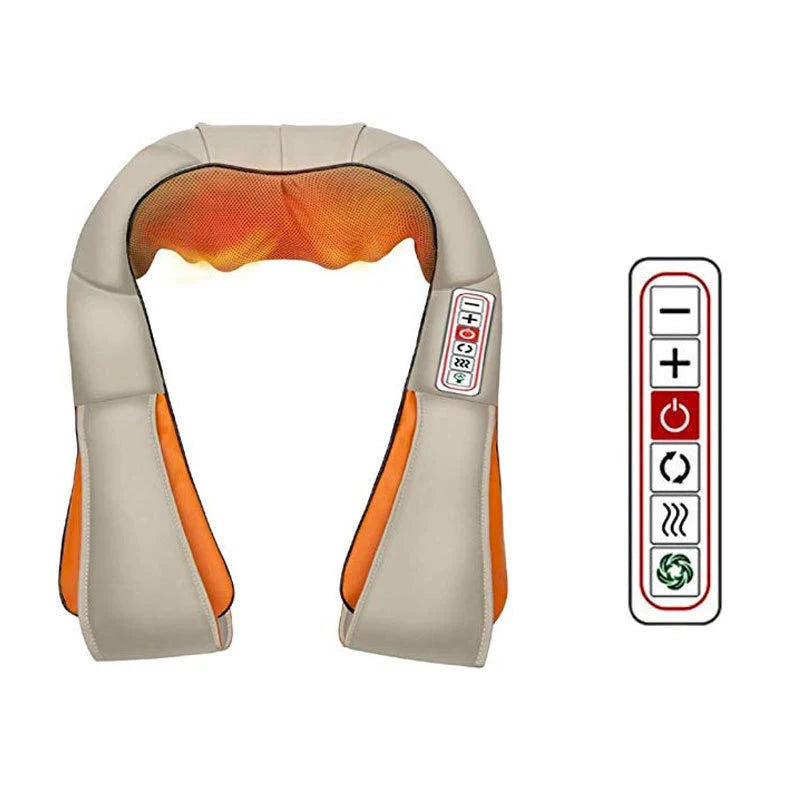
Neck and shoulder massager with heat – KentDO in use See how it hugs your shoulders
Frequently Asked Questions About Neck and Shoulder Massagers with Heat
How hot do neck and shoulder massagers get?
Heat output varies by model, so there is no single temperature that applies to every neck and shoulder massager with heat . The useful setting is one that feels comfortably warm without burning or irritating the skin. Always follow the manufacturer's instructions and avoid assuming that a hotter setting will provide greater relief.
Is it safe to use a heated massager every day?
Daily use may be appropriate for some devices and users when sessions remain within the manufacturer's recommended limits and the skin and muscles tolerate the treatment well. However, more frequent use is not automatically better. If daily sessions cause soreness, irritation, numbness, or worsening symptoms, reduce use or stop and seek appropriate advice.
How long should you use a heated neck massager?
Use the session length specified by the manufacturer as your primary guide. Many consumer devices are designed around relatively short sessions rather than prolonged continuous operation. If you are new to massage, starting with a shorter session and lower intensity is a sensible way to assess comfort.
Does heat help tight neck and shoulder muscles?
Heat can feel soothing when muscles are stiff or tense and may support relaxation. A heat function for muscle relaxation is best viewed as a comfort feature rather than a treatment for the underlying cause of chronic pain.
Can a neck massager help with upper-back tension?
It can provide temporary comfort when upper-back tension is related to ordinary muscle fatigue or prolonged posture. Coverage matters: a wraparound design that reaches the trapezius and upper shoulders may be more useful than a small device intended only for the back of the neck.
What massage setting is best for chronic neck pain?
There is no universally best setting for chronic neck pain. For users who have been advised that massage is appropriate, a gentle intensity with comfortable warmth is generally a more conservative starting point than maximum pressure. Persistent or unexplained pain should be evaluated by a healthcare professional rather than managed solely with a consumer massager.
How do you use a shoulder massager correctly?
Position the device according to its instructions, start with low-to-moderate intensity and comfortable heat, adjust pressure gradually, and stop if you experience pain, excessive heat, numbness, dizziness, or skin irritation. Keep the massage focused on appropriate muscle areas rather than forcing the device onto painful or injured tissue.
What is the best neck and shoulder massager with heat?
The best neck and shoulder massager with heat depends on your priorities. For everyday home use, look for a comfortable fit, adjustable massage intensity, useful heat control, appropriate shoulder coverage, simple controls, and safe session limits. The KentDO model is a practical option for users who specifically want a wraparound kneading-and-heat design for seated use.
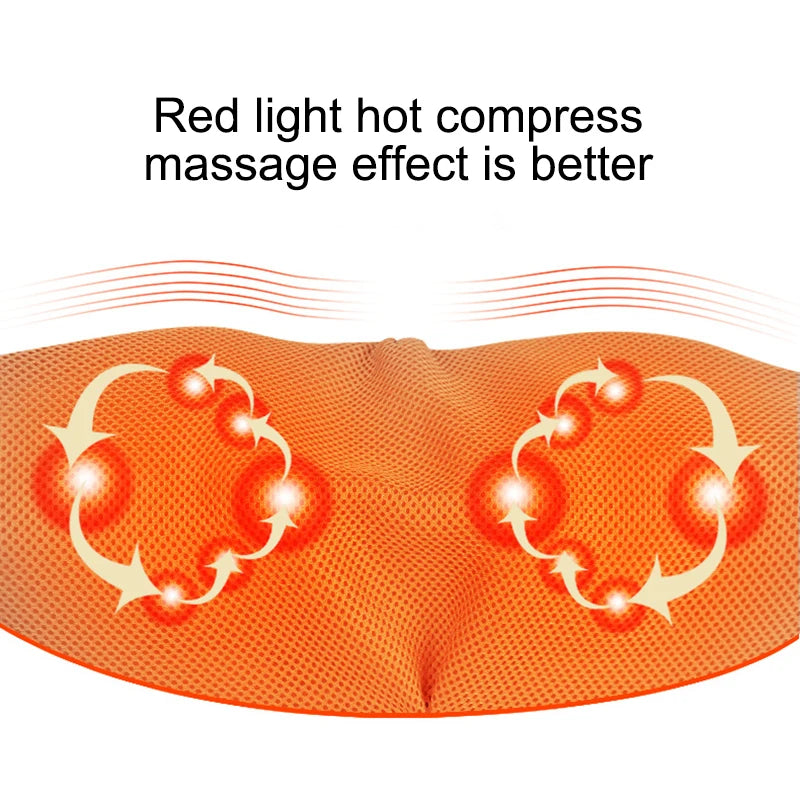
Neck and shoulder massager with heat – KentDO Your at-home relief solution
Related Articles:
- Benefits of Electric Massage Therapy Explained: Why It’s a Game-Changer for Recovery
- Massage Gun vs Vibration Massager: Which One Should You Actually Buy?
- 5 Minute Neck and Shoulder Stretch Routine: Quick Relief You’ll Feel Instantly
- Shoulder Heated Massager Tips: Stop Doing These 3 Mistakes Right Now
Pillar Articles:
- Best Massage for Muscle Strain: Stop Guessing and Start Recovering Faster
- Benefits of Head Massage with Massager: The Overlooked Way to Boost Circulation
- Best Tips for Muscle Recovery: What Every Fitness Enthusiast Should Know
- Benefits of Hot Stone Massage: What You Didn’t Know About Its Hidden Healing Power













