

Benefits of Air Compression Leg Massager: How It Works, Proven Benefits, Safety, and Who Should Use One
An air compression leg massager is a recovery and wellness device designed to support circulation, reduce temporary swelling, and relieve muscle fatigue through controlled pressure cycles. It is commonly used by people who sit or stand for long periods, athletes, and individuals looking for daily leg comfort and faster post-activity recovery.
By applying intermittent pneumatic compression through inflatable air chambers, these devices help stimulate venous return and support natural fluid movement in the lower limbs. While not a medical treatment for vascular disease, they are widely used for symptom relief and recovery support.
⏱ 8 min read
What Is an Air Compression Leg Massager and How Does It Work?
An air compression leg massager is a recovery device that uses inflatable air chambers to apply controlled pressure around the feet, calves, and sometimes the thighs. Unlike vibration-based massagers, it delivers sequential compression that mimics the muscle pump responsible for moving blood and lymphatic fluid back toward the heart.
How intermittent pneumatic compression works
Most devices use intermittent pneumatic compression (IPC), a technology commonly used in hospitals and rehabilitation settings. The chambers inflate and deflate in a programmed sequence, creating rhythmic pressure that encourages healthy venous return and temporary fluid movement.
Compression chambers and sequential pressure cycles
Instead of squeezing the entire leg at once, multiple chambers inflate one after another from the foot upward. This graduated pattern supports more natural circulation while maintaining user comfort.
How compression supports circulation and lymphatic flow
By periodically compressing soft tissues, air compression may temporarily improve blood flow, reduce fluid accumulation, and ease feelings of heaviness in the legs. While these devices can support circulation and recovery, they are not a treatment for underlying vascular disease.
Explore Body Care and Health Devices
Are Air Compression Leg Massagers Effective? What Research Says
Clinical research on intermittent pneumatic compression suggests that properly designed compression devices can support circulation, reduce temporary swelling, and improve recovery after physical activity. Results vary depending on the individual's health, activity level, and consistency of use.
Evidence for circulation support
Studies indicate that sequential compression can improve venous blood flow during treatment sessions, supporting individuals who experience prolonged sitting or standing.
Evidence for muscle recovery and fatigue reduction
Research in athletic populations suggests pneumatic compression may help reduce perceived muscle soreness and support post-exercise recovery between training sessions.
What these devices cannot do
Air compression leg massagers are not a treatment for deep vein thrombosis, chronic venous disease, or other serious medical conditions. They should be viewed as supportive tools for temporary relief and recovery.
Air compression leg massager for circulation and fatigue relief
Key Benefits of an Air Compression Leg Massager
Supports healthy circulation
Sequential compression encourages venous return, helping reduce the sensation of heavy or tired legs after long periods of inactivity.
Helps reduce leg swelling
Regular use may temporarily reduce mild fluid buildup by encouraging lymphatic and venous fluid movement, making it useful for swelling and fatigue relief.
Relieves muscle fatigue after exercise
Athletes often use compression devices after workouts to support recovery and reduce post-exercise soreness.
Promotes daily relaxation
Gentle rhythmic compression helps relax lower-limb muscles without the intensity of percussion massage, making it suitable for evening recovery routines.
May improve recovery after prolonged standing or sitting
People with desk jobs, healthcare roles, retail work, or frequent travel may experience improved comfort after consistent use.
Who Should Use an Air Compression Leg Massager?
Air compression leg massagers can benefit individuals seeking temporary relief from leg discomfort or improved recovery support.
Office workers
Long hours of sitting can lead to stiffness and heaviness in the legs. Compression sessions may help improve comfort during the workday.
Athletes
Compression may support recovery after running, cycling, strength training, and other physical activities.
Older adults
Older individuals experiencing mild leg fatigue may benefit from gentle compression, provided no contraindications exist.
Frequent travelers
Long flights or car rides may lead to temporary leg discomfort that compression devices can help relieve.
Pregnancy and postpartum considerations
Pregnant or postpartum individuals should consult a healthcare provider before use, especially if swelling is sudden or severe.
Who Should Avoid Air Compression Leg Massagers?
Although generally safe for many users, air compression devices are not suitable for everyone.
Medical conditions requiring physician approval
- Suspected or confirmed deep vein thrombosis (DVT)
- Severe peripheral arterial disease
- Serious heart failure
- Acute skin infections or open wounds
- Uncontrolled or unexplained leg swelling
Warning signs that require medical attention
If swelling appears suddenly, affects only one leg, or is accompanied by redness, warmth, chest pain, or shortness of breath, seek immediate medical evaluation.
Advanced Features That Improve Comfort and Performance
Multi-Chamber Airbag System for Targeted Pressure
Multiple air chambers inflate sequentially, creating a wave-like compression pattern that supports smoother circulation support and more even pressure distribution.
Adjustable Intensity Levels for Personalized Comfort
Different intensity settings allow users to adjust pressure based on comfort level and recovery needs.
Explore the Wireless Leg Massager
Heat Therapy Integration for Deeper Relaxation
Some devices include heat functions that help improve comfort and muscle relaxation during sessions.
Wireless and Portable Design for Convenience
Cordless designs improve usability at home, work, or while traveling, making consistent use more practical.
Air Compression Leg Massager vs Compression Socks, Massage Guns, and Foot Massagers
Compression socks
Compression socks provide continuous pressure throughout the day, while air compression devices deliver intermittent, adjustable pressure during dedicated recovery sessions.
Massage guns
Massage guns use percussion therapy targeting specific muscles, whereas air compression focuses on circulation and full-leg recovery.
Foot massagers
Foot massagers mainly target the feet, while air compression systems often cover calves and thighs for broader lower-limb support.
| Feature | Air Compression Massager | Alternatives |
|---|---|---|
| Coverage | Full lower limbs | Localized (feet or muscles) |
| Pressure type | Sequential compression | Static or percussion |
| Primary goal | Circulation support | Muscle or foot relief |
How to Use an Adjustable Leg Massager for Daily Relaxation
Recommended session length
Most users benefit from 15–30 minute sessions depending on device settings and personal comfort.
Frequency of use
Daily use is generally safe for healthy individuals when following manufacturer guidelines.
Tips for better results
- Select a comfortable pressure level.
- Use the device consistently.
- Elevate legs if recommended.
- Stay hydrated.
- Stop if discomfort occurs.
What Results Can You Expect and How Long Does It Take?
Immediate effects
Many users experience temporary relief from heaviness, tightness, or fatigue immediately after a session.
Results after several weeks
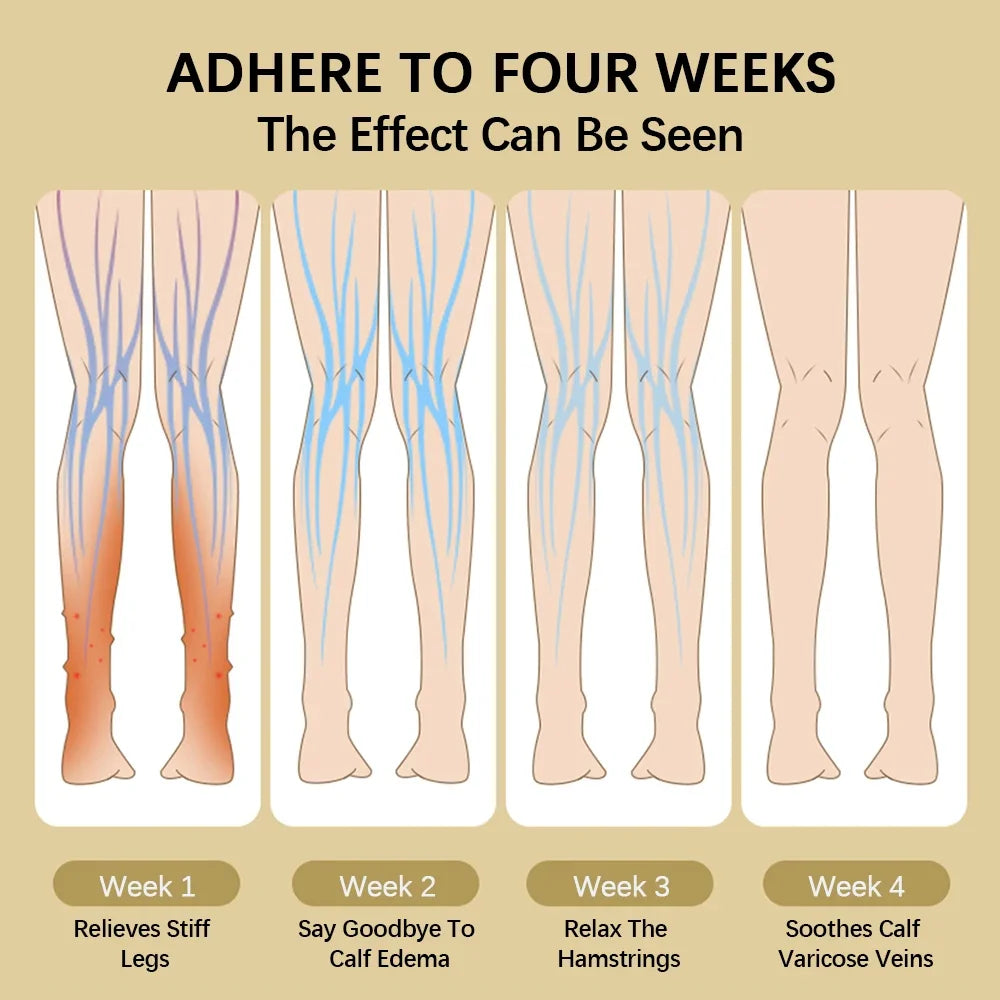
With consistent use, users often report improved comfort after work, exercise, or travel. Results vary depending on lifestyle and underlying causes of discomfort.
Pros and Cons of Air Compression Leg Massagers
- ✅ Supports circulation and recovery
- ✅ Helps reduce temporary swelling
- ✅ Adjustable intensity and modes
- ❌ Requires consistent use for noticeable benefits
- ❌ Higher initial cost than basic devices
Buying Guide: Choosing the Best Air Compression Leg Massager
Pressure levels
Look for adjustable settings to match different comfort needs.
Number of air chambers
More chambers generally provide smoother and more even compression.
Size and fit
Proper sizing ensures consistent pressure distribution and better comfort.
Corded vs cordless
Cordless models improve mobility, while corded devices may offer longer continuous operation.
Heat function
Heat can enhance comfort but should be used alongside appropriate compression settings.
Frequently Asked Questions
How often should I use an air compression massager for legs?
Most users benefit from 15–30 minutes daily, depending on comfort and manufacturer guidelines.
Is it safe for people with circulation issues?
It may be safe for many users, but individuals with vascular conditions should consult a healthcare professional first.
Can it replace professional massage therapy?
It can support daily recovery but does not replace professional treatment for chronic or medical conditions.
Does an air compression leg massager help with swollen legs?
It may temporarily reduce mild swelling caused by inactivity or exercise by supporting fluid movement.
Can an air compression leg massager prevent varicose veins?
There is no strong evidence that it prevents varicose veins, though it may improve temporary comfort.
Can I use it every day?
Yes, many healthy users can use it daily when following safety instructions and proper usage guidelines.
Related Articles:
- RLS leg massager: how it eases restless legs at night
- Massager for calf muscles: key benefits and hidden tech
Pillar Articles:













