

How to improve leg circulation quickly at home?
How to improve leg circulation starts with simple daily habits: move your legs every hour, elevate them for 10–15 minutes, stay hydrated, and use targeted tools like compression or massage devices. These steps support healthy blood flow, reduce temporary swelling, and help relieve tired legs at home without adding extra stress to your routine.
⏱ 7 min read
How to Improve Leg Circulation: Evidence-Based Ways to Improve Blood Flow Naturally
Wondering how to improve leg circulation without overhauling your already packed schedule? If you spend long hours standing, sitting, commuting, or caring for family members, your legs may feel heavy, swollen, or unusually tired by the end of the day.
Temporary circulation issues related to inactivity and daily habits are common. Fortunately, evidence-based lifestyle strategies—including movement, hydration, exercise, and recovery techniques—can help improve comfort, mobility, and overall leg health at home.
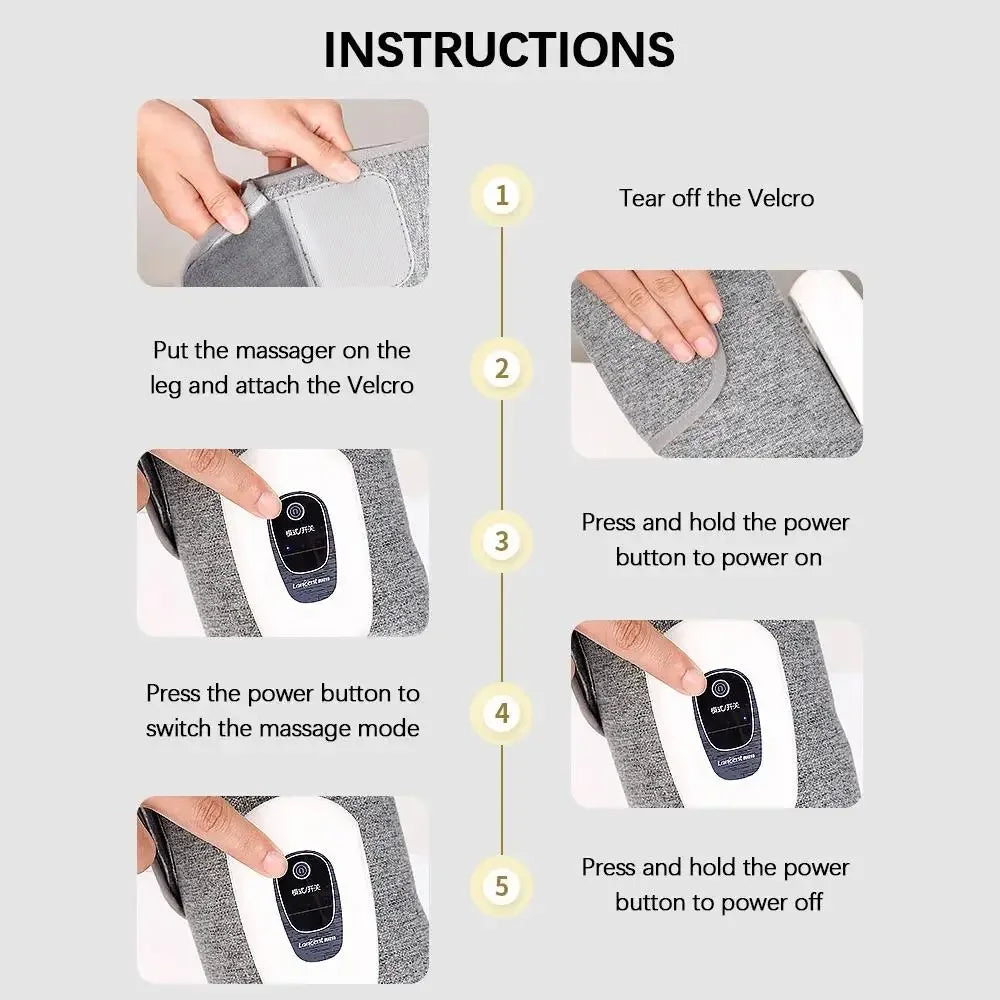
See it in action - how to improve leg circulation / ways parents can improve leg circulation, poor circulation in busy parents lifestyle, how to relieve tired legs at home
How to Improve Leg Circulation Quickly at Home
If your leg discomfort is related to prolonged sitting, standing, travel, or inactivity, several simple strategies may help improve blood flow and reduce temporary symptoms.
5 Immediate Steps You Can Try Today
- Walk for 5–10 minutes.
- Perform ankle pumps while sitting.
- Elevate your legs above heart level.
- Drink water if you've been dehydrated.
- Stretch your calves and hamstrings.
How Blood Circulation Works in Your Legs
Your circulatory system delivers oxygen and nutrients through arteries while veins return blood back to the heart. Because your legs sit below heart level, gravity makes it harder for blood to travel upward, especially after long periods of sitting or standing.
Arteries vs. Veins
Healthy arteries carry oxygen-rich blood into the legs, while veins rely on one-way valves and muscle contractions—especially from your calves—to push blood back toward the heart.
Why Blood Pools in the Lower Legs
When you stay still for too long, your calf muscles stop acting as an effective "pump." Blood may temporarily pool in the lower legs, causing heaviness, mild swelling, fatigue, or aching.
Temporary Poor Circulation vs. Vascular Disease
Tired legs after travel or prolonged sitting often improve with movement. Persistent pain, cold feet, skin color changes, slow-healing wounds, or severe swelling may indicate an underlying vascular condition that requires medical evaluation.
Poor Leg Circulation Symptoms: When Should You Be Concerned?
Poor circulation does not always produce obvious symptoms early on. Understanding the warning signs helps determine whether lifestyle changes may help or whether medical evaluation is appropriate.
Common Early Symptoms
- Tired or heavy legs
- Mild ankle swelling
- Cold feet
- Numbness or tingling
- Muscle cramps
- Leg discomfort after prolonged sitting
Warning Signs That Need Medical Care
- Severe leg pain while walking
- Foot wounds that heal slowly
- Blue or black skin discoloration
- Sudden swelling in one leg
- Chest pain or shortness of breath with leg swelling
What Causes Poor Leg Circulation?
Poor circulation may develop because of lifestyle habits, aging, or underlying health conditions. Identifying the cause helps determine the most effective treatment approach.
Lifestyle Factors
- Prolonged sitting
- Standing for many hours
- Physical inactivity
- Smoking
- Obesity
- Dehydration
Medical Conditions
- Peripheral artery disease
- Chronic venous insufficiency
- Diabetes
- High blood pressure
- Heart disease
- Varicose veins
Risk Factors You Can Control
Regular exercise, maintaining a healthy weight, controlling blood sugar, avoiding tobacco, and staying physically active may help reduce circulation-related risks over time.
How to Improve Leg Circulation Naturally
If your symptoms are related to inactivity or daily habits, consistent lifestyle changes are often the safest and most effective way to support healthy blood flow. Combining movement, hydration, nutrition, and recovery habits typically produces better results than relying on a single strategy.
Benefits You May Notice Over Time
- Reduced leg fatigue
- Less swelling
- Warmer feet
- Improved walking endurance
- Better recovery after standing
- Improved mobility
Exercises to Improve Leg Circulation
Regular muscle contractions help pump blood back toward the heart. Aim for at least 20–30 minutes of movement most days of the week.
Walking Routine
Walk at a comfortable pace for 20–30 minutes daily. Walking remains one of the most effective and accessible exercises for improving circulation.
Calf Raises
Perform 2–3 sets of 15 repetitions to activate the calf muscles and support venous return.
Ankle Pumps
Point and flex each foot for one minute every hour when sitting for extended periods.
Heel-Toe Rocking
Alternate between lifting your heels and toes for one to two minutes to stimulate lower-leg muscles.
Stretching for Tight Calves and Hamstrings
Hold each stretch for 20–30 seconds without bouncing to maintain flexibility and reduce muscle tension.
Daily Habits That Improve Leg Circulation
Move Every 30–60 Minutes
Stand, stretch, or walk briefly throughout the day to activate your calf muscles.
Elevate Your Legs Properly
Raise your legs above heart level for 15–20 minutes whenever possible.
Stay Hydrated
Proper hydration supports healthy blood volume and circulation.
Avoid Tight Clothing
Restrictive garments around the waist or thighs may contribute to discomfort and reduced circulation.
Maintain a Healthy Weight
Reducing excess body weight decreases pressure on blood vessels.
Quit Smoking
Smoking damages blood vessels and negatively affects circulation over time.
Wear Supportive Footwear
Comfortable footwear encourages natural movement and healthy walking mechanics.
Foods That Improve Leg Circulation
No single food instantly improves circulation, but balanced nutrition supports cardiovascular and vascular health.
Nitrate-Rich Vegetables
Beets, spinach, and arugula help support nitric oxide production, which contributes to healthy blood vessel function.
Omega-3 Fats
Fatty fish, walnuts, and flaxseed support cardiovascular health.
High-Fiber Foods
Whole grains, legumes, fruits, and vegetables support healthy cholesterol levels.
Staying Hydrated
Adequate fluid intake helps maintain healthy blood volume throughout the day.
How to Relieve Tired Legs at Home
Quick Relief in 10–20 Minutes
- Walk for five minutes.
- Elevate your legs.
- Perform ankle pumps.
- Stretch your calves.
- Drink water.
Recovery After Standing or Sitting All Day
Gentle movement, compression socks when recommended by a healthcare provider, and light massage may help reduce temporary discomfort and heaviness.
Natural Methods vs Device-Based Solutions
Lifestyle Changes
Exercise and daily movement remain the foundation of healthy circulation support.
Compression Socks
Compression garments may help some individuals reduce temporary swelling and leg fatigue.
Leg Massagers
Massage and compression devices may provide temporary comfort for tired legs and can complement healthy habits.
When Devices Are Most Helpful
Recovery devices are often most beneficial after prolonged standing, travel, exercise, or long workdays.
| Method | Advantages | Limitations |
|---|---|---|
| Walking & Exercise | Evidence-based, inexpensive, accessible | Requires consistency |
| Leg Elevation | Fast temporary relief | Short-term effect |
| Compression Socks | May reduce swelling | Not suitable for everyone |
| Wireless Leg Massager | Convenient recovery support | Should complement healthy habits |
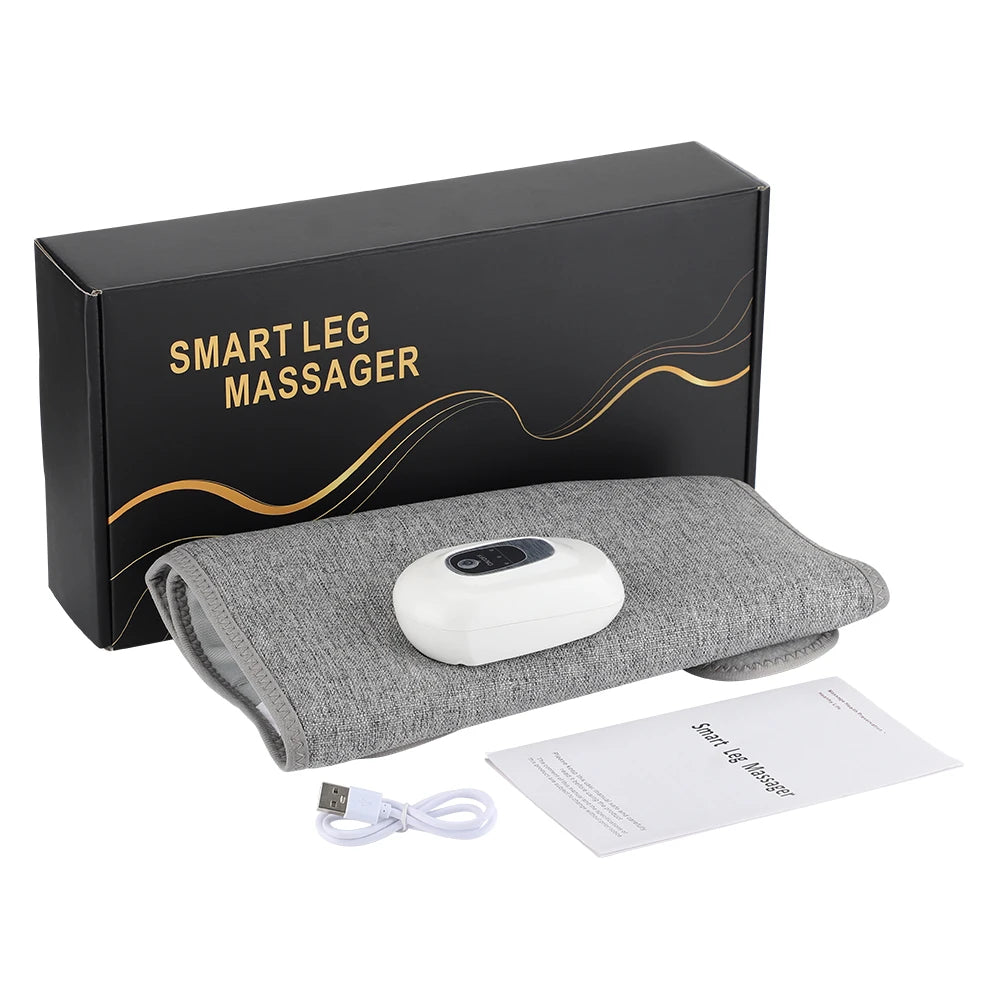
See it in action - how to improve leg circulation / ways parents can improve leg circulation, poor circulation in busy parents lifestyle, how to relieve tired legs at home
Step-by-Step Daily Routine to Improve Leg Circulation
Morning
- Take a 5-minute walk
- Perform calf stretches
- Drink water
During Work
- Stand every hour
- Perform ankle pumps
- Take short walking breaks
Evening Recovery
- Walk after dinner
- Elevate your legs
- Perform gentle stretching
How This Wireless Leg Massager Fits Into a Healthy Circulation Routine
The wireless leg massager for calf relief can be used as part of a broader recovery and wellness routine.
Who Benefits Most
People experiencing temporary leg fatigue after travel, prolonged standing, exercise, or long workdays may find massage devices helpful for comfort and recovery.
What It Cannot Replace
A leg massager should not replace exercise, medical treatment, or evaluation of persistent circulation problems.
Real User Experience
Many users report temporary relief from heaviness and muscle fatigue, although individual results vary depending on activity levels and underlying health conditions.
- While watching TV
- Before bed
- After long workdays
Pair it with products from Body Care and Health Devices for a complete recovery system.
Common Mistakes That Slow Circulation Progress
Sitting Too Long
Remaining seated for several hours reduces calf muscle activity and slows blood return from the legs.
Ignoring Underlying Conditions
Persistent symptoms should be evaluated medically rather than managed solely with home remedies.
Expecting Overnight Results
Meaningful improvements typically require consistent healthy habits over weeks or months.
How Long Does It Take to Improve Leg Circulation?
Short-Term Changes
Walking, stretching, hydration, and leg elevation may relieve temporary heaviness within minutes to hours.
Long-Term Improvements
Regular exercise, healthy eating, weight management, and daily movement habits often produce noticeable improvements over several weeks.
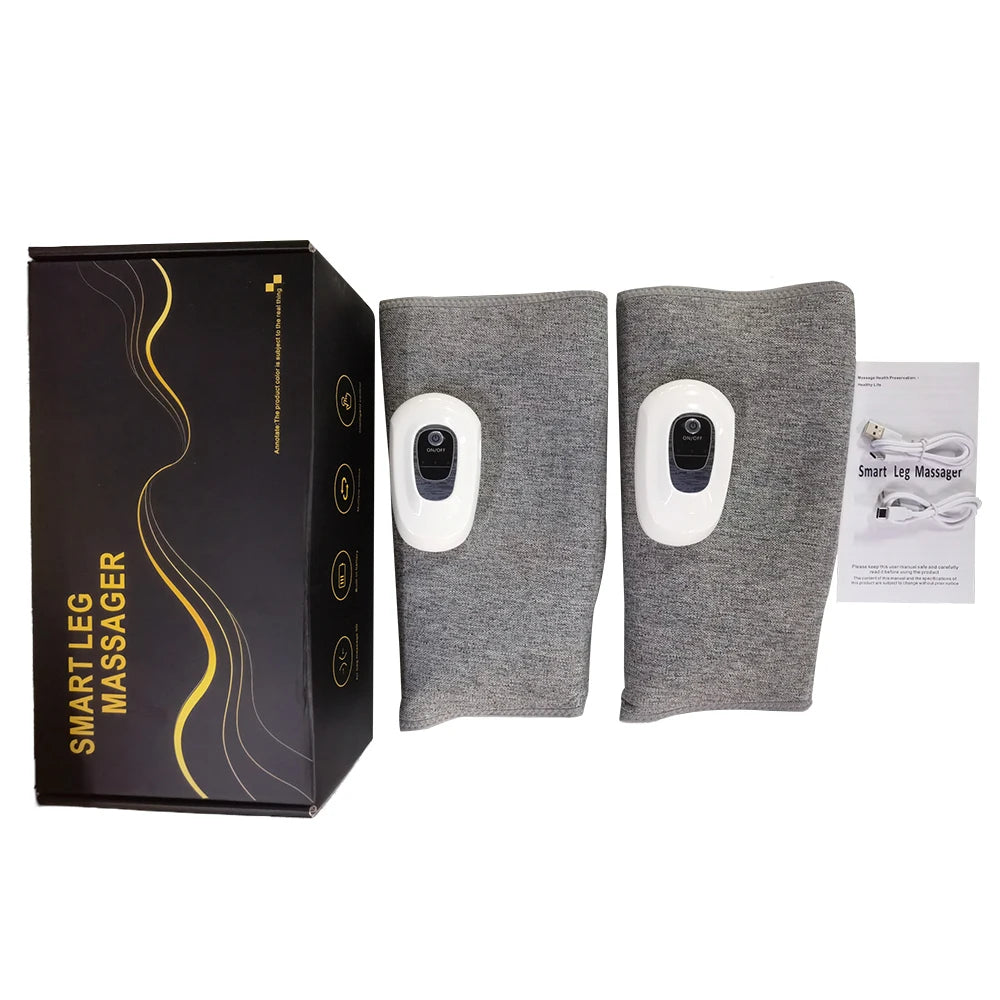
See it in action - how to improve leg circulation / ways parents can improve leg circulation, poor circulation in busy parents lifestyle, how to relieve tired legs at home
When to See a Doctor About Poor Leg Circulation
Home strategies work best for temporary circulation issues. Persistent or worsening symptoms require professional evaluation.
Symptoms That Should Never Be Ignored
- Sudden severe swelling
- Persistent leg pain
- Skin ulcers
- Cold or pale feet
- Difficulty walking because of pain
Tests Your Doctor May Recommend
Depending on your symptoms, your healthcare provider may recommend blood pressure measurements in the legs, ultrasound imaging, or additional vascular testing.
Frequently Asked Questions
What causes poor circulation in the legs?
Common causes include inactivity, smoking, diabetes, obesity, peripheral artery disease, and chronic venous insufficiency.
How can I improve circulation in my legs naturally?
Regular walking, stretching, hydration, weight management, and avoiding prolonged sitting are among the most effective lifestyle strategies.
What exercises improve leg circulation?
Walking, calf raises, ankle pumps, and stretching all encourage healthy blood flow.
What foods improve leg circulation?
A diet rich in vegetables, fruits, whole grains, omega-3 fats, and adequate fluids supports cardiovascular health.
Can massage improve circulation?
Massage may temporarily improve comfort and stimulate local blood flow, but it does not treat underlying vascular disease.
Can dehydration affect circulation?
Yes. Inadequate hydration may reduce blood volume and contribute to fatigue or dizziness.
Does walking improve circulation?
Yes. Walking activates the calf muscles, which help return blood from the legs back to the heart.
Related Articles:
- Massage legs machine: how to use it for daily relief
- Do calf compression sleeves work? step-by-step guide
- How to loosen tight calves muscles: quick relief steps
- How to reduce swelling in legs: easy home fixes guide
Pillar Articles:













