

Do At Home Red Light Therapy Devices Really Work?
Yes. At home red light therapy devices can be effective when they deliver clinically relevant wavelengths, provide sufficient light intensity (irradiance), and are used consistently. Most quality devices emit red light between 630–660nm and near-infrared light between 810–880nm , wavelengths commonly studied for supporting skin rejuvenation, reducing inflammation, improving circulation, and promoting muscle recovery.
Scientific Evidence Summary
Red light therapy, also known as photobiomodulation, works by stimulating the mitochondria—the energy-producing structures inside cells. Increased cellular energy (ATP production) helps support normal tissue repair and healthy inflammatory responses. Clinical studies suggest regular treatment may help:
- ✅ Stimulate collagen and elastin production for firmer-looking skin
- ✅ Improve the appearance of fine lines and wrinkles over time
- ✅ Reduce temporary muscle soreness after exercise
- ✅ Support circulation and recovery in targeted treatment areas
- ✅ Minimize visible redness and improve overall skin tone
Although many users experience noticeable improvements, results vary depending on the device quality, treatment consistency, skin condition, and individual response. Red light therapy is not an instant solution, but it can become an effective long-term addition to a skincare or recovery routine.
Expected Results Timeline
If you're wondering are at home red light therapy devices effective , consistency is the biggest factor. Most people follow a schedule of three to five sessions per week.
- Weeks 1–2: Skin may appear calmer and feel smoother while post-workout recovery may improve.
- Weeks 3–4: Early improvements in skin texture, brightness, and fine lines often become noticeable.
- Weeks 6–12: Continued use may produce more visible collagen-related benefits and longer-lasting improvements in skin appearance and targeted pain relief.
Realistic red light therapy before and after results develop gradually rather than overnight, making regular use more important than occasional longer sessions.
At Home Red Light Therapy Devices: Which Brand Wins
At home red light therapy devices have made professional-style light therapy more accessible than ever. Whether your goal is healthier-looking skin, faster workout recovery, or targeted pain relief, choosing the best red light therapy device for home use depends on understanding how different device types perform. This guide explains the science, compares popular options, and helps you decide whether a full-size panel, facial mask, or at home red light therapy machine handheld best fits your needs.
⏱ 5 min read
If you've spent money on skincare products or recovery tools with disappointing results, you're not alone. Many treatments require ongoing appointments or deliver only modest improvements.
The right red light therapy device can provide a convenient, non-invasive option for consistent treatments from home.
Curious which device actually delivers visible results?
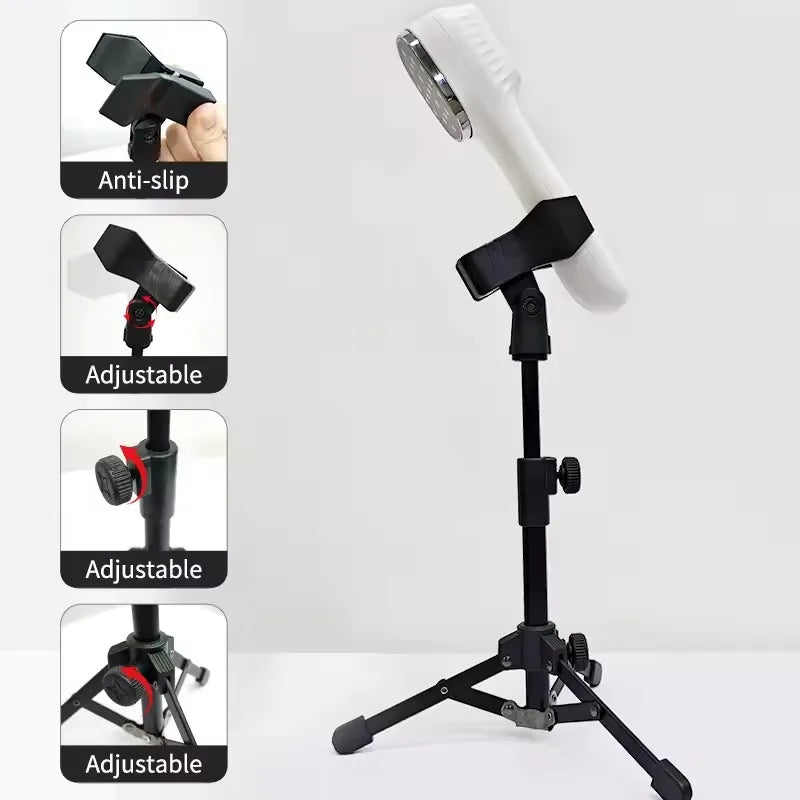
Explore powerful at home red light therapy devices for glowing skin. See it in action.
How Red Light Therapy Improves Skin, Pain, and Recovery
Red light therapy at home devices deliver concentrated wavelengths of red and near-infrared light that penetrate different tissue depths. Red wavelengths primarily benefit the skin's surface, while near-infrared light reaches deeper tissues such as muscles and joints. Together, they support cellular repair by increasing ATP production inside mitochondria.
Recommended Wavelengths
- 630–660nm: Best suited for skin rejuvenation, collagen production, and improving skin tone.
- 810–880nm: Better for deeper tissues, muscle recovery, joint comfort, and circulation support.
Many premium red light therapy devices for face and body combine both wavelength ranges to provide broader treatment benefits.
Panels vs Handheld Devices
A home red light therapy panel treats larger areas efficiently, making it ideal for full-body sessions. In contrast, handheld devices concentrate light onto smaller treatment zones, allowing precise application to the face, neck, shoulders, knees, or other targeted areas.
- ✅ Encourages collagen production for smoother, firmer-looking skin
- ✅ Supports temporary relief from inflammation and muscle soreness
- ✅ Promotes faster recovery after physical activity
- ✅ Helps improve uneven skin tone and the appearance of dark spots
Unlike invasive cosmetic procedures, red light therapy is non-invasive, painless, and suitable for long-term use when the manufacturer's instructions are followed.
How to Choose the Best Red Light Therapy Device for Home Use
The best red light therapy device for home use depends on your treatment goals, available space, budget, and how frequently you plan to use it. Understanding the strengths of each device category helps you invest in the option that matches your lifestyle.
Panels for Full-Body Coverage
- Best for: Full-body treatments, athletes, chronic muscle recovery, and joint support.
- Advantages: Large treatment area, higher total light output, shorter overall treatment time.
- Considerations: Higher cost, larger footprint, and less portability.
Masks for Facial Treatments
- Best for: Anti-aging routines, acne management, and facial skin rejuvenation.
- Advantages: Hands-free use and even facial coverage.
- Considerations: Designed primarily for the face and not suitable for larger body areas.
Handheld Devices for Flexibility
- Best for: Targeted treatments, travel, beginners, and affordability.
- Advantages: Lightweight, portable, versatile, and easy to store.
- Considerations: Smaller treatment window means longer sessions for larger areas.
Key Buying Criteria
- Choose devices offering clinically relevant wavelengths between approximately 630–660nm and 810–880nm.
- Look for adequate irradiance rather than relying on LED count alone.
- Match the treatment area to your primary goal—full body versus targeted therapy.
- Consider portability if you travel or have limited space.
- Review warranty coverage, build quality, customer support, and applicable safety certifications before purchasing.
Selecting the right device based on your personal goals will generally produce better long-term satisfaction than simply choosing the most expensive model.
What Real Users Say: Red Light Therapy Device Reviews and Results
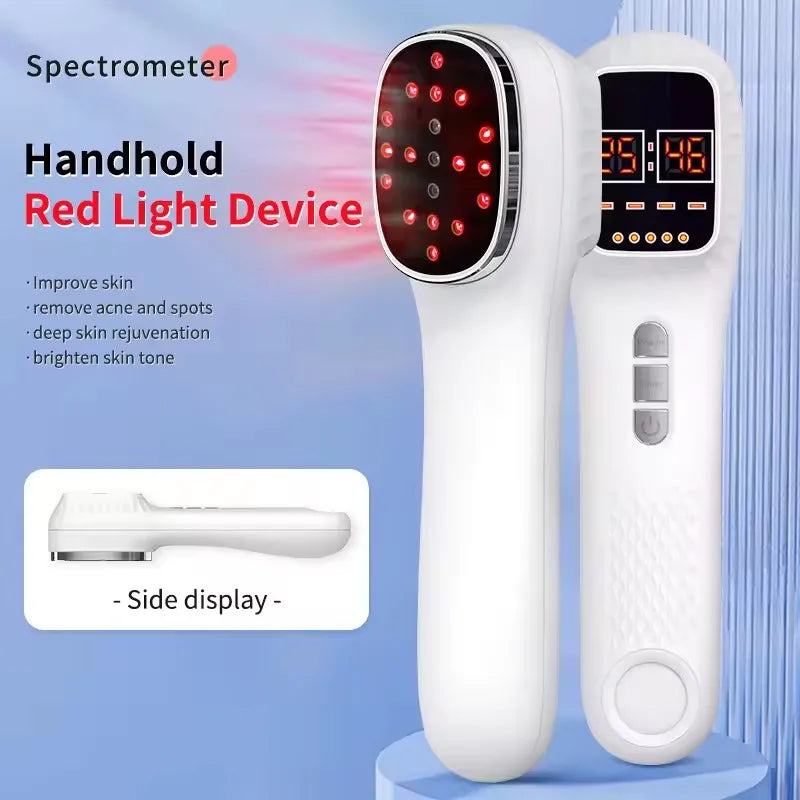
Real red light therapy device reviews and results. See it in action.
Consistent use is one of the strongest predictors of success with at home red light therapy devices. While individual outcomes vary based on age, skin condition, treatment goals, and device quality, many users report gradual improvements after several weeks of following the recommended treatment schedule.
- Week 1–2: Skin may feel smoother with reduced temporary redness, while sore muscles often recover more comfortably after exercise.
- Week 3–4: Many users notice brighter skin, improved texture, and softening of fine lines as collagen production increases over time.
- Week 5 and beyond: Continued use may improve skin firmness, overall radiance, and provide ongoing support for muscle and joint recovery.
Customer testimonial:
"I tried multiple creams with no success. After using a handheld red light therapy device consistently, my skin looks brighter and my shoulder pain is gone."
This experience reflects a common pattern seen in red light therapy device reviews and results: meaningful improvements usually come from regular sessions over several weeks rather than occasional treatments.
How to Use Red Light Therapy at Home for Best Results
Treatment Schedule
- Cleanse the treatment area and remove makeup, sunscreen, or heavy skincare products when treating the face.
- Position the at home red light therapy machine handheld approximately 2–6 inches from the target area unless your device recommends otherwise.
- Use the device for 10–15 minutes per treatment area.
- Repeat treatments 3–5 times each week for at least four weeks before evaluating results.
- Continue regular maintenance sessions to support long-term benefits.
Consistency is far more effective than increasing treatment duration. Following the manufacturer's recommended schedule helps maximize benefits while minimizing unnecessary exposure.
Safety Tips
- Use the device according to the manufacturer's instructions.
- Avoid staring directly into high-intensity LEDs unless appropriate eye protection is recommended.
- Keep the treatment surface clean to maintain consistent performance.
- Stop use if unusual irritation develops and consult a healthcare professional if symptoms persist.
Common Mistakes
- Skipping treatments and expecting rapid results.
- Holding the device too far away, reducing light intensity.
- Using sessions that are significantly longer than recommended.
- Purchasing devices based solely on LED count instead of wavelength, irradiance, and build quality.
Want step-by-step guidance and expert tips?
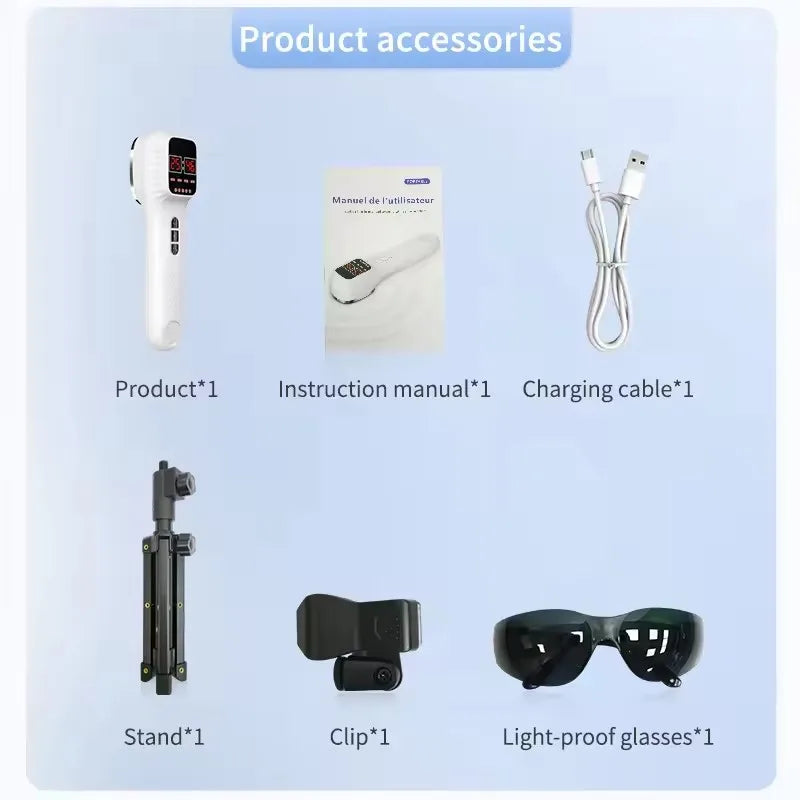
Best red light therapy device for home use. See it in action.
Ready to experience targeted red light therapy at home?
Frequently Asked Questions
How long does it take to see results?
Many users notice smoother skin, reduced redness, or improved recovery within 2–4 weeks when treatments are performed consistently. More noticeable improvements in skin texture, fine lines, and overall appearance often develop after 6–12 weeks of regular use.
Is red light therapy safe for daily use?
Most quality home devices are designed for frequent use when operated according to the manufacturer's instructions. Follow the recommended treatment duration rather than increasing exposure time, and discontinue use if unexpected irritation occurs.
Can I use it on different parts of my body?
Yes. Many handheld devices are suitable for treating the face, neck, shoulders, back, knees, elbows, and other targeted areas. Larger home red light therapy panels are generally preferred when treating broader areas of the body.
Is a handheld device as effective as a panel?
For localized treatments, a handheld device can be highly effective because it concentrates light on a specific area. A home red light therapy panel is typically the better choice for full-body sessions or when treating multiple large muscle groups at once.
What wavelength is best for home use?
Devices that combine red light around 630–660nm with near-infrared light between approximately 810–880nm offer the greatest versatility. Red wavelengths primarily support skin health, while near-infrared light penetrates deeper tissues for muscles and joints.
How far should I sit from a red light therapy panel?
The ideal distance depends on the panel's irradiance and manufacturer recommendations. Many full-size panels are designed to be used from approximately 6–18 inches away, while handheld devices are commonly positioned closer to the treatment area.
Can I use red light therapy with skincare products?
Yes. Most people perform treatments on clean skin and apply moisturizers or other skincare products afterward. If you use prescription topical medications or photosensitizing ingredients, consult your healthcare provider before combining them with light therapy.
How do I compare irradiance between devices?
Irradiance measures how much light energy reaches the treatment area. Compare measurements taken at the same testing distance rather than relying solely on LED count or power consumption. Reputable manufacturers clearly state their testing methodology and recommended treatment distance.
Pillar Article: Best Handheld Red Light Therapy Device: Full Brand Review
Other Related Articles:
Explore More:













