

Does infrared therapy for muscle stiffness really work?
Infrared therapy may help relieve muscle stiffness by delivering gentle heat that penetrates beneath the skin, increasing local blood flow and promoting muscle relaxation. Many people experience temporary relief from tight muscles, post-exercise soreness, and chronic tension after regular treatment.
Current research suggests infrared therapy can reduce pain and improve mobility for some individuals, especially when combined with stretching, exercise, or physical therapy. However, results vary depending on the underlying cause of stiffness, treatment consistency, and the type of infrared device used.
Infrared therapy is most effective as part of a broader recovery strategy rather than a standalone cure. For persistent pain, evaluation by a healthcare professional remains important.
⏱ 7 min read
Infrared Therapy for Muscle Stiffness: Does It Work for Pain Relief and Recovery?
Infrared therapy for muscle stiffness has gained popularity among athletes, office workers, and people dealing with chronic muscle tension. By delivering therapeutic heat and, in some devices, near-infrared light energy, infrared therapy may help reduce discomfort, improve circulation, and support recovery. But how effective is it compared with traditional recovery methods, and who benefits most from using it?
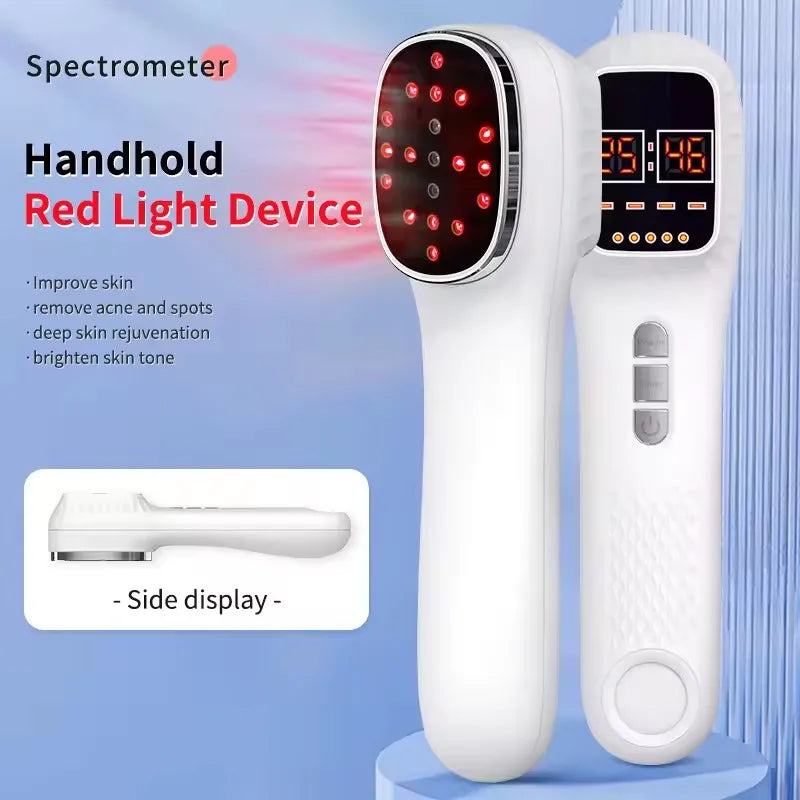
Infrared therapy may help reduce muscle stiffness and support recovery when used consistently
Can infrared heat really help loosen tight muscles and improve recovery? Let's examine what current evidence and clinical experience suggest.
How infrared therapy works inside muscle tissue
How infrared energy reaches muscles
Unlike conventional heating pads that primarily warm the skin surface, infrared energy can penetrate several millimeters beneath the skin, delivering therapeutic heat to soft tissues. This deeper warming effect may help relax muscle fibers and temporarily reduce stiffness.
Effects on circulation and oxygen delivery
Infrared heat therapy increases blood vessel dilation, which improves circulation to treated tissues. Enhanced blood flow helps deliver oxygen and nutrients while supporting the removal of metabolic byproducts associated with exercise and muscle fatigue.
How infrared therapy may reduce inflammation
Some studies suggest infrared exposure may influence inflammatory pathways involved in pain and muscle recovery. Although evidence remains stronger for symptom relief than structural tissue healing, reduced inflammation may contribute to improved comfort and mobility.
Difference between thermal effects and cellular effects
Traditional far-infrared therapy primarily works through heat. Red and near-infrared photobiomodulation therapies may also influence mitochondrial activity and cellular energy production. Many modern recovery devices combine both mechanisms depending on their wavelength range.
For additional recovery strategies, see our guide on how to relieve muscle soreness fast with simple daily steps .
What does the research say about infrared therapy for muscle pain?
Clinical evidence for muscle stiffness
Research suggests infrared therapy may help reduce muscle soreness, improve flexibility, and temporarily decrease stiffness following exercise or repetitive strain. Benefits appear modest but clinically meaningful for many individuals.
Evidence for chronic neck and shoulder tension
Several clinical studies have reported improvements in pain scores and neck mobility among individuals receiving infrared heat therapy as part of broader rehabilitation programs.
Does red light therapy actually work? What studies show
Photobiomodulation research indicates that red and near-infrared wavelengths may support muscle recovery by enhancing cellular energy production and reducing oxidative stress. Evidence appears strongest for exercise recovery rather than severe musculoskeletal disorders.
Current limitations of research
Existing studies vary significantly in treatment protocols, wavelengths, treatment duration, and patient populations. More large-scale, long-term clinical trials are needed to establish standardized treatment recommendations.
Learn more in our evidence review: Does Red Light Therapy Work? Honest Comparison Guide .
Who benefits most from infrared therapy?
- People with chronic neck and shoulder tension from prolonged computer work
- Athletes recovering from strenuous exercise
- Individuals with mild muscle stiffness after physical activity
- Older adults experiencing age-related muscle tightness
- People with recurring muscular discomfort caused by poor posture
Infrared therapy is generally most effective for muscular stiffness rather than pain caused by fractures, nerve compression, infections, or severe joint disease.
For related conditions, explore our educational content on chronic muscle and joint discomfort management.
Infrared therapy vs other treatments for muscle stiffness
Infrared therapy vs traditional heat therapy
Both methods provide warmth, but infrared therapy may deliver heat deeper into soft tissues, while conventional heating pads primarily warm the skin surface.
Infrared therapy vs massage
Massage physically manipulates muscles and connective tissue, whereas infrared therapy primarily promotes relaxation through heat and improved circulation. Many individuals combine both approaches.
Infrared therapy vs stretching
Stretching directly improves flexibility and mobility. Infrared therapy may help prepare muscles for stretching by reducing stiffness and increasing comfort during movement.
See our recovery and stretching recommendations for additional guidance.
Infrared therapy vs physical therapy
Physical therapy addresses underlying movement dysfunction and rehabilitation goals, while infrared therapy functions primarily as a supportive modality for symptom management.
Infrared therapy vs red light therapy
Infrared heat focuses mainly on tissue warming and circulation, whereas red and near-infrared photobiomodulation therapies target cellular mechanisms involved in tissue repair and recovery. Some devices combine both technologies.
Choosing the best infrared therapy device
Handheld infrared lamps
Handheld devices are ideal for localized treatment areas such as the neck, shoulders, knees, elbows, and lower back.
- ✓ Portable and easy to use
- ✓ Suitable for home treatment
- ✓ Effective for targeted muscle stiffness
For many users, a handheld red light therapy device offers a practical balance between convenience and therapeutic potential.
Infrared panels
Panels are better suited for treating larger muscle groups or supporting full-body recovery sessions.
Wearable infrared wraps
Wearable devices provide hands-free treatment and may improve convenience for regular use.
Features that actually matter
- Appropriate therapeutic wavelengths
- Sufficient treatment coverage
- Safety certifications
- Adjustable timer settings
- Manufacturer reliability and warranty
For a practical home option, consider this LED infrared therapy device for muscle recovery .
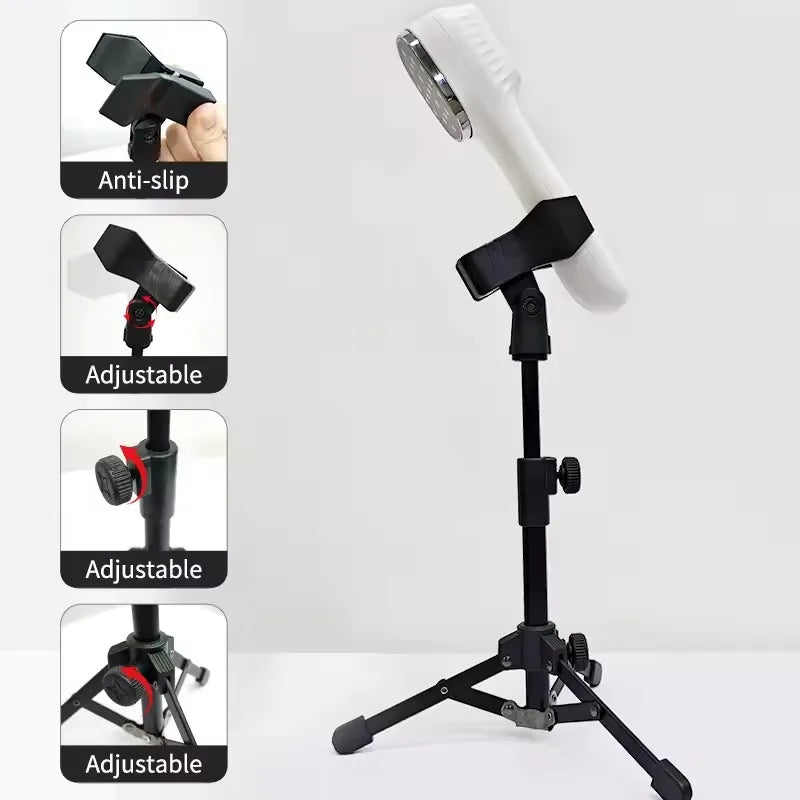
Portable infrared devices can support muscle recovery and daily wellness routines
For additional guidance, review our Best Home Red Light Therapy Devices Compared for Results .
How to use an infrared lamp for muscle pain safely
- Position the device according to manufacturer instructions.
- Keep the treatment area clean and dry.
- Treat the affected area for approximately 15–20 minutes.
- Repeat three to five times weekly unless advised otherwise.
- Maintain adequate hydration.
- Combine treatment with stretching and mobility exercises.
Common mistakes to avoid
- Holding the device too close to the skin
- Using excessively long sessions
- Treating infected or damaged skin
- Ignoring worsening symptoms
Expected treatment timeline
Some individuals experience temporary relaxation after a single session. More sustained improvements in muscle stiffness generally require several weeks of consistent use.
Learn more about inflammation and recovery management strategies in our educational guides.
Realistic results: What improvements should you expect?
Infrared therapy typically produces gradual improvements rather than immediate cures. Many users report temporary muscle relaxation after individual sessions, while more meaningful reductions in stiffness may occur after several weeks of consistent treatment.
- Reduced muscle tightness
- Improved flexibility
- Better range of motion
- Reduced post-exercise soreness
- Improved comfort during daily activities
If symptoms continue worsening despite regular treatment, medical evaluation may be necessary to identify underlying causes.
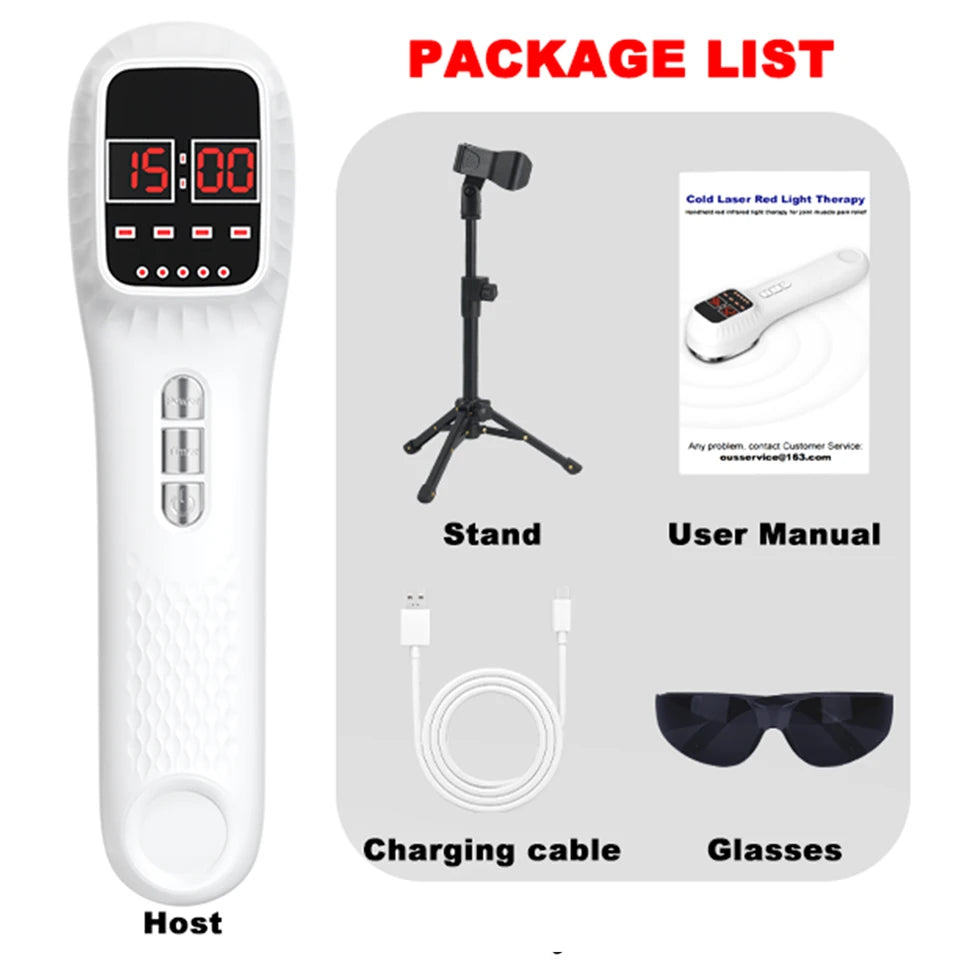
Consistent treatment may gradually improve muscle flexibility and comfort
Who should avoid infrared therapy?
- People with reduced heat sensation or severe neuropathy
- Individuals with active skin infections or open wounds
- Areas with recent bleeding or acute injury unless medically advised
- People with certain implanted medical devices when contraindications exist
Pregnant individuals and those with significant medical conditions should consult a healthcare professional before starting infrared therapy.
When muscle stiffness needs medical evaluation
Seek medical assessment if muscle stiffness is accompanied by:
- Severe swelling
- High fever
- Progressive weakness
- Numbness or tingling
- Loss of bladder or bowel control
- Persistent symptoms lasting several weeks despite home treatment
These symptoms may indicate conditions requiring medical diagnosis beyond conservative home therapies.
Frequently Asked Questions
Does infrared therapy work for muscle pain?
Research suggests infrared therapy can temporarily reduce muscle pain and stiffness for many individuals, particularly when combined with exercise and rehabilitation.
How long does infrared therapy take to reduce stiffness?
Some people notice temporary relaxation after one session, while longer-lasting improvements generally require several weeks of regular treatment.
Can I use an infrared lamp every day?
Many devices are designed for regular use, but users should follow manufacturer recommendations and avoid excessive heat exposure.
Is infrared therapy better than heating pads?
Infrared therapy may provide deeper tissue warming, while heating pads primarily warm the skin surface. Both can help relieve temporary muscle stiffness.
Can infrared therapy reduce inflammation?
Some evidence suggests infrared therapy may help reduce inflammatory responses, although results vary depending on the condition being treated.
Is infrared therapy safe for chronic neck and shoulder tension?
Many individuals use infrared therapy as part of a broader treatment plan for chronic neck and shoulder tension, often alongside stretching and ergonomic improvements.
How long should an infrared therapy session last?
Most home sessions last between 15 and 20 minutes unless otherwise recommended by the device manufacturer or healthcare provider.
Pillar Article: Best Home Red Light Therapy Devices Compared for Results
Other Related Articles:
- Does Red Light Therapy Work? Honest Comparison Guide
- Best Portable Red Light Therapy Devices 2026 Ranked
- Best Red Light Therapy for Muscles: Which Works Faster
- Portable Red Light Therapy: Top Picks for Travel & Gym
Explore More:













