

Does Red Light Therapy Really Work? (What Science Says)
What is red light therapy?
Red light therapy (RLT), also known as photobiomodulation, uses low-level wavelengths of red and near-infrared light to stimulate cellular activity. Unlike UV light, it does not damage the skin, making it suitable for repeated use.
How it works at the cellular level
Red light penetrates the skin and is absorbed by mitochondria, the energy centers of cells. This process increases ATP (adenosine triphosphate) production, which fuels cellular repair, reduces inflammation, and enhances tissue regeneration.
What clinical studies actually show
Research suggests that red light therapy can improve skin texture, reduce inflammation, and support muscle recovery. Studies show moderate but consistent benefits when used regularly over several weeks. However, results vary depending on wavelength, device quality, and treatment consistency.
Is Red Light Therapy Worth It? Real Results, Science & Cost Breakdown (2026 Update)
Red light therapy is worth it for many users when used consistently. It can improve skin tone, reduce inflammation, and support recovery over time. Most people see noticeable results within 4–8 weeks, making it a practical at-home alternative to expensive treatments.
Tired of expensive treatments that promise glowing skin or faster recovery but deliver little? Red light therapy has quickly become one of the most talked-about at-home solutions—but does it actually live up to the hype? Let’s explore real results, honest reviews, and whether it’s truly worth your investment.
⏱ 5 min read
Explore practical solutions inside Body Care and Health Devices
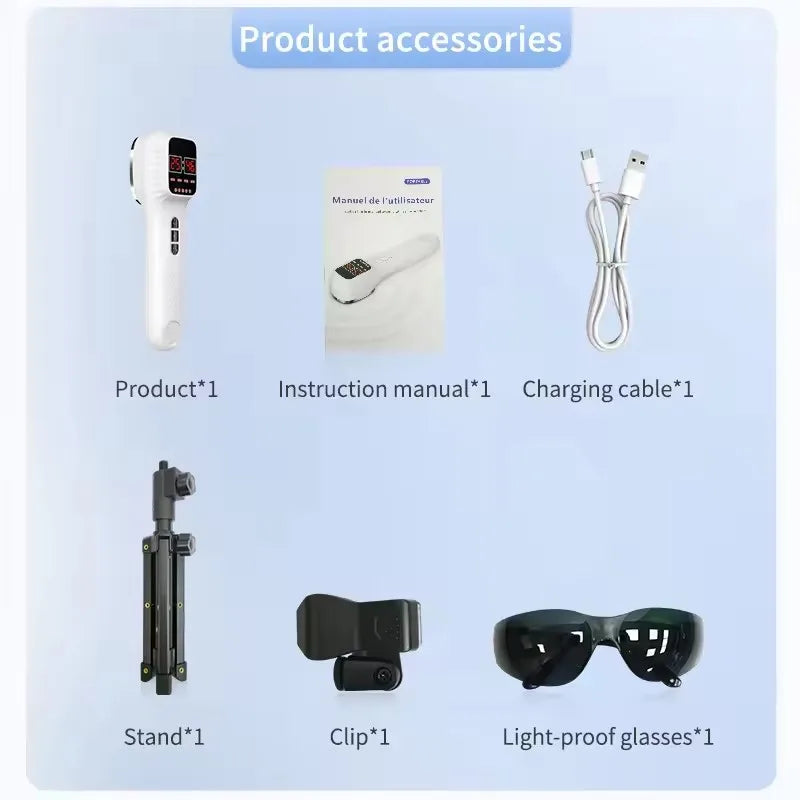
Real users testing results — does red light therapy actually work studies say yes See it in action
Still unsure? What if smoother skin and faster recovery didn’t require expensive spa visits or complicated routines?
Is Red Light Therapy Worth It?
Yes—when used consistently, red light therapy can improve skin tone, reduce fine lines, and support muscle recovery. It works best as a long-term routine rather than a quick fix.
- Visible skin smoothing within 3–6 weeks
- Reduced soreness after workouts
- More even skin tone and glow
- Improved recovery from fatigue and tension
Try the handheld red light therapy device designed for easy daily use
Red Light Therapy Benefits: What Results Can You Expect?
Skin improvements (anti-aging, acne, collagen)
Red light therapy stimulates collagen production, helping reduce fine lines, improve elasticity, and support clearer skin by calming inflammation.
Pain relief and reduced inflammation
It helps reduce joint discomfort, stiffness, and inflammation by improving circulation and accelerating natural healing processes.
Muscle recovery effectiveness
Users report faster recovery, reduced soreness, and improved endurance when used consistently after workouts.
Hair growth and other emerging uses
Some evidence suggests benefits for hair regrowth and wound healing, though results vary and are less consistent than skin and recovery benefits.
Red Light Therapy Before and After: Realistic Results Timeline
Week-by-week expectations
Subtle improvements often appear within 2–4 weeks, such as smoother skin or reduced soreness. More visible results typically develop after 6–12 weeks of consistent use.
What affects your results
Device quality, wavelength, consistency, and lifestyle factors like sleep and diet all influence outcomes.
Common misconceptions
Red light therapy is not instant. It works gradually by enhancing natural repair processes, not by producing overnight transformations.
Is Red Light Therapy Legit or Overhyped?
What it does well
It effectively improves skin quality, reduces inflammation, and supports recovery when used consistently.
Where claims are exaggerated
Claims about rapid fat loss or instant anti-aging are overstated. Results require time and consistency.
Expert consensus
Experts agree red light therapy is evidence-backed but not a miracle solution. It works best as part of a broader routine.
How Red Light Therapy Delivers Results (Mechanism Explained Simply)
Red light therapy energizes cells by boosting mitochondrial activity. This increases energy production, helping cells repair damage, produce collagen, and reduce inflammation.
Over time, this leads to smoother skin, faster recovery, and reduced discomfort.
How This Therapy Speeds Up Muscle Recovery
Red light therapy for muscle recovery effectiveness includes:
- Reduced inflammation after exercise
- Faster tissue repair
- Less delayed onset muscle soreness (DOMS)
- Improved endurance over time
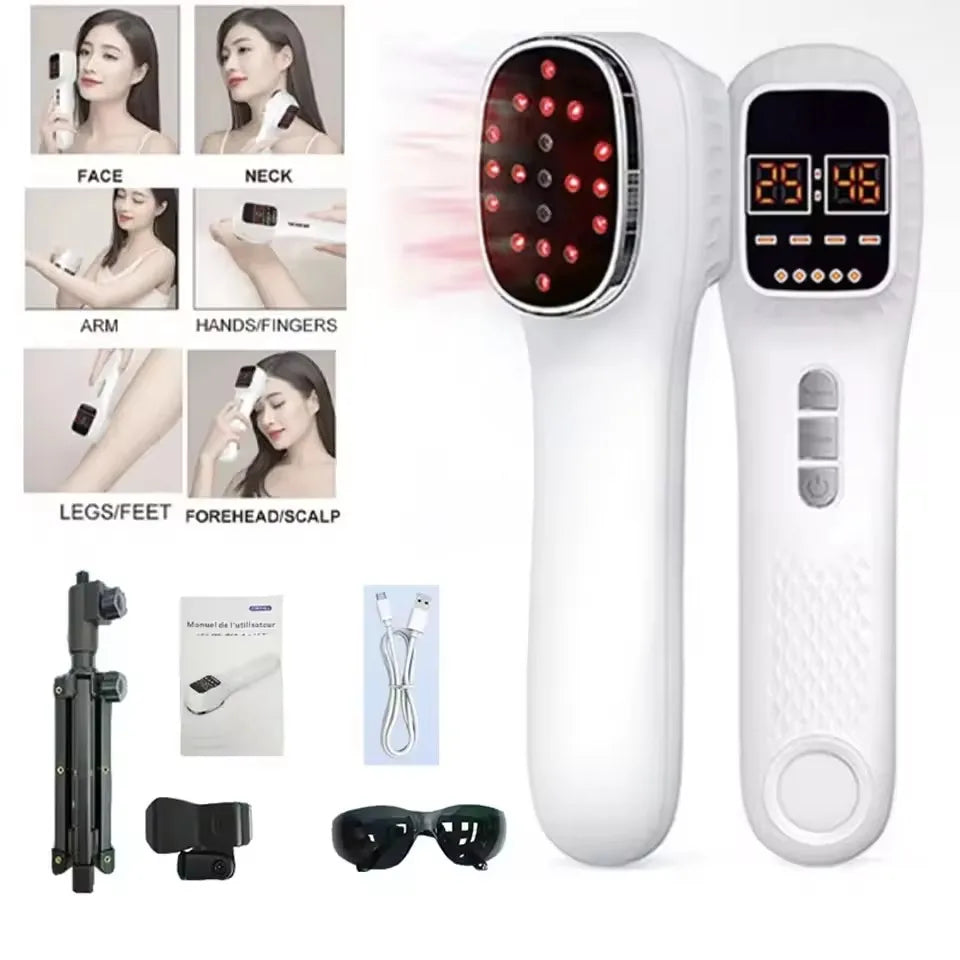
Recovery benefits explained — red light therapy for muscle recovery effectiveness See it in action
How It Helps Reverse Skin Aging from Stress Exposure
Stress-related skin aging leads to dullness, wrinkles, and inflammation. Red light therapy helps restore balance by boosting collagen and calming irritation.
- Plumper, firmer skin
- Reduced redness
- Healthier glow
Explore more solutions in Skin and Beauty Care Devices for a complete skincare routine.
Who Should Use Red Light Therapy (And Who Should Skip It)
Best for:
- People improving skin gradually
- Athletes seeking faster recovery
- Those with mild inflammation
May not be ideal for:
- People expecting instant results
- Inconsistent users
- Those seeking medical-grade outcomes
Red Light Therapy vs Other Treatments
Red light therapy works at a deeper cellular level compared to topical skincare. Unlike massage tools, it stimulates biological repair instead of mechanical movement.
| Method | Effectiveness | Convenience | Cost Over Time |
|---|---|---|---|
| Red light therapy | High (with consistency) | At-home use | Low |
| Facials | Moderate | Time-consuming | High |
| Ice therapy | Short-term relief | Easy | Low |
| Massage therapy | Moderate | Appointment needed | High |
Cost vs Benefit: Is Red Light Therapy Worth the Money?
Device cost vs clinic sessions
At-home devices range from $100 to $500+, while clinic sessions cost $25–$100 each. Long-term users benefit more from owning a device.
Return on investment by use case
Frequent users targeting skin or recovery often justify the cost through consistent results.
When it’s NOT worth it
If you won’t use it regularly or expect instant results, it may not deliver value.
How to Use Red Light Therapy at Home for Best Results
- Clean your skin before use
- Position device 6–12 inches away
- Use for 10–15 minutes per area
- Repeat 3–5 times per week
- Stay consistent for 4+ weeks
Start with the handheld red light therapy device for daily convenience
Final Verdict: Is Red Light Therapy Worth It in 2026?
Yes—red light therapy is worth it for most users who commit to consistent use. It offers proven benefits for skin health, recovery, and inflammation.
However, it is not a quick fix. Its value depends on consistency, device quality, and realistic expectations.
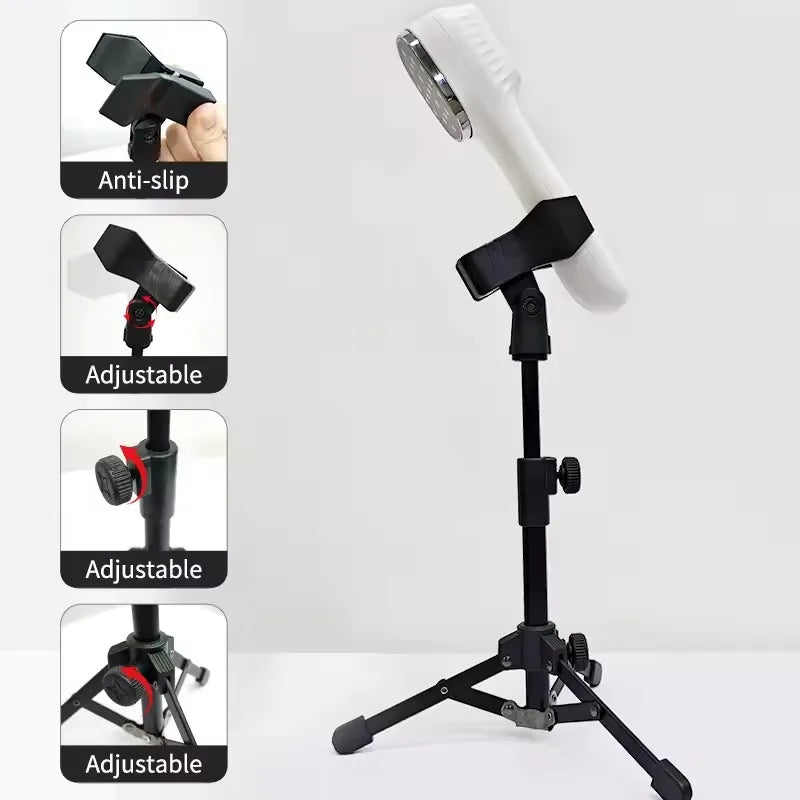
At-home results made simple — is red light therapy worth it See it in action
Experience results yourself with the handheld red light therapy device
Frequently Asked Questions
Does red light therapy actually work studies support?
Yes. Clinical studies show red light therapy can improve skin health, reduce inflammation, and support recovery. Results are typically moderate but consistent when used over several weeks. Effectiveness depends on wavelength, device quality, and usage frequency.
How long before I see results?
Most users begin to notice subtle improvements within 2–4 weeks. More visible changes, such as smoother skin or reduced soreness, usually appear after 6–8 weeks of consistent use.
Is red light therapy safe?
Yes, it is considered safe and non-invasive when used properly. It does not damage skin like UV light and is suitable for regular use.
Can I use it every day?
Yes, daily use is generally safe, but 3–5 sessions per week are usually sufficient for noticeable results.
Is it better than professional treatments?
Professional treatments may deliver faster results, but at-home devices offer similar long-term benefits with greater convenience and lower cost.
Pillar Article: Best Handheld Red Light Therapy Device: Full Brand Review
Other Related Articles:
Explore More:













