

Shoulder Pain From Pillow? Here’s How to End It for Good
Waking up with shoulder pain from pillow pressure can make your entire day uncomfortable. In many cases, the problem is not simply the pillow itself but how it affects neck and shoulder alignment throughout the night. The right sleep setup—including an orthopedic pillow for neck pain and, for back sleepers, a back pain pillow under knees —can help maintain a neutral spine, reduce pressure on the shoulder joint, and improve overnight comfort. Understanding why the pain develops is the first step toward lasting relief.
⏱ 7 min read
Why do you get shoulder pain from your pillow?
Shoulder pain from pillow problems usually develops when your sleeping position places the neck, shoulders, and upper spine out of alignment for several hours. Instead of allowing the muscles to relax during sleep, poor support can increase tension around the shoulder joint, rotator cuff, and upper trapezius muscles. The result is stiffness, soreness, or pain that is most noticeable when you wake up.
While the pillow is often blamed, it is usually the combination of pillow height, firmness, mattress support, and sleeping posture that determines whether your shoulder remains comfortable overnight. Correcting neck and shoulder alignment often reduces pressure on sensitive muscles and joints without requiring complicated treatments.
How pillow height affects shoulder pressure
Your pillow should fill the natural space between your head and mattress while keeping your neck in a neutral position. When the height is incorrect, the shoulder absorbs extra stress for hours at a time.
- Pillow too high: pushes the head sideways or forward, tightening muscles along the neck and shoulder.
- Pillow too low: allows the head to drop toward the mattress, stretching muscles and ligaments that stabilize the shoulder.
- Pillow too firm or too soft: may fail to maintain consistent support as you change positions during sleep.
Even small alignment changes repeated every night can contribute to pillow causing neck and shoulder pain , especially for side sleepers who place prolonged pressure on one shoulder.
How neck and shoulder alignment changes during sleep
Healthy sleep posture keeps your ears, neck, shoulders, and spine aligned in a relatively straight line. When this alignment is lost, muscles work continuously to support the head instead of relaxing.
For example, if your shoulder sinks too deeply into a soft mattress while your head remains elevated on a thick pillow, the neck bends sideways. This uneven position increases compression around the shoulder joint and may irritate surrounding muscles, tendons, or nerves.
Not every case of morning shoulder pain is caused by the pillow itself. Arthritis, rotator cuff injuries, bursitis, frozen shoulder, or cervical spine disorders can produce similar symptoms. However, if discomfort is noticeably worse after sleeping and improves as you move throughout the day, your sleep setup is more likely contributing to the problem.

An ergonomic pillow can help support a more neutral neck position and reduce unnecessary shoulder pressure during sleep.
Understanding the Real Cause of Shoulder Pain from Pillow
Many people assume that any morning shoulder pain means they need a new pillow. In reality, discomfort usually develops because the pillow does not match their sleeping position, body shape, or mattress. The goal is not simply a softer or firmer pillow—it is maintaining proper neck alignment so the shoulder can remain relaxed throughout the night.
Side sleepers are especially vulnerable because the shoulder bears much of the body's weight. If the pillow is too low, the shoulder compresses toward the mattress. If it is too high, the neck bends sideways, increasing muscle tension. Back sleepers can also develop pain when the head is pushed too far forward, flattening the natural curve of the neck.
Over time, repeated misalignment may contribute to:
- Morning soreness around the shoulder or shoulder blade.
- Neck stiffness that gradually improves after moving around.
- Tightness across the upper back and trapezius muscles.
- Occasional tingling or numbness caused by irritated nerves or muscle tension.
Key signs your pillow is causing shoulder pain
- Your pain is worst immediately after waking and eases during the day.
- You frequently switch sleeping sides because one shoulder becomes uncomfortable.
- Your head tilts noticeably upward or downward while lying in bed.
- You wake with both neck stiffness and shoulder soreness rather than pain from a specific injury.
- Symptoms improve after adjusting your pillow height or sleeping position.
How to Fix Shoulder Pain From Pillow Misalignment
Reducing shoulder pain from pillow problems starts with restoring a neutral sleeping posture rather than simply buying a different pillow. Small adjustments to pillow height, shoulder support, and overall body positioning can reduce overnight compression and improve neck and shoulder alignment .
Adjust pillow height
The best pillow position for shoulder pain keeps your head level with your spine instead of tilting toward the mattress or ceiling.
- Check your sleeping posture. When lying on your side, your nose should line up with the center of your chest instead of pointing upward or downward.
- Choose an appropriately sized pillow. A pillow should fill the gap between your neck and the mattress without forcing your head sideways.
- For back sleepers, use a pillow that supports the natural curve of your neck without pushing your chin toward your chest. A back pain pillow under knees can also help maintain a more neutral spinal position.
Improve shoulder support
Supporting the shoulder itself is just as important as supporting the neck. Reducing compression allows muscles to relax instead of remaining under tension all night.
- If you sleep on your side, gently hug a small pillow or cushion to support the upper arm and reduce stress across the shoulder joint.
- Avoid placing your arm directly underneath your body or pillow for extended periods.
- If your mattress allows your shoulder to sink excessively, consider whether a firmer sleep surface provides better overall alignment.
- Perform gentle shoulder rolls or neck mobility exercises before bed to decrease muscle tightness.
When changing pillows may help
A new pillow is most helpful when your current one has lost its shape, no longer supports your sleeping position, or consistently leaves you waking with neck and shoulder discomfort. The goal is to achieve reliable pillow support for shoulder pain by matching pillow loft and firmness to your body size and preferred sleeping position—not by choosing the most expensive model.
If symptoms continue despite improving your sleep setup, the discomfort may be related to an underlying shoulder or neck condition rather than the pillow alone.
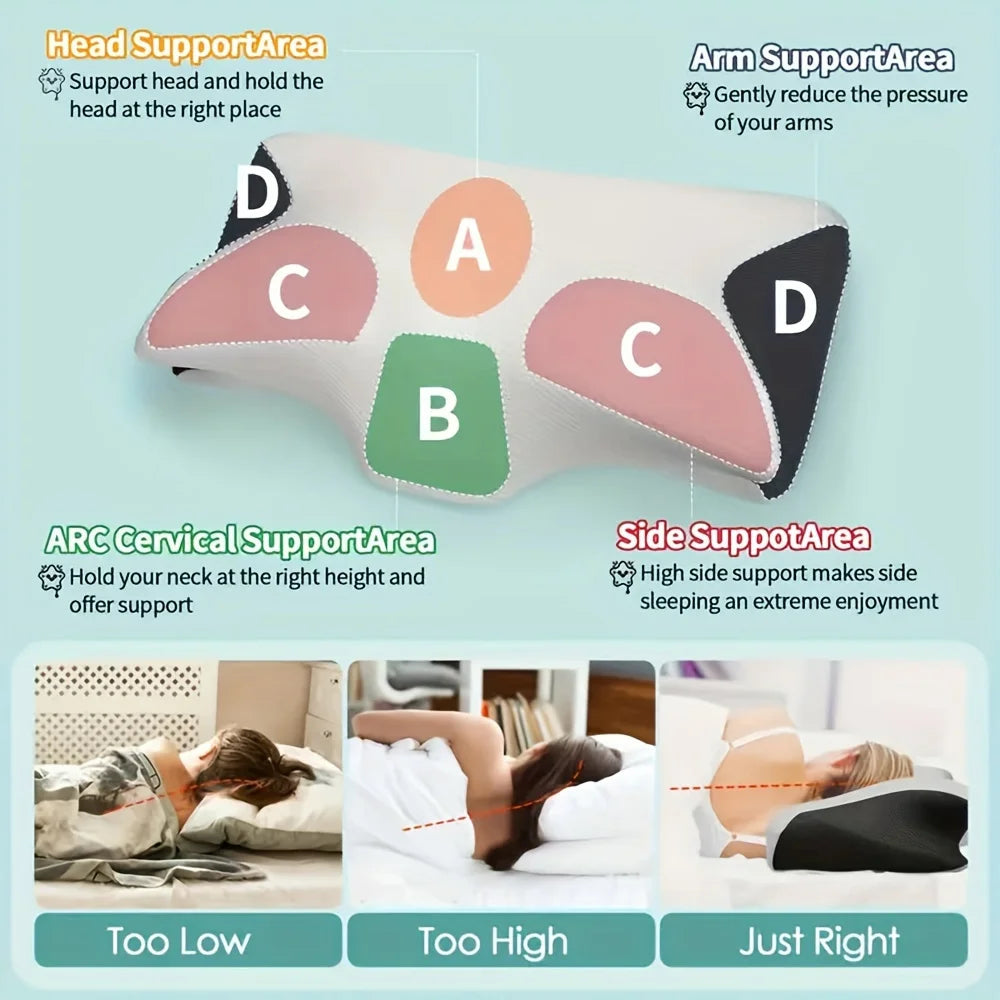
Combining proper pillow height with supportive body positioning helps maintain a more neutral spinal alignment throughout the night.
How to Position Pillows for Better Shoulder Support
Proper pillow placement helps keep your head, neck, shoulders, and upper back aligned while minimizing pressure on the painful shoulder. The goal is to support the body's natural curves and prevent excessive twisting or compression during the night.
How to position pillows for shoulder pain
- Head pillow: Keep your ears aligned with your shoulders so your neck remains in a neutral position instead of bending sideways.
- Support the shoulder: The pillow should fill the space between your head and the mattress without lifting your head too high.
- Under-knee support: When sleeping on your back, place a small back pain pillow under knees to reduce tension through the lower back and help maintain overall spinal alignment.
- Neutral spine check: Your head, neck, and torso should form a straight line when viewed from the side.
How to use a body pillow for shoulder pain
A body pillow can help prevent rolling forward and reduce stress on the upper shoulder. Side sleepers may benefit from hugging the pillow with both arms while placing one leg over it. This position supports the upper arm, reduces inward shoulder rotation, and helps keep the spine aligned.
How to use a V pillow for shoulder pain
A V pillow provides extra support around the neck and upper back, making it useful for people who alternate between back and side sleeping or who prefer sleeping with the upper body slightly elevated. Position the center of the V behind the neck so both sides support the shoulders evenly.
How to use a V shaped pillow for shoulder pain
A V shaped pillow works best when it supports the neck without forcing the shoulders upward. If one shoulder remains painful, avoid sleeping directly on that side whenever possible and ensure the pillow maintains a neutral head position instead of pushing it forward.
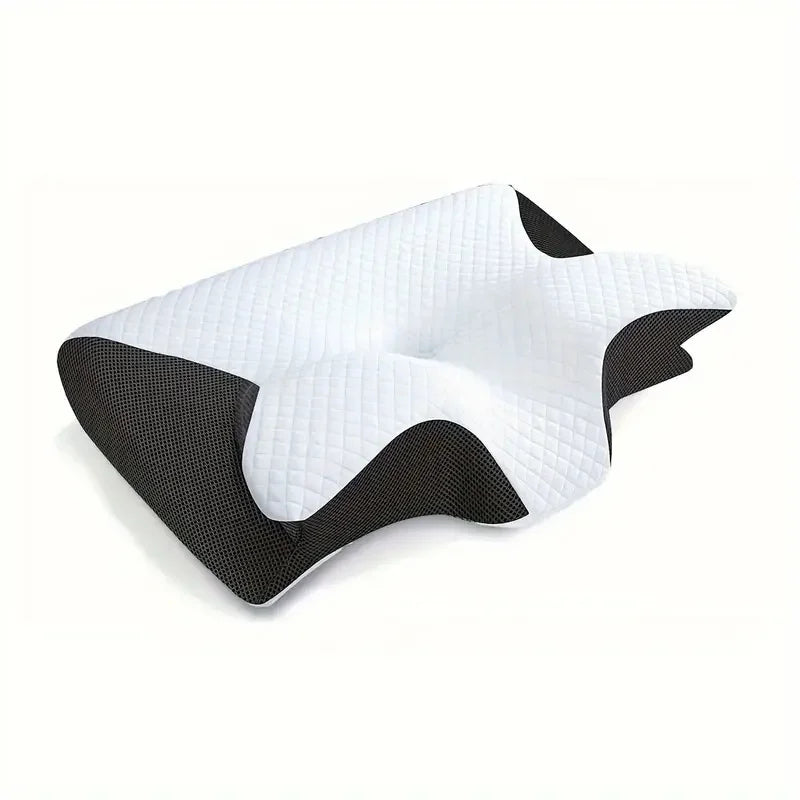
Correct pillow positioning can reduce overnight shoulder pressure while helping maintain comfortable neck and spinal alignment.
Frequently Asked Questions
Can a pillow really cause shoulder pain overnight?
Yes. A pillow that is too high, too low, or no longer provides adequate support can place your neck and shoulder in an awkward position for several hours. This prolonged misalignment may lead to muscle tension, joint irritation, and morning stiffness. However, persistent or severe pain may also indicate an underlying shoulder or cervical spine condition.
How do I know if my pillow is too high or too low?
If your head tilts toward the mattress, the pillow is probably too low. If your head angles upward or your chin is pushed toward your chest, it may be too high. A properly fitted pillow keeps your head, neck, and spine aligned in a neutral position while you sleep.
What is the best pillow position for shoulder pain?
The best pillow position for shoulder pain keeps your ears aligned with your shoulders and prevents your neck from bending sideways. Side sleepers should ensure the pillow fills the space between the head and mattress, while back sleepers should support the natural curve of the neck without elevating the head excessively.
How do you position pillows for shoulder pain while side sleeping?
Keep your head supported in a neutral position, avoid sleeping directly on your arm, and consider hugging a small pillow or body pillow to support the upper arm. This helps reduce shoulder compression and minimizes stress across the joint.
Can a body pillow reduce shoulder pain?
For many side sleepers, yes. A body pillow can help keep the shoulders, hips, and spine aligned while reducing the tendency to roll forward. Supporting the upper arm may also decrease strain on the shoulder muscles overnight.
How do you use a V shaped pillow for shoulder pain?
Place the center of the V behind your neck so both sides provide gentle support to your upper back and shoulders. The pillow should support your posture without forcing your shoulders upward or pushing your head forward.
Why do I wake up with neck and shoulder pain from my pillow?
Morning pain often develops because your sleeping posture places prolonged stress on muscles and joints throughout the night. Pillow height, mattress firmness, sleeping position, and existing neck or shoulder conditions can all contribute to symptoms.
How long does pillow-related shoulder pain take to improve?
If poor sleep posture is the primary cause, many people notice improvement within several days to two weeks after correcting pillow height, sleeping position, and overall sleep ergonomics. Recovery may take longer if an underlying injury or medical condition is present.
Should I replace my pillow if only one shoulder hurts?
Not necessarily. First, evaluate whether the pillow still supports your preferred sleeping position and has maintained its shape. Pain affecting only one shoulder can also result from rotator cuff problems, bursitis, arthritis, or sleeping primarily on the same side each night.
When should shoulder pain after sleeping be evaluated by a healthcare provider?
Seek medical evaluation if shoulder pain is severe, follows an injury, persists for more than a few weeks despite improving your sleep setup, limits arm movement, is accompanied by significant weakness or numbness, or occurs with fever, unexplained swelling, chest pain, or other concerning symptoms.
Pillar Article: How to Fix Neck Pain Sleep Problems Step-by-Step Tonight
Other Related Articles:
- Neck Pain While Sleeping? Top 6 Tricks for Instant Relief
- Stiff Neck After Sleep: The Hidden Cause and Quickest Fix
- Morning Neck Soreness: 7 Simple Fixes You Can Try Right Now
Explore More:













