

Does a ball massage roller really speed up muscle recovery?
Yes. A ball massage roller can help reduce muscle soreness, improve circulation, and release tight trigger points when used correctly. By applying focused pressure to muscles and fascia, it encourages blood flow, supports mobility, and may reduce post-workout stiffness. Whether you're recovering after exercise, relieving tension from long workdays, or managing everyday muscle fatigue, a ball massage roller offers a practical at-home recovery solution.
Ball Massage Roller Benefits for Faster Muscle Recovery Results
Muscle tightness can make everyday activities feel uncomfortable, whether it comes from intense workouts, long hours at a desk, household tasks, or caring for children. A ball massage roller provides targeted deep tissue pressure to help loosen knots, improve flexibility, and support natural muscle recovery. Compact, portable, and easy to use, it's an excellent addition to any recovery routine without the cost of frequent massage appointments.
⏱ 6 min read
Explore powerful tools in the Body Care and Health Devices collection.
Looking for an effective way to ease sore muscles at home? Whether you're an athlete, office worker, parent, or simply dealing with everyday muscle tension, using a massage roller ball for just a few minutes each day can help improve mobility, reduce discomfort, and support faster recovery.
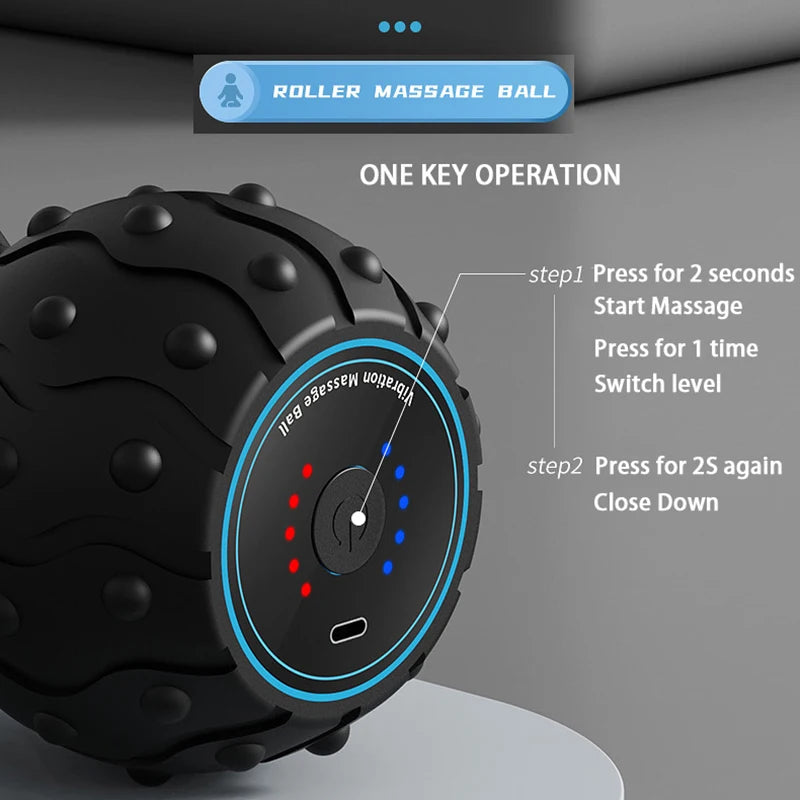
Ball massage roller for deep tissue relief — See it in action
What Is a Ball Massage Roller and How Does It Work?
A ball massage roller is a compact self-massage tool designed to apply concentrated pressure to specific muscles and trigger points. Often called a muscle massage roller ball or recovery massage ball, it helps loosen tight tissue by combining body weight or hand pressure with slow rolling movements. Many modern models also include vibration to enhance muscle relaxation.
The primary ball massage roller benefits come from myofascial release—a technique that targets the connective tissue surrounding muscles. Gentle pressure helps reduce muscle tightness, improve local circulation, and restore normal movement patterns after physical activity or prolonged sitting.
- Targets trigger points with precision for localized muscle relief.
- Encourages healthy blood circulation to support recovery.
- Helps reduce stiffness while improving flexibility and range of motion.
- Supports muscle recovery after workouts, travel, or daily physical activity.
- Reaches smaller muscle groups that larger recovery tools often miss.
Unlike traditional foam rollers that treat broad muscle groups, a ball massage roller delivers focused pressure exactly where discomfort occurs. This makes it especially useful for the neck, shoulders, upper back, hips, calves, feet, and other hard-to-reach areas where muscle knots commonly develop.
How This Ball Massage Roller Speeds Up Recovery
A ball massage roller supports recovery by applying sustained pressure to tight muscles and fascia. This pressure encourages circulation, helps reduce muscle tension, improves tissue mobility, and promotes relaxation after exercise or repetitive daily activities. While it does not replace medical treatment, regular self-massage can be an effective part of an overall recovery routine.
- Helps decrease post-workout muscle soreness.
- Improves circulation to working muscles.
- Supports healthy fascia mobility and flexibility.
- Releases stubborn trigger points with targeted pressure.
- Provides convenient recovery sessions in as little as 5 to 10 minutes.
For best results, use the massage ball roller consistently after workouts, during rest days, or whenever muscle tightness begins to limit movement.
Start your routine with the ball massage roller designed for daily use.
How to Choose the Right Ball Massage Roller
Choosing the right ball massage roller depends on the muscle groups you want to target, the amount of pressure you prefer, and where you plan to use it. The right combination of size, material, and design can make your recovery routine more comfortable and effective.
Size Guide
- Small (2–2.5 inches): Best for trigger points, feet, hands, and shoulders.
- Medium (2.5–3 inches): A versatile option for most users and muscle groups.
- Large (3.5 inches and above): Better suited for larger muscles such as the glutes, thighs, and back.
Material Comparison
| Material | Best For | Benefits |
|---|---|---|
| Silicone | Everyday recovery | Comfortable grip, easy to clean, durable |
| Rubber | General muscle massage | Good balance of firmness and comfort |
| Cork | Firm pressure | Lightweight, eco-friendly, naturally rigid |
| Vibrating Plastic Shell | Deep muscle recovery | Combines pressure with vibration for enhanced relaxation |
Firmness Levels
Soft massage balls are ideal for beginners and sensitive muscles, while medium firmness suits most users for daily recovery. Firm massage balls provide deeper pressure and are often preferred by athletes or experienced users working on persistent muscle knots.
Single vs Dual Ball Designs
Single-ball designs offer maximum flexibility for targeting individual muscles. Dual-ball models are better suited for muscles running alongside the spine or larger muscle groups where balanced pressure is beneficial.
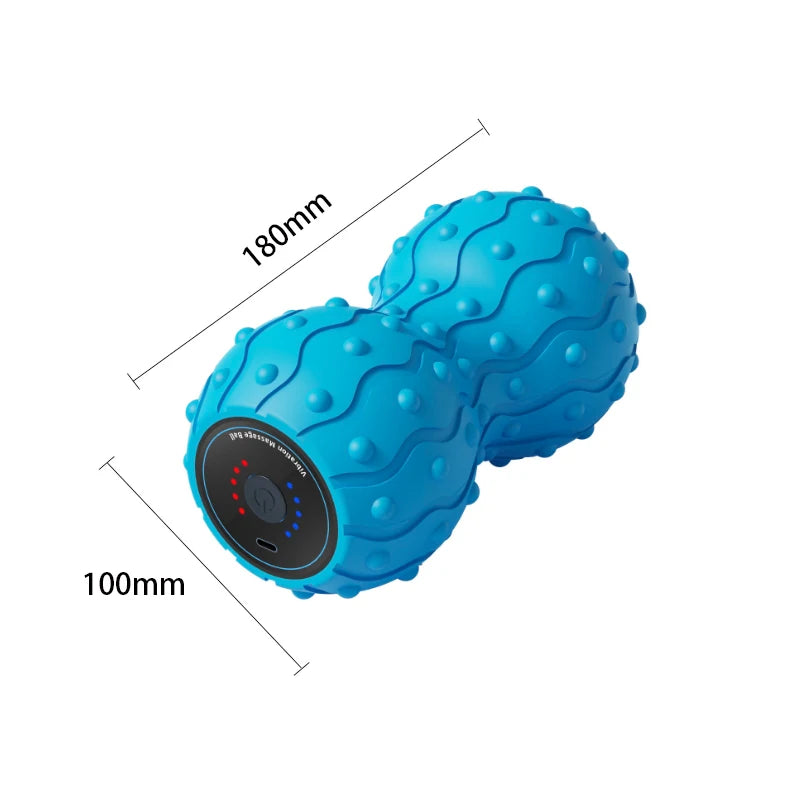
Handheld muscle recovery ball for daily use — See it in action
Ball Massage Roller Benefits for Different Body Areas
Neck and Shoulders
Small trigger points commonly develop around the upper trapezius and shoulder muscles. A ball massage roller allows precise pressure that can reduce stiffness, improve mobility, and relieve tension caused by prolonged sitting or computer work.
Back and Glutes
The lower back and gluteal muscles often become tight after lifting, running, or extended periods of sitting. Rolling slowly over these larger muscles can help improve flexibility and reduce muscle tightness before or after exercise.
Feet and Plantar Fasciitis
Rolling the sole of the foot for several minutes may help relieve tension in the plantar fascia while improving circulation. Many people also use a massage ball for sore muscles in the arches after walking, running, or standing throughout the day.
Legs and Calves
A massage roller for muscle recovery can help ease calf tightness, hamstring stiffness, and quadriceps soreness following workouts. Slow, controlled movements combined with moderate pressure often provide the best results.
Ball Massage Roller vs Other Recovery Tools
Different recovery tools serve different purposes. The best choice depends on whether you need targeted trigger point therapy, broad muscle coverage, or powerful percussion for deep muscle stimulation.
| Recovery Tool | Best For | Advantages | Limitations |
|---|---|---|---|
| Ball Massage Roller | Trigger points and targeted muscle recovery | Portable, precise, affordable, easy to control | Smaller treatment area |
| Foam Roller | Large muscle groups | Covers broad areas quickly | Less precise for deep trigger points |
| Massage Gun | Deep muscle stimulation | Powerful percussion and multiple attachments | Higher cost and larger size |
| Lacrosse Ball | Budget trigger point therapy | Very firm pressure and inexpensive | No vibration or ergonomic features |
| Percussion Devices | Professional recovery routines | High-intensity muscle treatment | May be excessive for sensitive muscles |
Foam Roller
Foam rollers are ideal for warming up large muscle groups and improving overall mobility. They work well for the thighs, calves, and upper back but cannot match the precision of a ball massage roller when treating localized knots.
Massage Gun
Massage guns deliver rapid percussion that reaches deep muscle tissue. They are excellent for larger muscles but are generally heavier, more expensive, and less convenient for pinpoint trigger point work.
Lacrosse Ball
A lacrosse ball is a simple, inexpensive alternative for self-myofascial release. However, its rigid surface can feel too intense for beginners and lacks the comfort and vibration available in many dedicated recovery massage balls.
Percussion Devices
High-powered percussion devices are commonly used by athletes and physical therapists for intensive recovery. For everyday use, however, many people find a ball massage roller easier to carry, quieter to operate, and more practical for daily muscle maintenance.
For most users seeking targeted muscle relief, portability, and excellent value, a ball massage roller remains one of the most versatile recovery tools available.
How to Use a Ball Massage Roller Safely and Effectively
Step-by-Step Guide
- Position the massage ball on the tight or sore muscle.
- Use your body weight or your hand to apply gentle, controlled pressure.
- Roll slowly across the muscle until you locate a tender spot.
- Pause on trigger points for 20 to 30 seconds while breathing normally.
- Continue rolling for several minutes before moving to another muscle group.
Recommended Duration
Spend approximately 30 to 60 seconds on each muscle group, keeping total treatment time between 5 and 10 minutes. Longer sessions may be beneficial for larger muscle groups but should remain comfortable rather than painful.
Common Mistakes
- Applying excessive pressure too quickly.
- Rolling directly over joints or bones.
- Moving too fast instead of using slow, controlled movements.
- Ignoring sharp or worsening pain during treatment.
When to Avoid Use
Avoid using a ball massage roller over open wounds, acute injuries, fractures, severe bruising, or inflamed areas. If you have a medical condition, circulatory disorder, or persistent pain, consult a healthcare professional before beginning self-massage.
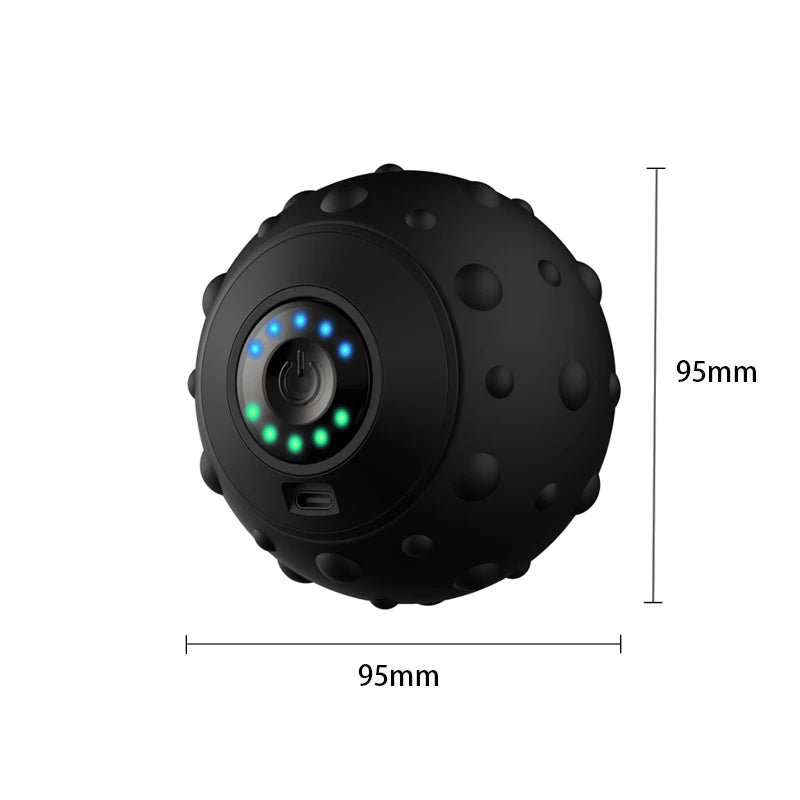
Targeted muscle recovery with a vibrating ball massage roller — See it in action
Experience targeted muscle relief with the ball massage roller designed for convenient daily use.
Care, Cleaning, and Storage
Proper care helps extend the life of your ball massage roller while ensuring it remains hygienic and performs consistently.
- Wipe the surface with a soft damp cloth after each use.
- For silicone or rubber models, use mild soap and water, then dry thoroughly before storing.
- Avoid harsh chemicals or abrasive cleaners that may damage the surface.
- Store the massage ball in a cool, dry location away from direct sunlight and excessive heat.
- Inspect the product periodically for cracks, damage, or reduced performance, and replace it if signs of wear become noticeable.
Frequently Asked Questions
How often should I use a ball massage roller?
Most people can safely use a ball massage roller every day. Sessions of 5 to 10 minutes are typically enough for general recovery, while athletes or highly active individuals may benefit from treating individual muscle groups after workouts.
Can a ball massage roller help plantar fasciitis?
Yes. Rolling the bottom of the foot may help reduce tension in the plantar fascia and surrounding muscles. Use gentle pressure and stop if symptoms become worse. Persistent heel pain should be evaluated by a healthcare professional.
Which size is best for trigger points?
Smaller massage balls are generally better for trigger point therapy because they apply concentrated pressure to specific muscles. Medium-sized balls provide a versatile balance for most users and body areas.
What material should I choose?
Silicone offers excellent comfort and durability for everyday use. Cork provides firmer pressure with a lightweight design, while vibrating massage balls combine targeted pressure with vibration for enhanced muscle relaxation.
Can I use it before and after workouts?
Yes. Before exercise, use light rolling to increase circulation and prepare muscles for movement. After training, slower, controlled rolling can help reduce muscle tightness and support recovery.
Is a ball massage roller suitable for beginners?
Absolutely. Beginners should start with gentle pressure and shorter sessions, gradually increasing intensity as muscles adapt to self-myofascial release.
What is the best ball massage roller for muscle recovery?
The best option depends on your needs. A vibrating ball massage roller is ideal for users seeking adjustable intensity and targeted muscle recovery, while standard massage balls are suitable for basic trigger point release.
How do I choose the right massage roller ball size?
Select a smaller ball for feet, shoulders, and trigger points, a medium ball for all-around use, and a larger ball for bigger muscle groups such as the back, glutes, and thighs.
Are cork or silicone massage balls better?
Neither material is universally better. Cork is firmer and lightweight, making it ideal for deeper pressure, while silicone provides a more comfortable surface and is easy to clean for frequent use.
How long should I use a ball massage roller each session?
Most sessions last between 5 and 10 minutes. Spend about 30 to 60 seconds on each muscle group, increasing time only if it remains comfortable.
Can I use a massage ball roller every day?
Yes. Daily use is appropriate for most healthy individuals when moderate pressure is used and muscles are allowed to recover if soreness develops.
What's the difference between a massage ball and a foam roller?
A massage ball delivers precise pressure to small, tight muscles and trigger points, while a foam roller treats larger muscle groups over a wider surface area. Many recovery routines benefit from using both tools together.
When should I avoid using a ball massage roller?
Avoid self-massage over fractures, open wounds, severe bruising, inflamed tissue, blood clots, or areas with acute injury. Seek medical advice if you have persistent pain, recent surgery, or an underlying medical condition.
For more wellness tools, explore the Body Care and Health Devices collection and upgrade your recovery routine today.
Pillar Article: Vibrating massage tool Features That Boost Deep Muscle Relief
Other Related Articles:
Explore More:













