

Therapeutic Massage Balls: Key Features That Improve Muscle Recovery
Therapeutic massage balls have become a popular self-care tool for relieving muscle tension, improving mobility, and supporting recovery at home. Whether you're using a peanut massage ball for trigger point therapy, recovering after exercise, or looking for simple at home muscle relaxation techniques, the right massage ball can deliver targeted pressure where larger recovery tools often cannot. Understanding which features matter most will help you choose a tool that fits your recovery goals and daily routine.
⏱ 7 min read
Explore the vibrating massage ball now
Dealing with tight shoulders, lower back discomfort, or lingering muscle soreness? Many people struggle to relieve muscle knots using stretching alone. Therapeutic massage balls provide focused pressure that can complement mobility exercises, strength training, and recovery routines, making them a practical option for home use.
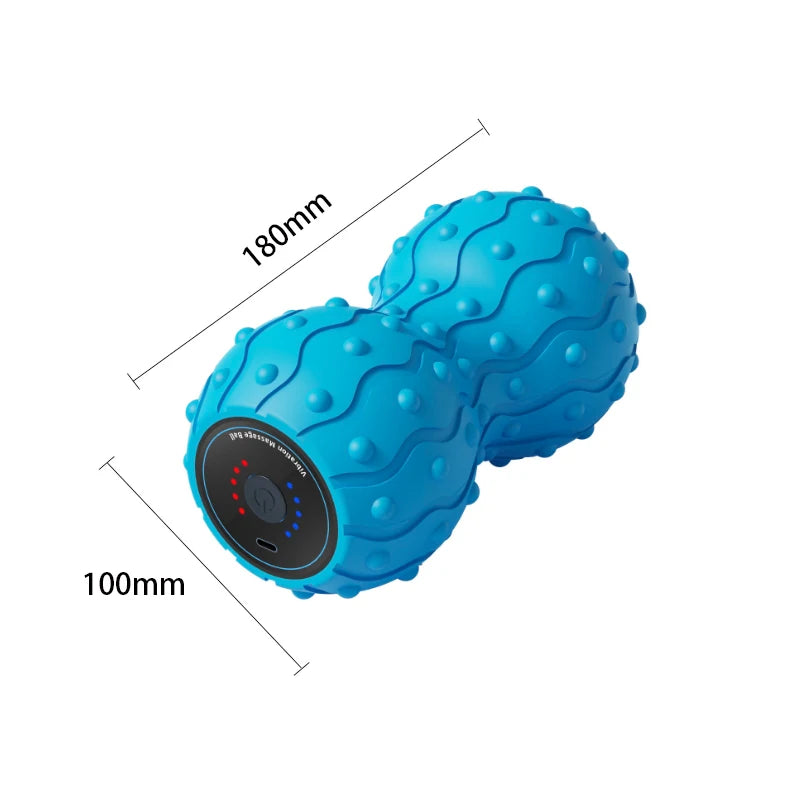
Therapeutic massage balls for targeted muscle relief. See them in action.
Why therapeutic massage balls work so effectively
Therapeutic massage balls are designed to apply concentrated pressure to small areas of muscle tissue. This makes them especially effective for reaching trigger points and areas of tightness that are difficult to address with broader recovery tools such as foam rollers.
Many people use massage balls as part of self-myofascial release, a technique that combines gentle pressure with controlled movement to help improve flexibility, reduce muscle stiffness, and restore comfortable movement after daily activities or exercise. While massage balls can help manage muscle soreness, they should be viewed as one component of a balanced recovery plan rather than a replacement for professional medical care when pain persists.
- Targets localized muscle knots with precision
- Reaches deeper muscle groups than many larger recovery tools
- Supports self-myofascial release at home
- Portable enough for use at home, the office, or while traveling
Key features that accelerate healing results
How vibration technology can support muscle recovery
Some advanced models, including this vibrating massage ball , combine targeted pressure with adjustable vibration settings. The vibration feature may help users relax tight muscles more comfortably during self-massage while allowing them to customize intensity based on different muscle groups and recovery needs.
- Multiple intensity levels for personalized sessions
- May help improve comfort during self-massage
- Convenient for short daily recovery routines
Why the peanut massage ball design targets the spine safely
A peanut massage ball for trigger point therapy features two connected balls with a center channel that fits around the spine. This design allows pressure to be applied to the muscles running alongside the spine without placing direct force on the vertebrae, making it a popular choice for upper back, neck, and posture-focused mobility work.
- Supports comfortable treatment of spinal muscles
- Well suited for upper back and neck mobility exercises
- Helpful for posture and desk-related muscle tension
Compact design for consistent daily use
One of the biggest advantages of therapeutic massage balls is their portability. Their compact size makes it easier to maintain a regular recovery routine, whether you're using them before workouts, after long workdays, or during travel. Consistent use, combined with stretching and strengthening exercises, often provides better long-term results than occasional intensive sessions.
Start your routine today
Massage balls vs traditional recovery tools
| Feature | Massage Balls | Foam Rollers | Massage Guns |
|---|---|---|---|
| Best for | Trigger points and muscle knots | Large muscle groups | Percussive muscle treatment |
| Precision | ✅ High | ❌ Low | ⚠️ Medium |
| Portability | ✅ Compact | ❌ Bulky | ⚠️ Moderate |
| Ease of Use | ✅ Beginner-friendly | ⚠️ Requires floor space | ⚠️ Requires technique |
| Cost Efficiency | ✅ Affordable | ✅ Affordable | ❌ Typically higher cost |
Each recovery tool serves a different purpose. Massage balls excel at treating localized muscle tightness, while foam rollers are better suited to broad muscle groups such as the quadriceps, hamstrings, and upper back. Massage guns provide rapid percussive therapy but generally require more control and are often more expensive.
For many people, massage balls offer the best balance of affordability, portability, and precision. They fit easily into a gym bag or desk drawer and can target hard-to-reach trigger points without requiring a large workout space.
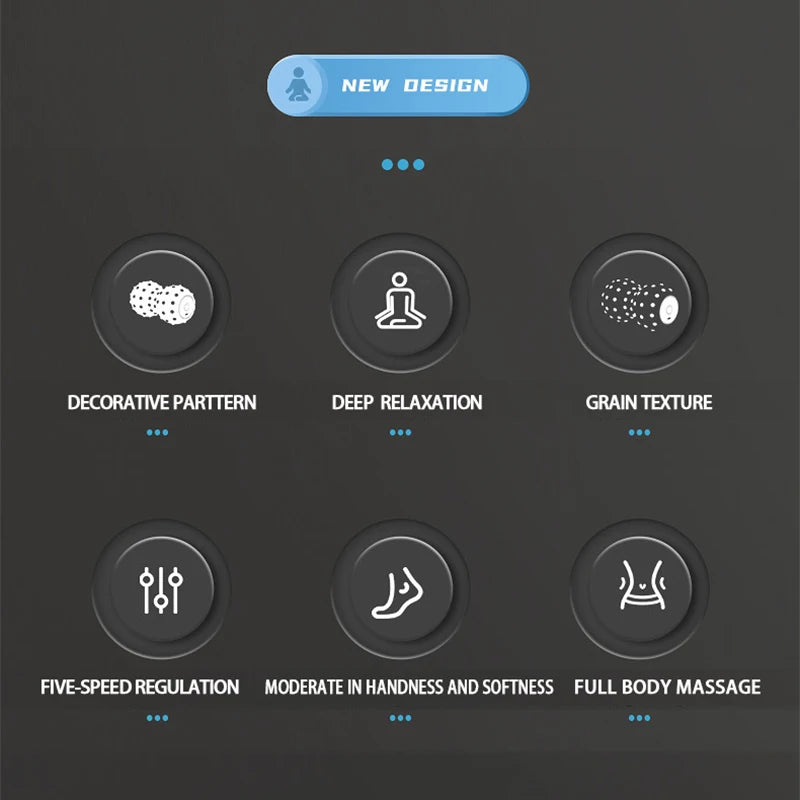
Peanut massage ball for trigger point therapy. See it in action.
How to use for maximum results at home
Using massage balls correctly helps maximize their benefits while minimizing unnecessary discomfort. Apply steady, controlled pressure instead of rolling quickly across the muscle.
- Position the massage ball between your body and a stable surface such as a wall or the floor.
- Slowly shift your body weight until you feel gentle to moderate pressure on the tight muscle.
- Pause on sensitive trigger points for approximately 20 to 30 seconds while breathing normally.
- Roll gradually over the surrounding muscle tissue using slow, controlled movements.
- Adjust pressure with your body weight or, if available, vibration settings to remain comfortable.
- Repeat for 5 to 10 minutes on each muscle group, allowing at least 24 hours before treating the same sore area aggressively again.
Massage balls are commonly used on the shoulders, upper back, hips, glutes, calves, and feet. Avoid placing direct pressure on bones, joints, the front of the neck, or the spine itself. Stop immediately if you experience sharp pain, numbness, or tingling, and consult a healthcare professional if symptoms persist.
Explore more recovery tools in the Body Care and Health Devices collection for a complete wellness setup.
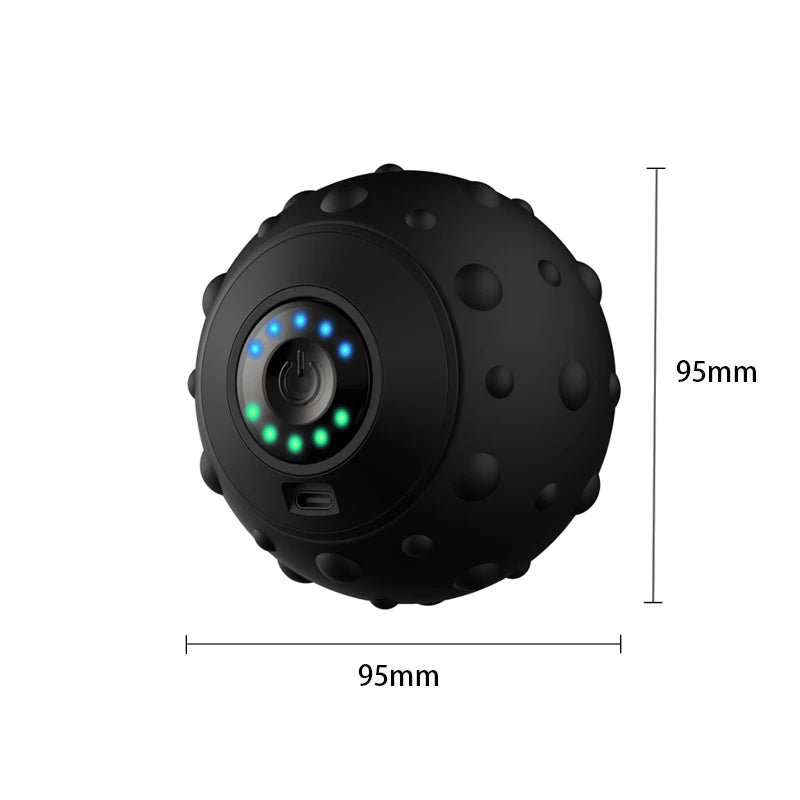
Therapeutic massage balls for targeted muscle recovery. See them in action.
Shop the vibrating massage ball today
Frequently asked questions
How often should I use therapeutic massage balls?
Most people benefit from using massage balls for 5 to 15 minutes per session, several times per week. Daily use is generally appropriate for healthy muscles when moderate pressure is applied and the same sore area is not overworked. Allow additional recovery time if muscles remain tender after treatment.
What are the best massage balls for muscle recovery?
The best choice depends on your recovery goals. Smooth massage balls work well for general trigger point release, peanut massage balls are ideal for muscles alongside the spine, textured balls provide extra surface stimulation, and vibrating models can offer adjustable intensity for users who prefer vibration-assisted self-massage.
Are massage balls better than foam rollers?
Massage balls and foam rollers serve different purposes. Massage balls provide highly targeted pressure for muscle knots and smaller muscle groups, while foam rollers are more effective for broad areas such as the thighs, calves, and upper back. Many recovery routines benefit from using both tools together.
Can massage balls remove muscle knots?
Massage balls can help reduce muscle tightness and discomfort associated with trigger points by applying controlled pressure. While they may improve mobility and temporarily relieve muscle knots, persistent pain or recurring symptoms should be evaluated by a qualified healthcare professional.
How long should you use a massage ball on each trigger point?
Apply comfortable pressure to a trigger point for approximately 20 to 30 seconds before slowly moving to the surrounding tissue. If discomfort increases instead of gradually easing, reduce the pressure or stop the session.
Are massage balls safe to use every day?
For most healthy adults, gentle daily use is considered appropriate when combined with proper recovery habits. Avoid applying excessive pressure, rolling directly over bones or joints, or treating areas with acute injuries, swelling, or broken skin.
Which massage ball is best for back pain?
A peanut massage ball is often preferred for muscles running alongside the spine because its center channel helps avoid direct pressure on the vertebrae. For broader back muscles, a standard smooth massage ball can also be effective when used against a wall or the floor.
What is the difference between a peanut massage ball and a single massage ball?
A single massage ball offers maximum flexibility for targeting individual trigger points throughout the body. A peanut massage ball connects two balls with a center gap, making it particularly useful for treating muscles on both sides of the spine while avoiding direct spinal contact.
Do vibrating massage balls work better?
Vibrating massage balls combine focused pressure with adjustable vibration. Some users find that vibration improves comfort during self-massage and makes it easier to relax tight muscles. The most effective option depends on your personal preferences, sensitivity, and recovery needs.
Can massage balls help plantar fasciitis?
Massage balls are commonly used to gently massage the arch of the foot and surrounding soft tissues, which may help reduce tightness associated with plantar fascia discomfort. They should be used as part of a broader treatment plan that may also include stretching, supportive footwear, and professional medical guidance when symptoms persist.
Can beginners use massage balls easily?
Yes. Beginners should start with light pressure, short sessions, and slow movements. Using a wall instead of the floor makes it easier to control intensity while learning proper self-massage techniques.
Pillar Article: Vibrating massage tool Features That Boost Deep Muscle Relief
Other Related Articles:
Explore More:













