

Does a Deep Tissue Massage Ball Really Work?
Yes. A deep tissue massage ball works by applying concentrated pressure to tight muscles and trigger points, helping release muscle knots, improve blood circulation, and temporarily reduce everyday soreness and stiffness. Compared with larger recovery tools, a massage ball provides greater precision, making it an excellent choice for targeting the neck, shoulders, hips, feet, and lower back. For busy parents, office workers, and active individuals, it offers a convenient way to perform deep tissue self massage at home or while traveling.
Deep Tissue Massage Ball vs Trigger Point Tools Review
Whether your muscle tension comes from workouts, long hours at a desk, carrying children, or repetitive lifting, choosing the right recovery tool can make a noticeable difference. A deep tissue massage ball and a trigger point massage tool are both designed to relieve muscle tightness, but they serve different purposes. This guide compares their features, ease of use, portability, and effectiveness so you can decide which option best fits your recovery routine.
⏱ 5 min read
Explore smart solutions inside the Body Care and Health Devices collection.
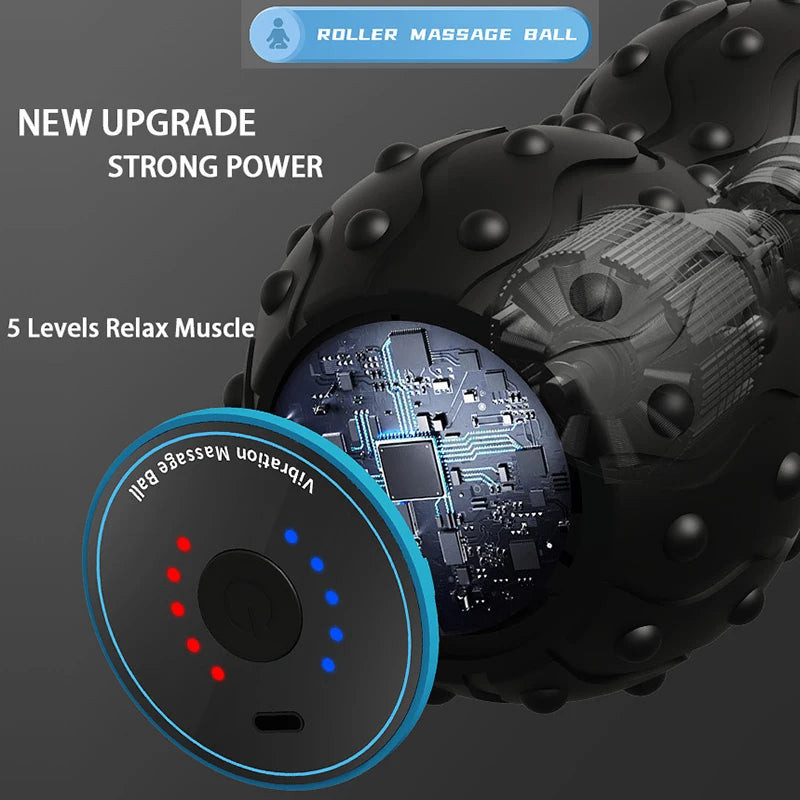
Deep tissue massage ball benefits for parents. See it in action.
Which recovery tool provides faster relief for muscle knots and soreness? Compare the strengths of massage balls and trigger point tools to find the best fit for your daily routine.
How a Deep Tissue Massage Ball Targets Muscle Knots
A deep tissue massage ball is a compact recovery tool made from firm rubber, silicone, or high-density foam that applies focused pressure directly to tight muscles and trigger points. By using your own body weight, you can control the intensity while gradually releasing tension in areas that commonly become stiff, including the neck, shoulders, upper back, glutes, calves, and feet.
Unlike larger recovery equipment, a massage ball reaches smaller muscles and difficult angles with precision. It is lightweight enough to use against a wall, on the floor, or even while seated, making it practical for quick recovery sessions throughout the day.
- Helps increase circulation in targeted muscles
- Supports temporary relief from everyday muscle stiffness
- Reaches hard-to-access trigger points with precision
- Compact enough for home, office, gym, or travel use
- Suitable for daily recovery and mobility routines
For those looking for extra muscle relaxation, try this deep tissue massage ball with vibration settings that help enhance comfort during self-massage sessions.
Trigger Point Tools vs Massage Balls
Trigger point tools are designed with handles, hooks, or multiple pressure nodes that allow users to apply direct pressure without relying on body weight. They can be especially useful for reaching the upper back, shoulders, and neck where flexibility is limited.
Compared with a deep tissue massage ball, however, these tools generally require more positioning, occupy more storage space, and involve a slightly steeper learning curve before users can consistently target the correct muscles.
- Excellent for focused trigger point therapy
- Useful for shoulder blades, neck, and upper back
- Allows manual control of pressure intensity
- Generally less portable than a massage ball
Massage Ball vs Trigger Point Tools: Side-by-Side Comparison
Both recovery tools can help relieve muscle tension, but the best choice depends on your goals. If portability and simplicity are priorities, a massage ball offers excellent versatility. If you frequently target difficult-to-reach upper-body muscles, a trigger point massage tool may provide additional leverage.
| Feature | Deep Tissue Massage Ball | Trigger Point Tools |
|---|---|---|
| Portability | ✅ Compact, lightweight, and travel-friendly | ❌ Larger and less convenient to carry |
| Ease of Use | ✅ Uses natural body weight for pressure | ⚠️ Requires more positioning and technique |
| Pressure Control | ✅ Easily adjusted by shifting body weight | ✅ Controlled manually through handles |
| Versatility | ✅ Suitable for feet, hips, back, shoulders, calves, and glutes | ⚠️ Best suited for specific upper-body areas |
| Recovery Speed | ✅ Fast setup for quick daily sessions | ⚠️ Longer setup before treatment |
| Best For | Daily recovery, muscle knots, travel, and full-body use | Precision work on difficult-to-reach trigger points |
Explore more practical guides in the Body & Face Blog.
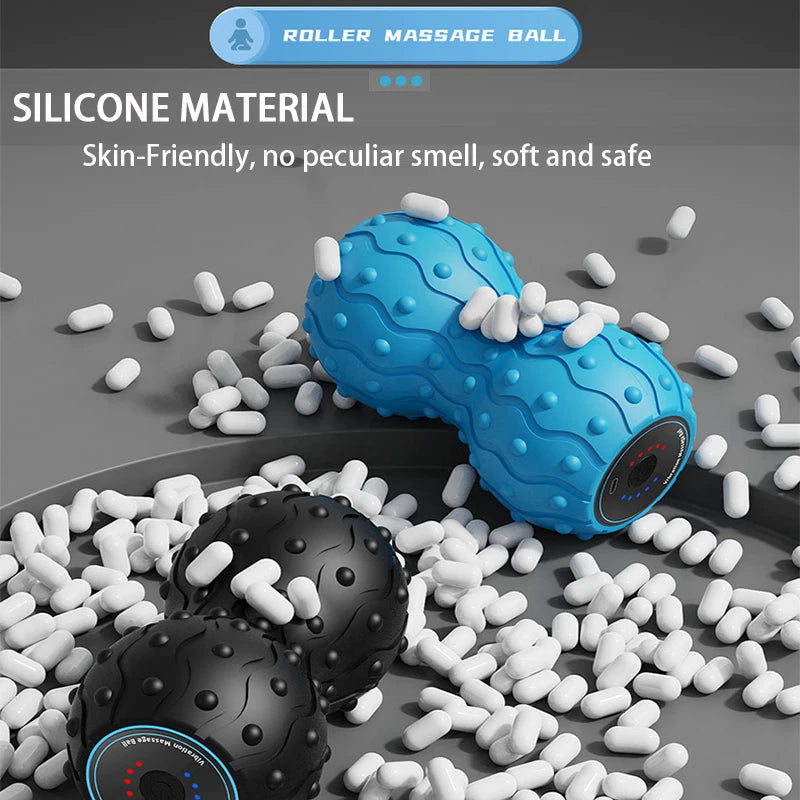
Peanut massage ball vs lacrosse ball review. See how they compare.
Why a Deep Tissue Massage Ball Fits Busy Lifestyles
Anyone balancing work, family responsibilities, exercise, or long periods of sitting can benefit from a recovery tool that is simple to use and easy to keep nearby. A deep tissue massage ball provides targeted relief without requiring electricity, large storage space, or lengthy treatment sessions, making it practical for everyday muscle maintenance.
- Time-efficient: Most muscle groups can be treated in just 3–5 minutes.
- Convenient: Use it at home, in the office, or while traveling.
- Cost-effective: Reduces reliance on frequent professional massage appointments.
- Portable: Small enough to fit in a backpack, gym bag, or desk drawer.
- Versatile: Suitable for the neck, shoulders, hips, glutes, calves, and feet.
For people looking for an easy recovery routine that fits into a busy schedule, a massage ball offers an effective balance of portability, affordability, and targeted muscle relief.
How to Use Massage Tools for Soreness Relief at Home
Using a deep tissue massage ball correctly helps maximize muscle relief while minimizing discomfort. Apply slow, controlled movements and allow your body weight to create gentle, consistent pressure rather than forcing the ball into sore muscles.
- Position the massage ball between your body and a wall or the floor.
- Lean gradually until you feel moderate, comfortable pressure.
- Roll slowly across the muscle to locate tight or tender spots.
- Pause on each trigger point for 20–30 seconds while breathing normally.
- Continue rolling for 1–2 minutes before moving to the next area.
- Repeat once daily or after workouts as needed for recovery.
Avoid rolling directly over joints, bones, or areas with acute injuries. If discomfort becomes sharp rather than mild pressure, reduce the intensity or stop the session.
This technique works especially well with a deep tissue massage ball, where optional vibration can help muscles relax during self-massage sessions.
Pros and Cons: Honest Breakdown
Deep Tissue Massage Ball
- ✅ Compact and easy to carry anywhere.
- ✅ Delivers precise pressure for muscle knots and trigger points.
- ✅ Suitable for multiple muscle groups throughout the body.
- ✅ Affordable compared with many powered recovery devices.
- ❌ Requires body positioning for certain treatment angles.
- ❌ Can feel intense for beginners until they adjust pressure.
Trigger Point Tools
- ✅ Excellent leverage for hard-to-reach upper-body muscles.
- ✅ Manual pressure offers precise control.
- ✅ Helpful for isolated trigger point treatment.
- ❌ Larger and less travel-friendly.
- ❌ Requires more practice to use effectively.
- ❌ Less versatile for lower-body rolling exercises.
Which Tool Should You Choose for Faster Recovery?
If your priority is convenient, everyday muscle recovery, a deep tissue massage ball is the most versatile option. Its compact design, precise pressure, and portability make it ideal for relieving muscle knots at home, in the office, or while traveling. Whether you're recovering after exercise or easing tension from daily activities, it delivers targeted relief with minimal setup.
A trigger point tool remains a valuable choice for people who regularly treat hard-to-reach upper-body muscles and prefer manual leverage. However, for most users looking for an affordable, full-body recovery solution, a massage ball offers the best balance of effectiveness, simplicity, and value.
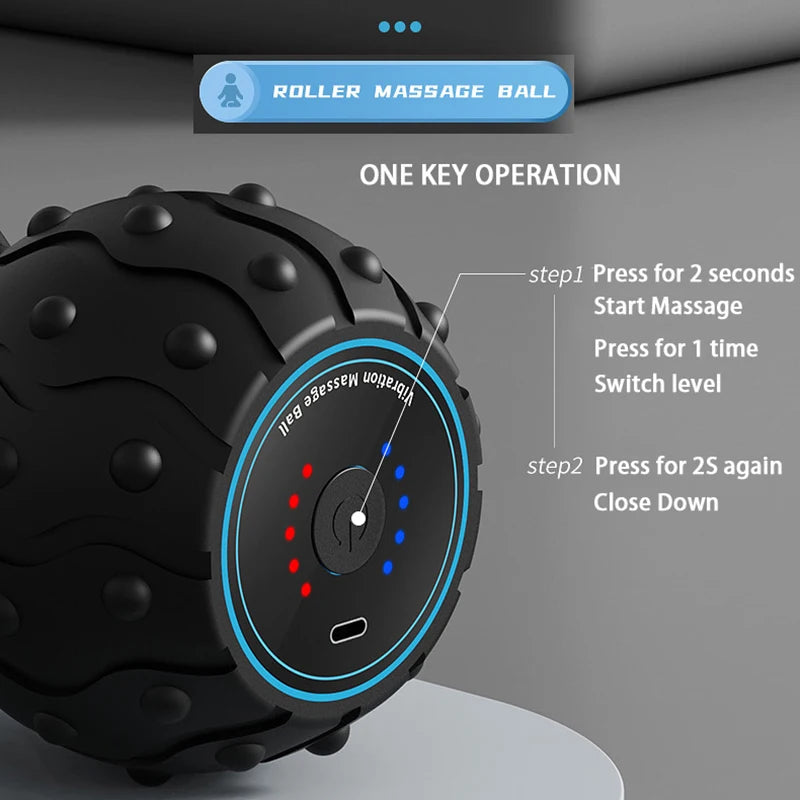
How to use massage tools for soreness relief. Try it yourself.
Experience targeted muscle relief with this deep tissue massage ball, designed for convenient daily recovery at home or on the go.
Frequently Asked Questions
What is the best deep tissue massage ball for muscle knots?
The best option depends on your needs. Firm rubber or silicone massage balls are excellent for deep trigger point therapy, while vibrating massage balls provide an additional level of muscle relaxation and comfort. Choose a size that matches the muscle groups you treat most often.
How do I use a deep tissue massage ball correctly?
Place the ball between your body and a stable surface such as a wall or the floor. Apply gentle body weight, roll slowly over tight muscles, and pause on tender areas for 20–30 seconds before moving to the next spot. Avoid rolling directly over joints or bones.
Is a peanut massage ball better than a lacrosse ball?
Each serves a different purpose. A peanut massage ball is designed to roll alongside the spine without placing pressure on the vertebrae, making it ideal for the upper and lower back. A lacrosse ball delivers more concentrated pressure for stubborn trigger points in the shoulders, hips, glutes, and feet.
Can a deep tissue massage ball replace a foam roller?
Not entirely. A massage ball is better for precise treatment of muscle knots and trigger points, while a foam roller is more effective for covering larger muscle groups such as the quadriceps, hamstrings, and upper back. Many people benefit from using both as part of a recovery routine.
How often should I use a trigger point therapy ball?
For most healthy adults, daily sessions of 3–5 minutes per muscle group are appropriate. After intense exercise, allow sore muscles to recover and avoid excessive pressure if tenderness persists.
Are deep tissue massage balls safe for beginners?
Yes. Beginners should start with gentle pressure and short sessions, gradually increasing intensity as their muscles adapt. If you have an acute injury, significant pain, or an underlying medical condition, consult a healthcare professional before beginning deep tissue self-massage.
Are vibrating massage balls worth it?
For many users, yes. Vibration can help muscles relax while maintaining targeted pressure, making sessions feel more comfortable and improving the overall recovery experience.
Pillar Article: Muscle recovery tools: Best Options Compared for Fast Relief
Other Related Articles:
- Trigger Point Handheld Massage Ball: Best vs Manual Balls
- Portable Muscle Massager Review: Best for Daily Recovery?
- Handheld Body Massager vs Massage Gun: Full Comparison
- Vibrating Massage Ball Roller vs Foam Roller: Which Wins?
Explore More:













