

Can Neck and Shoulder Massagers Help Relieve Muscle Knots?
Featured Snippet — Do neck and shoulder massagers work for muscle knots?
Yes. Neck and shoulder massagers can help relieve muscle knots by applying pressure that reduces muscle tension, improves local circulation, and temporarily decreases pain. While they are effective for many cases of mild to moderate myofascial trigger points, they do not permanently eliminate the underlying causes of recurring knots, such as poor posture, repetitive strain, or muscle weakness.
What current evidence suggests
Research on massage therapy shows that mechanical pressure can improve short-term pain relief, reduce muscle stiffness, and increase relaxation. Shiatsu-style neck and shoulder massagers mimic many of these techniques through rotating kneading nodes that compress and release tight tissues. Many users experience noticeable symptom relief after a 10–20 minute session, especially when tension is caused by prolonged desk work, exercise, or stress.
Temporary relief vs treating the underlying cause
A shoulder massager treats symptoms rather than the reason knots develop. If tight muscles are repeatedly overloaded by poor workstation ergonomics, weak postural muscles, lack of movement, or repetitive lifting, the trigger points often return. Combining massage with stretching, strengthening exercises, and improved posture typically produces longer-lasting results.
How Shoulder Massagers Break Down Muscle Knots (Science Explained)
What are muscle knots (myofascial trigger points)?
Muscle knots, commonly called myofascial trigger points, are localized areas of tight muscle fibers that remain contracted even when surrounding muscle relaxes. They often feel like tender, firm bands beneath the skin and may produce pain locally or refer discomfort into nearby regions such as the neck, shoulder blade, or upper arm.
Why trigger points develop
Trigger points commonly develop because of:
- Extended periods of poor posture
- Repetitive movements at work or during sports
- Stress-related muscle guarding
- Heavy lifting without adequate recovery
- Lack of movement throughout the day
How massage affects muscle tension and pain
A neck and shoulder massager for muscle knots applies rhythmic pressure that may help relax contracted muscle fibers while stimulating blood flow. Massage also influences the nervous system by reducing pain sensitivity and encouraging muscles to relax. Heat therapy can further increase tissue flexibility, making tight areas feel less stiff during treatment.
Shoulder massagers work best for muscle tightness caused by:
- Desk work and prolonged sitting
- Mild overuse after exercise
- Stress-related tension
- Posture-related upper trapezius tightness
Knots associated with nerve compression, severe injury, inflammatory disease, or structural problems generally require medical evaluation instead of self-treatment alone.
⏱ 7 min read
Best Shoulder Massager for Knots: Top Picks for Deep Relief, Posture & Stress (2026 Guide)
A quality shoulder massager can help reduce muscle tension, ease posture-related discomfort, and support recovery from everyday muscle tightness. Understanding how these devices work—and when they work best—helps you choose the right option and use it safely.
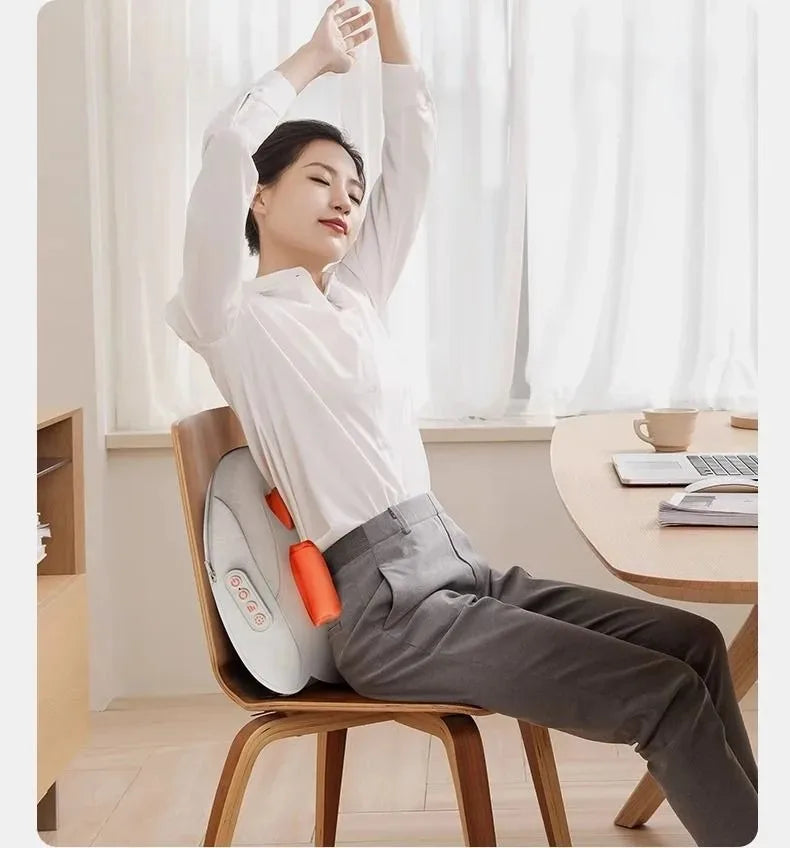
Deep-kneading shoulder massage designed to target upper trapezius tension.
When a Shoulder Massager May Not Help
Persistent pain from other conditions
Some shoulder pain originates from conditions that massage cannot resolve, including cervical disc problems, rotator cuff injuries, arthritis, frozen shoulder, or nerve compression. In these situations, massage may temporarily improve comfort but does not address the underlying disorder.
Warning signs requiring medical evaluation
- Persistent numbness or tingling
- Weakness in the arm or hand
- Pain after significant trauma
- Progressively worsening symptoms
- Fever, unexplained swelling, or redness
- Pain lasting several weeks despite self-care
Why some knots keep returning
Recurring muscle knots usually indicate that the contributing factors remain unchanged. Improving workstation ergonomics, strengthening the upper back, taking regular movement breaks, and managing stress are often just as important as massage therapy.
How a Shoulder Massager Relieves Knots, Posture Pain & Stress
Pain relief mechanisms
Shoulder massager benefits for pain relief come from a combination of mechanical pressure, gentle stretching of muscle fibers, improved circulation, and nervous system responses that reduce pain perception.
Posture-related muscle tension
People who spend hours at a computer commonly develop tight trapezius and levator scapulae muscles. A shoulder massager for posture pain relief helps relax these overworked muscles, making corrective exercises and improved posture easier to maintain.
Stress-related muscle tightness
Stress frequently causes unconscious muscle contraction around the neck and shoulders. Massage combined with optional heat encourages relaxation and may reduce the feeling of stiffness after mentally demanding days.
Expected results over time
- Immediate reduction in muscle tightness for many users
- Improved comfort after regular sessions over several weeks
- Better mobility when combined with stretching
- Reduced recurrence when posture and movement habits improve
How to Choose the Best Shoulder Massager for Muscle Knots
Features matched to knot severity
- Mild tension: Vibration or gentle kneading
- Moderate trigger points: Shiatsu rotating massage nodes
- Chronic tightness: Deep-kneading models with adjustable pressure and heat
Shiatsu vs percussion vs vibration
- Shiatsu: Best for deep, sustained pressure around the neck and shoulders.
- Percussion: Better for larger muscle groups but may feel too intense over bony areas.
- Vibration: Comfortable for sensitive users but generally less effective on stubborn trigger points.
Heat and intensity considerations
Heat therapy helps muscles relax before deeper massage, while adjustable intensity allows gradual progression without excessive soreness. Users with sensitive muscles should begin with the lowest setting before increasing pressure.
One example is the KentDO Trapezius Electric Massage Pillow , which combines deep-kneading massage with optional heat for users experiencing chronic upper trapezius tightness.
How to Use a Shoulder Massager for Knots (Step-by-Step Guide)
Recommended session length and frequency
- Use the device for 10–20 minutes per session.
- Limit treatment to 2–3 sessions per day.
- Allow sore muscles to recover between sessions.
Pressure and positioning
Position the massage nodes directly over the tightest muscle instead of pressing against the spine or bones. Start gently and increase pressure only if the massage remains comfortable.
Combine with stretching, heat and hydration
Massage is most effective when paired with gentle neck stretches, shoulder mobility exercises, adequate hydration, and frequent movement breaks throughout the day.
Common mistakes to avoid
- Applying excessive pressure to painful areas
- Using the device on acute injuries
- Massaging directly over inflamed joints
- Ignoring persistent neurological symptoms
- Using massage as the only treatment for recurring pain
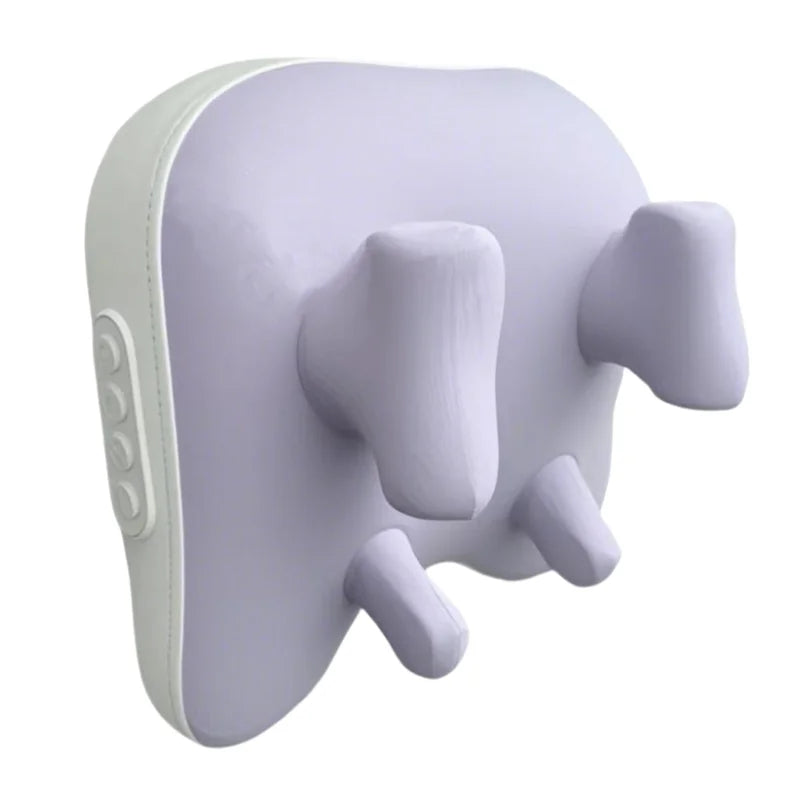
An ergonomic wrap design helps maintain consistent contact across the upper shoulders.
Deep Tissue vs Heat vs Ergonomic Wrap — Which Works Best for Knots?
When each approach is appropriate
- Deep tissue: Best for chronic trigger points and dense muscle tightness.
- Heat: Helpful before or during massage to improve comfort.
- Ergonomic wrap: Provides consistent positioning for the neck and upper shoulders.
Benefits and limitations
Deep pressure generally provides the greatest short-term improvement for stubborn knots, while heat primarily enhances comfort and relaxation. Wrap-style devices are easier to position correctly than handheld massagers but may not reach every muscle group equally well.
When to combine therapies
For many users, the most effective routine combines heat, massage, stretching, strengthening exercises, and ergonomic improvements rather than relying on a single therapy.
Who Should Avoid Using a Neck and Shoulder Massager?
Acute injuries
Avoid massage immediately after sprains, muscle tears, or significant trauma unless advised by a healthcare professional.
Nerve symptoms
If pain is accompanied by numbness, tingling, weakness, or shooting pain down the arm, consult a medical professional before using a neck and shoulder massager.
Fractures, infections and vascular conditions
Individuals with fractures, active skin infections, blood clotting disorders, or certain vascular conditions should avoid massage until medically cleared.
Pregnancy and other precautions
Pregnant individuals and anyone with implanted medical devices or complex medical conditions should discuss massage device use with their healthcare provider before treatment.
FAQ
Can neck and shoulder massagers remove muscle knots permanently?
No. They provide temporary symptom relief, but preventing recurring knots usually requires posture correction, strengthening exercises, and healthy movement habits.
How often should I use a shoulder massager for knots?
Most people benefit from 10–20 minute sessions once or twice daily. Avoid prolonged use if soreness develops.
Can massage make muscle knots worse?
Yes. Excessive pressure or prolonged massage can temporarily increase soreness. Start gently and avoid painful intensity.
Should I use heat before or after massage?
Heat before or during massage often helps muscles relax and improves comfort. Some people also benefit from gentle stretching immediately afterward.
Can shoulder massagers help desk workers with posture pain?
Yes. They often reduce tension associated with prolonged sitting, especially when combined with ergonomic workstation adjustments and strengthening exercises.
When should I see a physical therapist instead of using a massager?
If pain persists for several weeks, repeatedly returns despite self-care, or is accompanied by weakness, numbness, or loss of function, seek evaluation from a qualified healthcare professional or physical therapist.
Pillar Article: Back Massager Heated Guide: Best Use Cases for Stiff, Tired Muscles
Other Related Articles:
- Neck Massager Benefits for Different Pain Types: Which Features Help Most?
- Cervical Traction Device vs. Massager
- How to Do Cervical Traction at Home Safely
- Vibrating Back Massager Benefits
- Red Light Therapy on the Neck: Benefits
Explore More:













