

What are the key neck massager benefits?
Neck massager benefits include relieving muscle tension, improving circulation, reducing stiffness, and helping ease stress-related discomfort. By combining targeted pressure with optional heat therapy, a quality neck massager helps relax the trapezius and surrounding muscles, making it easier to move comfortably after long hours at a desk, driving, or other repetitive activities. While it is not a substitute for medical treatment, regular use can support everyday pain management and muscle recovery.
- Helps relieve tight muscles, trigger points, and stubborn knots
- Supports healthy blood circulation and reduces stiffness
- May help reduce tension headaches caused by muscle tightness
- Promotes relaxation and recovery after work, exercise, or prolonged sitting
Neck Massager Benefits: How They Work, What They Treat, and Safe Use Guide
⏱ 7 min read — Understanding neck massager benefits can help you choose a device that matches your needs. This guide explains how neck massagers work, the muscles they target, the types of discomfort they may help relieve, and how to use them safely for effective, long-term results.
Discover top-rated options
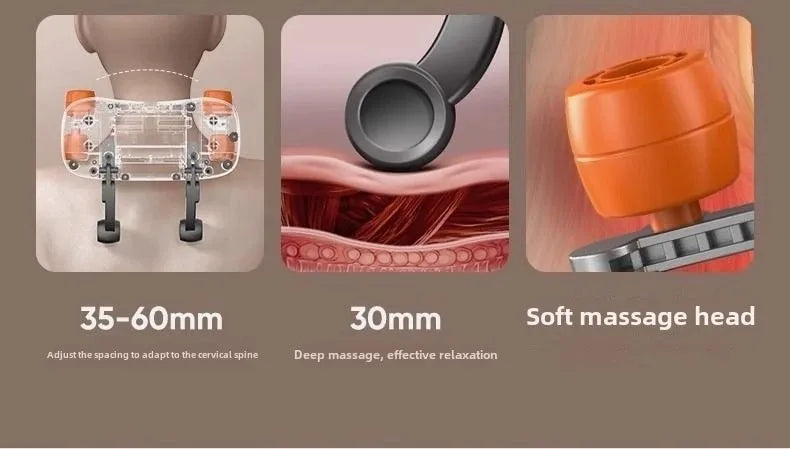
Neck massager benefits for stubborn muscle tension — See it in action
What Are the Key Neck Massager Benefits?
Pain Relief vs. Relaxation Benefits
The primary benefits of a neck massager fall into two categories: relieving musculoskeletal discomfort and promoting relaxation. Deep-kneading massage helps reduce tightness in overworked muscles, while rhythmic pressure and heat encourage relaxation by calming the nervous system. Many users notice both physical comfort and reduced stress after a session.
Immediate vs Long-Term Benefits
Some neck massage benefits are noticeable within minutes, while others develop with consistent use as part of a healthy self-care routine.
- Immediate benefits: reduced muscle tension, temporary pain relief, improved relaxation, and increased comfort.
- Long-term benefits: better neck mobility, fewer recurring muscle knots, improved recovery after daily strain, and support for healthier movement habits when combined with proper posture and stretching.
Who Benefits Most from Regular Use
People who spend long hours working at computers, commuting, driving, or performing repetitive tasks often experience the greatest neck massage benefits. Active individuals may also use neck massagers after exercise to help reduce muscle soreness, while older adults with age-related stiffness may appreciate the added comfort and improved flexibility that regular, moderate use can provide.
How Does a Neck Massager Work?
Which Muscles Does a Neck Massager Target?
A neck massager is designed to work on the muscles that commonly become tight from prolonged sitting, repetitive movements, and everyday stress. The primary targets include the upper trapezius , levator scapulae , splenius muscles , and the muscles surrounding the cervical spine. Many wearable and pillow-style devices also reach the shoulders and upper back, helping reduce tension across connected muscle groups that support posture and head movement.
How Massage Supports Circulation
Mechanical massage applies rhythmic pressure that encourages healthy blood flow to tight muscles. Improved circulation helps deliver oxygen and nutrients while supporting the removal of metabolic byproducts that can accumulate after prolonged muscle activity. Although massage does not cure underlying medical conditions, better circulation may help reduce temporary stiffness, improve flexibility, and support recovery following work, exercise, or extended periods of poor posture.
How the Nervous System Responds
Massage stimulates pressure receptors in the skin and muscles, encouraging activation of the parasympathetic nervous system—the body's natural "rest and recover" response. As muscles relax, many users experience reduced stress, lower muscle guarding, and a temporary decrease in pain perception. This relaxation response is one reason neck massager device benefits often include both physical comfort and mental relaxation.
How Heat Function in a Neck Massager Works
Many neck massagers include gentle heat therapy that complements massage by warming superficial muscle tissue. Heat can increase tissue flexibility, making tight muscles easier to massage while enhancing overall comfort during treatment. For people experiencing stiffness from desk work or cold environments, combining moderate heat with massage may provide greater short-term relief than massage alone. Heat should always be used according to the manufacturer's instructions and avoided on areas with acute inflammation or reduced sensation.
Benefits of a Neck Massager for Different Conditions
Neck Massager Benefits for Neck Pain
Muscle-related neck pain commonly develops after extended computer use, driving, or repetitive activities. Regular massage sessions can help reduce muscle tightness, improve flexibility, and temporarily increase range of motion, making everyday movements more comfortable.
Can Neck and Shoulder Massagers Help Relieve Muscle Knots?
Yes. Deep-kneading massage nodes apply alternating pressure to trigger points and tight muscle bands, helping muscles gradually relax. While persistent trigger points may require professional evaluation, home massage can often reduce discomfort associated with everyday muscle knots.
Can a Neck Massager Help with Chronic Neck Pain?
For chronic muscle-related discomfort, a neck massager may provide ongoing symptom relief when used consistently alongside stretching, posture improvements, and regular physical activity. It should not replace diagnosis or treatment for conditions involving nerve compression, structural abnormalities, or significant injury.
Benefits for Stress, Headaches & Posture
Stress frequently causes people to tighten their shoulders and neck without realizing it. Relaxing these muscles may help reduce stress-related tension headaches, improve comfort during daily activities, and make it easier to maintain healthier posture throughout the day when combined with proper workstation ergonomics.
How Neck Massager Features Improve Results
Deep Kneading Massage
Rotating massage nodes imitate the feel of kneading hands, applying consistent pressure to tight muscles. This feature is especially helpful for localized knots, upper trapezius tightness, and discomfort caused by prolonged desk work.
Heat Therapy
Integrated heat gently warms muscle tissue before and during massage. The added warmth can improve comfort, promote muscle relaxation, and make stiff areas feel less resistant to movement, particularly during cooler weather or after long periods of inactivity.
Adjustable Intensity
Multiple intensity settings allow users to customize pressure based on comfort and symptom severity. Lower settings are generally better for sensitive muscles or first-time users, while higher settings may be appropriate for well-conditioned muscles experiencing deeper tension.
Ergonomic Design
An ergonomic shape helps maintain consistent contact with the neck, shoulders, and upper back without requiring awkward positioning. Even pressure distribution improves comfort during treatment and helps target larger muscle groups more effectively.
Are Neck Massagers Good for You? Safety, Risks & Limitations
Who Should Avoid Using One
For most healthy adults, a neck massager is safe when used as directed. However, it may not be appropriate for everyone. Consult a healthcare professional before use if you have a recent neck injury, cervical spine instability, severe osteoporosis, nerve disorders, uncontrolled high blood pressure, blood clotting conditions, implanted medical devices, or have recently undergone surgery involving the neck or upper back.
Side Effects of Heated Neck Massagers
When used excessively or at high heat settings, a heated neck massager may cause temporary skin redness, mild soreness, or irritation. Using excessive pressure can also leave muscles feeling tender, particularly after the first few sessions. If discomfort increases rather than improves, discontinue use and allow the muscles to recover before trying a lower intensity.
When to Stop and Seek Medical Advice
Stop using the device immediately if you experience severe pain, numbness, tingling that worsens, dizziness, weakness, swelling, or symptoms that persist despite several days of conservative care. A neck massager is intended to support muscle relaxation and should not be used to treat serious spinal injuries, fractures, infections, or neurological conditions without medical guidance.
Safe Usage Guidelines
- Limit each session to approximately 10–20 minutes.
- Begin with the lowest comfortable intensity and increase gradually if needed.
- Avoid placing massage pressure directly over injured, swollen, or inflamed tissue.
- Use heat on moderate settings and check your skin periodically during treatment.
- Never fall asleep while the device is operating.
- Stop immediately if massage causes sharp pain or worsening symptoms.
Best Settings and How Often to Use a Neck Massager
Best Settings by Goal
The ideal settings depend on your symptoms rather than using the strongest available intensity.
- Mild stiffness: Low intensity with optional gentle heat for 10–15 minutes.
- Muscle knots: Medium intensity with deep-kneading massage for 15–20 minutes.
- Post-workout recovery: Moderate intensity and heat to encourage muscle relaxation.
- Stress relief: Gentle massage with light heat in a quiet environment.
How Often Should You Use a Neck Massager?
Most people benefit from using a neck massager three to five times per week. Daily use can also be appropriate when sessions remain moderate in intensity and muscles are allowed adequate recovery. If soreness develops, reduce either the frequency or massage intensity.
Recommended Session Length
Most manufacturers recommend sessions lasting between 10 and 20 minutes. Shorter sessions are often sufficient for everyday tension, while longer sessions should only be used within the device's recommended operating limits. Many people find evening use particularly effective because relaxed muscles may contribute to improved comfort before bedtime.
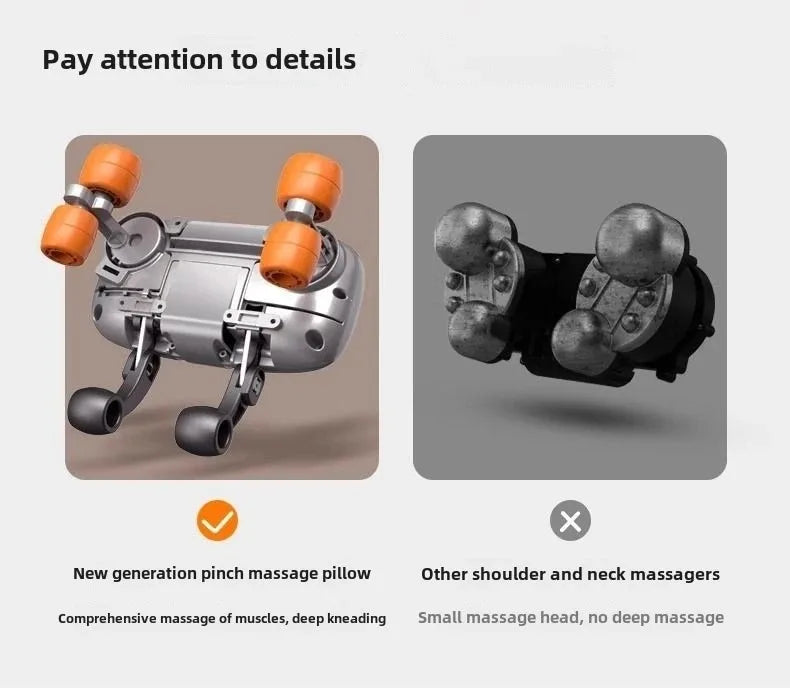
Explore neck massager benefits across different pain types — Try it with heat mode
Learn how this device targets multiple pain types
Comparison Table: Which Neck Massager Feature Helps Your Pain Type?
| Pain Type | Best Feature | Why It Works | Best For |
|---|---|---|---|
| Muscle knots | Deep-kneading massage nodes | Applies consistent pressure to tight trigger points | Desk workers, athletes, frequent drivers |
| Neck stiffness | Heat therapy | Improves comfort and encourages muscle relaxation | Morning stiffness and reduced flexibility |
| Stress-related headaches | Gentle massage mode | Helps relax tense neck and shoulder muscles | People with muscle tension from stress |
| General fatigue | Ergonomic design | Maintains even contact across larger muscle groups | Daily recovery and overall comfort |
How to Use a Neck Massager Correctly
Step-by-Step Guide
- Place the massager so the massage nodes rest comfortably against your neck and upper shoulders.
- Start with the lowest intensity setting to allow your muscles to adjust.
- Increase the pressure gradually until you feel firm but comfortable massage without pain.
- Turn on the heat function if desired to help loosen tight muscles and improve comfort.
- Massage for 10–20 minutes, following the manufacturer's recommended session length.
- After your session, gently stretch your neck and shoulders and stay hydrated to support muscle recovery.
Common Mistakes
- Starting with the highest intensity instead of building up gradually.
- Using the device directly over injured, swollen, or bruised areas.
- Extending sessions beyond the recommended duration.
- Ignoring persistent pain, numbness, or increasing discomfort.
- Relying solely on massage without addressing posture or workstation ergonomics.
How to Maximize Benefits
For the best neck massage benefits, combine regular massage with stretching, posture correction, ergonomic workstation adjustments, and frequent movement breaks throughout the day. Consistency typically provides better long-term results than occasional high-intensity sessions.
What to Look for in a Neck Massager
Essential Features
- Multiple adjustable intensity levels for personalized comfort.
- Optional heat therapy with automatic safety shutoff.
- Ergonomic design that fits comfortably around the neck and shoulders.
- Deep-kneading massage nodes that reach larger muscle groups.
- Durable construction, breathable materials, and easy-to-use controls.
Choosing by Pain Type
Select features based on your primary symptoms. Deep-kneading massage is well suited for persistent muscle knots, heat therapy can improve comfort for stiffness, while gentler massage modes are ideal for stress relief, mild soreness, or users with increased sensitivity.
Home vs Portable Devices
Home models often provide larger massage nodes, stronger motors, and more massage programs for extended sessions. Portable and travel-friendly devices prioritize convenience, lighter weight, and easier storage, making them suitable for office use, commuting, or travel. Choose the option that best fits how and where you expect to use the device most frequently.
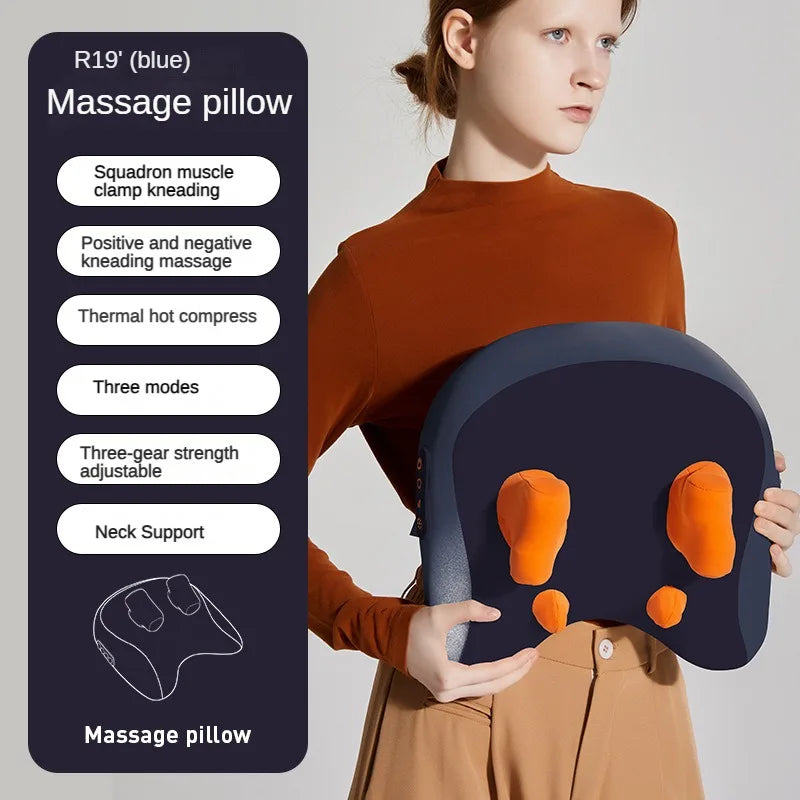
Neck massager benefits that support daily comfort — Try the KentDO Pillow
Get yours now — limited stock!
FAQ
How often should you use a neck massager?
Most people benefit from using a neck massager three to five times per week. Daily use is generally acceptable when sessions remain within the recommended duration and a comfortable intensity level.
Is a neck massager good for you every day?
Yes, many healthy adults can safely use a neck massager daily if they avoid excessive pressure and limit sessions to approximately 10–20 minutes. If soreness develops, reduce the frequency or intensity.
Can a neck massager help with chronic neck pain?
A neck massager may help reduce muscle-related chronic discomfort by improving relaxation and decreasing tension. However, it is not a substitute for medical evaluation or treatment of underlying spinal, neurological, or structural conditions.
Can neck and shoulder massagers help relieve muscle knots?
Yes. Deep-kneading massage nodes can help loosen tight muscle fibers and trigger points, improving comfort and flexibility for many users experiencing everyday muscle tension.
Which muscles does a neck massager target?
Most neck massagers primarily target the upper trapezius, levator scapulae, cervical paraspinal muscles, and portions of the shoulder muscles that commonly become tight from poor posture and repetitive activity.
How does heat function in a neck massager?
The heat function gently warms superficial muscle tissue, helping muscles relax before and during massage. This combination may improve comfort and temporarily reduce stiffness compared with massage alone.
Pillar Article: Back Massager Heated Guide: Best Use Cases for Stiff, Tired Muscles
Other Related Articles:
Explore More:













