

A back massager heated can provide temporary relief from muscle tightness and everyday back tension by combining warmth with massage. Used at a comfortable intensity and for a limited session, it can be a convenient way to relax stiff muscles after prolonged sitting, work, or exercise.
How to Use a Heated Back Massager for Maximum Relief (Step-by-Step Guide)
⏱ 12 min read. Learning how to use a heated back massager correctly can make sessions more comfortable and effective. The best approach is to check the device first, position it over muscular areas rather than directly over the spine, begin with low heat and gentle pressure, and follow the manufacturer's recommended session time. Heat and massage may temporarily ease muscle tension, but they should not be treated as a cure for unexplained or persistent back pain.
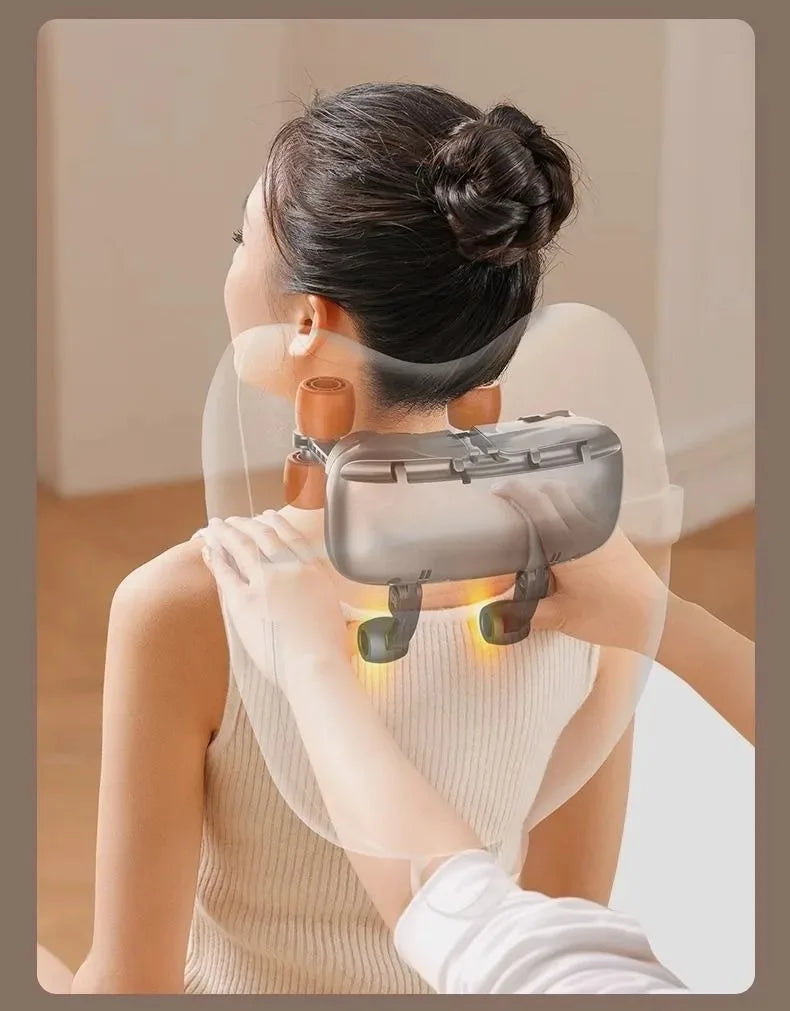
Back Massager Heated - KentDO See it in action
Quick Answer: How to Use a Heated Back Massager
The best way to use a heated back massager is to start with a comfortable position, check the device and your skin, select low heat and gentle massage intensity, and gradually adjust the settings based on comfort. Keep the device moving or positioned according to its instructions rather than applying concentrated pressure to one spot for too long.
- Check the device: Make sure the massager, power cord, controls, and heat function appear to be in good condition.
- Choose your position: Sit or recline with your back supported so you do not need to strain to hold the device in place.
- Start gently: Begin with low heat and the lowest comfortable massage intensity.
- Position it over muscle: Target the upper back, shoulders, or lumbar muscles without placing concentrated pressure directly over the spine.
- Limit the session: Follow the manufacturer's instructions; if no specific duration is provided, a short session of around 10–20 minutes is a practical starting point.
- Check how you feel: Stop if the area becomes painful, excessively hot, numb, irritated, or otherwise uncomfortable.
Heat should feel comfortably warm rather than hot or burning. Staying awake and attentive during use is important so you can respond quickly if the device causes discomfort.
How Heat and Massage Work Together
How Heat Therapy Works for Back Pain
Heat can make tight muscles feel more relaxed and may temporarily reduce the sensation of stiffness. Warming the area can also increase local blood flow, which is one reason heat is commonly used as a comfort measure for muscular tension. Massage adds mechanical pressure or movement that may further reduce the feeling of tightness and promote relaxation.
For everyday muscle tension, this combination can be useful as part of a broader comfort routine. However, temporary symptom relief does not necessarily address the underlying cause of back pain. Persistent, recurrent, severe, or unexplained pain should be assessed by an appropriate healthcare professional rather than managed solely with a massager.
Does Heat Improve Massage Effectiveness?
Heat can make massage feel more comfortable when muscles are stiff, allowing some users to tolerate gentle massage more easily. The combination of warmth and massage may therefore provide greater perceived relaxation than either approach alone.
That does not mean more heat or stronger pressure produces better results. Excessive temperature, aggressive pressure, or prolonged use can irritate the skin and muscles. The goal is comfortable, controlled stimulation—not maximum intensity.
- Heat: Helps create a warming, relaxing sensation and may ease stiffness.
- Massage: Provides mechanical stimulation to muscular areas.
- Together: Can provide convenient temporary comfort for everyday muscle tension.
- Limitations: Neither heat nor massage should be relied on to diagnose or treat the underlying cause of persistent back pain.
Step-by-Step: How to Use a Heated Back Massager
Step 1: Check the Device and Prepare Your Body
Before switching on a heated back massager, inspect the device for visible damage and make sure the controls and heat function work normally. Read the manufacturer's instructions, particularly the recommended duration, heat settings, placement instructions, and any warnings specific to the model.
Wear comfortable clothing or use the device as directed by the manufacturer. Avoid placing a heating element against irritated or damaged skin.
Step 2: Position the Massager Correctly
Sit in a supportive chair, recline on a sofa, or use the device in another position recommended by the manufacturer. Place the massager so that its massage mechanism contacts the muscular area you want to relax.
For most back-focused devices, avoid deliberately pressing massage nodes directly into the bony spine. The aim is to work the surrounding muscles, not the spinal bones or other sensitive structures.
Step 3: Start With Low Heat and Intensity
Turn the heat and massage intensity to their lowest comfortable settings. Give your body time to adjust before increasing either setting. Heat should feel soothing and warm, not painfully hot.
If you have reduced sensitivity to heat, be particularly cautious because you may not notice excessive warmth as quickly as someone with normal skin sensation.
Step 4: Adjust Pressure and Target Tension Areas
Once the initial setting feels comfortable, gradually adjust the massage intensity if needed. Let the device provide the pressure rather than leaning your full body weight into it.
Target muscular areas such as the upper back, trapezius, shoulder-blade region, and muscles alongside the lower back. If the sensation becomes sharp, painful, excessively intense, or causes numbness or tingling, reduce the intensity or stop the session.
Step 5: Use for the Right Duration
Keep the first few sessions short and follow the manufacturer's recommended usage time. If the device does not specify a duration, around 10–20 minutes is a reasonable general starting range for many consumer massage devices.
Longer sessions are not automatically more effective. Prolonged heat or repeated pressure can increase the chance of skin irritation, soreness, or overheating.
Step 6: Cool Down and Assess How You Feel
Turn off the device and allow your skin and muscles to return to a normal temperature. Gentle movement or stretching may help you transition back to normal activity if it feels comfortable.
Pay attention to how your back feels during the hours after the session. If symptoms become worse rather than better, discontinue use and reconsider whether massage is appropriate for the problem.
How to Position a Heated Back Massager for Different Areas
Upper Back and Shoulder Positioning
For upper-back and shoulder tension, position the massager over the muscles surrounding the shoulder blades and trapezius area. A supported seated or slightly reclined position can help keep your shoulders relaxed while the device works.
Avoid forcing the device into the neck or directly against prominent bones. If a pillow-style massager is designed for the shoulders and trapezius, use its intended positioning rather than trying to extend it into areas not covered by the manufacturer's instructions.
Lumbar and Lower Back Positioning
For lower-back tightness, position the device over the muscular area of the lumbar region while keeping your posture comfortable. Do not deliberately place concentrated massage pressure directly over the spine.
A slightly reclined position may reduce the amount of body weight pressing against the device. If the massage feels too intense in the lower back, reduce the intensity or reposition the device rather than leaning harder into it.
Heated Seat Massager Positioning
For a seated model, place the cushion or massage pad evenly on the chair according to the manufacturer's instructions. Your lower back should contact the intended massage area without excessive pressure from your body weight.
During desk work, keep your normal ergonomic setup rather than using the massager as a substitute for proper chair height, screen positioning, movement breaks, or posture changes.
Targeting Stiff Muscles Safely
A back massager with heat for stiff muscles should be positioned over soft tissue rather than bony structures. Start with gentle pressure and work around the tense area instead of repeatedly pressing the most sensitive point.
If the source of the stiffness is unclear, or if symptoms include numbness, weakness, significant swelling, or worsening pain, stop using the massager and seek appropriate medical advice.
Best Way to Use a Heated Back Massager for Different Types of Tension
For Stiff Muscles
For ordinary muscle stiffness, start with low or moderate heat and gentle massage. Allow the area to warm gradually, then use comfortable pressure for a short session. Avoid trying to force a tight muscle to relax by using the highest intensity.
This approach can provide temporary comfort while leaving enough time afterward for normal movement and gentle stretching.
For Posture-Related Tension
Long periods of sitting can contribute to tension around the upper back, shoulders, and neck. Position the massager over the affected upper-back muscles and use a comfortable setting rather than focusing on one painful spot.
Massage works best as part of a broader routine that includes regular movement and an appropriate workstation setup. A posture correction guide can provide additional strategies for reducing recurring tension.
For Lower Back Tightness
Use gentle heat and moderate or low massage intensity over the muscular portion of the lower back. Avoid direct pressure over the spine and stop if the sensation becomes sharp, radiating, numb, or otherwise unusual.
A heated massager may help with temporary muscular comfort, but it should not be used to mask persistent or unexplained lower-back symptoms indefinitely.
For Post-Workout Muscle Tension
After exercise, use a comfortable heat setting and gentle massage rather than aggressive pressure on already sore muscles. Keep the session short and assess how your body responds.
Normal post-exercise soreness should generally improve with time and recovery. If pain is severe, sudden, associated with substantial swelling, or significantly limits movement, massage may not be appropriate and professional assessment may be warranted.
Benefits of a Heated Back Massager
The benefits of a heated back massager are primarily related to comfort and temporary relief from muscular tension. Combining warmth with massage can be especially appealing when stiffness is associated with prolonged sitting, routine physical activity, or general muscle fatigue.
- Temporary muscle-tension relief: Warmth and massage may make tight muscles feel more relaxed.
- Greater comfort: Heat can create a soothing sensation during a massage session.
- Reduced feeling of stiffness: Gentle massage may make movement feel more comfortable after prolonged inactivity.
- Relaxation: A short massage session can be incorporated into a wind-down routine.
- Convenience: At-home devices provide an accessible option when professional massage is not practical.
- Combined therapy experience: Heat and massage can be used together when both settings are comfortable and appropriate for the user.
These benefits should be viewed as supportive rather than curative. A heated massager can help you manage temporary discomfort, but it does not identify or correct the underlying cause of ongoing back pain. Combining massage with sensible movement, ergonomic adjustments, and other appropriate back pain relief techniques may provide a more complete approach to everyday muscle tension.
Heated Seat Massager Benefits and How to Use One Effectively
Benefits of Heated Seat Massagers
Heated seat massager benefits include convenient warmth and massage while you remain seated. They can be useful for people who experience temporary back stiffness after extended periods at a desk or while relaxing at home.
- Provides warmth while seated
- May temporarily ease lower-back muscle tension
- Can make prolonged sitting more comfortable
- Provides a hands-free massage option
- Can be incorporated into short relaxation breaks
A seat massager should complement—not replace—regular movement. Remaining in one position for hours can continue to contribute to discomfort even when a massage device provides temporary relief.
How to Position a Heated Seat Massager
Secure the seat massager evenly on a stable chair and position the back section according to the manufacturer's instructions. Sit normally rather than leaning heavily into the massage mechanism. Check that the heating element is contacting the intended area without creating excessive pressure or heat.
For an office setup, keep your feet supported and maintain a comfortable working position. For home use, a reclined posture may be appropriate if the product is designed for it.
How to Relieve Back Tension While Sitting
If you use a heated seat massager during desk work, choose a low heat setting and a gentle massage mode. Take regular movement breaks instead of running the device continuously throughout the workday.
Never assume a seat massager is safe to use while driving simply because it fits on a vehicle seat. Only use a device in a vehicle when its manufacturer specifically permits that use and its operation does not interfere with safe driving or vehicle controls.
How Long and How Often Should You Use a Heated Back Massager?
Recommended Session Length
Follow the specific time limit in your device's instructions. When no clear duration is provided, a short session of approximately 10–20 minutes is a practical starting point for many users. First-time users can begin with less time and increase gradually only if the experience remains comfortable.
How Often to Use It
There is no single frequency that is right for everyone or every device. Short sessions can be repeated according to the manufacturer's instructions and your comfort level. Avoid automatically increasing frequency simply because a session feels good at first.
If you find yourself needing a heated massager repeatedly to manage the same back pain, consider discussing the recurring symptoms with a healthcare professional rather than continually increasing device use.
When to Increase or Reduce Intensity
Increase heat or massage intensity only gradually and only when the lower setting feels comfortable. There is no need to use maximum intensity to achieve useful relaxation.
Reduce intensity or stop when you notice burning, excessive warmth, skin redness that persists, sharp pain, numbness, tingling, dizziness, or worsening symptoms.
Common Heated Back Massager Mistakes to Avoid
Using Heat That Is Too High
More heat does not necessarily mean more relief. Excessive heat can cause discomfort, skin irritation, or burns, particularly when the device remains against one area for an extended period. Use the lowest setting that feels comfortably warm and follow the product's instructions.
Applying Too Much Pressure
Do not lean your full body weight into massage nodes or deliberately force the device into a painful spot. Excessive pressure can increase soreness and may make a sensitive area feel worse.
Using the Device for Too Long
Longer sessions are not automatically better. Prolonged heat and repetitive massage can irritate the skin or muscles. Use the manufacturer's time limit and give your body a chance to recover between sessions.
Falling Asleep During a Session
Do not fall asleep while using a heated back massager. Even if the device has an automatic shut-off feature, remaining awake allows you to notice excessive heat, pain, numbness, or other unexpected sensations and stop the session promptly.
Safety Tips: When NOT to Use Heat Therapy or Massage
When to Avoid Heated Massagers
- Do not use heat over open wounds, damaged skin, or areas with significant irritation.
- Avoid massage over a recent injury when pressure or heat could worsen symptoms.
- Use extra caution if you have reduced sensitivity to heat or difficulty detecting temperature changes.
- Do not use a heated massager while sleeping.
- Follow your healthcare professional's advice if you have a condition for which heat or massage may be inappropriate.
- Do not use the device if its cord, heating element, controls, or housing appear damaged.
If you are unsure whether heat or massage is appropriate because of an existing medical condition, injury, surgery, medication, or reduced sensation, check with a qualified healthcare professional before use.
When to Stop Using the Device
Stop the session immediately if pain worsens, the skin becomes excessively hot or irritated, or you experience numbness, tingling, dizziness, weakness, or another unusual symptom. Do not attempt to push through pain simply to complete a scheduled session.
Red-Flag Symptoms That Need Medical Advice
A heated back massager is intended for comfort, not diagnosis. Seek prompt medical evaluation for severe or rapidly worsening back pain, significant weakness or numbness, new loss of bladder or bowel control, numbness around the groin or saddle area, or other serious or unusual symptoms.
Persistent or unexplained back pain should also be evaluated rather than repeatedly treated at home with heat and massage alone.
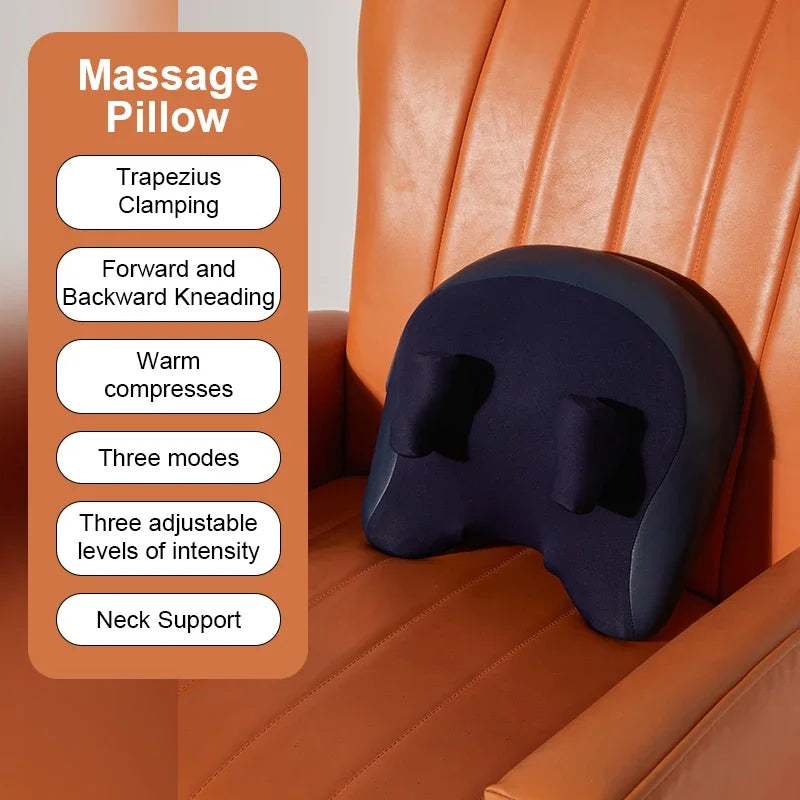
Back Massager Heated - KentDO Perfect for home recovery
Featured Product: KentDO Trapezius Electric Massage Pillow
The KentDO Trapezius Electric Massage Pillow is designed for targeted massage around the neck, shoulders, and upper-back area. Its pillow-style design can fit the positioning approach described above, particularly when the goal is to work on muscular tension around the trapezius and upper back.
How to Use It for Upper-Back and Shoulder Tension
For product-specific use, follow the instructions supplied with the KentDO Trapezius Electric Massage Pillow. Position the pillow so its massage mechanism rests comfortably against the intended muscular area, begin with a gentle setting, and use the heat function only at a comfortable level.
Do not force the pillow against the spine or neck, and do not lean heavily into the massage mechanism to increase pressure. Product-specific controls, session limits, and heat settings should take priority over general guidance in this article.
Pros & Cons
| Pros | Cons |
|---|---|
| Adjustable heat & intensity | Limited battery life if cordless |
| Ergonomic design for shoulders & neck | Not full-back coverage |
| Compact & portable | May be too firm for sensitive users |
| Easy to clean | Requires careful positioning |
Back Massager Heated - KentDO Perfect for office & home use
FAQ: Heated Back Massager Usage
How long should I use a heated back massager per session?
Follow the manufacturer's recommended session time. If the device does not provide a specific duration, around 10–20 minutes is a practical starting point for many users. Shorter sessions may be appropriate for first-time users or anyone sensitive to heat or massage.
Can I use a heated back massager every day?
Some people can use a heated massager regularly for short sessions, provided the device instructions allow it and the sessions remain comfortable. Daily use is not appropriate if it causes increasing soreness, skin irritation, or worsening symptoms.
What is the best heat setting for a back massager?
The best setting is the lowest level that feels comfortably warm without burning, stinging, or irritating the skin. Start low and increase gradually only if needed. Maximum heat is not required for effective relaxation.
Does heat improve massage effectiveness?
Heat may make stiff muscles feel more relaxed and can make gentle massage more comfortable. The combination may provide temporary relief from tension, but stronger heat or massage is not necessarily better and neither method treats every cause of back pain.
Can I use a heated back massager for stiff muscles?
Yes, a heated back massager can be useful for temporary comfort from ordinary muscular stiffness when used gently. Position it over soft tissue rather than directly over the spine, start with low heat and intensity, and stop if symptoms worsen or become unusual.
How can I use a heated seat massager to relieve back tension effectively?
Position the seat massager evenly according to its instructions, sit normally without leaning excessively into the massage mechanism, and start with low heat and gentle intensity. Use short sessions and take regular movement breaks rather than relying on the device continuously while sitting.
Can I fall asleep while using a heated back massager?
No. Stay awake and attentive while using a heated massager. An automatic shut-off feature can provide an additional safety measure, but it should not be treated as permission to sleep while the device is operating.
When should I stop using a heated back massager?
Stop if you experience worsening pain, excessive heat, burning, persistent skin irritation, numbness, tingling, weakness, dizziness, or another unusual symptom. Seek medical advice for persistent, severe, unexplained, or worsening back pain rather than continuing to rely on massage alone.
Related Articles:
- Neck Massager Benefits for Different Pain Types: Which Features Help Most?
- Best Shoulder Massager Uses: What Works for Knots, Posture Pain & Stress
Pillar Articles:













