

But not all devices are created equal. Below, we directly compare the common options so you can pick what actually works for **quick muscle recovery**.
Types of Recovery Devices Compared: Pros, Cons & How They Work
php-template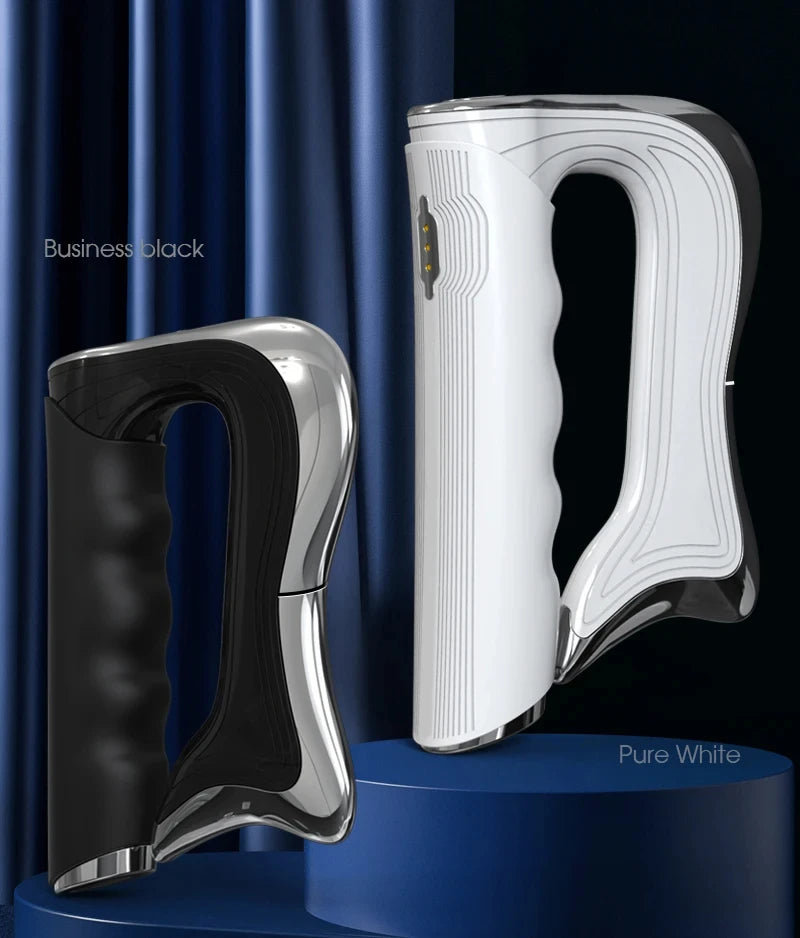
💡 See the device in action (body recovery massage example)
Electric Vibrating Massagers (Percussive / Vibration Tools)
These handheld devices deliver pulses or vibrations into muscle tissue to reduce tension, increase blood flow, and ease soreness.
| Feature | Pros | Cons |
|---|---|---|
| Intensity & depth | Strong percussive action reaches deep fascia | Can be uncomfortable on acute injury zones |
| Ease of use | Simple one-hand control, portable | Requires holding angle and care around joints |
| Time efficient | Quick 1–3 minute per muscle group sessions | Short sessions may miss deep soreness in large muscles |
| Cost & options | Wide range from $50–$400 | Lower end may lack power or battery life |
Electrical Muscle Stimulation (EMS) / TENS Hybrid Pads
EMS devices use electrical pulses to stimulate muscle contractions or nerve modulation. They can relieve pain or promote muscle activation during rest phases.
| Feature | Pros | Cons |
|---|---|---|
| Versatility | Multiple modes for pain relief, strength, circulation | Requires electrode placement, may tingle |
| Hands-free | You can move or rest freely while pads work | Pads need skin contact and sometimes gel |
| Safety profile | Low risk when used properly | Not for users with pacemakers or implants |
| Cost & design | Compact & wearable options available | Battery/pad replacements add up |
Other Tools (Foam Rollers, Massage Balls, Percussive Guns + Attachments)
While not electric, foam rollers and balls remain staples. They rely on pressure, not vibration, for tissue release.
- ✅ Budget-friendly, no power or charging needed
- ✅ Great for trigger points or small areas
- ❌ More time consuming for large muscle groups
- ❌ Requires manual body effort (hands, arms)
Best Use Cases for Each Device Type
vbnetWhen to Use an Electric Vibrating Massager
Use this when you feel deep knots in quads, calves, glutes, or back after heavy lifts. The pulsation helps break up adhesions and restore flexibility fast.
When EMS / Electrical Stimulation Shines
If you have low-level soreness or want to promote circulation without soreness, EMS pads are ideal. They're especially good for users recovering from fatigue or microtrauma who can’t tolerate percussive shock every day.
Complementary Tools for “Maintenance Days”
On light recovery days, foam rolling or massage balls are low-cost and effective to augment electric therapy. They’re perfect to combine with massagers or EMS devices for layered benefit.
How to Choose the Right Recovery Tool for Deep Muscle Pain
php-templateAsk yourself these questions:
- How deep is your soreness? (superficial tightness vs deep muscle ache)
- Do you prefer a hands-on device or a wearable hands-free pad?
- Is portability and battery runtime important to you?
- Do you have any contraindications (implants, skin sensitivity)?
Then, compare in this quick checklist:
- Power & amplitude (for percussive massagers)
- EMS modes, pulse frequency, and pad layout
- Ergonomic design and ease of grip or attachment
- Warranty, pad replacements, and customer support
Top Device Reviews & Rankings
php-templateHere’s a side-by-side summary of top recovery devices (electric vibrating + EMS) tested across criteria like intensity, usability, comfort, and price.
| Device | Type | Best For | Limitations |
|---|---|---|---|
| KentDO Electric Fascia Massage Blade | Electric vibrating | Deep tissue on back, legs, glutes | Hefty bulk, some noise |
| EMS & Massage Hybrid Pad X | EMS + vibration | Low-level soreness, recovery days | Pads wear out, mild on big muscles |
| Percussive Gun Y (Premium) | Percussive massager | High amplitude and speed | Costly, loud, heavy for travel |
| Foam Roller / Massage Ball Z | Manual tool | Trigger point release, mobility days | Slow over big muscles, requires effort |
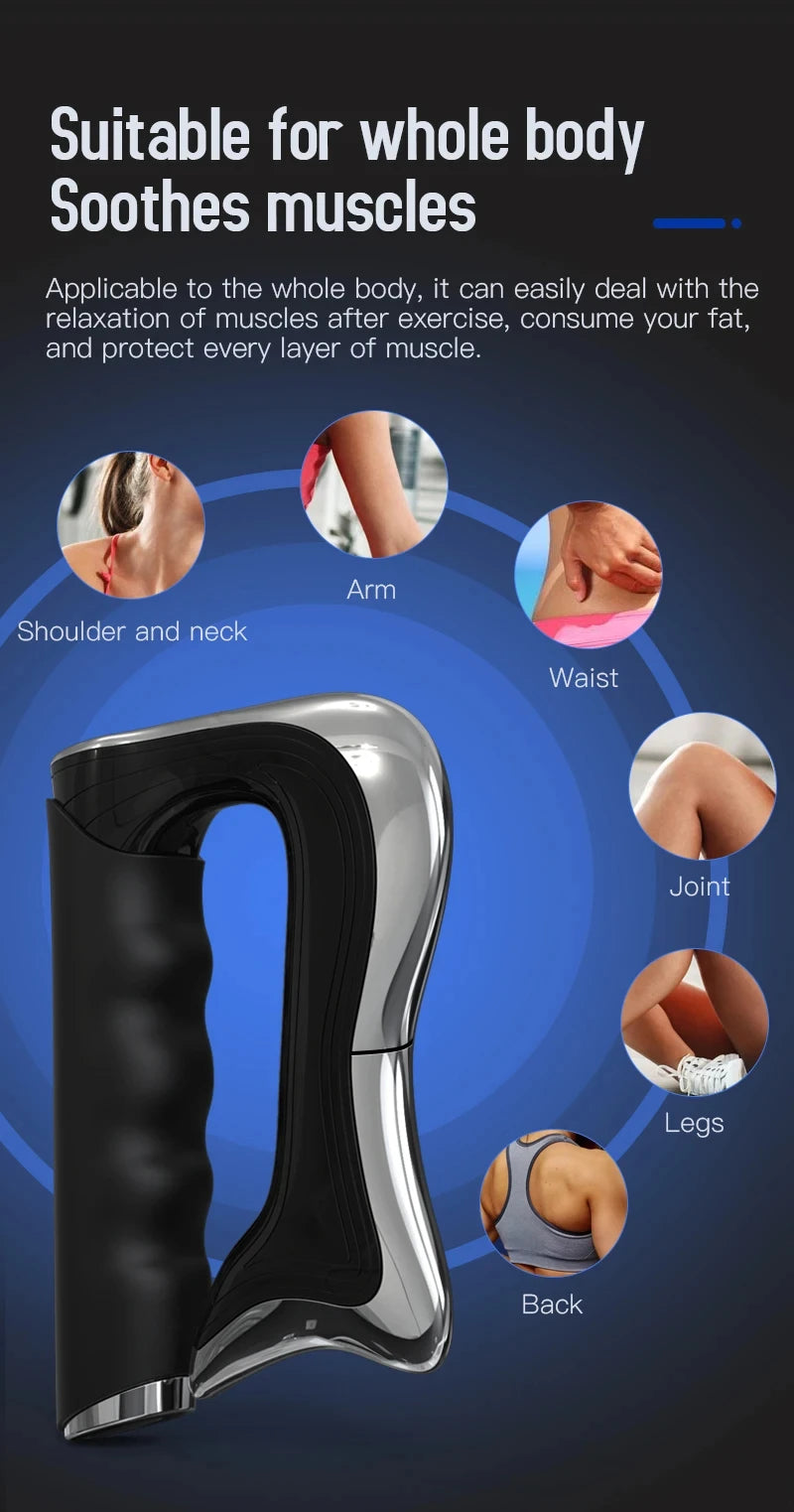
💡 Visualize how a fascia blade works
Overall, the **KentDO Electric Fascia Massage Blade** stands out for its blend of power, ergonomics, and result consistency. You can find it here: KentDO Electric Fascia Massage Blade.
What Real Users Say
“After switching to the KentDO blade, my muscle soreness dropped in half and recovery felt smoother.” – A. Smith, CrossFit athlete
“The EMS pad was excellent for my rest days—no fatigue, steady circulation boost.” – J. Lee, runner
Tips to Enhance Your Post-Workout Recovery
- Use the device when your muscles are warm (post-exercise or after a warm bath).
- Limit 2–3 minutes per large muscle area, shorter for tender spots.
- Follow up with stretching or mobility work.
- Alternate between vibration and EMS methods on different days.
- Stay hydrated and get protein within 30 minutes after training.
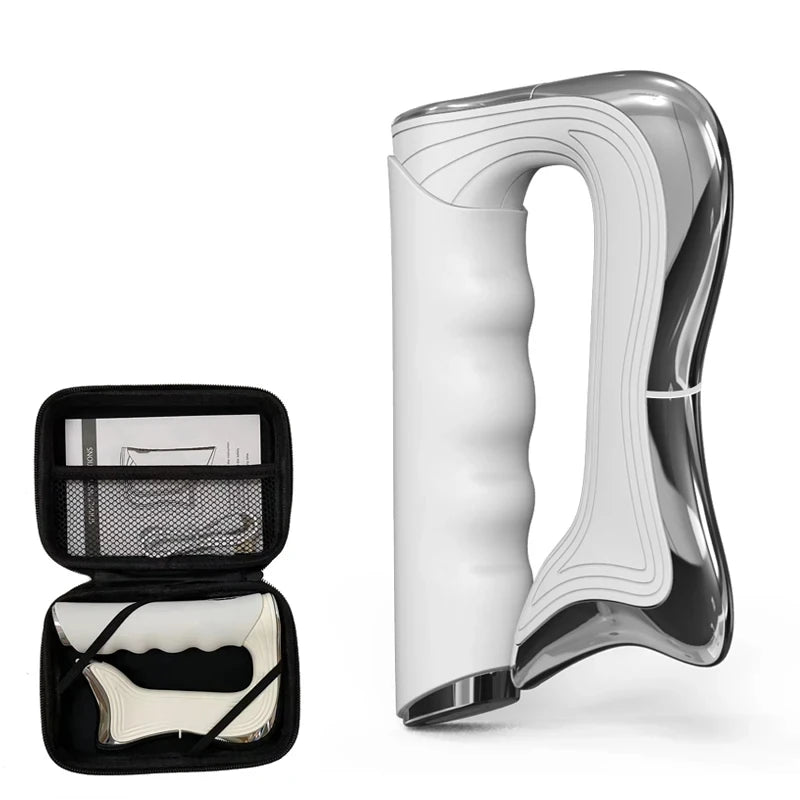
💡 Final look: combine techniques for best results
Why the KentDO Blade Often Wins for Quick Muscle Recovery
Combining high amplitude vibration with an ergonomic frame, the KentDO blade effectively targets stiff, deep tissue without requiring you to manage added awkward angles. As a versatile recovery solution, it’s ideal for athletes and daily gym-goers.
Pillar Article: Do Fascia Blasters Work? The Real Results You Need to Know Before Buying
Other Related Articles:
- Fascia Release Tools Ranked: The 5 You’ll Actually Use Consistently
- Myofascial Release Tennis Ball or Lacrosse Ball? The Better Choice Explained
- Fascia Release Yoga vs Foam Rolling: Which Delivers Faster Recovery?
- Hand Electric Massager Reviews: Top 7 Devices That Melt Away Deep Muscle Tension
Explore More:













