

Electrical Muscle Stimulation Pads: Complete Guide to EMS Pads, TENS Pads, and How to Choose the Right Ones
Do electrical muscle stimulation pads really work?
Electrical muscle stimulation pads work by delivering controlled electrical impulses through adhesive electrodes placed on the skin. These signals stimulate targeted muscles to create contractions, supporting muscle activation, recovery routines, and training support when used correctly.
Unlike TENS pads, which are commonly used for nerve stimulation and comfort-focused applications, electrical muscle stimulation pads are designed to engage muscle fibers directly. Understanding the difference between EMS and TENS pads helps you choose the right option for your goals.
Electrical muscle stimulation pads are often confused with TENS pads—but choosing the wrong type can lead to poor results, unnecessary replacements, or frustration during use. Whether you want muscle support, recovery assistance, or a more effective home routine, knowing how EMS and TENS pads differ is essential.
⏱ 5 min read
Explore high-quality solutions designed for comfort, adhesion, and reliable performance: Body Care and Health Devices
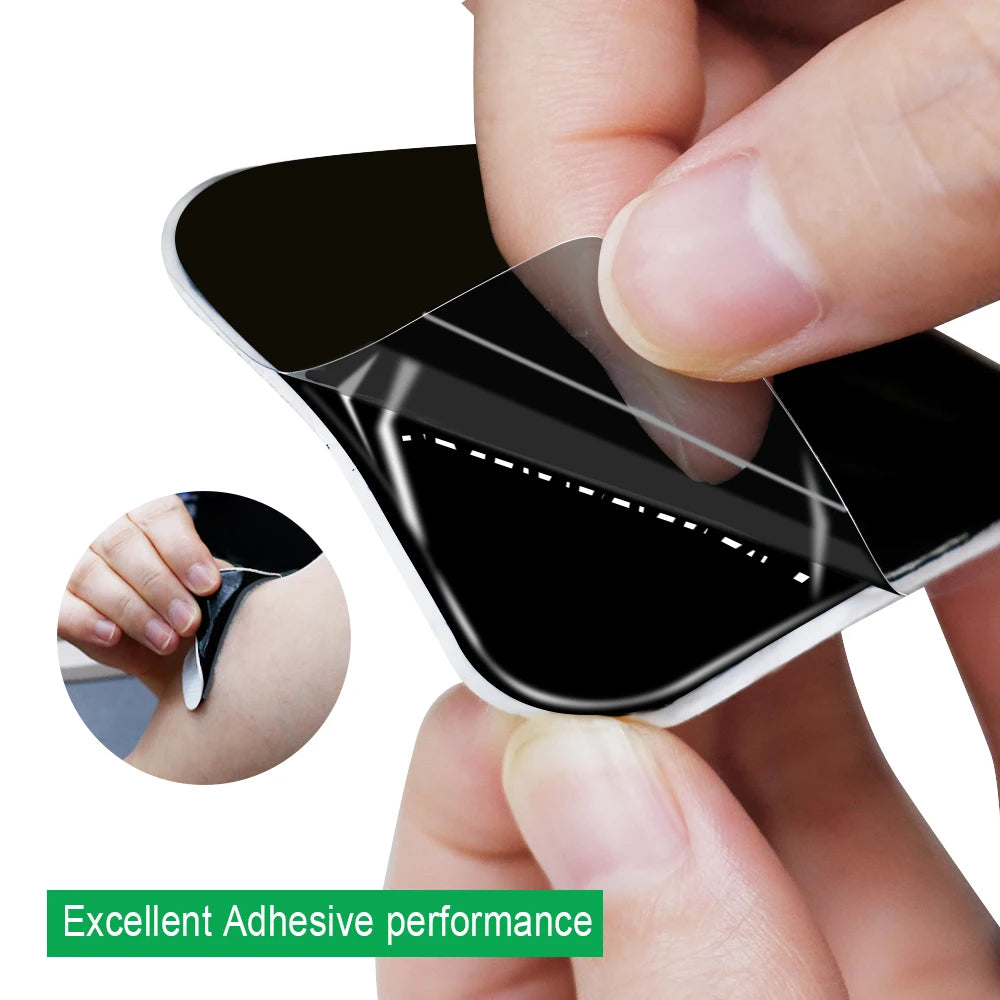
See it in action - electrical muscle stimulation pads / reusable vs disposable tens pads comparison, top rated tens pads for muscle recovery, which tens pads have strongest adhesion
What Are Electrical Muscle Stimulation Pads and How Do They Work?
Electrical muscle stimulation pads are adhesive electrode pads that deliver controlled electrical signals through the skin to activate targeted muscles. These pads connect to an EMS device and help create muscle contractions that support training, recovery, and muscle activation.
How EMS Stimulation Pads Send Signals to Muscles
EMS stimulation pads transfer electrical impulses from the device to specific muscle areas. The signals encourage muscles to contract, similar to how the nervous system activates movement naturally.
Proper pad placement, device settings, and consistent use all influence how effectively electrical stimulation pads perform.
How Electrical Stimulation Pads Support Muscle Activation and Recovery
Many users choose electrical stimulation pads for muscle activation, relaxation, and recovery support. EMS pads can complement exercise routines by helping engage targeted muscle groups, but they are not designed to replace normal physical activity.
EMS Pads vs TENS Pads: Key Differences You Should Know
Although EMS and TENS pads look similar, they serve different purposes. EMS pads focus on stimulating muscles and creating controlled contractions, while TENS pads are generally used for nerve stimulation and comfort-focused electrical stimulation.
EMS Pads vs TENS Pads: Purpose, Stimulation Type, and Common Uses
- EMS pads: Designed to stimulate muscles and create controlled contractions.
- TENS pads: Designed to deliver electrical stimulation through nerves.
- EMS units: Commonly used for muscle activation, training support, and recovery routines.
- TENS units: Commonly used for non-invasive electrical stimulation applications.
Electrical Muscle Stimulation Pads vs TENS Pads Comparison Table
Choosing between EMS and TENS pads depends on your goal, device compatibility, stimulation type, and preferred application area.
| Feature | EMS Pads | TENS Pads |
|---|---|---|
| Primary Purpose | Muscle stimulation and contraction | Nerve stimulation and comfort support |
| Best For | Muscle activation, fitness support, recovery routines | Targeted electrical stimulation applications |
| Sensation | Muscle tightening or contracting feeling | Tingling or buzzing sensation |
| Common Users | Athletes, active users, recovery routines | People seeking electrical stimulation support |
Which one suits you best? If your priority is muscle engagement and stimulation, EMS pads are usually the better match. If your goal is nerve-focused electrical stimulation, TENS pads may be more suitable.
Reusable vs Disposable TENS Pads Comparison: Which Option Is Better?
Not all stimulation pads are created equal. Material quality, adhesive strength, and maintenance affect comfort, performance, and replacement frequency.
Reusable EMS and TENS Pads: Benefits and Long-Term Value
- Designed for multiple sessions
- Lower replacement costs over time
- Better choice for consistent routines
- Less waste compared with single-use options
For regular use, reusable options like tens electrode pads reusable pain relief can provide better long-term value when properly maintained.
Disposable Stimulation Pads: Convenience and Replacement Costs
- Convenient for occasional use
- No cleaning required
- Usually require more frequent replacement
- May become less economical with regular sessions
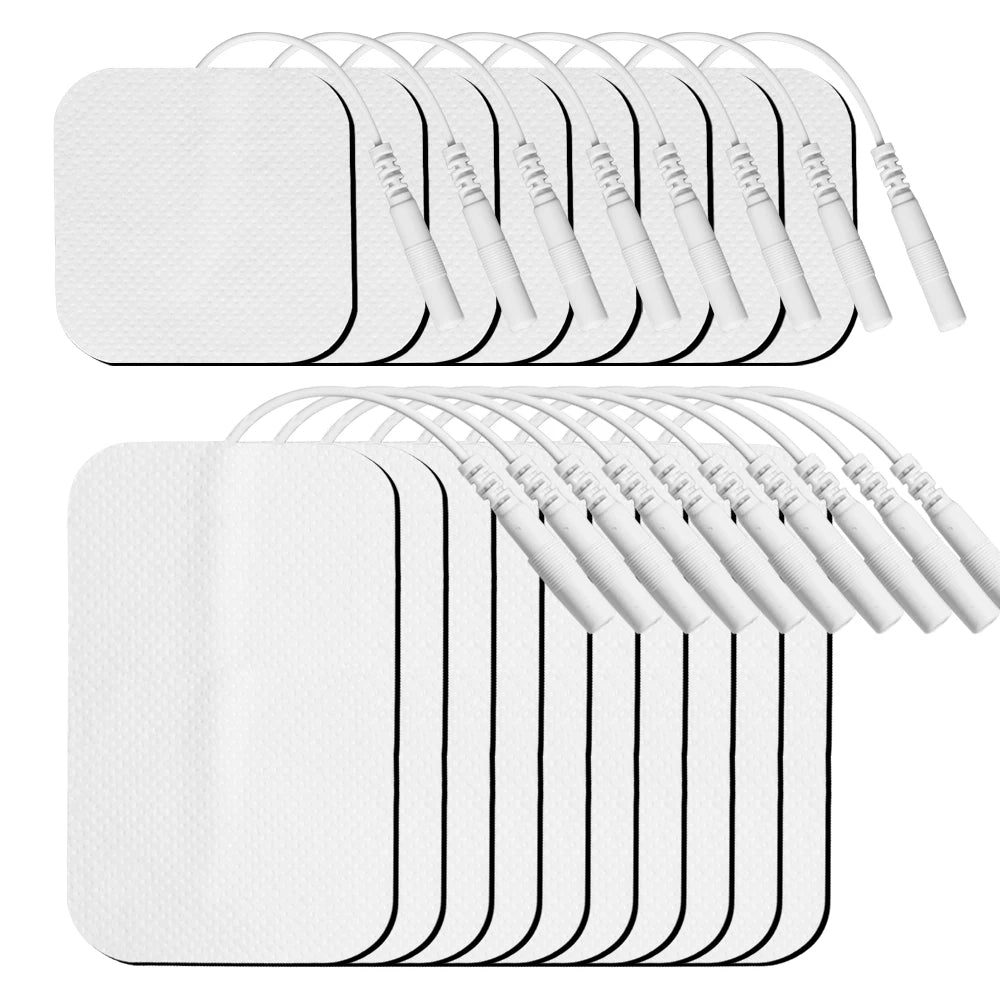
See it in action - electrical muscle stimulation pads / reusable vs disposable tens pads comparison, top rated tens pads for muscle recovery, which tens pads have strongest adhesion
How to Choose the Best EMS Pads for Muscle Stimulation
The best EMS pads for muscle stimulation depend on electrode quality, compatibility, comfort, adhesion strength, and how often you plan to use them.
Check Device Compatibility Before Buying EMS Pads
Before purchasing replacement pads, confirm that the connector type, pad shape, and electrode design match your EMS or TENS device.
Look for Strong Adhesion, Quality Electrodes, and Comfortable Materials
- Strong adhesive layers that stay attached during movement
- Reliable electrode materials for consistent stimulation
- Skin-friendly materials for repeated use
Choosing the Right Pad Size and Shape for Placement Areas
Larger pads can cover wider muscle areas, while smaller pads may provide more targeted placement depending on the body area and device instructions.
Upgrade your routine with reliable solutions from: Body Care and Health Devices
EMS Pads Placement Guide: Where to Place Electrical Stimulation Pads
Proper EMS pad placement helps deliver stimulation more effectively. Placement depends on the target muscle group, device instructions, and your intended use.
Common EMS Pad Placement Areas
- Leg muscles
- Arms and shoulders
- Back muscle areas
- Other targeted muscle groups recommended by the device guide
Mistakes That Reduce Stimulation Effectiveness
- Placing pads on unsuitable areas
- Using worn-out adhesive pads
- Ignoring device instructions
- Applying pads to unclean or damp skin
Why EMS Pads Stop Sticking and How to Make Them Last Longer
EMS pads can lose adhesion because of repeated use, skin oils, residue buildup, or improper storage. Weak adhesion may reduce comfort and make stimulation feel inconsistent.
How to Store and Clean Reusable EMS Pads
- Store pads in protective packaging when not in use
- Keep adhesive surfaces clean
- Avoid excessive heat and moisture exposure
- Follow product care instructions
When to Replace Electrical Stimulation Pads
Replace EMS pads when they no longer stick properly, stimulation feels uneven, or the adhesive surface becomes damaged.
Reliable options like tens electrode pads reusable pain relief are designed for repeated use with proper maintenance.
Are EMS Pads Safe? Important Usage Considerations
EMS pads are generally designed for safe use when operated according to manufacturer instructions. Proper placement, suitable intensity settings, and following safety guidelines are important for a better experience.
Who Should Avoid Electrical Muscle Stimulation Pads?
People with certain medical conditions or implanted electronic devices should consult a healthcare professional before using electrical stimulation products.
FAQs
Can EMS Pads Replace Exercise?
No. EMS pads can support muscle activation and recovery routines, but they do not replace regular exercise, strength training, or natural movement.
How Long Do EMS Pads Usually Last?
Reusable EMS and TENS pads commonly last around 20–30 uses depending on pad quality, cleaning, storage, and frequency of use.
Are Strong Adhesion EMS Pads Better?
Strong adhesion helps keep pads positioned correctly and supports consistent electrical contact during use.
Can EMS Pads Be Used Every Day?
Many users can include EMS pads in a daily routine when following device instructions. Avoid excessive use and follow recommended session times.
Why Do EMS Pads Stop Sticking?
EMS pads usually lose stickiness because of repeated use, skin residue, improper storage, or worn adhesive surfaces.
Upgrade your recovery with trusted, long-lasting pads:
tens electrode pads reusable pain relief
Pillar Article: Best tens pads: Top picks compared for comfort & adhesion
Other Related Articles:
- electrode pads for tens unit: reusable vs disposable compared
- pads for tens 7000 review: compatibility & performance compared
- muscle stimulation electrodes compared: EMS vs TENS uses
- tens gel pads vs standard pads: which lasts longer?
Explore More:













