

Are Reusable or Disposable Electrode Pads for TENS Unit Better?
Reusable and disposable electrode pads for TENS unit can both provide effective electrical stimulation, but the better choice depends on how often you use your device, your skin sensitivity, and your preference for convenience or long-term savings. Reusable pads are usually more cost-effective for frequent users, while disposable pads offer quick replacement and maximum hygiene.
Electrode Pads for TENS Unit: Reusable vs Disposable Compared & Buying Guide
Choosing the right electrode pads for tens unit can affect comfort, stimulation quality, and overall therapy experience. Many users notice problems such as weak stimulation, pads losing stickiness, or frequent replacements when they choose the wrong type. This guide compares reusable and disposable TENS pads while covering compatibility, sizes, lifespan, maintenance, and buying factors.
⏱ 6 min read
Curious which pads deliver the best results for your needs?
Discover high-performance electrode pads designed for comfort and durability
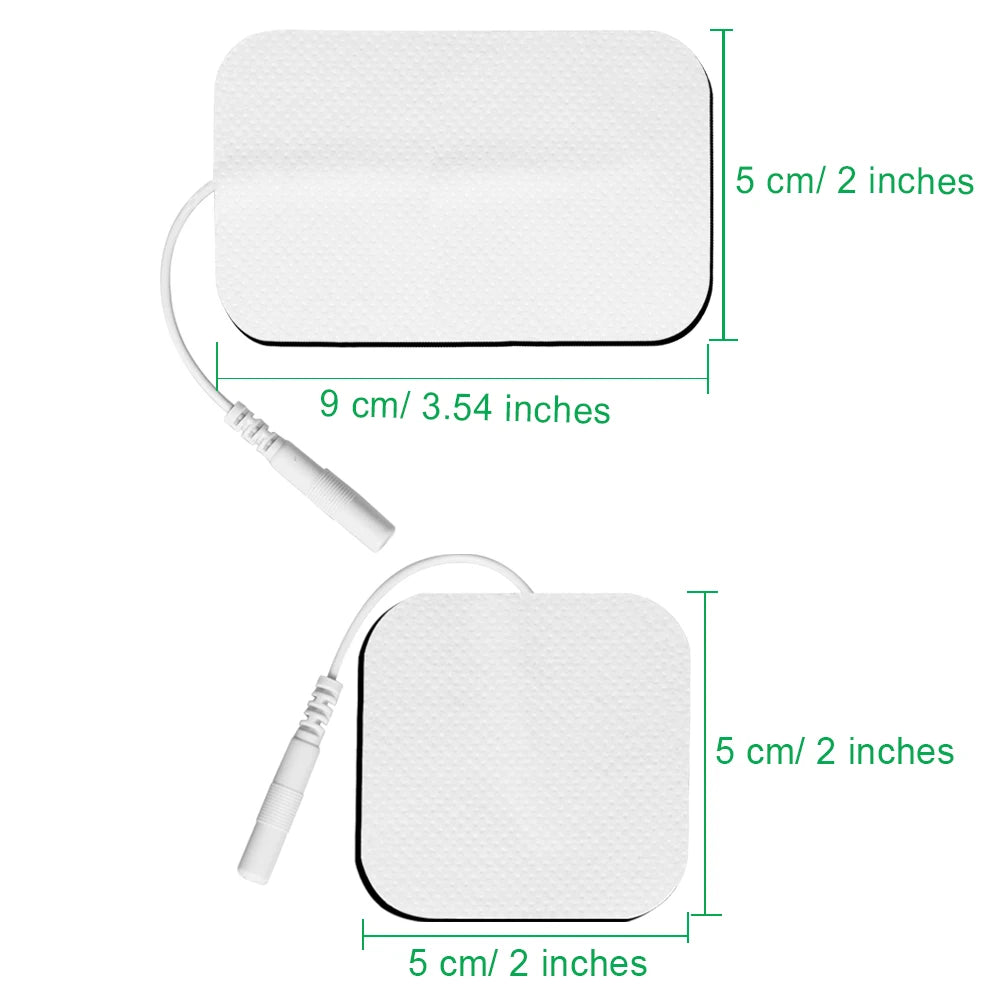
See it in action - electrode pads for tens unit / durable tens pads for muscle stimulation devices, buy reusable gel pads for tens unit, non woven tens electrode pads strong adhesion
Which type fits your lifestyle best—long-term savings or quick convenience? Keep reading to find out.
What Are Electrode Pads for TENS Unit and How Do They Work?
TENS unit electrode pads are self adhesive conductive pads that transfer gentle electrical impulses from a TENS device into the skin. These impulses stimulate sensory nerves, helping reduce pain perception while supporting comfortable muscle stimulation.
How electrical stimulation travels through the pads
Each pad connects to the TENS unit through lead wires. Conductive gel evenly distributes electrical current across the treatment area, helping reduce concentrated sensations and improving comfort during sessions.
Why gel technology matters
Gel electrode pads for TENS unit use conductive hydrogel to improve electrical transmission and skin adhesion. Higher-quality gel materials typically provide more consistent stimulation, better comfort during longer sessions, and improved usability.
Why pad quality affects comfort and conductivity
- Improves current distribution
- Provides stronger adhesion
- Maintains consistent stimulation
- Reduces uncomfortable hot spots
- Extends usable lifespan
Understanding how TENS therapy works and proper placement can also improve results. Explore our related guides on TENS therapy techniques and TENS pad placement for additional support.
TENS Unit Electrode Pad Compatibility Guide
Not every replacement TENS unit pad works with every device. Before purchasing, check the connector type, pad dimensions, and lead wire compatibility rather than choosing based only on appearance.
Pin connector pads
Pin connectors are common on many consumer TENS devices. They are widely available and provide many replacement options.
Snap connector pads
Snap-style electrode pads use metal button connectors that attach securely to compatible lead wires. This design is common across many professional and home-use systems.
Proprietary connector systems
Some manufacturers use unique connector designs that only work with specific accessories. Always check your device instructions before ordering replacement pads.
- Check connector style first.
- Verify pad dimensions.
- Confirm lead wire compatibility.
- Purchase from reputable suppliers.
Electrode Pad Sizes and Best Uses by Treatment Area
Choosing the correct electrode pad size helps distribute electrical stimulation evenly and improves comfort across different treatment areas.
Small pads
Small electrode pads are useful for wrists, elbows, ankles, and smaller muscle groups where precise placement is needed.
Medium pads
Medium pads are suitable for shoulders, calves, forearms, and moderate treatment areas.
Large pads
Large pads are often preferred for lower back, thighs, and larger muscle groups where wider coverage is beneficial.
Multiple-pad placement considerations
Many TENS applications use two or four pads positioned around the treatment area to create an effective stimulation pathway. Correct placement is often as important as pad selection.
Reusable vs Disposable Electrode Pads: Complete Comparison
Both reusable electrode pads for TENS unit and disposable electrode pads for TENS unit can deliver effective therapy. The best option depends on treatment frequency, hygiene needs, maintenance preference, and budget.
| Feature | Reusable Pads | Disposable Pads |
|---|---|---|
| Cost over time | Lower long-term cost | Higher replacement cost |
| Adhesion | Strong when maintained properly, declines with use | Consistent adhesion for each use |
| Conductivity | Good with proper care | Reliable when new |
| Hygiene | Requires cleaning and storage | Fresh pad every session |
| Environmental impact | Creates less waste | More frequent disposal |
| Best use case | Daily or frequent therapy | Travel or occasional sessions |
Reusable pads
- Lower cost per session
- Suitable for frequent therapy
- Can often be reused dozens of times with proper care
- Require proper storage
Disposable pads
- Maximum convenience
- No cleaning required
- Useful when hygiene is a priority
- Higher ongoing replacement cost
For many home users, reusable pads provide better long-term value, while disposable options are useful when convenience matters most.
Want longer-lasting performance without constant replacements?
Buy reusable gel pads for tens unit and experience consistent relief
How Long Do TENS Electrode Pads Last?
How long TENS electrode pads last depends on usage frequency, skin preparation, storage habits, and pad quality.
Typical lifespan
- Light users: 30–50 sessions
- Moderate users: 20–40 sessions
- Heavy users: 10–25 sessions
Factors affecting longevity
- Dirty skin
- Body oils
- Hair affecting adhesion
- Improper storage
- Excessive stretching during removal
Usage frequency examples
A person using a TENS unit five times per week may replace reusable pads every four to eight weeks depending on maintenance and pad quality.
Can TENS Electrode Pads Be Reused Safely?
Yes. Most reusable TENS electrode pads are designed for repeated use until adhesion or conductivity noticeably declines.
Safe reuse practices
- Apply only to clean, dry skin.
- Replace protective film after each use.
- Store inside a sealed pouch.
- Avoid touching the gel surface.
When replacement is necessary
Replace pads when they become damaged, contaminated, lose adhesion, or create uneven stimulation.
When to Replace TENS Unit Pads
Replacement pads provide safer and more consistent stimulation than worn-out electrodes.
Signs replacement is needed
- Pads no longer stick well.
- Electrical sensation becomes inconsistent.
- Gel becomes dry or cracked.
- Edges begin curling.
- Skin irritation increases.
- Visible contamination appears.
How to Make Self Adhesive TENS Pads Last Longer
Proper maintenance helps extend the lifespan of self adhesive TENS pads while maintaining reliable conductivity.
- Wash and dry skin before treatment.
- Remove pads slowly.
- Replace protective plastic sheets immediately.
- Store pads away from heat.
- Keep dust, lotions, and oils away from gel surfaces.
- Avoid stretching pads during removal.
How to Choose the Best Electrode Pads for TENS Unit
The best electrode pads for TENS unit depend on treatment goals, device compatibility, and personal comfort.
Consider connector compatibility
Verify whether your device uses pin, snap, or proprietary connectors before buying replacement pads.
Consider treatment frequency
Daily users generally benefit from reusable pads, while occasional users may prefer disposable options.
Consider skin sensitivity
If you experience irritation, choose quality gel materials and replace pads when they no longer maintain comfortable contact.
Consider treatment area
Select pad size based on the muscle group or area being treated.
Common Problems and Troubleshooting
Pads won't stick
Clean the skin, remove oils, and make sure pads are stored correctly with protective films in place.
Weak stimulation
Check lead wires, connector fit, battery condition, and pad quality before increasing intensity.
Uneven stimulation
Replace worn pads and confirm both electrodes have full skin contact.
Hot spots or discomfort
Adjust placement, reduce intensity, and replace pads if the gel surface is worn.
Frequently Asked Questions
Can TENS electrode pads be reused?
Yes. Reusable pads can typically be used multiple times until adhesion or conductivity noticeably declines.
How long do TENS electrode pads last?
Most reusable pads last approximately 20–50 treatment sessions depending on care and usage.
Are gel electrode pads better?
Quality hydrogel generally improves comfort, conductivity, and even current distribution.
Are reusable electrode pads worth it?
Reusable pads are often worth it for frequent users because they reduce replacement costs over time.
Can I wash electrode pads?
No. Most conductive gel pads should not be washed. Clean your skin instead and store pads properly after use.
How do I know when to replace TENS unit pads?
Replace pads when they lose adhesion, stimulation becomes inconsistent, or visible wear develops.
Which connector type should I buy?
Match the connector style required by your TENS unit before purchasing replacement pads.
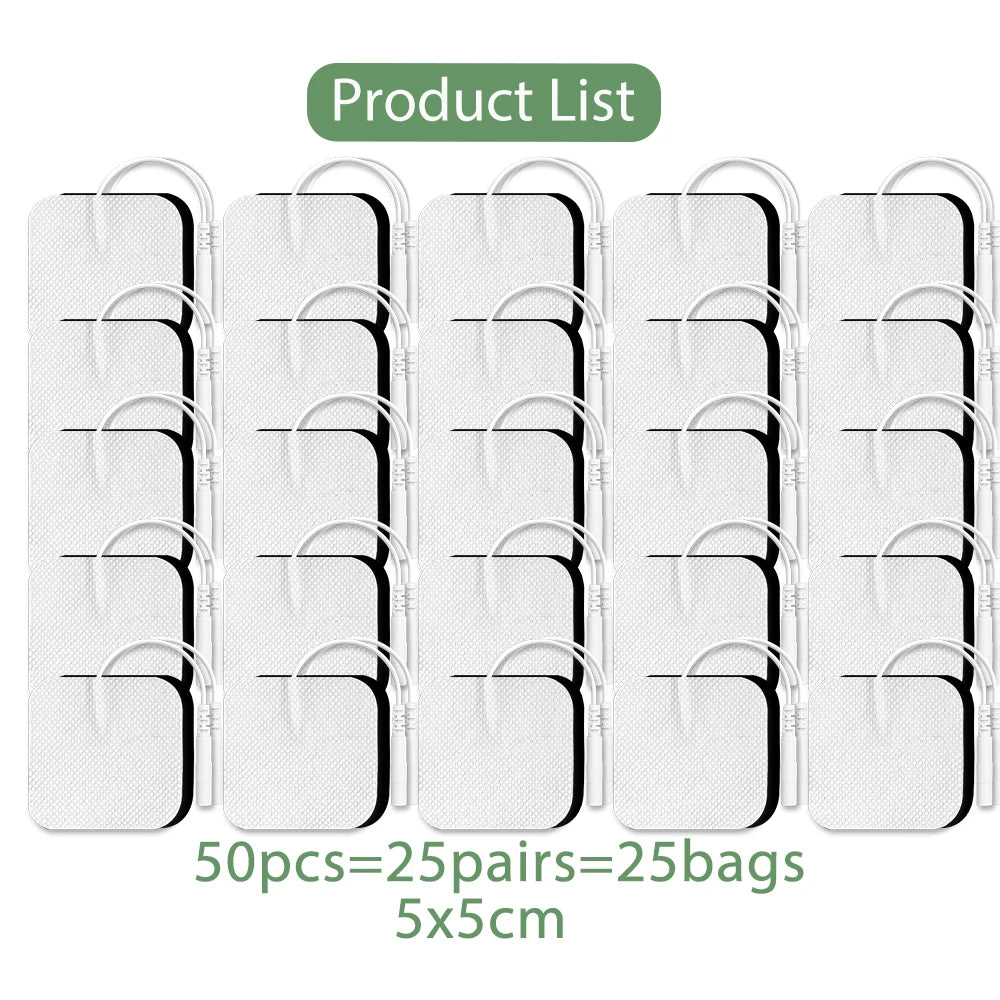
See it in action - electrode pads for tens unit / durable tens pads for muscle stimulation devices, buy reusable gel pads for tens unit, non woven tens electrode pads strong adhesion
Ready for better results and longer-lasting performance?
Pillar Article: Best tens pads: Top picks compared for comfort & adhesion
Other Related Articles:
- electrical muscle stimulation pads vs TENS pads: key differences
- pads for tens 7000 review: compatibility & performance compared
- muscle stimulation electrodes compared: EMS vs TENS uses
- tens gel pads vs standard pads: which lasts longer?
Explore More:













