

Electronic Muscle Stimulator Pads: Complete Buying Guide, Compatibility, Sizes & Replacement Tips
Electronic muscle stimulator pads are adhesive electrodes that transfer electrical impulses from an EMS device into your muscles. Choosing the right pads affects stimulation strength, comfort, consistency, and overall device performance. This guide explains how EMS pads work, how to choose the correct size and connector type, and what to consider before buying replacements.
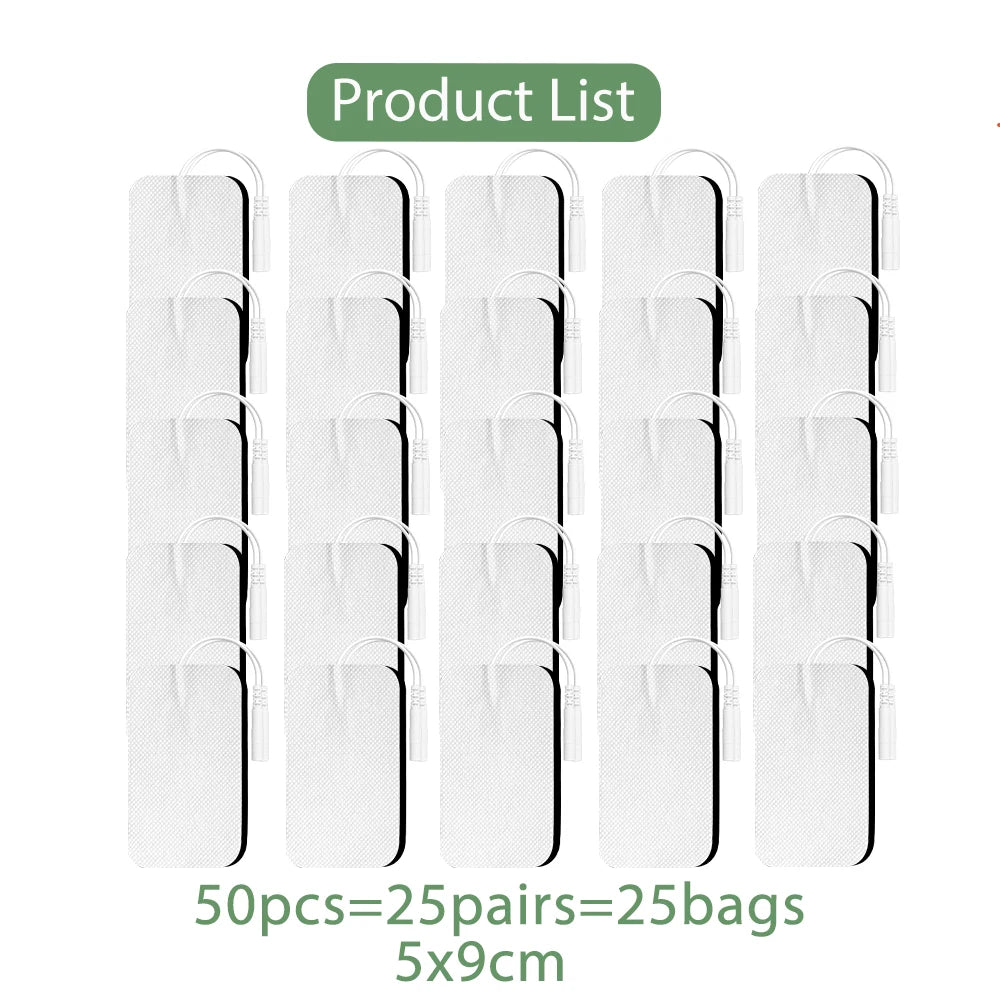
See it in action - electronic muscle pads / guide to using ems for recovery, tens pads vs ems pads differences explained, ways to improve circulation for muscle recovery
Do Electronic Muscle Stimulator Pads Really Work?
Electronic muscle stimulator pads conduct electrical impulses from an EMS unit into targeted muscles. When the pads maintain strong skin contact and good conductivity, they help generate controlled muscle contractions used for training support, rehabilitation, and recovery routines.
What are electronic muscle pads?
Electronic muscle pads are adhesive electrode pads that connect to EMS lead wires. Their conductive gel spreads electrical stimulation evenly across the skin while maintaining comfort and stability during use.
Are EMS muscle pads effective?
Yes—high-quality EMS pads improve signal transfer, reduce uneven stimulation (hot spots), and provide more consistent muscle contractions compared to worn or low-quality electrodes.
Do electronic muscle stimulators build muscle?
EMS devices can support muscle activation and rehabilitation, but they do not replace progressive resistance training. They are most effective when used alongside regular exercise and proper recovery habits.
How EMS Technology Works for Muscles
EMS (Electrical Muscle Stimulation) sends controlled electrical pulses through electrode pads to activate motor nerves, triggering muscle contractions similar to voluntary movement.
How EMS stimulates muscle contractions
Electrical impulses travel through the electrode pads into the skin, activating underlying motor units that cause muscles to contract.
EMS vs natural voluntary contractions
EMS contractions are externally triggered rather than consciously controlled, allowing targeted muscle engagement even when the body is at rest.
EMS pads benefits for muscle activation
- Supports muscle re-education
- Improves targeted recruitment
- Assists post-training recovery
- Helps maintain activation during inactivity
- Complements rehabilitation programs
To explore compatible devices, see this EMS device buying guide: EMS device buying guide .
Electronic Muscle Stimulator Pads Buying Guide
Connector types (Snap vs Pin)
EMS pads use either snap or pin connectors. Matching the correct connector type is essential for compatibility with your device.
Common pad sizes
- 2 x 2 inch square
- 2 x 4 inch rectangle
- Round pads
- Butterfly pads
- Large therapy pads
Reusable vs disposable pads
Reusable pads offer better long-term value, while disposable pads are often used in clinical or short-term settings.
Gel quality and conductivity
High-quality conductive gel ensures even stimulation and extends pad lifespan by maintaining consistent skin contact.
Adhesive performance
Strong adhesive improves signal stability and allows multiple sessions before replacement is needed.
Skin-friendly materials
Hypoallergenic backing helps reduce irritation for users with sensitive skin.
Compatibility Guide for EMS and TENS Devices
Not all electrode pads are universally compatible. Always check connector type, device specifications, and manufacturer guidance before purchasing replacements.
Brand compatibility overview
Many third-party pads are compatible with EMS and combined EMS/TENS systems when connector standards match.
Universal replacement pads
Universal pads can reduce costs, but only when connector type and size are fully compatible with your device.
When replacement pads are not interchangeable
Proprietary connectors or unique pad designs may prevent cross-brand compatibility.
How to identify your connector
Snap connectors use metal button-style attachments, while pin connectors insert directly into the electrode pad.
Choosing the Right Pad Size for Different Body Areas
Small muscles
Small pads are best for forearms, calves, and shoulder stabilizers where precision placement is important.
Medium muscle groups
Medium pads suit arms, hamstrings, and abdominal muscles for balanced coverage and stimulation.
Large muscle groups
Larger pads distribute stimulation across thighs, glutes, and back muscles for broader activation.
Best placement for EMS pads
Place pads on the muscle belly rather than joints or bones for optimal contraction efficiency.
Key Features That Improve Muscle Activation
Adjustable intensity
Multiple intensity levels allow gradual progression from light stimulation to stronger contractions.
Multiple therapy programs
Different modes support recovery, activation, endurance, and massage-style stimulation.
High-quality reusable electrode pads
Durable pads maintain conductivity longer and reduce interruptions caused by poor adhesion.
Rechargeable battery
Rechargeable designs improve convenience and ensure consistent usage.
Automatic timer and safety shutoff
Built-in timers help prevent overuse and ensure safe session durations.
TENS vs EMS Pads Differences Explained
TENS and EMS systems often use similar electrode pads, but their purpose and stimulation patterns differ significantly.
Therapy purpose
TENS focuses on nerve-based pain relief, while EMS targets muscle contraction and activation.
Electrical stimulation patterns
EMS uses contraction-based pulses, while TENS uses sensory-level stimulation for comfort.
Pad compatibility
Many pads are interchangeable if connector types match, but always verify device compatibility before use.
Which users should choose EMS
EMS is commonly used for muscle training, rehabilitation, recovery, and circulation support.
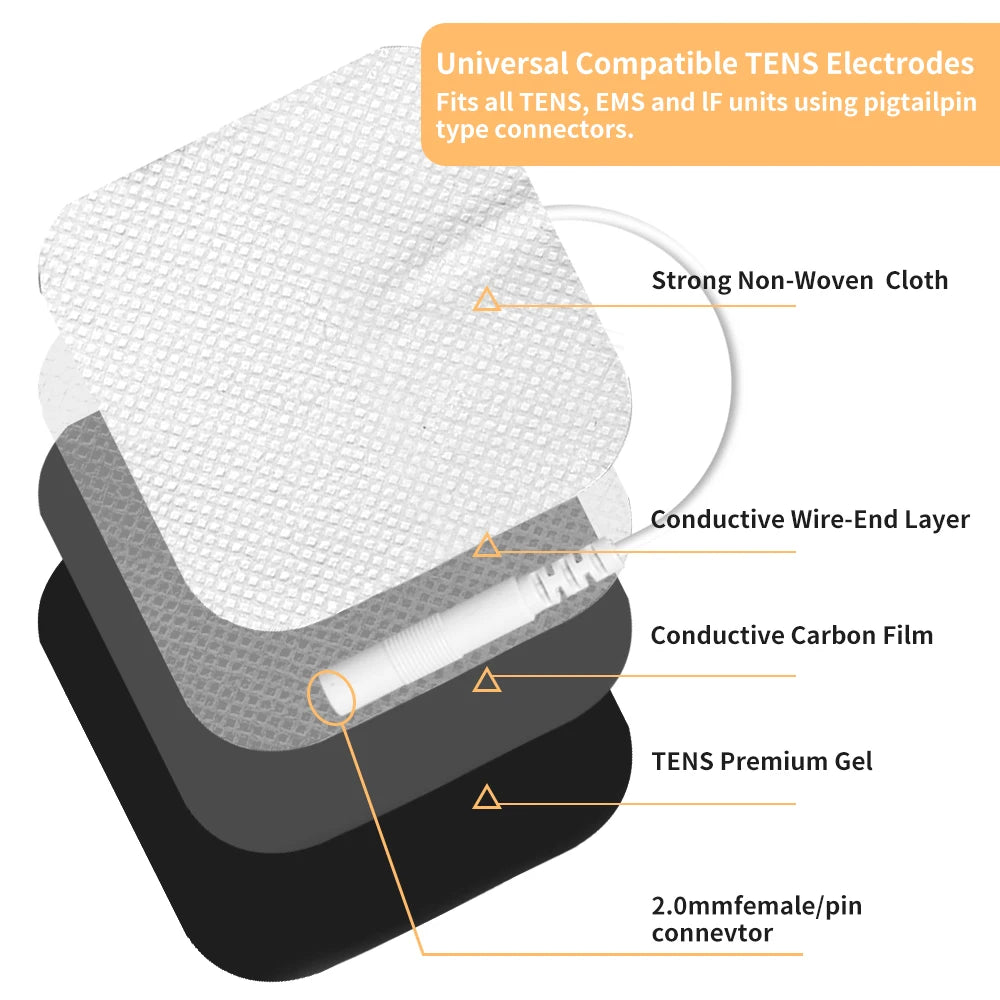
See it in action - electronic muscle pads / guide to using ems for recovery, tens pads vs ems pads differences explained, ways to improve circulation for muscle recovery
For a detailed comparison, see: TENS vs EMS comparison guide .
How to Use EMS Muscle Pads Safely
Preparing the skin
Clean and dry the skin before applying electrode pads to ensure proper adhesion.
Correct pad placement
Place pads on healthy skin only, avoiding broken skin, wounds, or bony areas.
Session duration
Follow manufacturer guidelines for session length and intensity settings.
Common mistakes to avoid
- Using worn-out pads
- Increasing intensity too quickly
- Stretching pads during removal
- Incorrect placement over joints
Safety precautions
Replace pads that show reduced adhesion, damaged gel, or inconsistent stimulation.
See placement guidance here: electrode placement guide .
EMS Pads for Muscle Recovery and Circulation
Recovery after exercise
EMS may support post-workout recovery by encouraging controlled muscle contractions.
EMS therapy for circulation improvement
Repeated contractions can help stimulate local blood flow in targeted muscles.
Reducing muscle soreness
Many users include EMS as part of their post-training recovery routine.
Recovery scheduling
Allow adequate rest between sessions based on training intensity and device instructions.
Learn more about recovery strategies: muscle recovery guide .
How Long Do EMS Pads Last?
Average lifespan
Most reusable EMS pads last around 20–40 sessions depending on usage and care.
Signs it's time to replace pads
- Weak adhesion
- Uneven stimulation
- Dried conductive gel
- Visible surface damage
Factors affecting longevity
Skin cleanliness, humidity, storage habits, and frequency of use all influence pad lifespan.
Cleaning and Storing EMS Pads
Cleaning methods
Gently remove debris with manufacturer-approved cleaning methods or light moisture when recommended.
Storage tips
Store pads on their protective film and keep them sealed in a pouch after use.
Restoring adhesive performance
Proper storage maintains adhesion; heavily worn pads should be replaced rather than repaired.
More maintenance tips: electrode pad maintenance tips .
Troubleshooting Weak Stimulation or Poor Adhesion
Pads not sticking
Clean skin thoroughly and check for dust, oil, or dried gel on the electrode surface.
Uneven stimulation
Reposition pads and inspect for worn or damaged gel layers.
Reduced conductivity
Replace pads if stimulation becomes inconsistent or weak across sessions.
Cable or connector issues
Inspect lead wires for damage or loose connections before replacing pads.
What Makes Better Models Worth Paying For?
- Reliable connector compatibility
- Long-lasting conductive gel
- Strong reusable adhesive
- Consistent electrical output
- Wide availability of replacement pads including tens electrode pads reusable pain relief
- Better long-term ownership cost
How to Choose the Right Electronic Muscle Stimulator Pads
- Confirm connector type (snap or pin).
- Select appropriate pad size for target muscles.
- Verify EMS device compatibility.
- Choose reusable or disposable pads based on usage.
- Compare adhesive strength and gel quality.
- Evaluate replacement frequency and long-term value.
Explore compatible options: Body Care and Health Devices and tens electrode pads reusable pain relief .
FAQ
Are electronic muscle pads safe?
Yes, when used according to manufacturer instructions and applied to healthy skin.
How often should EMS pads be replaced?
Replace pads when adhesion weakens or stimulation becomes inconsistent, typically after 20–40 uses.
Can EMS pads improve circulation?
Repeated muscle contractions may help stimulate localized blood flow during use.
Can electronic muscle stimulators build muscle?
They support muscle activation but should be combined with regular resistance training for best results.
Can I use TENS pads on an EMS machine?
Only if connector type and manufacturer compatibility match.
How long do reusable EMS pads last?
Typically 20–40 sessions depending on care and usage conditions.
What causes weak stimulation?
Common causes include worn gel, poor adhesion, incorrect placement, or damaged connectors.
Which pad size should I buy?
Select pad size based on the muscle group being targeted and device recommendations.
Pillar Article: tens machine muscle growth: how it supports strength & recovery results
Other Related Articles:
Explore More:













