

What is an eyeshadow brush guide and how does it help?
An eyeshadow brush guide explains what each eye makeup brush is designed to do and how to use it effectively. Learning the correct brush for blending, packing, defining, and detailing helps beginners achieve smoother color transitions, minimize patchiness, and create polished eye looks with greater consistency.
Eyeshadow Brush Guide: How to Use Each Brush Right
A beautiful eyeshadow look depends on more than the colors you choose. Knowing which brush to use at each stage of application makes blending easier, improves pigment placement, and helps create cleaner, more defined results. This eyeshadow brush guide walks you through the purpose of each essential brush so you can build confidence and improve your technique.
⏱ 8 min read
Not sure which brush to pick up first? Understanding the role of each brush is the foundation of faster application, smoother blending, and more professional-looking eye makeup.
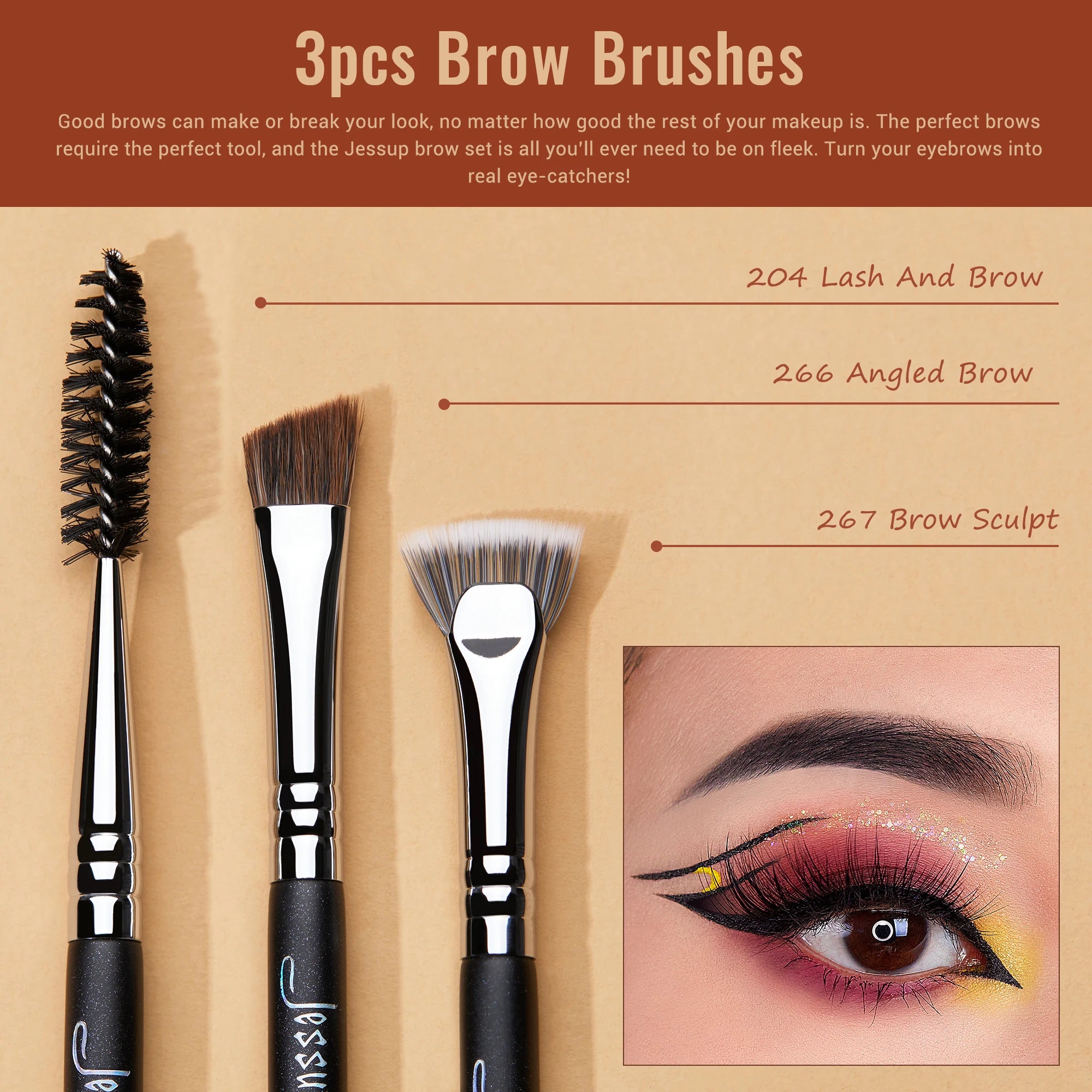
A beginner-friendly eyeshadow brush guide in action — See it in action
What Is an Eyeshadow Brush Guide and Why It Changes Everything
An eyeshadow brush guide explains the purpose of every brush in your kit and shows when to switch between them during application. Instead of relying on one brush for every step, you'll learn how different brush shapes create smoother blends, stronger color payoff, and cleaner definition.
Each brush is designed for a specific task, including:
- Blending brushes soften edges and create seamless transitions.
- Flat shader or packing brushes press pigment onto the eyelid for maximum color.
- Crease brushes add depth and shape to the eye socket.
- Detail brushes provide precision for the inner corner, lower lash line, and small areas.
Using the right brush improves both technique and efficiency. Common application problems often come down to using the wrong tool rather than the wrong eyeshadow.
- ❌ One brush for every step can leave colors looking muddy.
- ❌ Excessive blending may reduce color intensity.
- ❌ Oversized brushes make precise placement difficult.
- ✅ Matching the brush to the task creates cleaner definition and smoother gradients.
Think of eye makeup brushes as specialized tools. Once you understand what each one is designed to do, creating balanced, well-blended eye looks becomes much more straightforward.
How Each Eye Brush Transforms Your Makeup Results
Fluffy Blending Brush
A fluffy blending brush features long, soft bristles that gently diffuse eyeshadow without removing too much pigment. It's the primary brush for blending transition shades and softening harsh edges.
- Best for blending the crease and transition shades
- Creates smooth color gradients
- Avoid pressing too firmly, which can lift product instead of blending it
Packing Brush
A flat, dense packing brush is designed to press eyeshadow directly onto the eyelid. It delivers stronger pigmentation than sweeping motions and works especially well with shimmer, metallic, and satin formulas.
- Builds rich color payoff
- Ideal for shimmer and metallic shadows
- Pat product onto the lid instead of sweeping to reduce fallout
Detail Brush
A small detail brush provides precise control when working in areas that larger brushes cannot reach. It helps refine your finished eye look without disturbing surrounding eyeshadow.
- Highlight the inner corner
- Define the lower lash line
- Smudge pencil liner for a softer finish
Angled Brush
An angled brush has firm, slanted bristles that create clean, controlled lines. It's useful for applying gel eyeliner, shaping the outer corner, or filling sparse brows.
- Create winged eyeliner
- Fill and define brows
- Add definition to the outer corner with precision
Step by Step Eye Makeup Brush Guide for Beginners
Following a consistent brush sequence helps each eyeshadow shade stay in place while creating smooth transitions and natural depth. Switch brushes as you move through each stage rather than relying on a single tool.
Apply Base Shade
Begin with a flat packing brush to press a light or neutral shade across the eyelid. Patting the color onto the skin creates a more even base than sweeping motions.
Build the Crease
Pick up a fluffy blending brush and apply a transition shade through the crease using light windshield-wiper and circular motions. Build color gradually instead of applying too much at once.
Deepen the Outer Corner
Switch to a smaller crease or detail brush to place a darker shade on the outer corner of the eye. Concentrating pigment in this area adds dimension without overpowering the look.
Blend Edges
Use a clean blending brush to soften the borders between shades. Gentle blending keeps each color visible while eliminating harsh lines.
Highlight and Finish
Finish with a detail brush to highlight the inner corner and define the lower lash line. If desired, use an angled brush to sharpen eyeliner or enhance the outer edge.
Using this step by step eye makeup brush guide creates balanced color placement, seamless blending, and a polished finish that works for both everyday and dramatic eye looks.
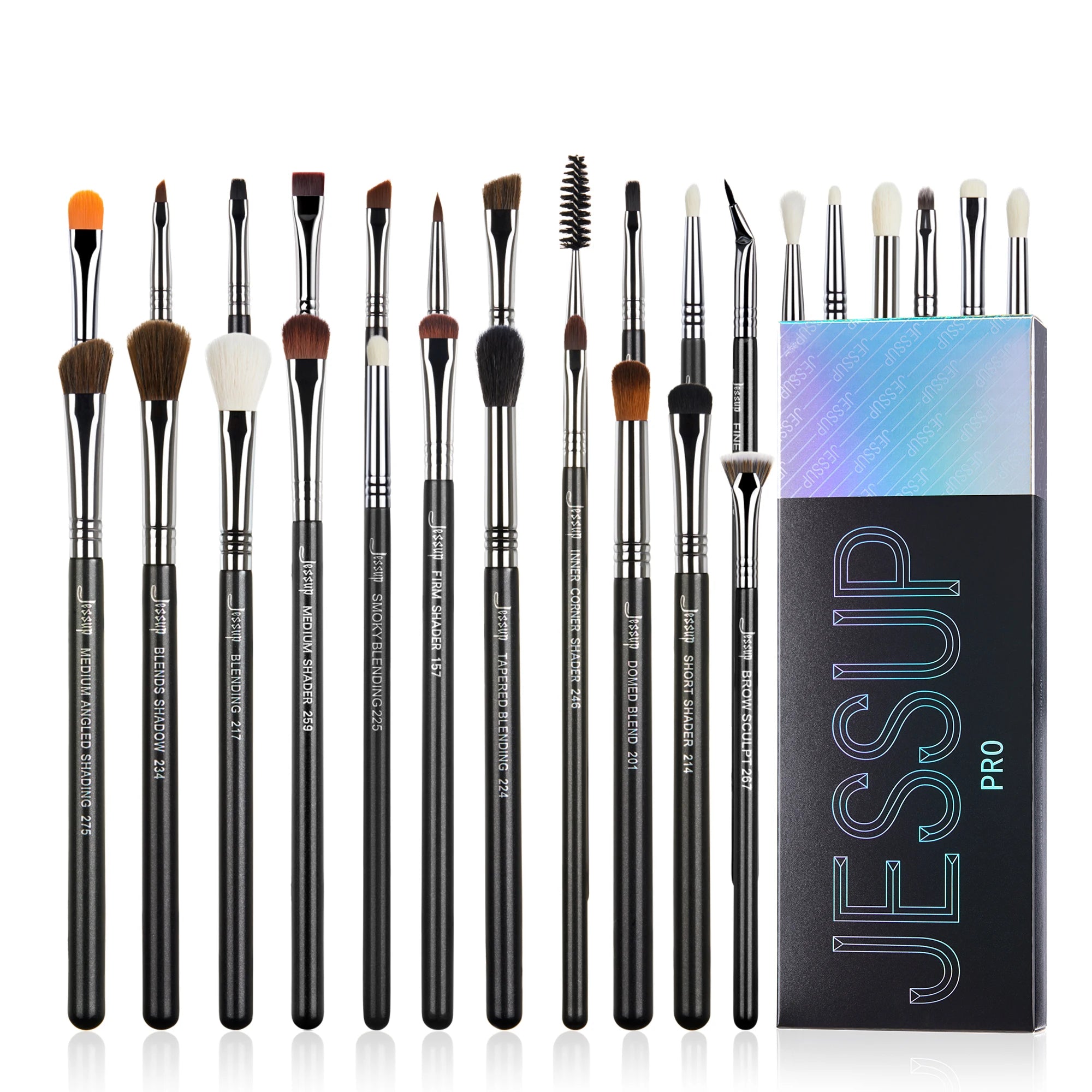
Step by step eye makeup brush guide for flawless blending — See it in action
How to Choose the Right Eye Brushes for Your Style
The best eye makeup brushes depend on your eye shape, preferred makeup style, and experience level. A small collection of versatile brushes is often more useful than a large set of similar shapes.
- Small or deep-set eyes: Choose compact brushes for accurate placement.
- Hooded eyes: Use small fluffy blending brushes that fit naturally into the crease.
- Bold or colorful looks: Keep dense shader brushes for maximum pigment payoff.
- Natural everyday makeup: Prioritize soft blending and crease brushes for subtle definition.
Brush material also affects performance:
- Synthetic bristles: Excellent for cream, liquid, and powder formulas. They're easy to clean and suitable for most beginners.
- Natural bristles: Often diffuse powder shadows beautifully but require more care and maintenance.
A beginner kit should include a blending brush, flat shader brush, crease brush, detail brush, and angled brush. If you're starting out, the 28pcs Eye Makeup Brushes Set provides a wide selection of essential eye brushes for practicing different techniques.
For a complete beauty routine, explore tools from Skin and Beauty Care Devices to prepare your skin before applying makeup.
Mistakes That Ruin Your Eyeshadow (And How to Fix Them)
| Common Mistake | What Happens | How to Fix It |
|---|---|---|
| Using one brush for every step | Colors become muddy and lose definition. | Use separate brushes for packing, blending, and detailing. |
| Picking up too much product | Patchy application and excess fallout. | Lightly tap off excess powder before touching the eyelid. |
| Overblending or underblending | Colors either disappear or leave harsh edges. | Blend gently until transitions look soft while preserving depth. |
| Using dirty brushes | Old pigment mixes into new shades and reduces performance. | Clean brushes regularly to maintain color accuracy and hygiene. |
| Choosing the wrong brush size | Eyeshadow spreads beyond the intended area. | Select brush sizes that match your eye shape and desired level of precision. |
Brush Types Comparison Table
| Brush Type | Primary Use | Best Movement | Ideal Skill Level |
|---|---|---|---|
| Fluffy Blending Brush | Blend transition shades and soften edges | Windshield-wiper and circular motions | Beginner |
| Flat Shader (Packing) Brush | Apply maximum color to the eyelid | Patting or pressing | Beginner |
| Detail Brush | Highlight the inner corner and define the lower lash line | Short, controlled strokes | Intermediate |
| Angled Brush | Create eyeliner, shape brows, and define the outer corner | Precise sweeping strokes | Intermediate |
Brush Movement Techniques for Better Eyeshadow Application
- Patting: Use a flat shader brush to press shimmer or matte shadows onto the lid for stronger pigment and less fallout.
- Sweeping: Apply a light wash of color across larger areas with gentle strokes, avoiding excessive pressure.
- Windshield-wiper motion: Move a fluffy blending brush back and forth through the crease to create smooth transitions.
- Circular blending: Finish by using small circular motions around the edges of each shade to soften harsh lines without removing too much color.
Matching the correct brush movement to the appropriate brush helps improve control, minimize patchiness, and create a more even, professional-looking finish.
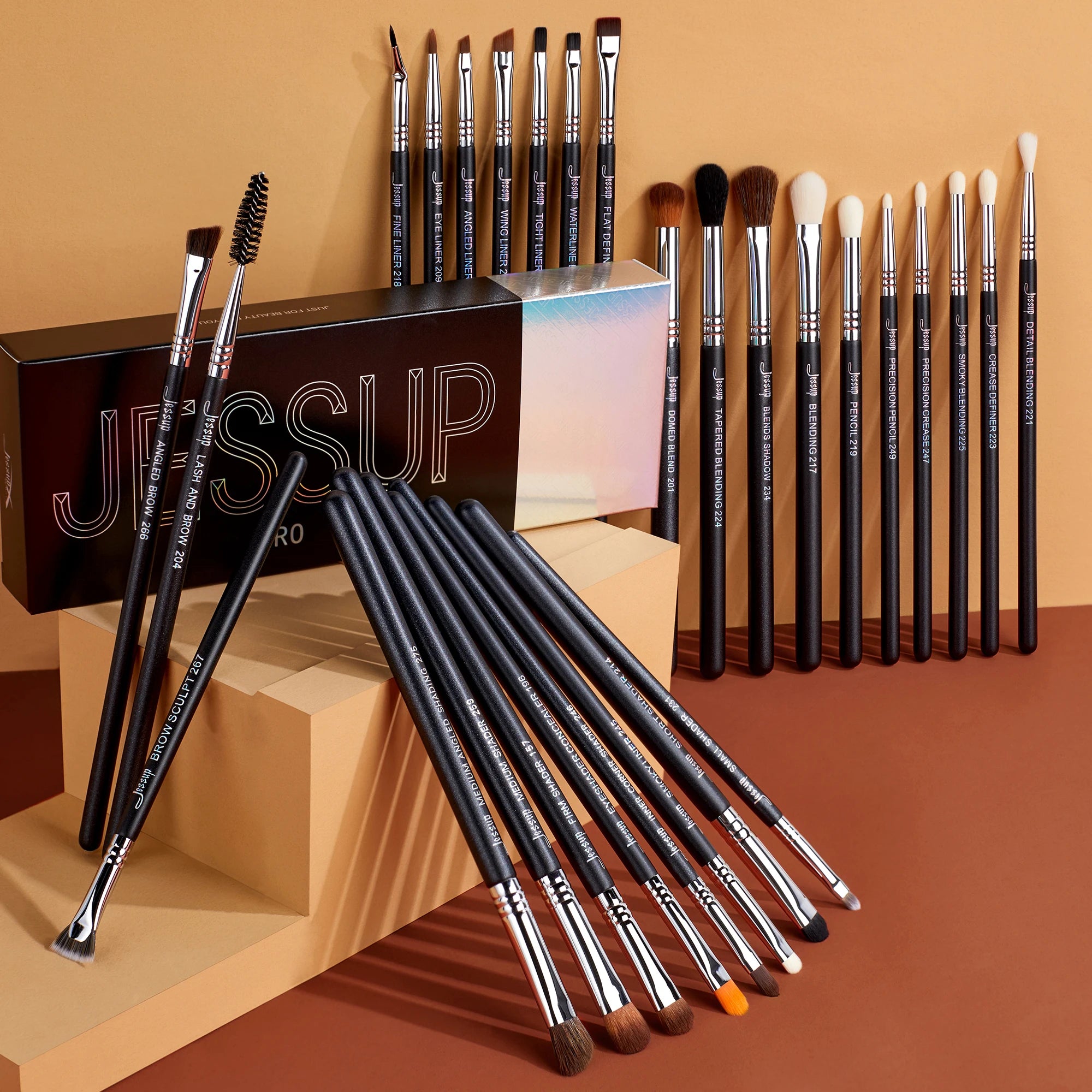
Beginner guide to eye makeup brushes with professional results — See it in action
FAQ
Which eyeshadow brush should beginners buy first?
If you're building a starter kit, begin with a fluffy blending brush. It is the most versatile brush for creating smooth transitions and correcting harsh edges. Add a flat shader, crease, detail, and angled brush as your collection grows.
What is the difference between a blending brush and a crease brush?
A blending brush has soft, fluffy bristles designed to diffuse color over a larger area. A crease brush is usually smaller and more tapered, making it easier to place deeper shades precisely within the crease.
Can I apply an entire eye look with only a few brushes?
Yes. Most everyday eye looks can be completed with four or five essential brushes: a blending brush, flat shader brush, crease brush, detail brush, and angled brush.
Should I use synthetic or natural eyeshadow brushes?
Synthetic brushes are durable, easy to clean, and work well with powder, cream, and liquid formulas. Natural bristles often blend powder shadows beautifully but require more maintenance.
How often should I clean eyeshadow brushes?
Brushes used around the eyes should be cleaned at least once a week if used regularly. Spot cleaning between uses also helps prevent color transfer and product buildup.
What brush works best for hooded eyes?
People with hooded eyes typically benefit from smaller fluffy blending brushes and tapered crease brushes, which provide greater control when applying color in limited lid space.
Related Articles:
- Eye Brush Guide: Fix Patchy Eyeshadow Fast
- Blending Brush Eyeshadow: How to Blend Like a Pro
- Beginner Eyeshadow Tips: Avoid Common Brush Mistakes
- Eyeshadow Brushes How to Use for Smooth Blending
Pillar Articles:













