

Fatigue Body Aches and Headaches: Common Causes, Relief, and Recovery
Fatigue body aches and headaches often occur together after demanding days, poor-quality sleep, prolonged stress, illness, or physical overexertion. While these symptoms are frequently temporary, they can interfere with work, parenting, exercise, and everyday routines. Understanding the possible causes is the first step toward choosing safe and effective ways to feel better.
This guide explains why these symptoms develop, when home recovery strategies may help, and when medical evaluation is appropriate. If your discomfort is related to muscle tension or everyday physical strain rather than an underlying illness, supportive recovery methods can help ease tight muscles and improve comfort.
⏱ 6 min read
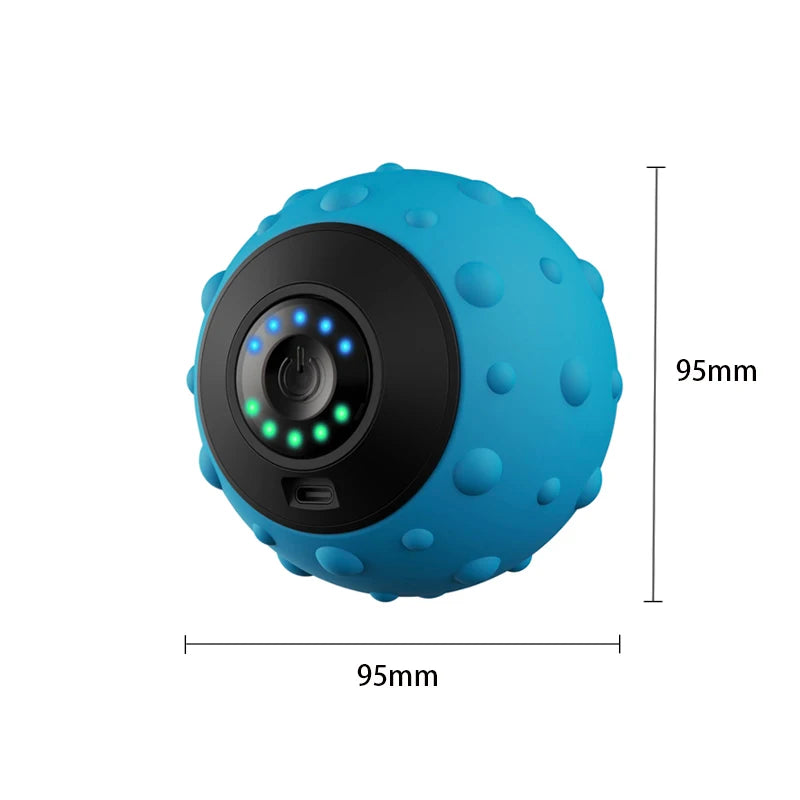
Relieve fatigue body aches and headaches faster at home. See it in action.
Why Fatigue Body Aches and Headaches Happen
Fatigue body aches and headaches commonly develop together because the body and brain respond to physical and mental stress in connected ways. Muscle overuse, inadequate sleep, dehydration, viral illnesses, and emotional stress can all contribute to widespread soreness while also increasing the likelihood of headaches and persistent tiredness.
For parents and caregivers, these symptoms are especially common. Repeated lifting, carrying children, interrupted sleep, long hours on your feet, and limited recovery time can place ongoing strain on the neck, shoulders, back, and hips. As muscles remain tight, they may contribute to tension headaches and an overall feeling of exhaustion.
Common contributors include:
- Muscle tightness caused by repetitive movements or prolonged sitting
- Poor sleep quality or insufficient rest that limits muscle recovery
- Stress-related muscle tension, particularly in the neck and shoulders
- Physical overexertion without adequate recovery between activities
- Mild dehydration or inadequate nutrition that reduces energy levels
Although these symptoms often improve with rest and healthy recovery habits, persistent, severe, or worsening fatigue body aches and headaches deserve medical evaluation to identify potential underlying conditions.
Feeling stiff even after sleeping? Rest helps restore energy, but it may not fully release tight muscles. Gentle movement, stretching, heat, hydration, and targeted muscle relaxation techniques can support a more complete recovery.
Evidence-Based Ways to Relieve Fatigue, Body Aches, and Headaches at Home
If your symptoms are related to everyday muscle tension, overuse, or stress rather than a medical emergency, several evidence-based self-care strategies may help reduce discomfort. Combining healthy lifestyle habits with supportive recovery tools often provides better results than relying on a single approach.
Helpful recovery strategies include:
- Staying well hydrated throughout the day
- Prioritizing consistent, high-quality sleep whenever possible
- Performing gentle stretching and light movement to reduce stiffness
- Using heat therapy to relax tight muscles
- Managing stress through breathing exercises or relaxation techniques
- Using targeted massage devices to temporarily ease muscle tension and promote comfort
Massage tools may provide temporary relief by helping relax tight muscles, improving local circulation, and reducing feelings of stiffness. They should be viewed as supportive recovery aids rather than treatments for infections, chronic medical conditions, or other underlying causes of fatigue body aches and headaches.
Explore more wellness solutions in Body Care and Health Devices designed for everyday recovery.
At-Home Muscle Relaxation Techniques for Parents
Parents and caregivers often have limited time for self-care, making practical recovery habits especially valuable. Gentle stretching, regular movement, heat therapy, and massage can help relieve tight muscles that develop after lifting children, working at a desk, or spending long hours on your feet. While these techniques do not treat the underlying cause of illness, they may provide temporary relief from stress-related muscle discomfort.
For best results, combine several supportive strategies:
- Take short movement breaks every 30 to 60 minutes if you sit for extended periods.
- Stretch the neck, shoulders, hips, and lower back to improve flexibility.
- Apply gentle heat before massage to help muscles relax.
- Stay hydrated and maintain regular meals to support recovery.
- Use massage as part of a consistent wellness routine rather than only when discomfort becomes severe.
Can a Compact Vibrating Massage Tool Help Relieve Muscle Tension?
A compact vibrating massage tool for parents can temporarily reduce muscle tightness caused by everyday stress, repetitive movements, and physical fatigue. By delivering targeted vibration to specific muscle groups, these devices may help improve comfort, promote relaxation, and make it easier to move after long or demanding days.
Although massage devices can be a useful addition to home care, they should not be considered a treatment for infections, chronic medical conditions, or persistent unexplained fatigue. If symptoms continue despite rest and self-care, medical evaluation is recommended.
- Begin with the lowest intensity: Allow muscles to adapt before increasing pressure.
- Focus on tense muscles: Common areas include the neck, shoulders, upper back, hips, and lower back. Avoid direct use over bones or joints.
- Hold the device on each area for 30 to 60 seconds: Move slowly instead of applying excessive pressure.
- Increase intensity only if comfortable: Moderate pressure is usually sufficient for everyday muscle tension.
- Use consistently: Short daily sessions often provide better results than occasional prolonged use.
Stop using the device if it causes significant pain, numbness, dizziness, or worsening symptoms. Individuals with certain medical conditions, recent injuries, or pregnancy should consult a healthcare professional before beginning vibration therapy.
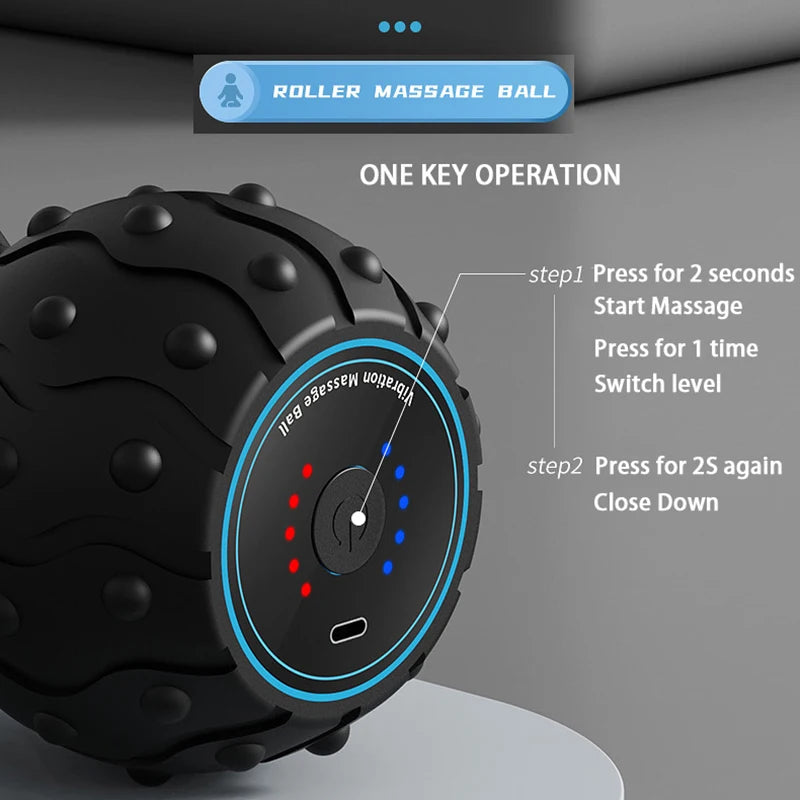
Target deep muscle tension with a compact vibrating massage tool for parents. See it in action.
Explore more complementary tools in Lifestyle to build a balanced recovery routine that includes regular movement, quality sleep, hydration, and stress management.
Shop the vibrating massage tool
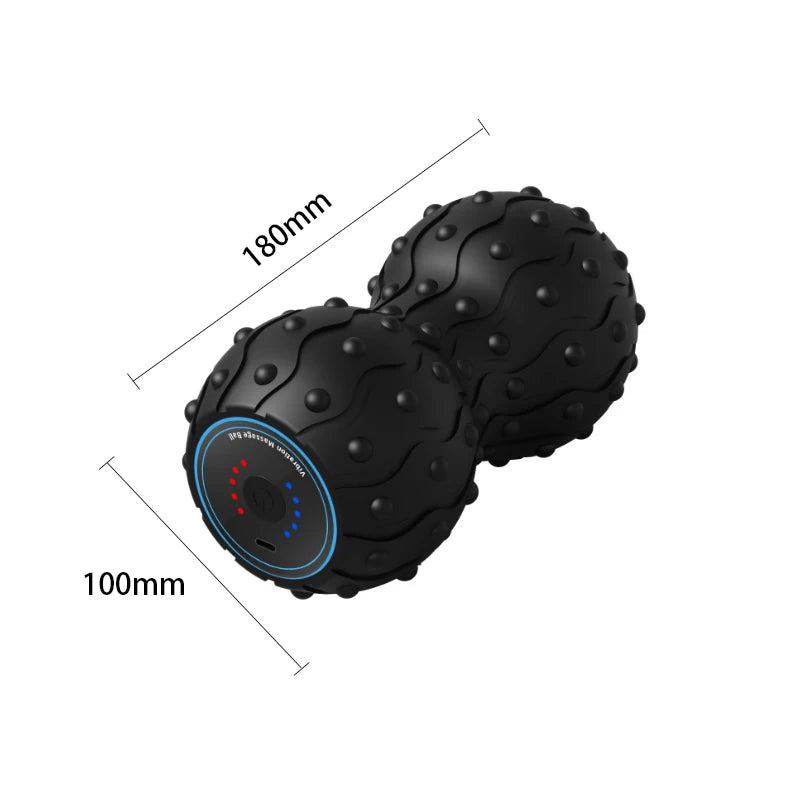
A convenient option for temporary relief from everyday muscle tension. See it in action.
Frequently Asked Questions
Why does fatigue cause body aches and headaches?
Fatigue can increase muscle tension, reduce physical recovery, and heighten the body's sensitivity to discomfort. Poor sleep, prolonged stress, dehydration, overexertion, and viral illnesses may all contribute to body aches and headaches occurring together.
Can stress alone cause fatigue, body aches, and headaches?
Yes. Ongoing stress can lead to persistent muscle tightness, especially in the neck, shoulders, and upper back, while also contributing to tension headaches, poor sleep, and daytime fatigue. Managing stress is often an important part of recovery.
How do I relieve body aches caused by exhaustion?
Focus on adequate hydration, balanced nutrition, quality sleep, gentle stretching, light activity, and regular recovery breaks. Massage and heat therapy may also help reduce muscle tightness and improve comfort when symptoms are related to physical strain.
Are fatigue and muscle pain normal after poor sleep?
They can be. Inadequate sleep limits normal muscle recovery and may increase pain sensitivity the following day. Most people notice improvement after several nights of restorative sleep combined with healthy recovery habits.
How long should viral body aches last?
Body aches from common viral illnesses often improve within several days to about a week, although fatigue may last longer for some people. If symptoms become severe, continue to worsen, or fail to improve, seek medical advice.
When should I see a doctor for fatigue, headaches, and body aches?
Seek prompt medical care if symptoms are severe, persist for an extended period, recur frequently without a clear cause, or are accompanied by high fever, confusion, difficulty breathing, chest pain, weakness, severe neck stiffness, or other concerning symptoms.
Can dehydration cause all three symptoms?
Yes. Dehydration may contribute to headaches, fatigue, muscle cramps, and generalized body aches. Drinking adequate fluids and replacing electrolytes when appropriate can help reduce symptoms in mild cases.
Can a massage tool help with stress-related muscle aches?
A compact vibrating massage tool may provide temporary relief by relaxing tight muscles and improving comfort after everyday physical strain. It should be used as supportive self-care and is not a substitute for medical evaluation or treatment when symptoms are caused by an underlying illness.
Shop now and start relieving tension
Pillar Article: Constant leg soreness: Real Results and Recovery Review Guide
Other Related Articles:
Explore More:













