

Does constant leg soreness really go away?
Yes, constant leg soreness often improves once the underlying cause is identified and addressed. Mild soreness caused by muscle overuse, prolonged standing, or delayed recovery usually responds well to a combination of rest, hydration, gentle stretching, regular movement, and recovery techniques such as vibration massage. However, soreness that persists for weeks, worsens over time, or is accompanied by swelling, numbness, weakness, or skin color changes should be evaluated by a healthcare professional to rule out circulation, nerve, or other medical conditions.
Constant Leg Soreness: Causes, Relief, and Recovery Guide
Constant leg soreness can affect anyone—not just athletes. Whether you spend long hours standing at work, exercise regularly, care for children, or simply notice your legs ache every day, persistent soreness can interfere with sleep, mobility, and daily activities. This guide explains the most common reasons your legs may feel sore, when symptoms are considered normal, and practical ways to support muscle recovery at home.
⏱ 5 min read
If your legs feel tired, heavy, or sore day after day, you're not alone. While occasional muscle soreness is expected after physical activity, ongoing discomfort deserves closer attention because it may result from muscle fatigue, poor recovery, prolonged standing, circulation problems, or other underlying conditions.
Discover practical strategies to relieve sore legs and support healthy daily recovery.
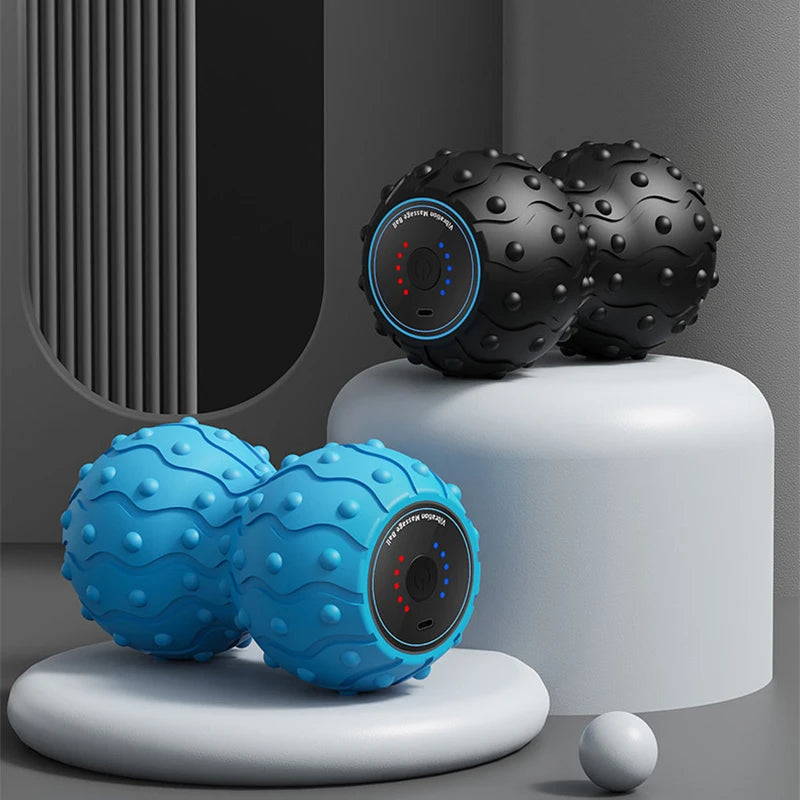
Understanding the causes of constant leg soreness is the first step toward lasting relief.
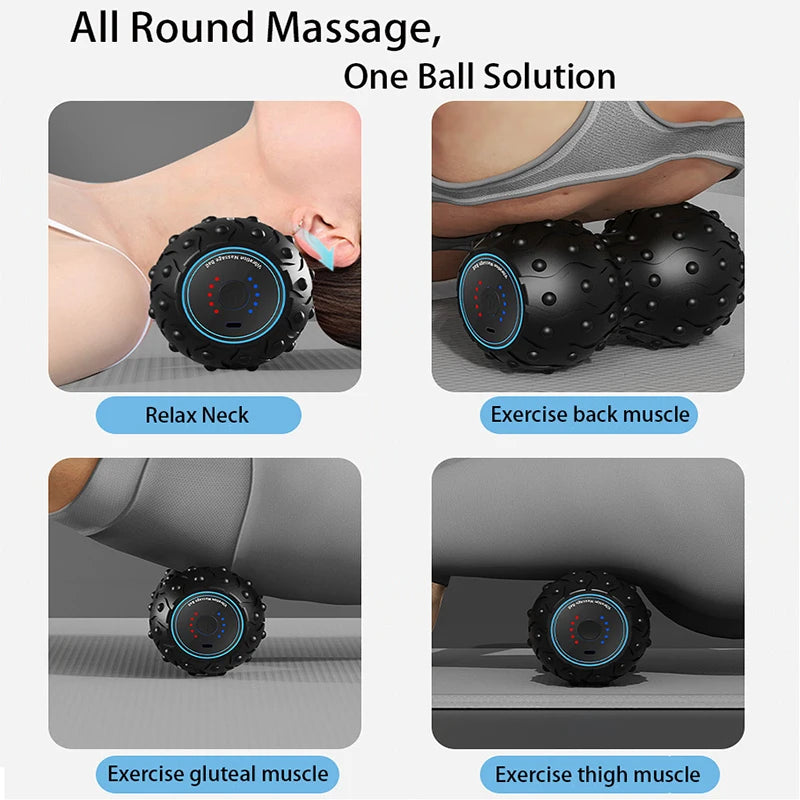
Healthy recovery habits can help reduce muscle soreness after daily activities.
Symptom Comparison: What Your Leg Soreness Could Indicate
| Symptom Pattern | Common Features | Possible Cause | Recommended Next Step |
|---|---|---|---|
| Muscle soreness | Dull ache, tenderness after activity, improves with rest | Muscle overuse or delayed recovery | Home care, stretching, hydration, gradual return to activity |
| Joint pain | Pain centered around the knee, hip, or ankle with movement | Joint irritation or arthritis | Medical evaluation if persistent |
| Nerve pain | Burning, tingling, numbness, or shooting pain | Nerve compression or neuropathy | Consult a healthcare provider |
| Circulation problems | Heavy legs, swelling, skin discoloration, aching after standing | Venous insufficiency or peripheral artery disease | Medical assessment, especially if symptoms worsen |
| Blood clot warning signs | One-sided swelling, warmth, redness, severe calf pain | Possible deep vein thrombosis (DVT) | Seek emergency medical care immediately |

Comparing symptoms can help determine when home care is appropriate and when medical evaluation is needed.
When Should You Worry About Constant Leg Soreness?
Emergency warning signs
Most cases of constant leg soreness are not medical emergencies, but some symptoms require immediate attention. Seek urgent medical care if you experience:
- Sudden, severe pain with significant swelling in one leg.
- Redness, warmth, and tenderness that develops rapidly.
- Difficulty walking after a major injury.
- Loss of sensation or muscle weakness.
- Leg pain accompanied by chest pain or shortness of breath.
When to schedule a medical evaluation
Arrange a healthcare appointment if soreness:
- Persists for more than two weeks despite rest.
- Frequently returns without a clear cause.
- Interferes with sleep or daily activities.
- Occurs alongside swelling, fever, unexplained weight loss, or persistent muscle weakness.
- Develops after starting a new medication.
How Doctors Diagnose Persistent Leg Soreness
Medical history and physical exam
Your healthcare provider will ask when the soreness began, where it occurs, whether one or both legs are affected, and what activities improve or worsen your symptoms. A physical examination typically evaluates muscle strength, joint mobility, circulation, and nerve function.
Common laboratory tests
Depending on your symptoms, blood tests may be recommended to evaluate:
- Vitamin D and vitamin B12 levels.
- Electrolytes and hydration status.
- Markers of inflammation or infection.
- Kidney, liver, or thyroid function when appropriate.
Imaging and other diagnostic tests
If a structural, vascular, or neurological condition is suspected, additional testing may include X-rays, ultrasound, MRI, nerve conduction studies, or vascular imaging to identify the underlying cause accurately.
How to Relieve Constant Leg Soreness
Home care strategies
If your symptoms are mild and related to muscle fatigue or overuse, conservative treatment is often effective. Consider the following approaches:
- Rest sore muscles while avoiding prolonged inactivity.
- Apply heat for muscle tightness or ice after acute overuse or injury.
- Elevate your legs after long periods of standing.
- Consider self-massage or massage devices to help relieve muscle tension and support recovery.
- Wear supportive footwear if you spend much of the day on your feet.
If you choose to use a massage device as part of your recovery routine, you can Shop the vibrating massage ball.
Exercise and stretching
Gentle stretching, walking, and low-impact activities can improve flexibility and circulation without placing excessive stress on recovering muscles. Increase exercise intensity gradually to reduce the risk of recurrent soreness.
Sleep, hydration, and nutrition
Muscle recovery depends on adequate sleep, proper hydration, sufficient protein intake, and nutrients such as vitamin D, magnesium, and potassium. Dehydration and electrolyte imbalances can contribute to muscle discomfort, especially after prolonged activity or hot weather.
Recovery timeline
Recovery varies depending on the cause. Mild muscle soreness often improves within a few days, while soreness related to chronic overuse, medical conditions, or nerve problems may require targeted treatment and a longer recovery period.
How to Prevent Sore Legs From Coming Back
Work and standing habits
- Take short walking or stretching breaks every 30 to 60 minutes.
- Shift your weight frequently if your job requires prolonged standing.
- Use supportive footwear and replace worn shoes regularly.
- Consider anti-fatigue mats when standing for extended periods.
Exercise progression
Increase training volume gradually and include recovery days in your exercise routine. Warming up before activity and cooling down afterward may help reduce muscle stiffness.
Nutrition and hydration
Drink enough fluids throughout the day and eat a balanced diet that provides protein, vitamins, and minerals needed for muscle repair.
Managing chronic conditions
If you have diabetes, vascular disease, arthritis, or another chronic health condition, following your treatment plan can help reduce recurring leg discomfort and improve long-term mobility.
FAQ
Why are my legs constantly sore even if I don't exercise?
Persistent soreness without exercise may be related to prolonged standing, poor circulation, medication side effects, vitamin deficiencies, nerve conditions, or chronic medical disorders. If symptoms continue or worsen, seek medical evaluation.
How long should leg soreness last before I see a doctor?
Typical muscle soreness improves within several days. If soreness lasts longer than two weeks, repeatedly returns, or interferes with daily activities, schedule a medical appointment.
Can standing all day cause constant leg soreness?
Yes. Standing for prolonged periods can contribute to muscle fatigue, reduced circulation, and leg discomfort, particularly without regular movement breaks or supportive footwear.
What medical conditions cause chronic leg soreness?
Potential causes include peripheral artery disease, chronic venous insufficiency, nerve disorders, arthritis, diabetes, thyroid disorders, and inflammatory muscle conditions. Diagnosis depends on your symptoms and medical history.
Can poor circulation make my legs ache constantly?
Yes. Circulation problems may cause aching, heaviness, cramping, swelling, or fatigue in the legs, especially during walking or after standing for long periods.
What vitamin deficiency causes sore legs?
Vitamin D deficiency is one of the most common nutritional causes of muscle pain. Low levels of vitamin B12, magnesium, or other nutrients may also contribute in some individuals.
What tests are used to diagnose persistent leg soreness?
Doctors may recommend blood tests, vascular ultrasound, X-rays, MRI scans, or nerve conduction studies depending on your symptoms and physical examination findings.
What's the difference between muscle soreness and nerve pain?
Muscle soreness usually feels like a dull ache or tenderness that improves with rest. Nerve pain is more likely to cause burning, tingling, numbness, electric shock sensations, or pain that radiates down the leg.
How can I relieve constant leg soreness at home?
Rest, hydration, gentle stretching, regular walking, adequate sleep, supportive footwear, and massage can all help. If soreness is severe, persistent, or associated with other concerning symptoms, consult a healthcare professional.
When is constant leg soreness a medical emergency?
Seek emergency care if leg soreness is accompanied by sudden swelling in one leg, severe pain, redness, warmth, loss of sensation, inability to move the leg, or chest pain and shortness of breath.
Related Articles:
- Fatigue body aches and headaches: Best Recovery Tools Reviewed
- Portable muscle recovery device: Real User Results and Review
Pillar Articles:













